

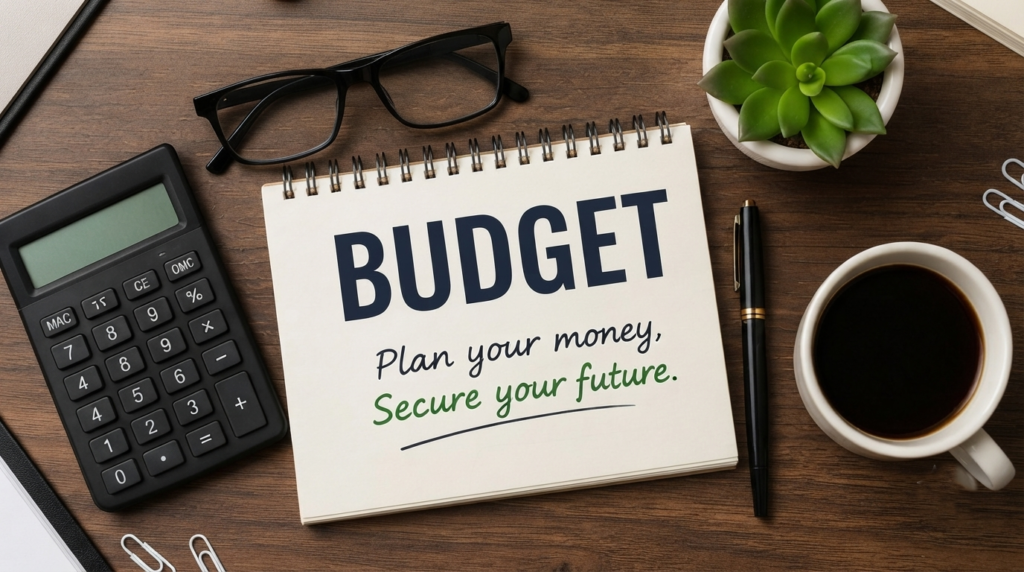
Managing your money doesn’t have to feel overwhelming. Many people create a budget with good intentions, only to abandon it after a few weeks because it’s too strict or unrealistic. The truth is, a successful budget isn’t about cutting out everything you enjoy—it’s about giving every dollar a purpose while still leaving room for real life.
If you’ve been wondering how to create a budget that actually works, you’re in the right place. This guide from Read Hub will walk you through practical steps that are easy to follow, whether you’re budgeting for the first time or trying to improve your current financial plan.
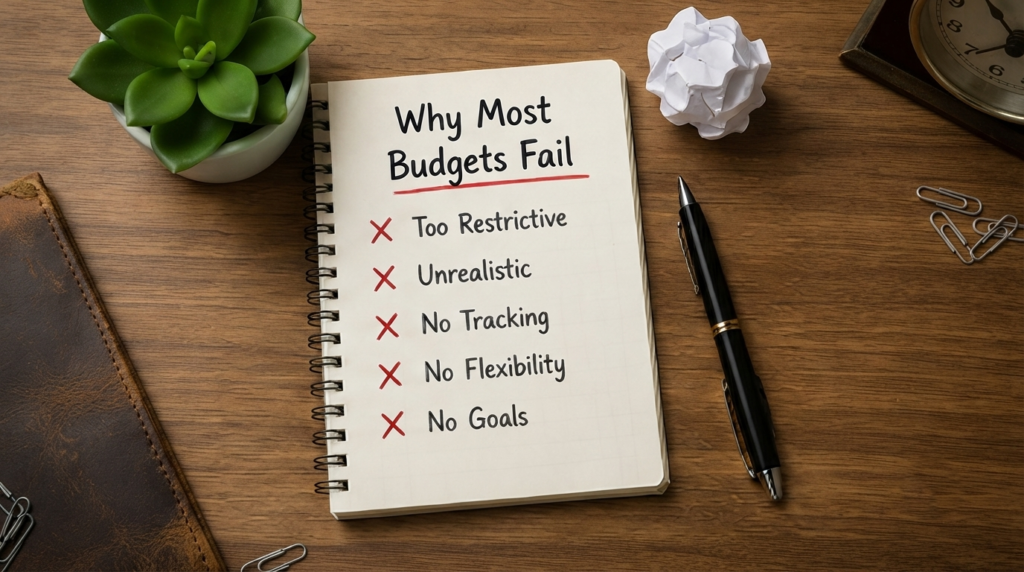
Why Most Budgets Fail
Many budgets fail because they’re based on perfection instead of reality. People often underestimate their spending, forget irregular expenses, or create rules that are impossible to maintain.
A good budget should be flexible enough to handle unexpected costs while helping you stay focused on your long-term financial goals. Think of your budget as a guide rather than a punishment.
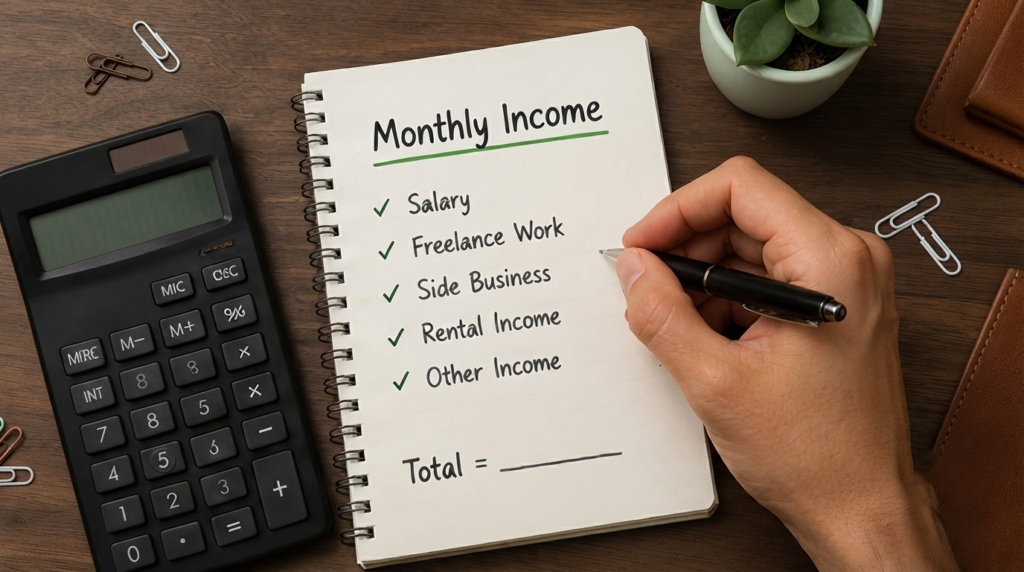
Know Your Monthly Income
Before planning your spending, calculate exactly how much money you receive each month.
Include:
- Salary after taxes
- Freelance income
- Side business earnings
- Rental income
- Any other regular income
If your income changes every month, calculate your average earnings over the last six months. This creates a more realistic financial picture.
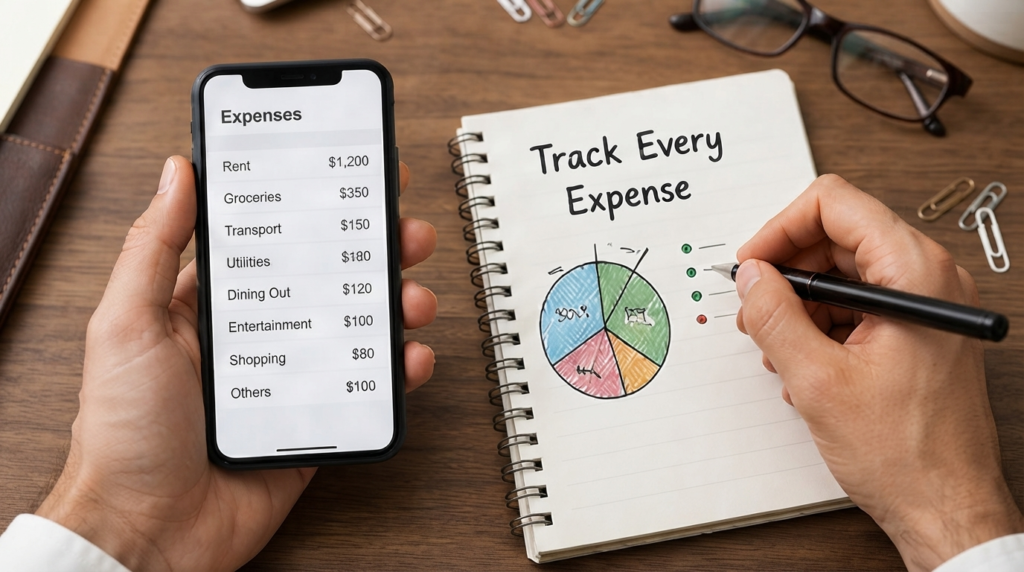
Track Every Expense
One of the biggest budgeting mistakes is guessing where your money goes.
Spend one month recording every expense, including:
- Rent or mortgage
- Utilities
- Groceries
- Transportation
- Dining out
- Entertainment
- Online subscriptions
- Shopping
You may be surprised by how much small purchases add up over time.
Set Realistic Financial Goals
Your budget should help you achieve something meaningful.
Examples include:
- Saving for a vacation
- Paying off credit card debt
- Building an emergency fund
- Buying a home
- Investing for retirement
Having clear goals makes it easier to stay motivated when making spending decisions.

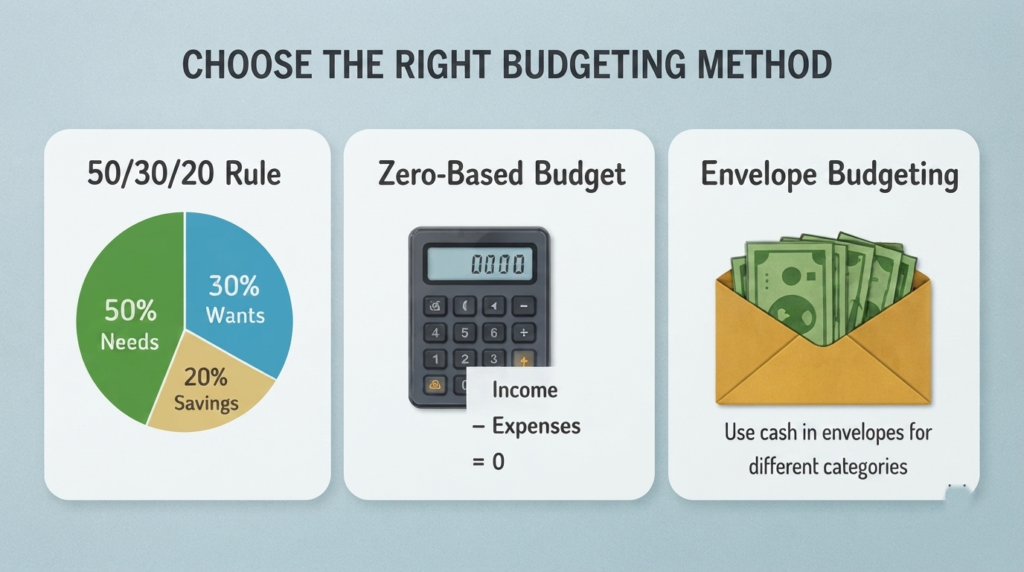
Choose the Right Budgeting Method
1. 50/30/20 Rule
Allocate:
- 50% for necessities
- 30% for wants
- 20% for savings and debt repayment
This is ideal for beginners.
2. Zero-Based Budget
Every dollar is assigned a job until your income minus expenses equals zero.
This method provides maximum control over your finances.
3. Envelope Budgeting
Use cash envelopes or digital categories for different spending areas. Once a category is empty, stop spending.
Choose the method that matches your lifestyle instead of forcing yourself into one that feels restrictive.
Prioritize Needs Over Wants
A working budget doesn’t eliminate fun—it simply puts essentials first.
Always cover:
- Housing
- Utilities
- Insurance
- Food
- Transportation
- Debt payments
After that, allocate money for entertainment, hobbies, and personal spending.
This balance makes your budget sustainable for the long term.

Build an Emergency Fund
Unexpected expenses happen to everyone.
Whether it’s a car repair, medical bill, or job loss, an emergency fund prevents these situations from turning into financial disasters.
Aim to save:
- $500–$1,000 initially
- Three to six months of living expenses over time
Even small weekly deposits make a big difference.

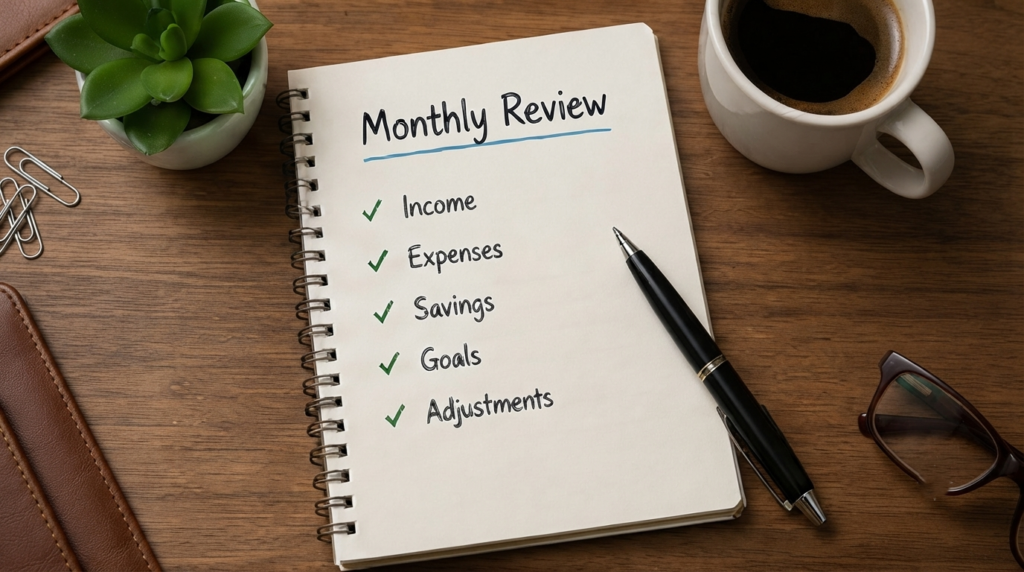
Review and Adjust Your Budget
Life changes, and your budget should change with it.
Review your budget every month by asking:
- Did I overspend?
- Which categories need adjustment?
- Did I reach my savings goal?
- Are my expenses increasing?
Small monthly improvements are far more effective than creating a brand-new budget every few weeks.
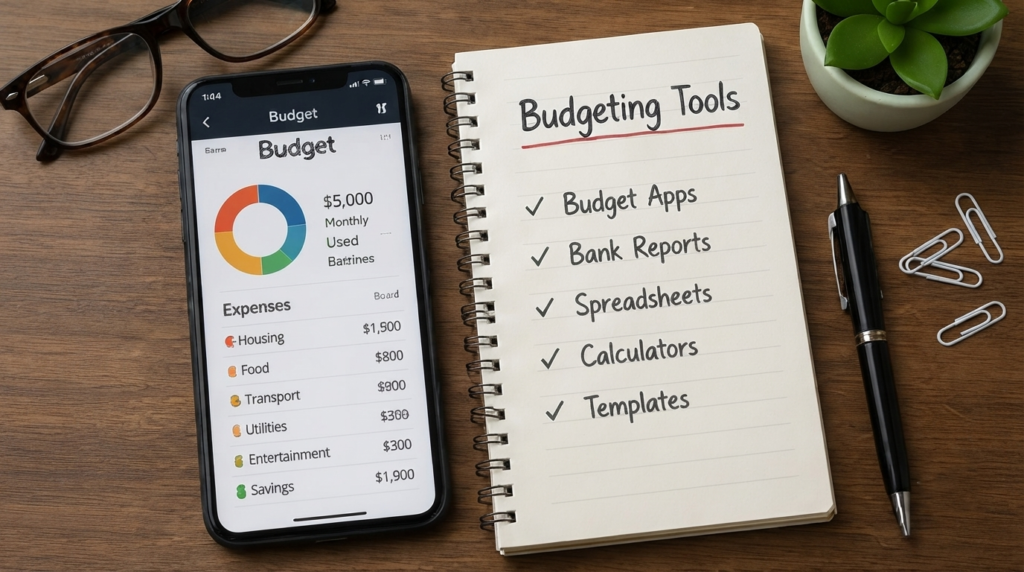
Helpful Budgeting Tools
Technology makes budgeting much easier today.
Consider using:
- Budget tracking apps
- Banking expense reports
- Spreadsheet templates
- Savings calculators
Choose whichever tool you’ll actually use consistently. The best budgeting system is the one you stick with.
Conclusion
Learning how to create a budget that actually works isn’t about restricting yourself—it’s about making intentional financial decisions that support the life you want. Start by understanding your income, tracking your spending, setting realistic goals, and reviewing your progress regularly.
Remember, no budget is perfect from day one. The key is consistency, flexibility, and continuous improvement. At Read Hub, we believe that smart money management is a skill anyone can develop with the right guidance and habits.
If you have any questions or concerns regarding this topic, feel free to contact us through our Contact Us page or reach out via the WhatsApp button available on Read Hub. We’re always happy to help!
FAQ
1. What is the easiest budgeting method for beginners?
The 50/30/20 budgeting rule is one of the simplest methods because it divides income into needs, wants, and savings.
2. How often should I review my budget?
Review your budget at least once a month to adjust for changing expenses and financial goals.
3. Should I budget if my income changes every month?
Yes. Use your average monthly income from the past several months and base your budget on the lowest expected income.
4. How much should I save in an emergency fund?
Start with $500–$1,000, then gradually build savings equal to three to six months of living expenses.
5. Can budgeting still include entertainment spending?
Absolutely. A realistic budget should include money for hobbies, dining out, and entertainment to make it sustainable over time.