

Good money habits can make everyday life much easier. You don’t need a huge income or complicated investment strategy to get better control of your finances. What matters most is knowing where your money goes, planning ahead, and making thoughtful decisions before you spend. These money management tips are designed for anyone who wants to build healthier financial habits, whether you’re just starting your first job or trying to improve an existing budget. From tracking expenses to building an emergency fund, small changes can gradually create a much stronger financial foundation. Read Hub brings you seven practical habits you can start using today.

1. Create a Realistic Monthly Budget
A budget gives your money a direction. Instead of wondering where your paycheck disappeared, you’ll know how much is available for bills, savings, food, transportation, and personal spending.
Start by calculating your monthly income and essential expenses. Then assign reasonable amounts to savings and flexible spending.
Don’t create a budget that is impossible to follow. A realistic plan that you can maintain every month is much more useful than an extremely strict budget you’ll abandon after a few weeks.
Practical tip: Review your budget at the end of each month and adjust categories that consistently go over or under your target.

2. Track Every Major Expense
Budgeting works best when you know your actual spending habits. Track purchases such as groceries, subscriptions, transportation, online shopping, and entertainment.
You can use a spreadsheet, budgeting app, or simple notes on your phone. The method doesn’t matter as much as consistency.
After a month, look for patterns. You may discover that several small purchases are taking up more money than expected.
Practical tip: Separate expenses into three groups: needs, wants, and unnecessary purchases. This makes it easier to identify where you can cut back.

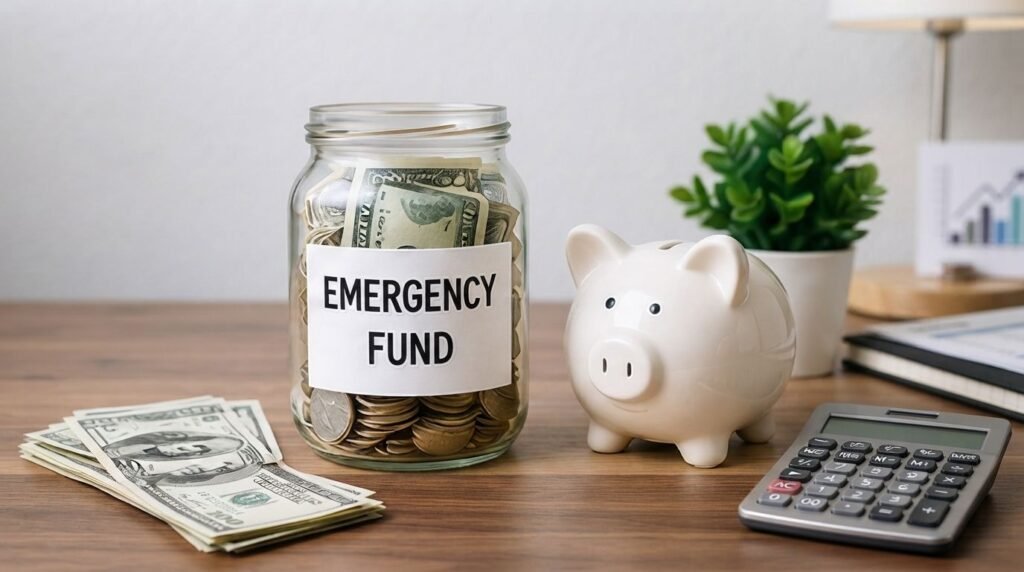
3. Build an Emergency Fund
Unexpected expenses can quickly damage an otherwise healthy budget. Car repairs, urgent travel, replacing a broken appliance, or a sudden loss of income can all create financial pressure.
An emergency fund gives you a safety cushion so you don’t have to depend immediately on credit cards or loans.
Start with a small target if necessary. Even saving a modest amount every month is progress. Once you have a basic cushion, gradually work toward covering several months of essential expenses.
Practical tip: Keep emergency savings separate from your everyday spending account so you’re less tempted to use it for non-essential purchases.
4. Control Unnecessary Spending
Saving money doesn’t mean you have to stop enjoying life. The goal is to spend intentionally rather than buying things simply because they’re convenient or on sale.
Before making a non-essential purchase, ask yourself whether you actually need it and whether it fits your monthly budget.
Small habits can help. Cancel subscriptions you rarely use, compare prices before large purchases, and avoid impulse shopping when possible.
Practical tip: Try a 24-hour waiting rule for non-essential purchases. If you still want the item the next day and it fits your budget, you can make a more considered decision.

5. Pay Down High-Interest Debt
High-interest debt can make it difficult to build savings because a significant portion of your money goes toward interest.
Make a list of your debts, including balances, interest rates, and minimum payments. Continue making required payments while putting extra money toward high-interest balances whenever possible.
Two common approaches are the debt avalanche, which prioritizes the highest interest rate, and the debt snowball, which focuses on the smallest balance first.
Practical tip: Avoid taking on new unnecessary debt while you’re working to reduce existing balances.

6. Set Clear Financial Goals
Saving becomes easier when you know what you’re saving for. Instead of simply saying, “I want to save more,” create specific goals.
Your goal might be building an emergency fund, paying for education, buying a vehicle, taking a vacation, or preparing for a future home.
Give each goal a target amount and timeframe. Then calculate how much you need to save regularly to get there.
Practical tip: Keep short-term and long-term goals separate. This helps you stay focused without using money intended for an important future expense.

7. Save Automatically and Consistently
One of the simplest money management habits is to save before you have an opportunity to spend the money.
If your bank allows it, schedule an automatic transfer to your savings account after receiving your income. Even a small recurring amount can grow significantly over time.
The key is consistency rather than trying to save a huge amount occasionally. As your income increases, consider increasing your automatic savings contribution as well.
Practical tip: Treat savings like a regular bill. Put it into your monthly budget instead of waiting to see what’s left at the end of the month.

Conclusion
These money management tips aren’t about becoming extremely strict with every rupee or dollar you earn. They’re about creating a system that helps you spend intentionally, save consistently, handle unexpected costs, and work toward meaningful financial goals.
Start with one or two habits and build from there. Once budgeting, tracking expenses, and saving become part of your routine, managing money can feel much less stressful. For more practical financial and lifestyle guidance, keep exploring Read Hub.
If you have any questions or concerns regarding this topic, feel free to contact us through our Contact Us page or reach out via the WhatsApp button available on Read Hub. We’re always happy to help!
FAQ
What is the most important money management tip?
Creating a realistic budget is a strong starting point because it helps you understand your income, expenses, savings, and spending limits.
How can beginners start managing money?
Start by tracking your income and expenses, creating a basic monthly budget, reducing unnecessary spending, and putting aside a small amount for emergencies.
How much should I save every month?
There is no single amount that works for everyone. Start with an amount you can consistently afford, then increase it as your income and financial situation improve.
Should I save money or pay off debt first?
It depends on your situation. Maintaining some emergency savings while prioritizing high-interest debt is often a practical approach.
How can I stop overspending?
Track your purchases, create spending limits, remove unnecessary subscriptions, and give yourself time to think before making non-essential purchases.