
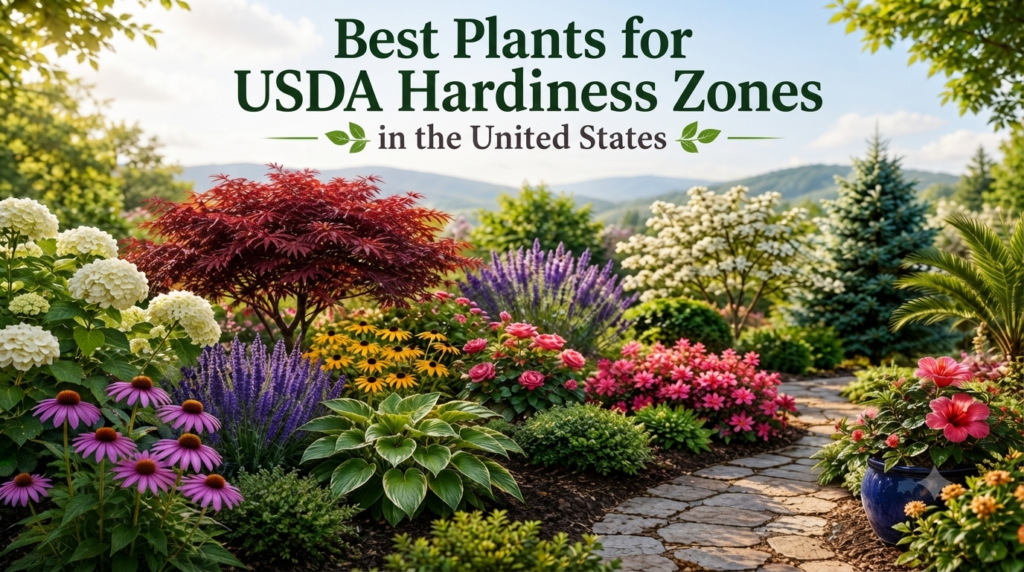
Choosing the right plants for your garden isn’t just about appearance—it starts with understanding your climate. The Best Plants for USDA Hardiness Zones are those naturally suited to your region’s average winter temperatures, giving them the best chance to thrive year after year. Whether you’re creating a colorful flower bed, planting shade trees, or designing a low-maintenance landscape, selecting zone-appropriate plants can save time, money, and frustration.
In this guide, Read Hub explains how USDA hardiness zones work and highlights some of the best plants for different regions across the United States. With the right choices, you can enjoy a healthier, more vibrant garden in every season.
Understanding USDA Hardiness Zones
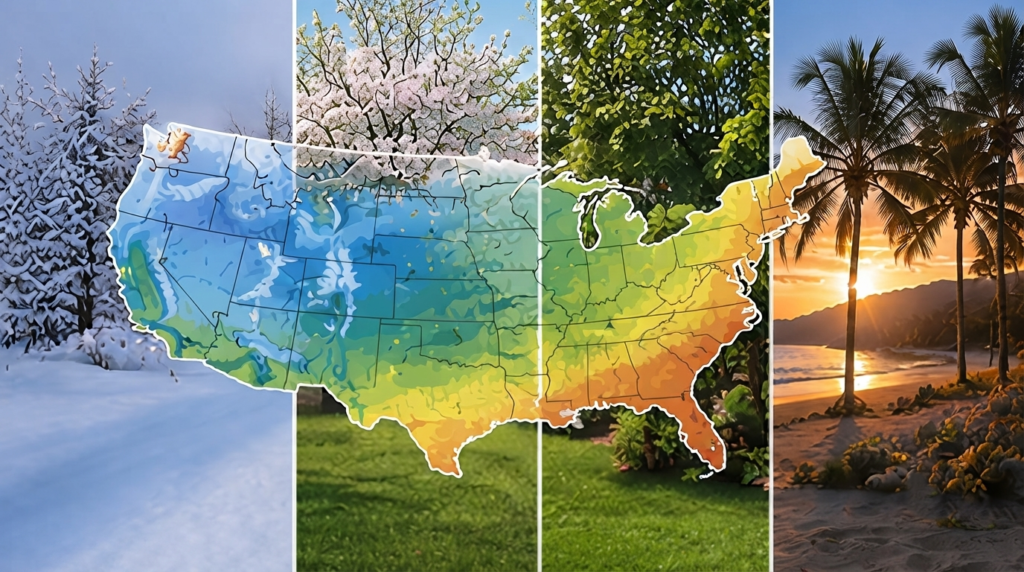
The USDA Plant Hardiness Zone Map divides the United States into planting zones based on the average annual minimum winter temperature. Zones range from 1 (coldest) to 13 (warmest), although most of the continental U.S. falls between Zones 3 and 10.
Knowing your hardiness zone helps you:
- Choose plants that survive local winters.
- Reduce plant loss and replacement costs.
- Improve flowering and fruit production.
- Build a healthier, low-maintenance landscape.
- Plan seasonal gardening with confidence.
While hardiness zones are important, also consider soil type, sunlight, rainfall, and humidity when selecting plants.
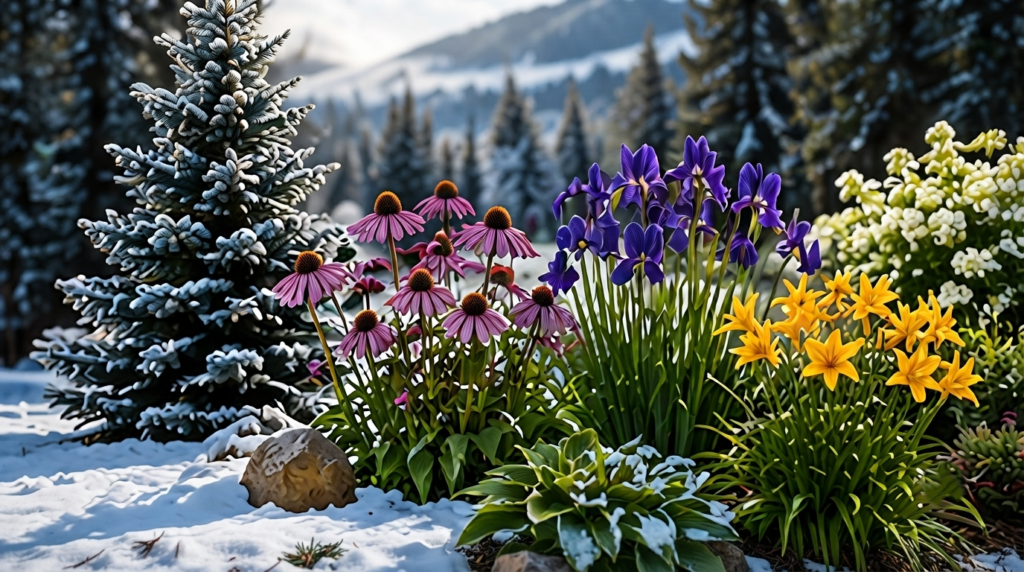
Zone 3: Best Plants for Very Cold Climates
Gardeners in Zone 3 face long, harsh winters, but many beautiful plants are well adapted to these conditions.
Recommended Plants
Purple Coneflower (Echinacea)
A hardy perennial that produces vibrant purple blooms throughout summer while attracting bees and butterflies.
Siberian Iris
Known for elegant flowers and excellent cold tolerance, Siberian Iris performs well in moist garden beds.
Colorado Blue Spruce
This evergreen tree offers year-round color and thrives in freezing temperatures, making it an excellent landscape centerpiece.
Daylilies
Daylilies return every year with minimal care and provide colorful blooms during the growing season.
Gardening Tip: Apply mulch before winter to protect plant roots from repeated freezing and thawing cycles.
Zone 4: Hardy Garden Favorites
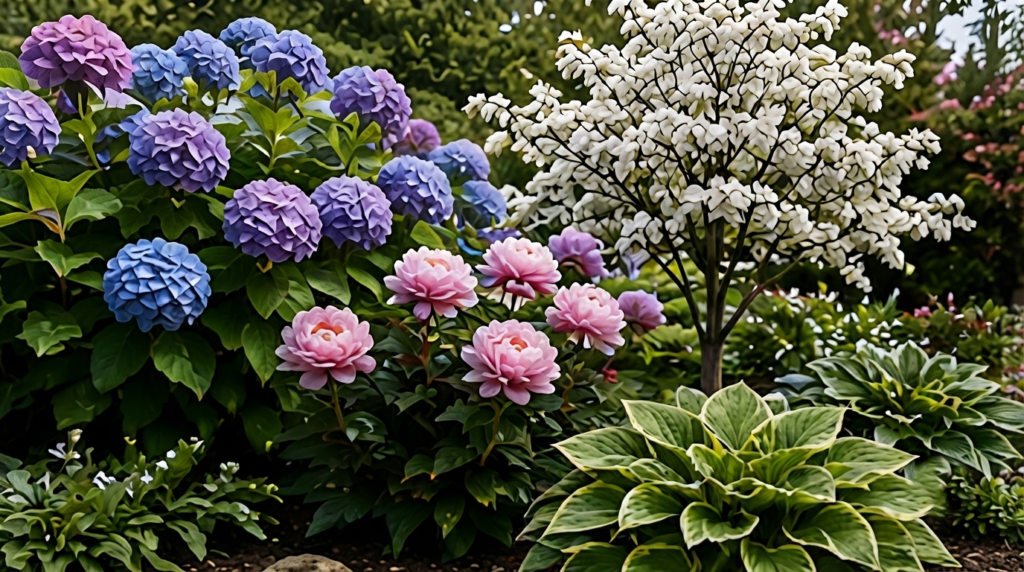
Zone 4 experiences cold winters but enjoys a slightly longer growing season than Zone 3.
Recommended Plants
Hydrangea
Cold-hardy varieties produce stunning blooms from summer into early fall.
Peonies
These long-lived perennials reward gardeners with large, fragrant flowers every spring.
Serviceberry
A small ornamental tree featuring white spring blossoms, edible berries, and brilliant autumn foliage.
Hostas
Ideal for shady gardens, Hostas are valued for their attractive foliage and easy maintenance.
Gardening Tip: Plant perennials in spring or early autumn to encourage strong root development before winter.
Zone 5: Versatile Landscape Plants
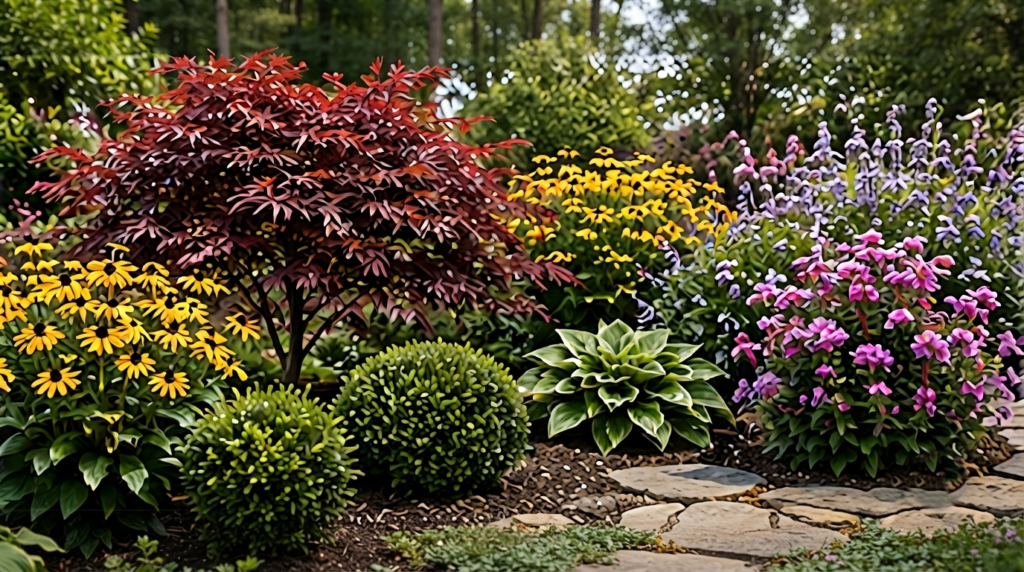
Zone 5 offers gardeners a wider selection of trees, shrubs, flowers, and ornamental grasses.
Recommended Plants
Black-Eyed Susan
This cheerful native flower attracts pollinators while adding bright yellow color to borders and flower beds.
Japanese Maple
Certain cold-hardy varieties provide spectacular foliage from spring through fall.
Boxwood
A favorite evergreen shrub for hedges, borders, and foundation planting due to its dense growth.
Bee Balm
Bee Balm attracts hummingbirds, butterflies, and beneficial pollinators while producing vibrant summer flowers.
Gardening Tip: Group plants with similar watering needs to simplify maintenance and improve overall plant health.
Zone 6: Colorful and Reliable Choices
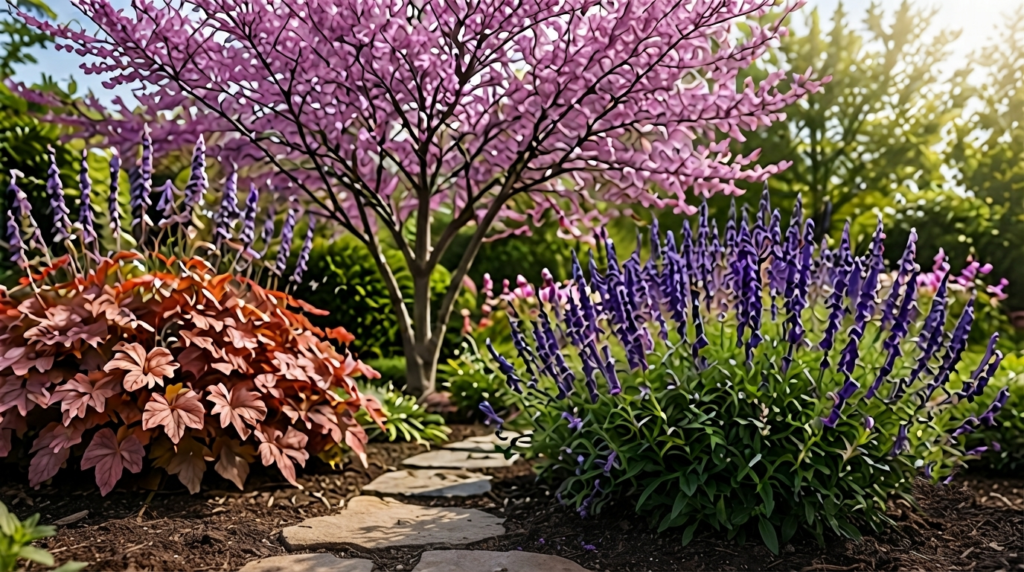
Zone 6 enjoys moderate winters and warm summers, making it one of the most versatile gardening regions in the United States.
Recommended Plants
Lavender
Lavender thrives in sunny locations with well-drained soil and rewards gardeners with fragrant flowers that attract bees and butterflies.
Coral Bells (Heuchera)
Known for their colorful foliage, Coral Bells add year-round interest to borders, containers, and shaded landscapes.
Redbud Tree
This ornamental tree bursts into vibrant pink blooms in early spring before its heart-shaped leaves emerge, creating a stunning focal point.
Salvia
Salvia is drought-tolerant, easy to grow, and produces long-lasting flowers that bring pollinators into the garden throughout the growing season.
Gardening Tip: Improve drainage by mixing compost into heavy soil before planting to encourage stronger root growth.
Zone 7: Heat-Tolerant Beauties
Zone 7 offers mild winters and warm summers, making it ideal for a wide variety of flowering plants, shrubs, and ornamental trees.
Recommended Plants
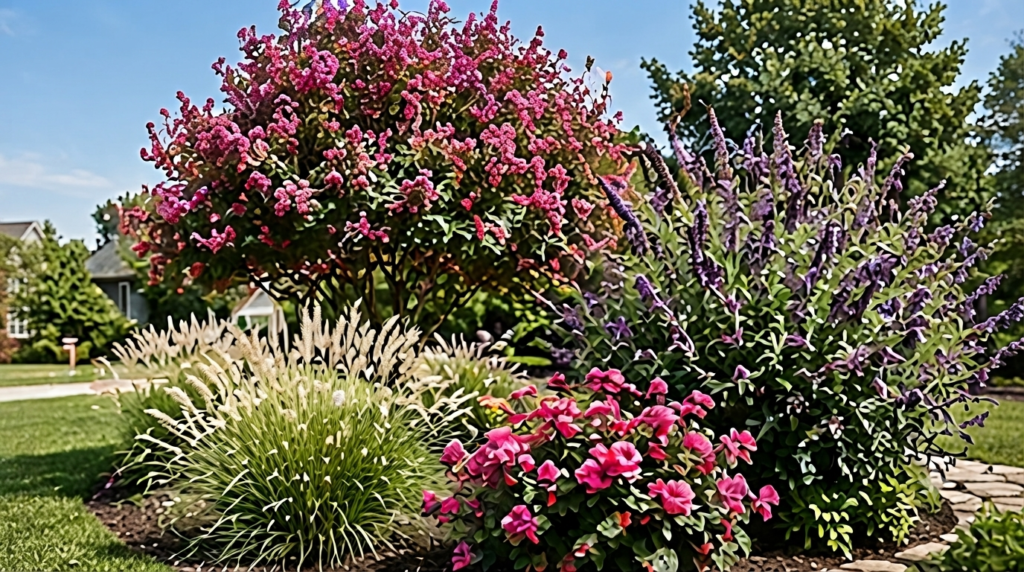
Crape Myrtle
A favorite in many Southern landscapes, Crape Myrtle produces colorful blooms throughout summer and provides attractive bark in winter.
Knock Out® Roses
These disease-resistant roses bloom continuously with minimal maintenance, making them perfect for beginner gardeners.
Butterfly Bush
Known for its long flower spikes, Butterfly Bush attracts butterflies, bees, and hummingbirds while adding vibrant color to the garden.
Ornamental Grasses
Varieties such as Maiden Grass and Fountain Grass provide texture, movement, and year-round visual appeal.
Gardening Tip: Water deeply during extended dry periods instead of watering lightly every day.
Zone 8: Southern Garden Favorites
Zone 8 gardeners enjoy a long growing season and relatively mild winters, allowing many ornamental and edible plants to flourish.
Recommended Plants
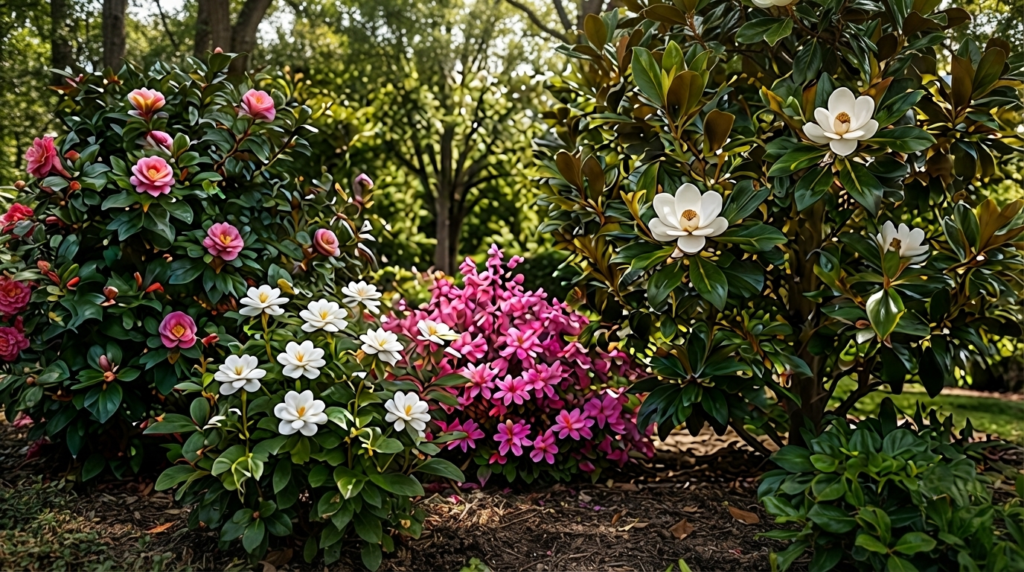
Camellia
Camellias produce beautiful blooms during late fall, winter, or early spring when many other plants are dormant.
Gardenia
Famous for its fragrant white flowers, Gardenia thrives in warm climates with slightly acidic soil.
Azalea
Available in a wide range of colors, Azaleas create spectacular spring displays and perform well in partial shade.
Southern Magnolia
This iconic evergreen tree features glossy leaves and large, fragrant white flowers throughout the warmer months.
Gardening Tip: Add organic mulch to help retain soil moisture and reduce weed growth during hot summers.
Zone 9: Warm Climate Plants
Gardeners in Zone 9 benefit from mild winters and extended growing seasons, making it possible to grow many flowering and tropical plants.
Recommended Plants
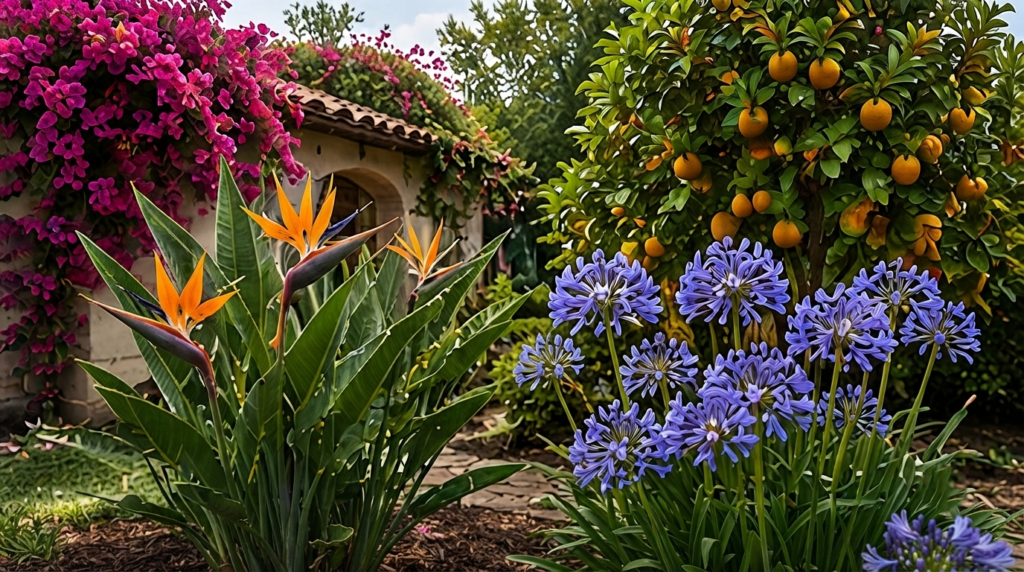
Bougainvillea
This vibrant climbing plant delivers brilliant color throughout much of the year and thrives in full sun.
Bird of Paradise
Its unique flowers create a tropical feel while requiring relatively little maintenance once established.
Citrus Trees
Lemon, lime, and orange trees grow exceptionally well in many Zone 9 locations, producing fresh fruit for home gardens.
Agapanthus
Also known as Lily of the Nile, Agapanthus produces striking blue or white flower clusters during summer.
Gardening Tip: Water deeply but less frequently to encourage stronger, drought-resistant root systems.
Zone 10–11: Tropical and Subtropical Plants
These warmest USDA hardiness zones allow gardeners to grow lush tropical landscapes with minimal concern about freezing temperatures.
Recommended Plants
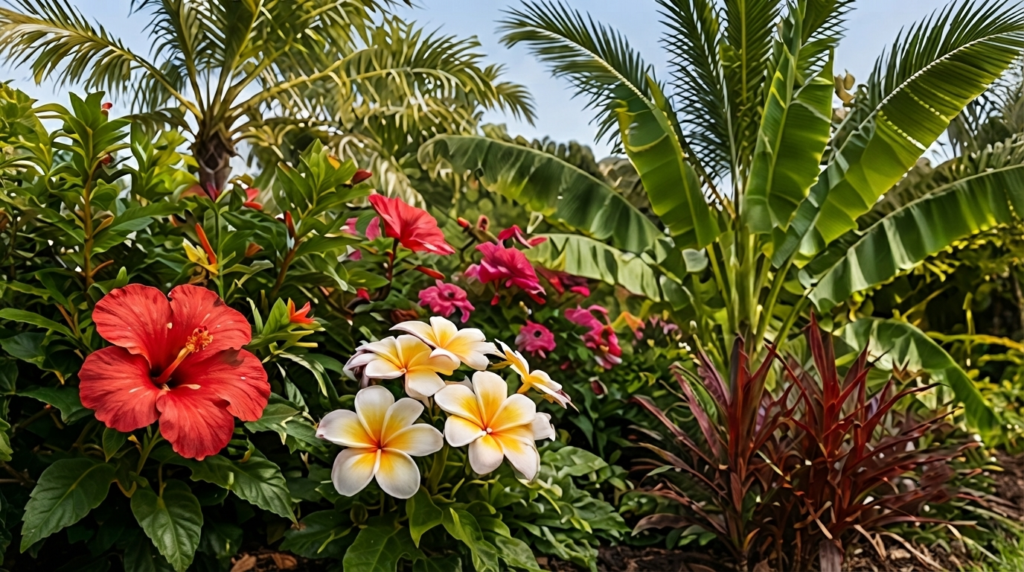
Hibiscus
Large, colorful blooms make Hibiscus one of the most popular tropical flowering plants.
Plumeria
Known for its fragrant flowers, Plumeria is commonly grown in warm coastal regions and tropical gardens.
Banana Plant
While often grown for its dramatic foliage, certain varieties also produce edible fruit in suitable climates.
Palm Trees
Palm varieties such as Areca and Queen Palm create an unmistakable tropical atmosphere in residential landscapes.
Gardening Tip: During unusually cool weather, protect young tropical plants with frost cloth if temperatures unexpectedly drop.
Tips for Choosing Plants by USDA Hardiness Zone
Selecting plants based on your USDA zone is only the first step toward a successful garden. Keep these additional tips in mind:
- Verify your current USDA hardiness zone before purchasing plants.
- Read plant labels carefully for light and spacing requirements.
- Match plants to your soil type and drainage conditions.
- Choose native plants whenever possible for improved resilience.
- Mix trees, shrubs, perennials, and annuals for year-round interest.
- Group plants with similar water needs together.
- Improve soil with compost before planting.
- Monitor local weather patterns, as microclimates can affect plant performance.
A thoughtful planting plan will help your landscape remain healthy, attractive, and easier to maintain throughout the year.
Conclusion
Choosing the Best Plants for USDA Hardiness Zones is one of the smartest ways to create a thriving, low-maintenance garden. By selecting plants suited to your local climate, you’ll enjoy healthier growth, stronger blooms, and fewer gardening challenges throughout the seasons.
Whether you live in a cold northern region or a warm southern climate, matching plants to your USDA zone ensures long-term success. At Read Hub, we encourage gardeners to combine hardiness zone knowledge with proper soil preparation, watering, and sunlight to build landscapes that flourish year after year.
If you have any questions or concerns regarding this topic, feel free to contact us through our Contact Us page or reach out via the WhatsApp button available on Read Hub. We’re always happy to help!
FAQ
1. What is a USDA Hardiness Zone?
A USDA Hardiness Zone is a geographic area based on average annual minimum winter temperatures, helping gardeners choose plants that can survive local climates.
2. How do I find my USDA hardiness zone?
You can determine your zone by using the USDA Plant Hardiness Zone Map and entering your ZIP code or location.
3. Can plants grow outside their recommended hardiness zone?
Some plants may survive with extra protection, but choosing plants within your zone offers the best chance for healthy growth.
4. Are native plants better for my garden?
In many cases, yes. Native plants are naturally adapted to local conditions and often require less water, fertilizer, and maintenance.
5. Why is soil quality important even if I know my hardiness zone?
Healthy soil provides nutrients, proper drainage, and strong root development, all of which are essential for plant success.
6. Do USDA zones change over time?
Yes. The USDA periodically updates its hardiness zone map based on long-term climate data, so it’s worth checking the latest version occasionally.
7. Can I grow tropical plants in colder zones?
Yes, but they usually need to be grown in containers and moved indoors during winter or protected from freezing temperatures.
8. What are the easiest plants for beginners?
Daylilies, Hostas, Lavender, Black-Eyed Susans, Boxwood, and Knock Out® Roses are all beginner-friendly choices in the right USDA zones.