
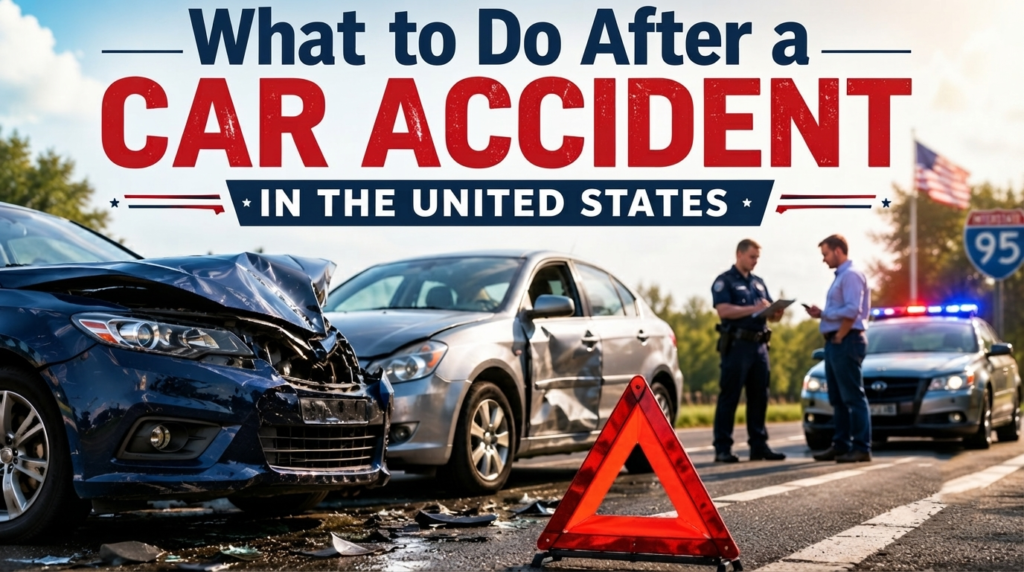
A car accident can happen when you least expect it. Whether it’s a minor fender bender or a more serious collision, knowing what to do after a car accident in the United States can make a significant difference in protecting your health, your legal rights, and your finances. Staying calm and taking the right steps immediately after the accident helps reduce stress and ensures you have the information needed for insurance claims or legal matters.
In this guide, Read Hub walks you through the essential actions every driver should take after a car accident, helping you stay prepared and confident if the unexpected happens.
Check for Injuries and Stay Safe
Your first priority after any accident is safety. Take a deep breath and assess yourself, your passengers, and anyone else involved for injuries.
If possible:
- Turn on your hazard lights.
- Move your vehicle to a safe location if it’s creating a traffic hazard.
- Stay away from moving traffic.
- Call emergency services immediately if anyone is injured.
Never leave the scene of an accident, even if it appears minor. Leaving could lead to legal consequences depending on your state’s laws.
Safety Tip: If your vehicle cannot be moved, remain inside with your seatbelt fastened until it’s safe to exit.

Call 911 and Report the Accident
In many situations, calling the police is essential. An official accident report can become valuable evidence when filing an insurance claim or resolving disputes.
When speaking with emergency dispatchers:
- Provide your exact location.
- Explain whether anyone is injured.
- Describe the number of vehicles involved.
- Mention any road hazards, fires, or blocked traffic lanes.
Once officers arrive, answer questions honestly but avoid guessing or admitting fault. Let the investigation determine what happened.
A copy of the police report can be helpful when working with insurance companies later.

Exchange Information with Other Drivers
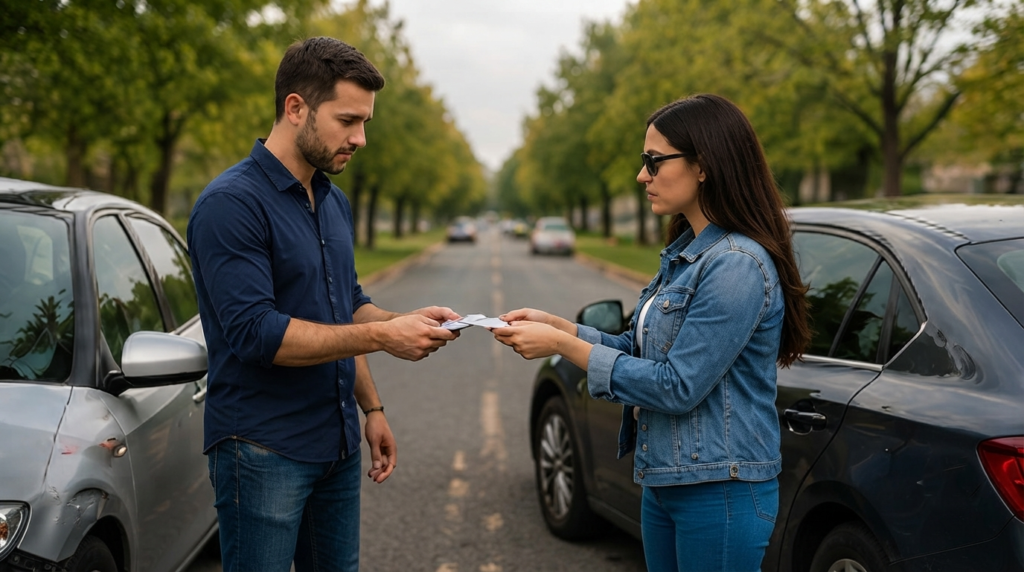
After ensuring everyone’s safety, exchange important details with the other driver or drivers involved.
Collect the following information:
- Full name
- Phone number
- Home address
- Driver’s license number
- Insurance company name
- Policy number
- Vehicle registration
- License plate number
- Vehicle make, model, and color
If there are witnesses nearby, politely ask for their names and contact information. Independent witnesses can provide valuable statements if there is disagreement about how the accident occurred.
Remain courteous during the conversation and avoid discussing who caused the crash.
Document the Accident Scene
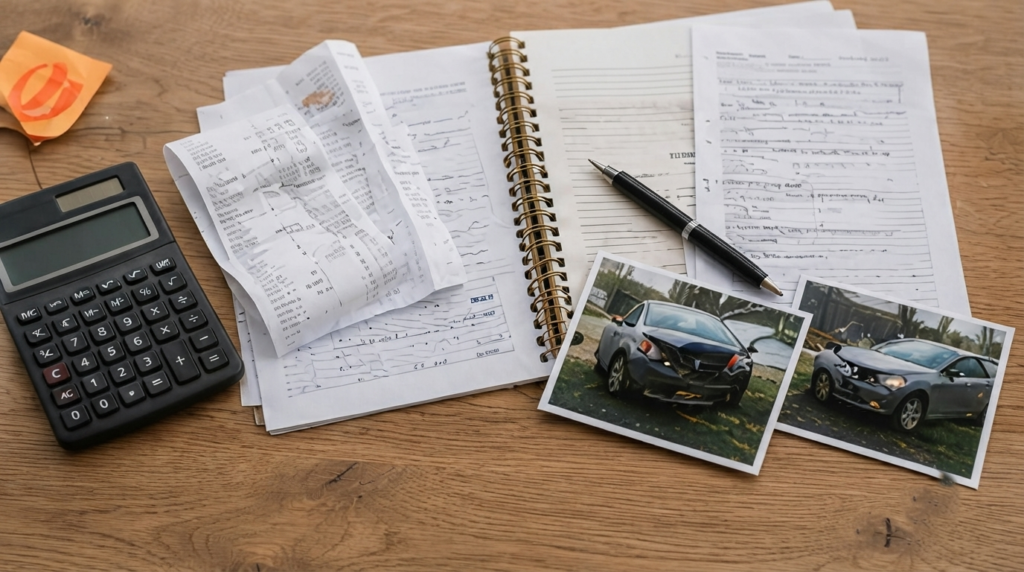
One of the most important things you can do after a collision is gather evidence before vehicles are moved or the scene changes.
Take clear photos of:
- Vehicle damage from multiple angles
- License plates
- Road conditions
- Traffic signs and signals
- Tire marks
- Debris
- Weather conditions
- Visible injuries (if appropriate)
You should also make notes about:
- Time and date
- Exact location
- Direction each vehicle was traveling
- Speed limits
- Traffic flow
The more documentation you have, the easier it becomes to support your insurance claim.

Notify Your Insurance Company
Report the accident to your insurance provider as soon as possible. Most insurers expect policyholders to notify them promptly, even if the accident seems minor.
When speaking with your insurer:
- Stick to the facts.
- Provide the police report number if available.
- Share photos and documentation.
- Explain what happened without speculating.
Your insurance company will guide you through the claims process, vehicle inspections, repair estimates, and any additional paperwork required.
Avoid delaying your report, as late notification could complicate your claim in some situations.
Seek Medical Attention
Even if you feel fine after a collision, it’s important to get checked by a healthcare professional. Some injuries, such as whiplash, concussions, or internal injuries, may not show symptoms immediately.
Medical records also play a crucial role if you later file an insurance claim or seek compensation for injuries.
Helpful Tips:
- Visit an emergency room or urgent care if necessary.
- Follow your doctor’s treatment plan.
- Keep copies of all medical reports, prescriptions, and bills.
- Attend all follow-up appointments.
Putting off medical care could affect both your recovery and any future insurance or legal claims.

Understand Your Legal Rights
Every state has different traffic laws and insurance regulations, so it’s important to understand your rights after an accident.
You may have the right to:
- File an insurance claim.
- Request a copy of the police report.
- Seek compensation for vehicle damage.
- Recover medical expenses.
- Receive payment for lost wages in eligible cases.
Avoid signing documents or accepting settlements before fully understanding what you’re agreeing to, especially if injuries or significant damage are involved.

Keep Records of Expenses and Repairs
Good recordkeeping makes the claims process much smoother.
Create a file containing:
- Medical bills
- Repair estimates
- Repair invoices
- Rental car receipts
- Towing bills
- Insurance correspondence
- Police reports
- Photos and videos
- Witness contact details
Keeping everything organized helps if questions arise later or if additional documentation is requested.
Avoid Common Mistakes After an Accident
Many drivers unintentionally make mistakes that can complicate insurance claims or legal matters.
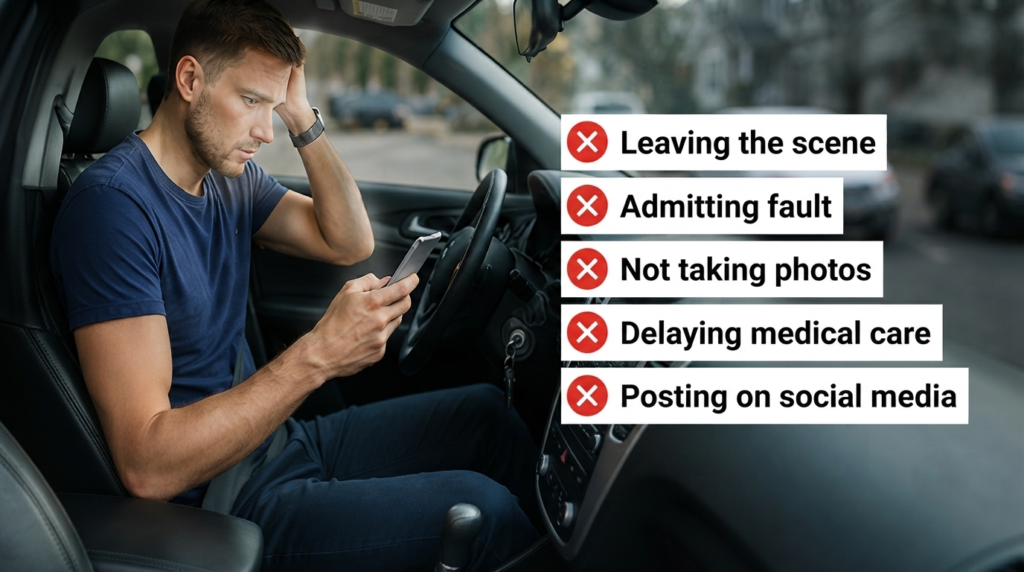
Avoid these common errors:
- Leaving the accident scene too soon.
- Admitting fault before the investigation is complete.
- Forgetting to take photos.
- Ignoring minor injuries.
- Delaying notification to your insurance company.
- Posting accident details on social media.
- Throwing away receipts or repair documents.
Staying calm and following the proper steps can prevent unnecessary complications.
Know When to Contact a Lawyer
Not every accident requires legal representation, but certain situations may benefit from professional legal advice.
Consider speaking with an attorney if:
- Someone suffered serious injuries.
- Liability is disputed.
- Your insurance claim is denied.
- Multiple vehicles were involved.
- A commercial truck was part of the accident.
- You’re offered a settlement that seems unfair.
An experienced attorney can explain your options and help protect your interests when complex situations arise.

Conclusion
Knowing what to do after a car accident in the United States can help you stay calm, protect your health, and make the claims process much easier. From ensuring everyone’s safety and contacting emergency services to documenting the scene and notifying your insurance company, every step plays an important role in protecting your rights.
At Read Hub, we encourage every driver to familiarize themselves with these essential steps before an accident ever happens. Being prepared can make a stressful situation much more manageable and help you recover with confidence.
If you have any questions or concerns regarding this topic, feel free to contact us through our Contact Us page or reach out via the WhatsApp button available on Read Hub. We’re always happy to help!
FAQ
1. What should I do immediately after a car accident?
Check for injuries, move to a safe location if possible, turn on your hazard lights, and call 911 if anyone is injured or the accident is serious.
2. Should I call the police after a minor accident?
In many cases, yes. A police report can be valuable for insurance claims and may be required under your state’s laws.
3. What information should I exchange with the other driver?
Exchange names, contact details, driver’s license numbers, insurance information, vehicle registration, and license plate numbers.
4. Do I need to report the accident to my insurance company?
Yes. Notify your insurer as soon as possible, even if the damage appears minor.
5. Why should I take photos after an accident?
Photos provide evidence of vehicle damage, road conditions, traffic signs, and other details that can support your insurance claim.
6. Should I see a doctor if I don’t feel injured?
Yes. Some injuries may not appear immediately, and a medical evaluation creates an official record if symptoms develop later.
7. When should I hire a car accident lawyer?
Consider consulting a lawyer if there are serious injuries, disputed liability, denied insurance claims, or complex legal issues.
8. Can I admit fault at the accident scene?
It’s best to avoid admitting fault. Stick to the facts and allow the police and insurance companies to determine responsibility.