

Legal disputes don’t always require expensive attorneys or lengthy courtroom battles. If you’re dealing with a relatively small financial dispute, small claims court offers a faster and more affordable way to resolve the issue. Whether you’re trying to recover unpaid money, settle a contract disagreement, or seek compensation for damaged property, understanding how the process works can save both time and stress.
In this Ultimate Guide to Small Claims Court in America, Read Hub explains the basics of filing a claim, preparing your case, and understanding what happens during the court process. While procedures vary by state, the overall process is similar across the United States.
What Is Small Claims Court?
Small claims court is a special court designed to handle relatively low-value civil disputes quickly and with less complexity than traditional court cases. It gives individuals and small businesses a simple way to resolve disagreements without the high legal costs often associated with larger lawsuits.
Each state sets its own claim limits, filing fees, and procedures, so it’s important to check the rules where your case will be filed.

When Should You Use Small Claims Court?
Small claims court is appropriate when someone owes you money or has caused financial loss, and you’re seeking compensation within your state’s claim limit. Many people use it because the process is straightforward, affordable, and often doesn’t require hiring an attorney.
However, small claims court is generally intended for civil matters, not criminal cases or complex legal disputes involving large amounts of money.

Cases Commonly Handled
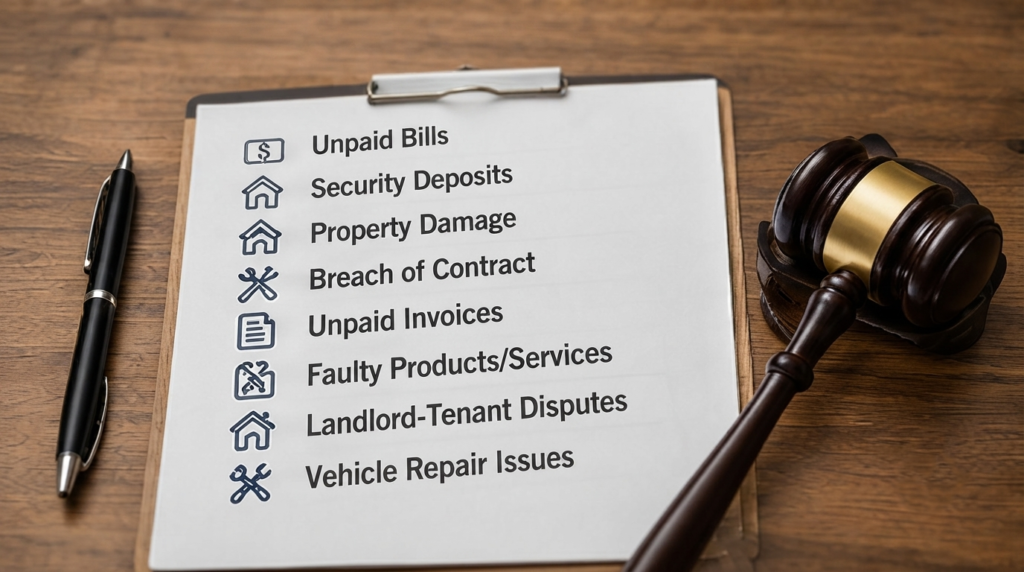
Small claims courts hear many everyday legal disputes. Some of the most common cases include:
- Unpaid loans between individuals
- Security deposit disputes
- Property damage claims
- Breach of simple contracts
- Unpaid invoices
- Faulty products or services
- Minor landlord-tenant disagreements
- Vehicle repair disputes
These cases are typically resolved more quickly than traditional civil lawsuits.
Who Can File a Claim?
In most states, adults, businesses, landlords, tenants, and independent contractors can file a claim if they meet the court’s requirements. The person filing the case, known as the plaintiff, must provide enough evidence to support their claim.
Before filing, it’s usually recommended to try resolving the dispute directly with the other party. Courts often appreciate evidence showing that reasonable efforts were made before legal action was taken.

Filing Your Small Claims Case
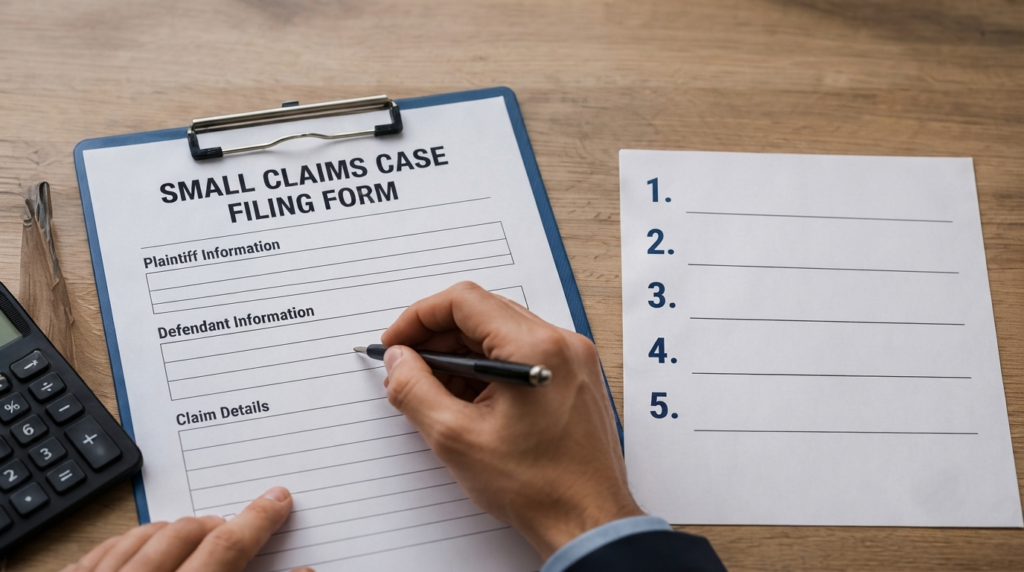
The first step is identifying the correct court based on where the defendant lives or where the dispute occurred. You’ll complete a claim form, pay the required filing fee, and officially notify the other party according to your state’s rules.
After filing, the court schedules a hearing date where both sides can present their evidence. Missing deadlines or providing incomplete information may delay your case, so reviewing all paperwork carefully is essential.
Before Filing, Make Sure You Have:
- The correct legal name of the defendant
- Copies of contracts, receipts, or invoices
- Photos, emails, or text messages related to the dispute
- Witness information, if available
- Records showing attempts to settle the issue
Preparing Strong Evidence
Good evidence often determines the outcome of a small claims case. Organize your documents in chronological order and bring originals whenever possible. Clear photographs, written agreements, payment records, repair estimates, and communication history can strengthen your position.
Practice explaining your case using simple facts rather than emotions. A clear timeline and organized evidence make it easier for the judge to understand exactly what happened.

What Happens at the Hearing?
On the hearing date, both parties appear before a judge to explain their side of the dispute. Each person has the opportunity to present documents, photographs, receipts, contracts, and witness statements that support their case. The judge may ask questions before making a decision or may issue a ruling shortly after the hearing.
Dress professionally, arrive early, remain respectful, and present only relevant facts. A calm and organized presentation can make your case much stronger.

Court Judgment and Collecting Payment
If the judge rules in your favor, you’ll receive a judgment stating how much money the other party owes. However, winning the case doesn’t always mean immediate payment. If the defendant doesn’t pay voluntarily, you may need to use legal collection methods allowed in your state, such as wage garnishment or bank account levies.
Keep copies of all court documents, as they may be needed if additional collection steps become necessary.

Tips for Improving Your Chances of Success
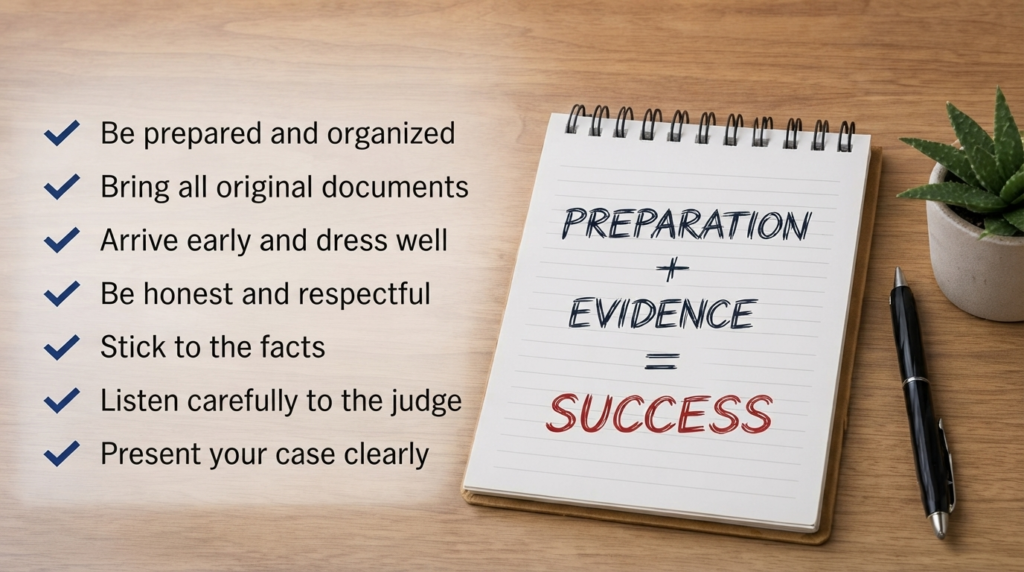
Preparation is one of the biggest factors in a successful small claims case. The stronger your evidence and the clearer your explanation, the easier it is for the judge to understand your position.
Helpful Tips:
- Organize your documents before the hearing.
- Bring original records whenever possible.
- Stay polite and professional.
- Focus on facts instead of emotions.
- Arrive at court early.
- Be ready to answer the judge’s questions clearly.
- Follow all filing deadlines and court instructions.
Conclusion
Understanding Small Claims Court in America can help you resolve everyday financial disputes without the expense and complexity of a traditional lawsuit. By gathering strong evidence, following your state’s filing procedures, and presenting your case clearly, you’ll be better prepared for the court process.
At Read Hub, we aim to make legal topics easier to understand through practical, reliable guides. Remember that court procedures and claim limits vary by state, so always review your local court’s requirements before filing a claim.
If you have any questions or concerns regarding this topic, feel free to contact us through our Contact Us page or reach out via the WhatsApp button available on Read Hub. We’re always happy to help!
FAQ
1. Do I need a lawyer for small claims court?
In most small claims cases, hiring a lawyer isn’t required. The process is designed to allow individuals to represent themselves. As long as you have organized evidence and understand the facts of your case, you can usually present your claim without legal representation.
2. How much money can I claim in small claims court?
The maximum claim amount depends on your state’s laws. Each state sets its own limit, so it’s important to check your local court’s rules before filing. If your claim exceeds the limit, you may need to file in a different civil court.
3. What evidence should I bring to court?
Bring any documents that support your claim, including contracts, receipts, invoices, photographs, emails, text messages, repair estimates, payment records, and witness information. Well-organized evidence helps the judge understand your case more clearly.
4. How long does a small claims case take?
The timeline varies by state and court workload, but many small claims cases are resolved within a few weeks to a few months after filing. Being prepared and submitting complete paperwork can help avoid unnecessary delays.
5. What happens if the other person doesn’t pay after I win?
If the defendant doesn’t pay voluntarily, the court may allow additional legal collection methods, depending on state law. These may include wage garnishment, bank levies, or property liens to help recover the money awarded in the judgment.