

Building a smart home used to be something only tech enthusiasts with large budgets could afford. Fortunately, that’s no longer the case. Today, affordable smart devices make it possible for almost anyone to enjoy the convenience, security, and energy savings of home automation without spending thousands of dollars. Whether you’re moving into your first apartment or upgrading your family home, you can create a connected living space one device at a time. In this Read Hub guide, you’ll learn practical strategies for building a smart home on a budget while choosing devices that offer real value instead of unnecessary features.
Why Build a Budget Smart Home?
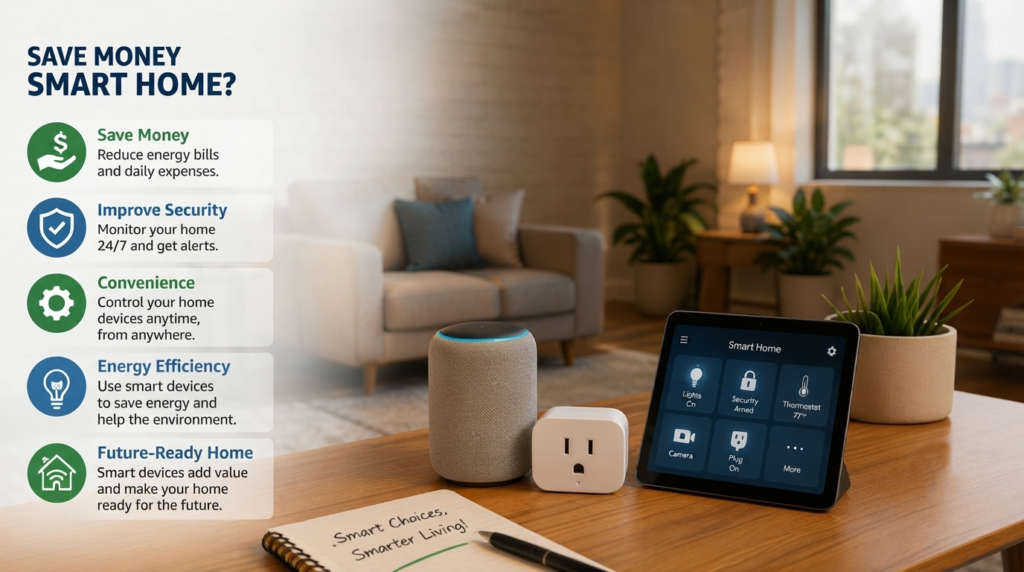
A smart home isn’t just about controlling lights with your phone. The biggest benefits include convenience, improved home security, lower energy bills, and better control over everyday tasks.
Instead of purchasing everything at once, focus on solving small problems. Maybe you want lights that turn off automatically or a doorbell camera that lets you see visitors while you’re away. Buying devices based on your actual needs helps you avoid wasting money.
The good news is that many affordable smart home devices work together through popular ecosystems like Google Home, Amazon Alexa, and Apple HomeKit, making future upgrades much easier.
Start with a Smart Speaker
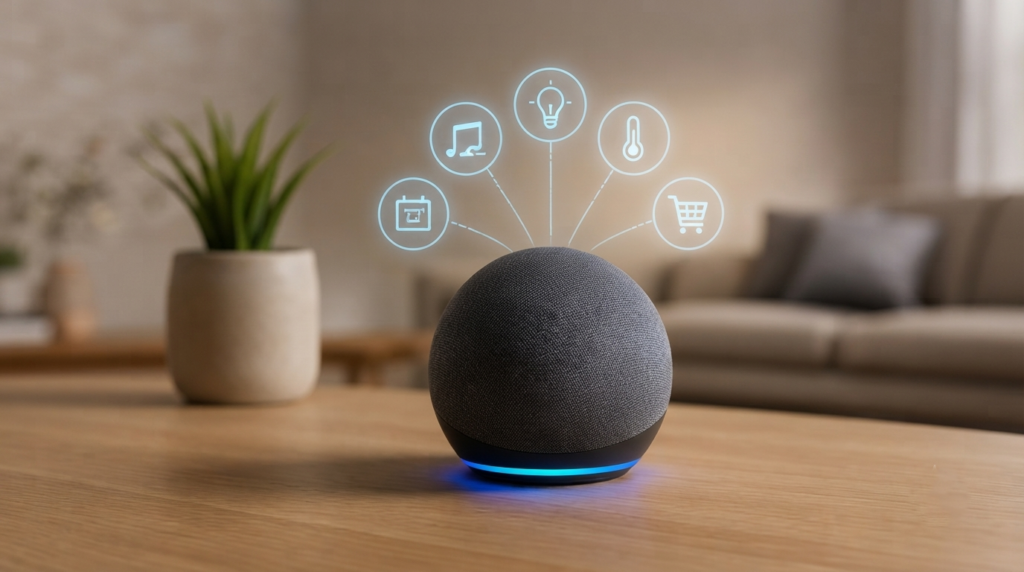
A smart speaker acts as the control center of your smart home. Devices like Amazon Echo or Google Nest Mini let you control compatible gadgets using simple voice commands.
With a smart speaker, you can:
- Turn lights on and off
- Play music
- Set reminders
- Control smart plugs
- Check weather updates
- Create daily routines
Starting here gives you a solid foundation without a significant investment. Many entry-level smart speakers regularly go on sale, making them one of the best first purchases for beginners.
Upgrade Your Lighting
Smart lighting is one of the easiest and most noticeable upgrades you can make.
Instead of replacing every bulb in your house, begin with frequently used rooms such as:
- Living room
- Bedroom
- Kitchen
- Home office
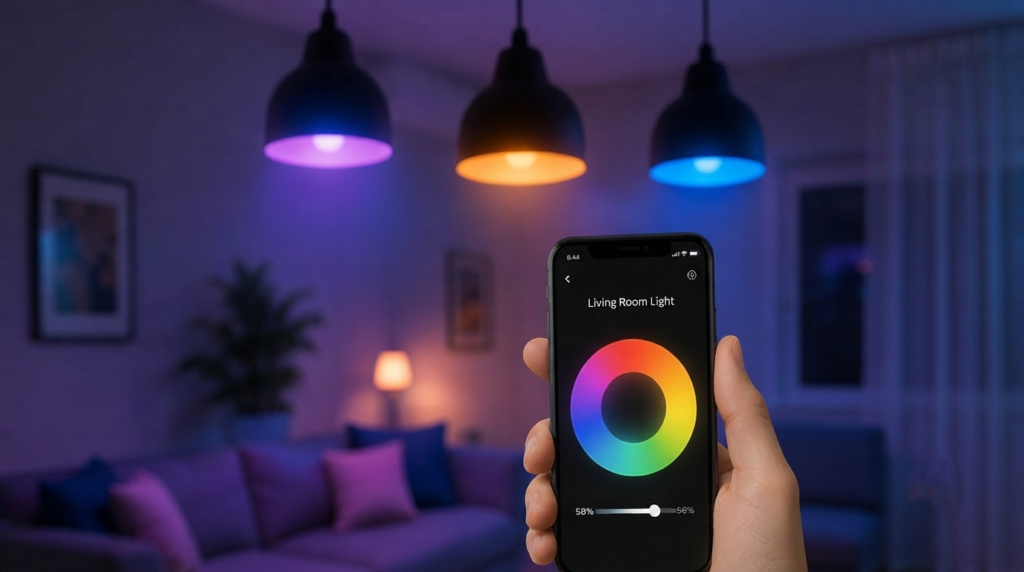
Smart bulbs allow you to:
- Schedule lights automatically
- Dim brightness
- Change colors
- Save electricity
- Control lights remotely
If replacing multiple bulbs feels expensive, consider smart switches instead. They often cost less over time and control multiple lights from one location.
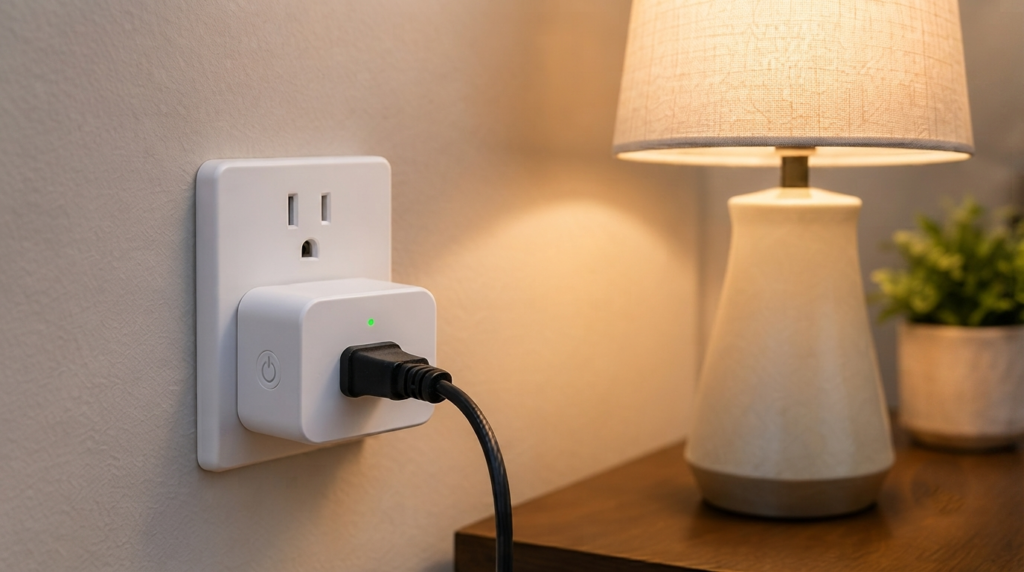
Use Smart Plugs for Instant Automation
Smart plugs are among the most budget-friendly smart home devices available.
Simply plug them into a wall outlet, connect them to Wi-Fi, and control almost any appliance through an app or voice assistant.
They’re perfect for:
- Coffee makers
- Fans
- Lamps
- Holiday decorations
- Phone chargers
- Humidifiers
For example, you can schedule your coffee maker to turn on before you wake up or automatically switch off lamps at bedtime. Small automations like these make daily routines more convenient while helping reduce unnecessary electricity usage.
Improve Home Security Affordably
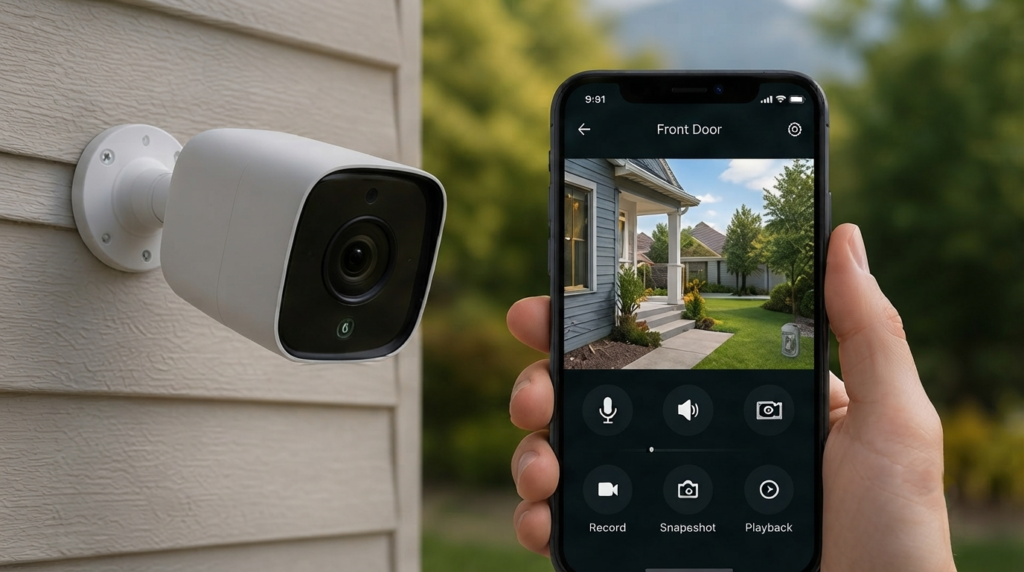
Home security is often one of the biggest reasons people invest in smart home technology. Fortunately, you don’t need an expensive professionally monitored system to protect your home.
Start with essential devices that offer the most value:
- Smart video doorbells
- Indoor security cameras
- Outdoor Wi-Fi cameras
- Smart door locks
- Motion sensors
- Window and door sensors
Many budget-friendly brands provide high-definition video, motion alerts, cloud or local storage, and two-way audio. You can monitor your home from anywhere using your smartphone, giving you peace of mind whether you’re at work or on vacation.
For renters, wireless cameras and battery-powered sensors are excellent choices because they don’t require permanent installation.
Save Money with a Smart Thermostat
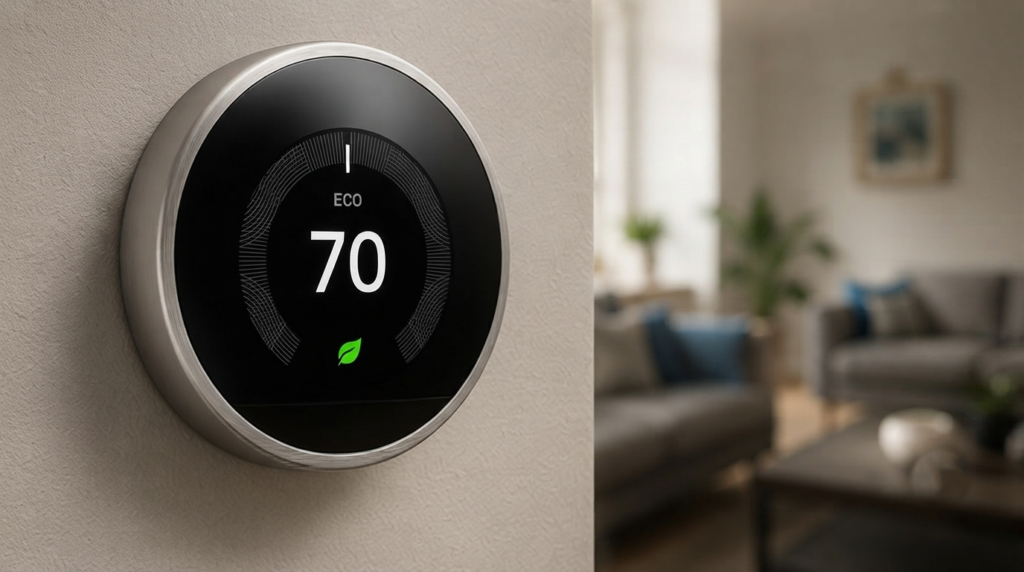
Heating and cooling account for a large portion of household energy costs in the United States. A smart thermostat can help reduce those expenses by learning your routine and automatically adjusting temperatures when you’re away or asleep.
Benefits include:
- Lower monthly utility bills
- Remote temperature control
- Automatic scheduling
- Energy usage reports
- Improved comfort throughout the year
If a smart thermostat is outside your current budget, don’t worry. Start with smart plugs or smart lighting first, then upgrade later as your budget allows.
Remember, building a smart home is a journey—not a one-time purchase.
Expand Your Smart Home Gradually
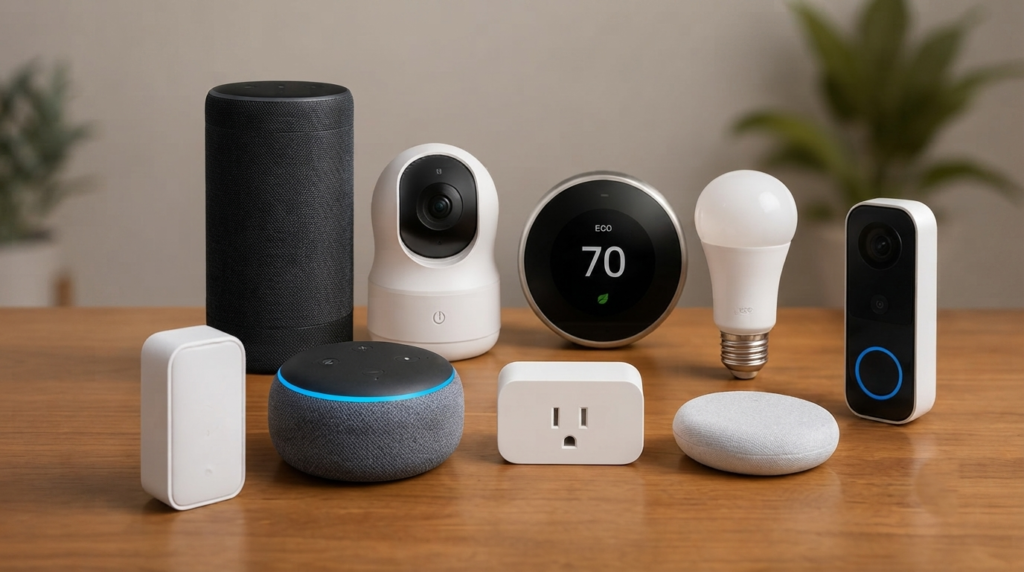
One of the biggest mistakes beginners make is trying to automate everything at once. A better approach is to add devices over time while ensuring compatibility with your chosen smart home ecosystem.
Consider expanding in this order:
- Smart speaker
- Smart plugs
- Smart lighting
- Security cameras
- Smart thermostat
- Smart door lock
- Smart sensors
- Robot vacuum
- Smart blinds
- Smart appliances
Before purchasing any device, always check that it supports your preferred platform, whether that’s Amazon Alexa, Google Home, or Apple HomeKit. Staying within one ecosystem makes setup easier and ensures your devices work together seamlessly.
It’s also worth watching for major shopping events such as Black Friday, Cyber Monday, and Prime Day, where smart home products are often heavily discounted. Buying during sales can save hundreds of dollars over time.
Conclusion
Learning how to build a smart home in America on a budget doesn’t require a massive investment. By starting with affordable devices like smart speakers, smart plugs, and intelligent lighting, you can gradually create a connected home that improves convenience, enhances security, and lowers energy costs.
The key is to prioritize the devices you’ll actually use, choose products that work together, and expand your setup as your needs grow. With careful planning, even a modest budget can deliver an impressive smart home experience.
At Read Hub, we believe smart technology should be practical, affordable, and accessible to everyone. Small upgrades today can make your home more comfortable, efficient, and secure for years to come.
If you have any questions or concerns regarding this topic, feel free to contact us through our Contact Us page or reach out via the WhatsApp button available on Read Hub. We’re always happy to help!
FAQ
1. What is the cheapest way to start a smart home?
Begin with a smart speaker and a few smart plugs. These devices are inexpensive, easy to install, and provide immediate automation benefits.
2. Which smart home ecosystem is best for beginners?
Amazon Alexa and Google Home are excellent choices due to their wide compatibility, affordable devices, and user-friendly setup.
3. Can I build a smart home without hiring professionals?
Yes. Most modern smart home devices are designed for DIY installation and include step-by-step mobile app instructions.
4. Do smart home devices increase electricity usage?
Most smart devices consume very little power. In fact, many help reduce overall energy consumption by automating lighting, heating, and appliance schedules.
5. How much does a budget smart home cost?
A basic smart home setup can start for around $100–$300, depending on the number and type of devices you choose. You can always expand your system over time.