

Nothing brings people together quite like authentic American barbecue. Whether it’s a summer cookout, family gathering, or weekend backyard feast, great BBQ is all about patience, quality ingredients, and bold flavors. America’s legendary pitmasters have spent decades perfecting slow-smoking techniques, homemade rubs, and signature sauces that transform simple cuts of meat into unforgettable meals.
In this guide from Read Hub, you’ll discover some of the best BBQ recipes inspired by famous regional barbecue traditions. From Texas-style brisket to Carolina pulled pork, these recipes combine authentic flavors with practical techniques that anyone can master at home.
What Makes Pitmaster BBQ Special?
The secret behind championship-quality barbecue isn’t expensive equipment—it’s consistency, patience, and understanding how smoke, seasoning, and temperature work together.
Professional pitmasters focus on:
- Low-and-slow cooking
- Quality hardwood smoke
- Balanced spice rubs
- Resting meat before serving
- Homemade BBQ sauces
These simple principles produce tender meat packed with rich, smoky flavor.
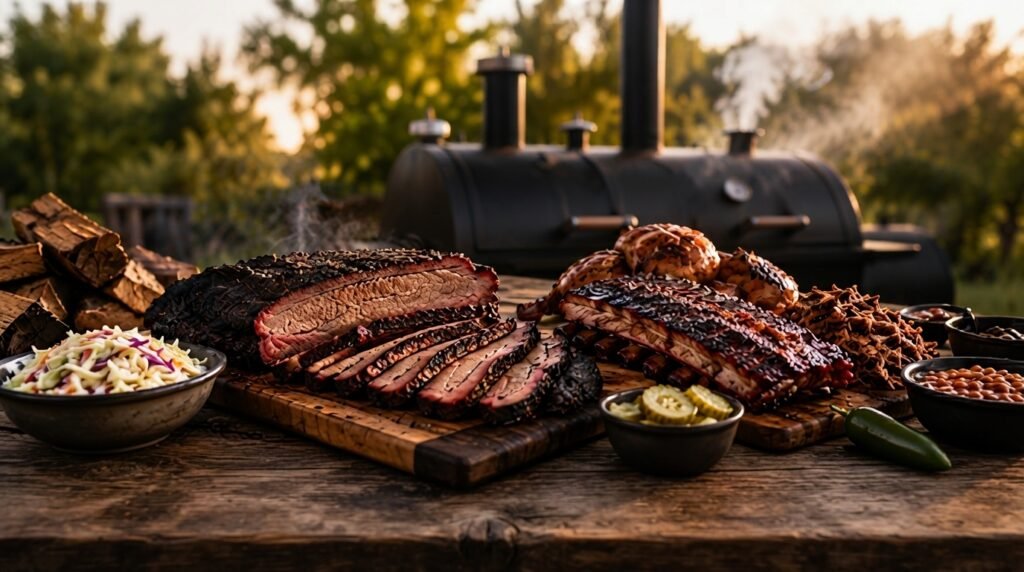
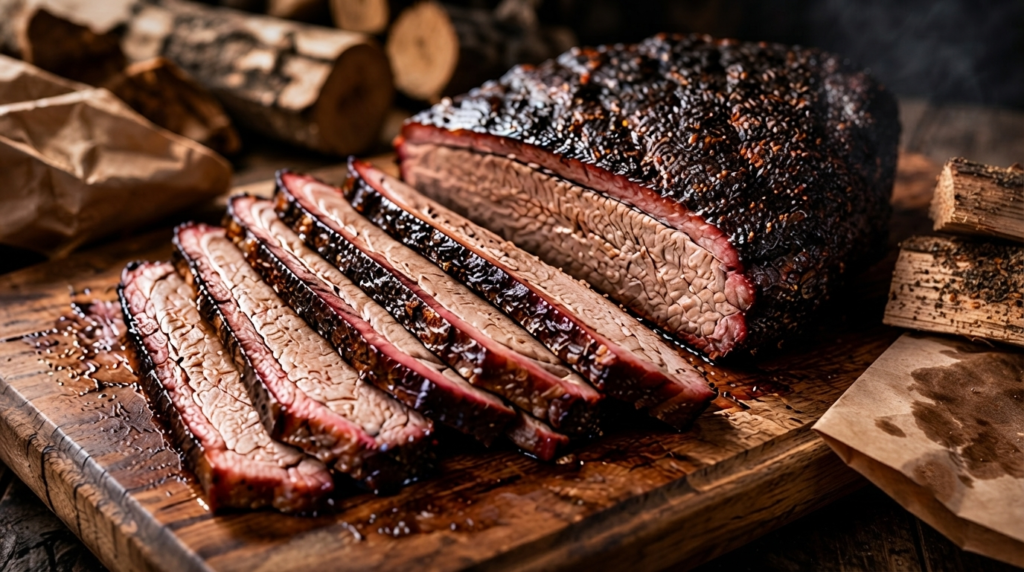
Texas Smoked Brisket
Ingredients
- 1 whole beef brisket (10–12 lbs)
- 2 tbsp kosher salt
- 2 tbsp coarse black pepper
- 1 tbsp garlic powder
- Oak wood chunks
- Yellow mustard (optional binder)
Preparation
Trim excess fat, leaving about ¼ inch on the fat cap. Pat the brisket dry and coat it lightly with mustard if desired. Mix the salt, pepper, and garlic powder, then season every side generously. Let the brisket rest for at least one hour, or refrigerate overnight for a deeper flavor.
Cooking Method
Preheat your smoker to 225°F (107°C) using oak wood. Place the brisket fat-side up and smoke for about 10–14 hours, spraying with apple cider vinegar every couple of hours after the first three hours. Once the internal temperature reaches around 165°F, wrap it in butcher paper and continue cooking until it reaches 200–203°F. Rest the brisket for at least one hour before slicing against the grain.
Pitmaster Tip: Never rush brisket. The resting period is just as important as the smoking process.
Best Served With: Pickles, onions, Texas toast, baked beans, and potato salad.
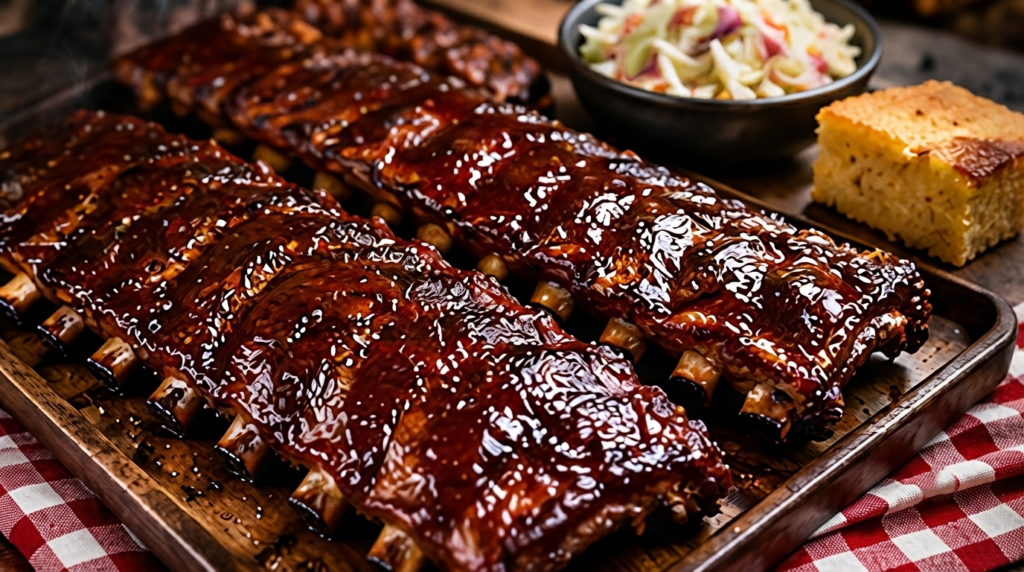
Kansas City BBQ Ribs
Ingredients
- 2 racks baby back ribs
- Brown sugar
- Paprika
- Garlic powder
- Onion powder
- Black pepper
- Chili powder
- BBQ sauce
- Apple juice
Preparation
Remove the membrane from the back of the ribs and coat them with your dry rub. Allow the seasoning to sit for at least one hour before cooking.
Cooking Method
Smoke the ribs at 250°F for about 3 hours. Wrap them in foil with a splash of apple juice and cook for another 2 hours. Unwrap, brush with BBQ sauce, and smoke for one final hour until the glaze becomes sticky and caramelized.
Pitmaster Tip: Apply BBQ sauce only during the last hour to prevent burning.
Best Served With: Cornbread, mac and cheese, baked beans, and creamy coleslaw.
Carolina Pulled Pork
Ingredients
- 8–10 lb pork shoulder
- Salt
- Black pepper
- Paprika
- Brown sugar
- Garlic powder
- Apple cider vinegar
- Red pepper flakes
Preparation
Coat the pork shoulder with the spice mixture and refrigerate overnight to allow the flavors to penetrate the meat.
Cooking Method
Smoke the pork shoulder at 225°F for 10–12 hours until the internal temperature reaches 200–205°F. Let it rest for 45 minutes before shredding with forks. Toss the meat with a vinegar-based BBQ sauce for authentic Carolina flavor.
Pitmaster Tip: Don’t chop the meat immediately after cooking. Resting keeps it juicy and tender.
Best Served With: Brioche buns, coleslaw, pickles, and fries.
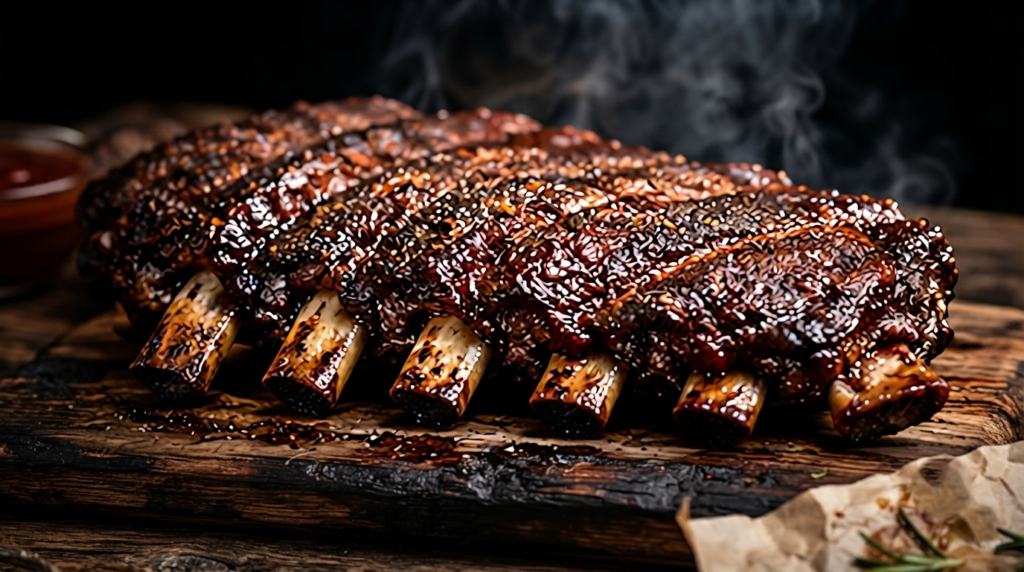
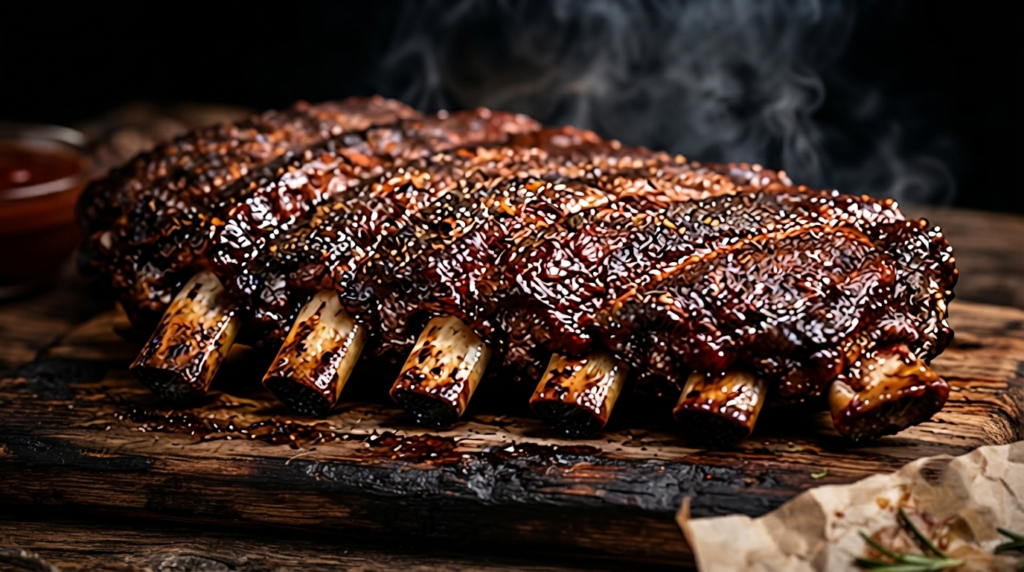
Memphis Dry Rub Ribs
Ingredients
- Pork ribs
- Paprika
- Brown sugar
- Garlic powder
- Onion powder
- Cayenne pepper
- Mustard powder
- Salt
- Black pepper
Preparation
Generously coat the ribs with the dry rub and let them marinate for at least two hours.
Cooking Method
Smoke the ribs at 250°F for around 5 hours without adding BBQ sauce. Spray lightly with apple juice every hour to keep the meat moist while maintaining the dry, flavorful bark.
Pitmaster Tip: Memphis-style ribs are all about the spice rub, so avoid adding heavy sauce.
Best Served With: Potato salad, grilled corn, and smoked vegetables.
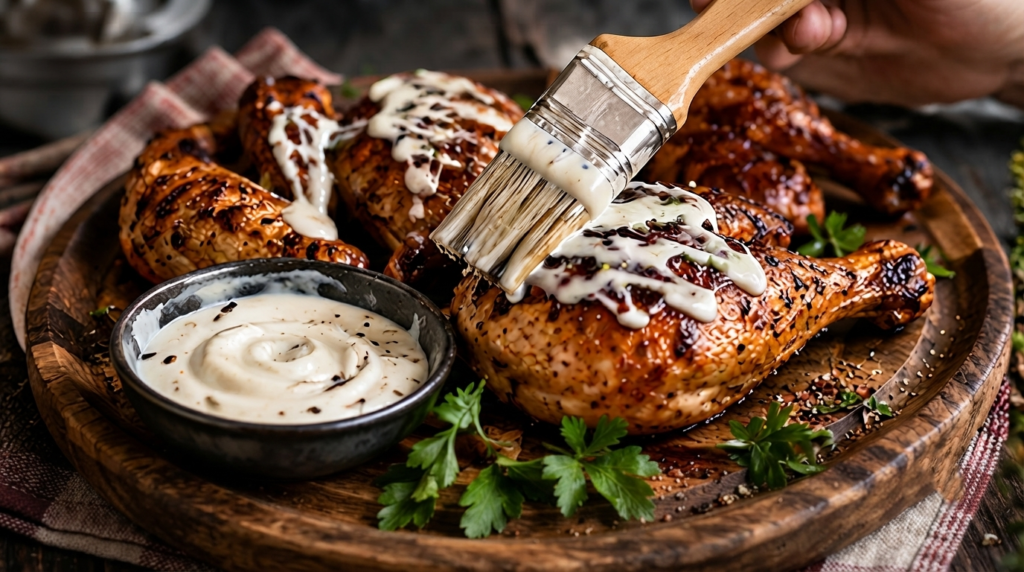
Alabama White Sauce Chicken
Ingredients
- Whole chicken or chicken quarters
- Salt
- Pepper
- Garlic powder
- Mayonnaise
- Apple cider vinegar
- Lemon juice
- Horseradish
- Black pepper
Preparation
Season the chicken generously and prepare the white sauce by whisking all sauce ingredients until smooth. Chill the sauce while the chicken cooks.
Cooking Method
Smoke the chicken at 250°F until the internal temperature reaches 165°F. Brush or dip the hot chicken into the Alabama white sauce just before serving to lock in moisture and flavor.
Pitmaster Tip: Use freshly made white sauce for the best creamy texture and tangy taste.
Best Served With: Grilled vegetables, baked potatoes, cornbread, or fresh salad.
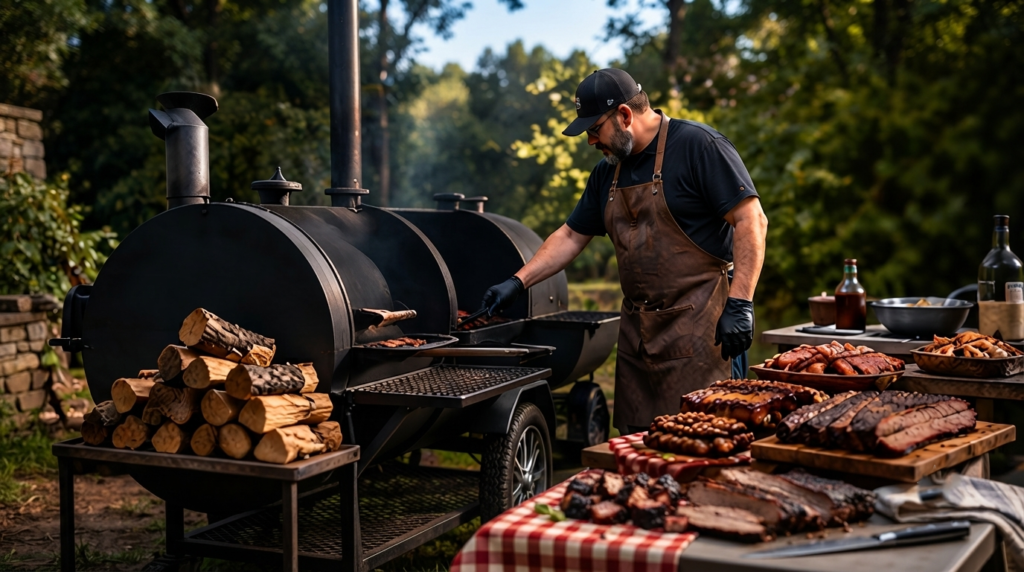
BBQ Tips from America’s Best Pitmasters
America’s top pitmasters know that great barbecue isn’t just about following a recipe—it’s about mastering technique, patience, and consistency. Whether you’re smoking brisket, ribs, pork, or chicken, these proven BBQ tips will help you achieve restaurant-quality results at home.
Choose the Right Wood
Different hardwoods create unique flavors. Oak offers a balanced smoky taste that’s perfect for brisket; hickory delivers a stronger flavor for ribs and pork, while apple and cherry woods add a mild sweetness that’s ideal for chicken and pork. Avoid using softwoods like pine, as they produce unpleasant smoke.
Maintain a Consistent Temperature
One of the biggest secrets to successful barbecue is keeping your smoker between 225°F and 250°F. Frequent temperature swings can make meat cook unevenly and reduce tenderness. Use a quality thermometer instead of relying on the smoker’s built-in gauge.
Don’t Rush the Cooking Process
Authentic barbecue is cooked low and slow. While it may take several hours, slow cooking allows connective tissues to break down, creating juicy and tender meat. Resist the urge to increase the heat just to finish faster.
Let the Meat Rest
After cooking, allow brisket, ribs, pork, or chicken to rest before slicing or shredding. Resting helps redistribute the juices throughout the meat, resulting in a more flavorful and moist bite.
Keep the Smoke Clean
Thin, light blue smoke produces the best flavor. Thick white smoke often creates a bitter taste. Use dry hardwood and ensure proper airflow throughout the cooking process.
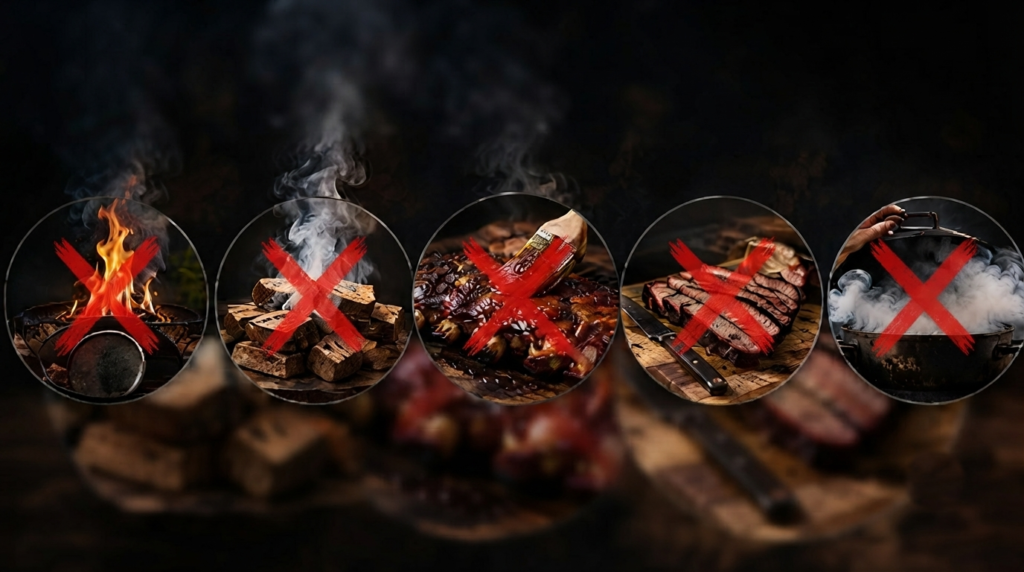
Common BBQ Mistakes to Avoid
- Cooking at temperatures that are too high.
- Using too much wood, which creates bitter smoke.
- Skipping the resting period before slicing.
- Applying BBQ sauce too early.
- Cutting brisket with the grain instead of against it.
Conclusion
The best BBQ recipes aren’t about complicated ingredients—they’re about mastering timeless techniques used by America’s top pitmasters. Whether you’re preparing Texas brisket, Kansas City ribs, Carolina pulled pork, Memphis dry-rub ribs, or Alabama white sauce chicken, patience and attention to detail make all the difference.
At Read Hub, we believe anyone can create restaurant-quality barbecue with the right guidance and a little practice. Fire up your smoker, experiment with regional flavors, and enjoy unforgettable backyard BBQ with family and friends.
If you have any questions or concerns regarding this topic, feel free to contact us through our Contact Us page or reach out via the WhatsApp button available on Read Hub. We’re always happy to help!
FAQ
1. What is the best meat for beginners learning BBQ?
Pork shoulder and baby back ribs are forgiving, flavorful, and ideal for learning smoking techniques.
2. Which wood is best for smoking brisket?
Oak is the traditional choice for Texas-style brisket, while hickory also delivers a rich smoky flavor.
3. Should I wrap meat while smoking?
Wrapping during the cooking process can help retain moisture and speed through the temperature stall, especially for brisket and pork shoulder.
4. What’s the ideal smoker temperature?
Most pitmasters recommend maintaining a steady temperature between 225°F and 250°F.
5. Can I make these recipes on a charcoal grill?
Yes. By setting up indirect heat and adding wood chunks, a charcoal grill can produce excellent BBQ results similar to a smoker.