
Your car usually gives you plenty of warning before a major breakdown happens. The problem is that many drivers ignore those early signs until a small issue turns into an expensive repair. Recognizing the warning signs your car needs immediate repair can help you stay safe, prevent further damage, and save hundreds or even thousands of dollars in repair costs.
In this guide from Read Hub, you’ll learn the seven most important warning signs that should never be ignored and what you should do if you notice them.
1. Dashboard Warning Lights Stay On
Modern vehicles are equipped with sensors that detect mechanical problems before they become serious. If the check engine, oil pressure, battery, or brake warning light remains illuminated, don’t assume it’s a minor issue. A professional diagnostic scan can quickly identify the problem before it causes major engine or electrical damage.
Tip: Never ignore a flashing check engine light—it often signals an urgent issue.
2. Strange Noises While Driving
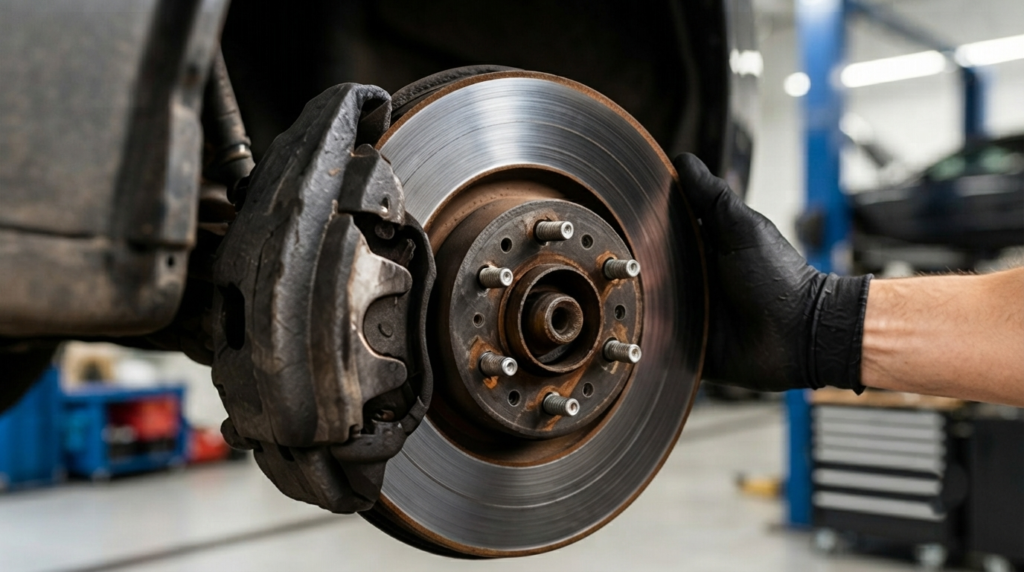
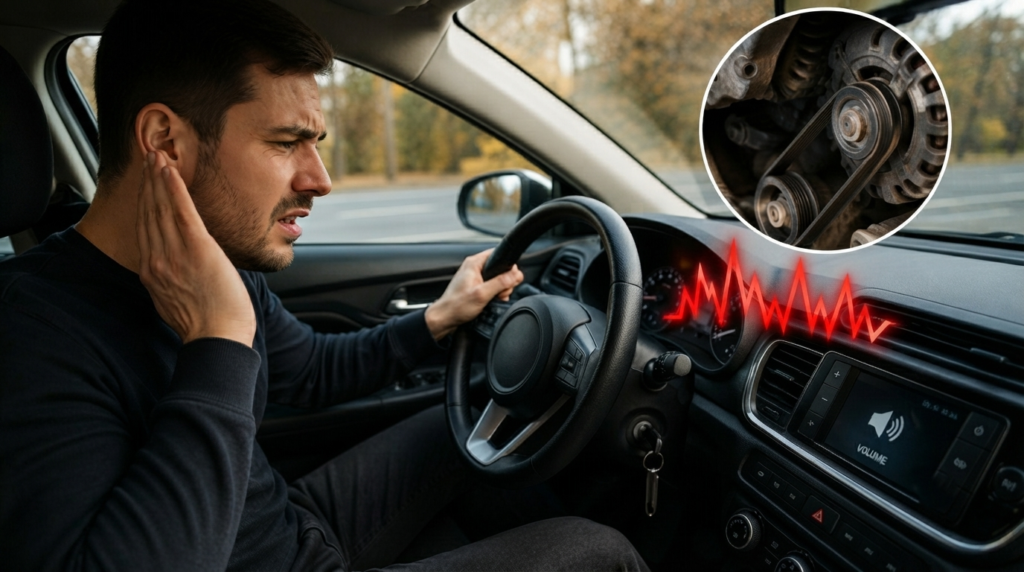
Unusual sounds are one of the clearest indicators that something is wrong. Grinding brakes, squealing belts, knocking from the engine, or clunking underneath the vehicle usually point to worn or damaged components.
Addressing these noises early often prevents more expensive repairs later.
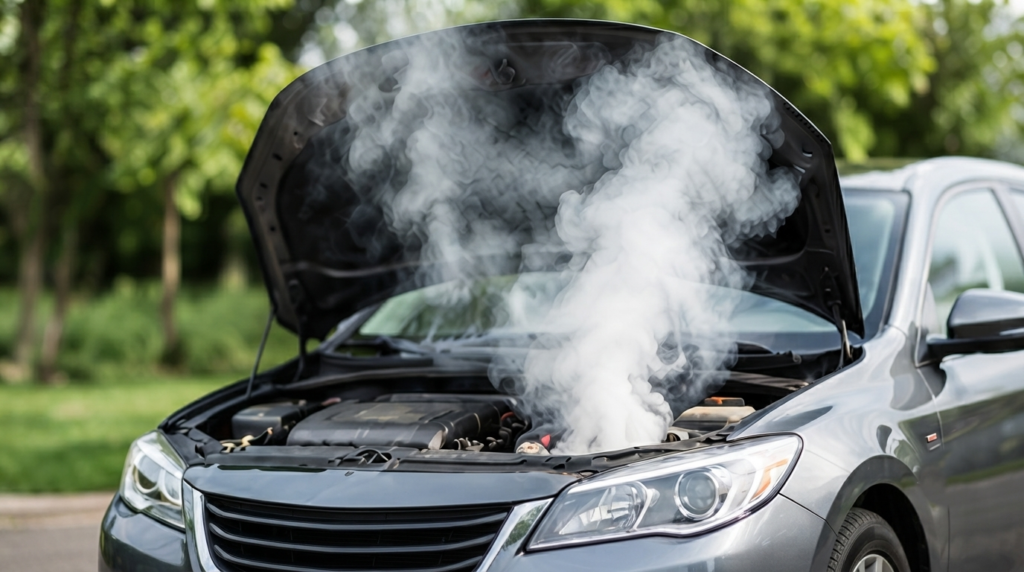
3. Smoke or Steam from the Engine
Smoke coming from under the hood should always be taken seriously. Steam often indicates engine overheating, while blue, white, or black smoke may signal oil burning, coolant leaks, or fuel system problems.
Pull over safely, turn off the engine, and avoid continuing your trip until the issue has been inspected.
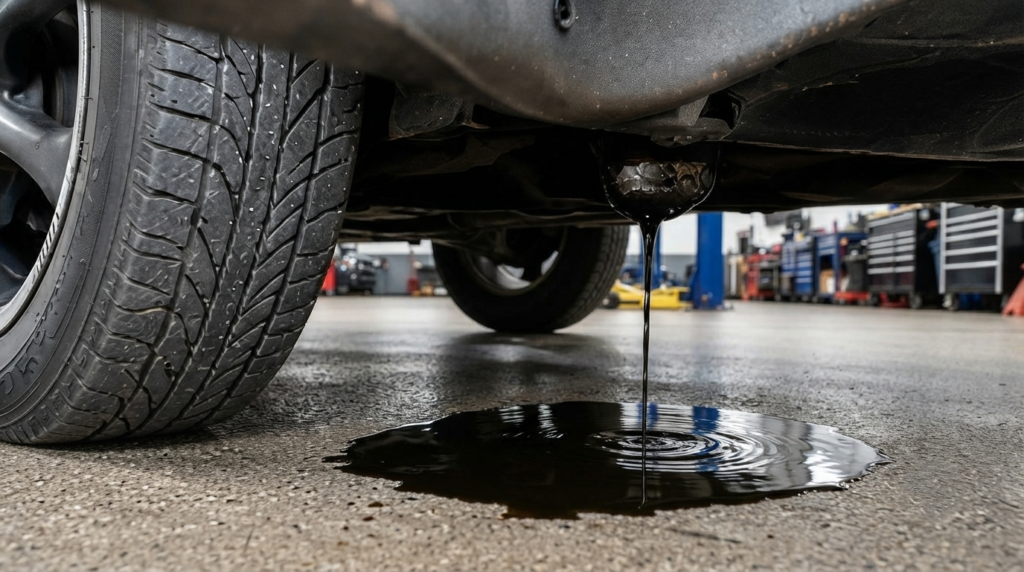
4. Fluid Leaks Under the Vehicle
Finding puddles beneath your parked car is never normal. Engine oil, coolant, brake fluid, transmission fluid, or power steering fluid leaks can quickly lead to severe mechanical failures if ignored.
Check the color of the fluid and arrange repairs as soon as possible.
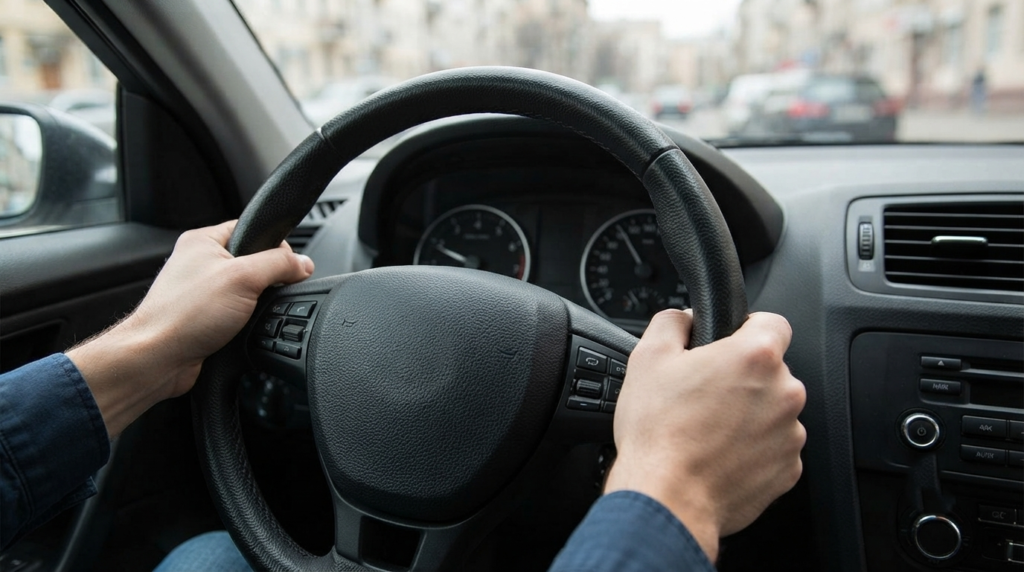
5. Vibrations or Steering Problems
If your steering wheel shakes, your car pulls to one side, or you notice excessive vibration while driving, your vehicle may have suspension, tire, wheel alignment, or brake issues.
Ignoring these symptoms can reduce vehicle control and increase tire wear.
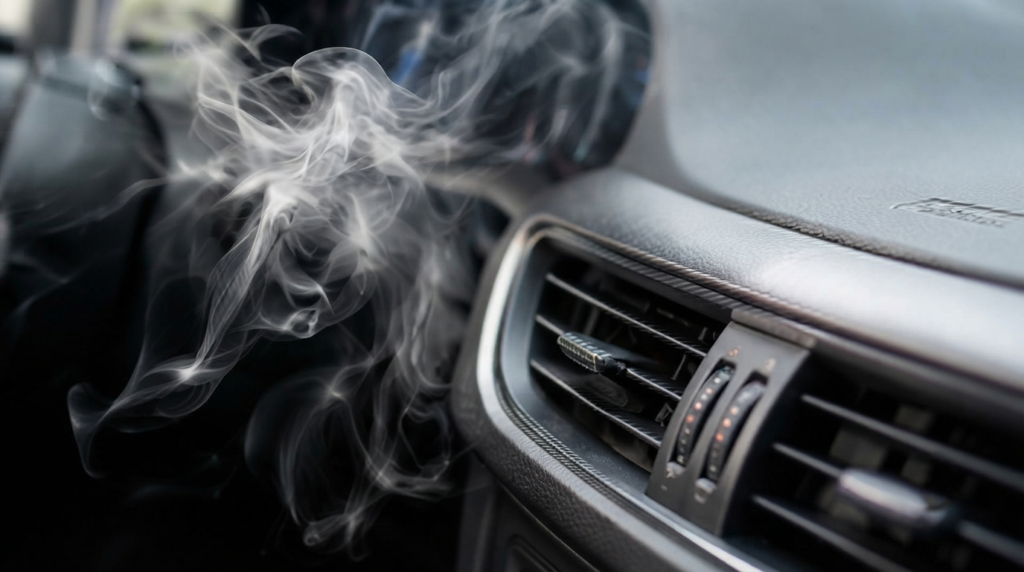
6. Burning or Unusual Smells
A burning rubber smell, burning oil odor, or the scent of hot electrical wiring often indicates a problem that requires immediate attention. These smells may result from leaking fluids, slipping belts, overheating components, or electrical faults.
Stop driving if the smell becomes strong or is accompanied by smoke.
7. Poor Braking Performance
Your brakes are your vehicle’s most important safety system. If the brake pedal feels soft, the car takes longer to stop, or you hear grinding or squealing while braking, schedule repairs immediately.
Driving with faulty brakes puts both you and other road users at serious risk.
Conclusion
Recognizing these warning signs that your car needs immediate repair can help you avoid dangerous situations and costly breakdowns. Routine maintenance, regular inspections, and responding quickly to unusual symptoms will keep your vehicle running safely for years to come.
At Read Hub, we believe that preventive maintenance is always less expensive than emergency repairs. Paying attention to your vehicle today could save you significant time, money, and stress tomorrow.
If you have any questions or concerns regarding this topic, feel free to contact us through our Contact Us page or reach out via the WhatsApp button available on Read Hub. We’re always happy to help!
FAQ
1. What is the first warning sign that my car needs repair?
Dashboard warning lights, unusual noises, fluid leaks, or changes in driving performance are often the earliest indicators.
2. Can I continue driving with the check engine light on?
If the light is flashing, stop driving as soon as it’s safe. A steady light should still be diagnosed promptly to prevent further damage.
3. Why is my car leaking fluid?
Leaks may come from the engine, cooling system, transmission, brakes, or power steering. Identifying the fluid quickly helps determine the severity of the problem.
4. Is engine overheating dangerous?
Yes. Continuing to drive an overheating vehicle can cause severe engine damage and lead to costly repairs.
5. How often should I have my car inspected?
Most experts recommend a professional inspection at least once a year or according to your vehicle manufacturer’s maintenance schedule.