
If you think the only way to appear on Google’s first page is by spending money on advertising, think again. Millions of websites receive consistent traffic through organic search without investing in paid ads. The key is understanding how search engines evaluate content and creating pages that genuinely help users.
Whether you’re running a blog, an online store, or a business website, learning how to rank higher on Google without paying for ads can generate long-term traffic, build authority, and reduce your marketing costs. In this guide from Read Hub, you’ll discover practical SEO strategies that continue to work in today’s search landscape.
Understand Search Intent
Before writing any content, understand what users actually want. Google rewards pages that answer search queries clearly and completely. Instead of focusing only on keywords, think about the questions your audience is asking and provide helpful solutions.
Study the top-ranking pages for your target keyword to understand the type of content users expect. If searchers want a step-by-step guide, don’t publish a short opinion piece. Matching search intent is one of the biggest ranking factors in modern SEO.

Target the Right Keywords
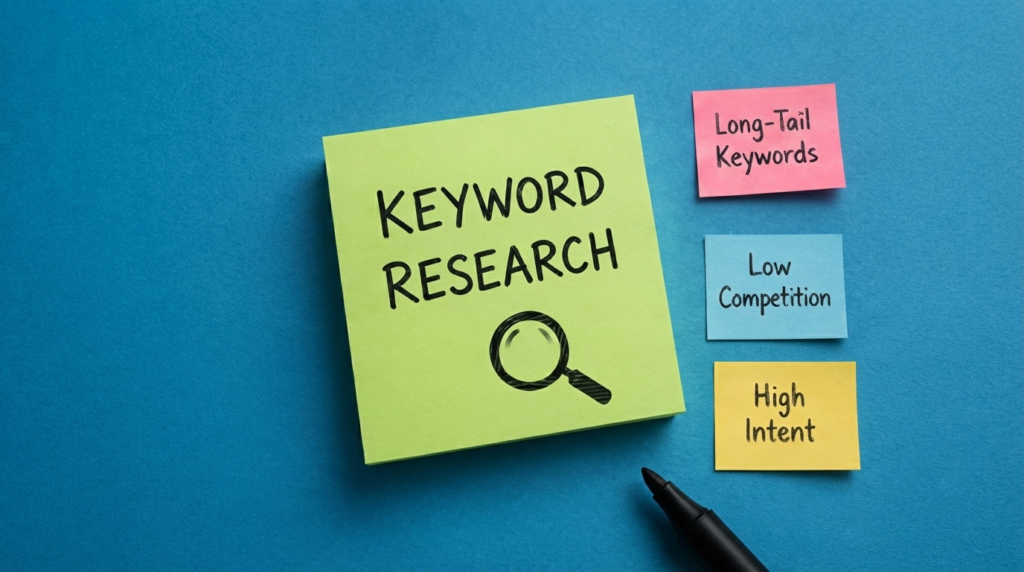
Choose keywords with a balance of search volume and achievable competition. Focus on long-tail keywords because they’re easier to rank for and usually attract visitors with stronger buying or learning intent.
For example, instead of targeting “SEO,” try phrases like “how to rank higher on Google without paying for ads.” Use your primary keyword naturally in headings, introductions, and image alt text while incorporating related keywords throughout the article.
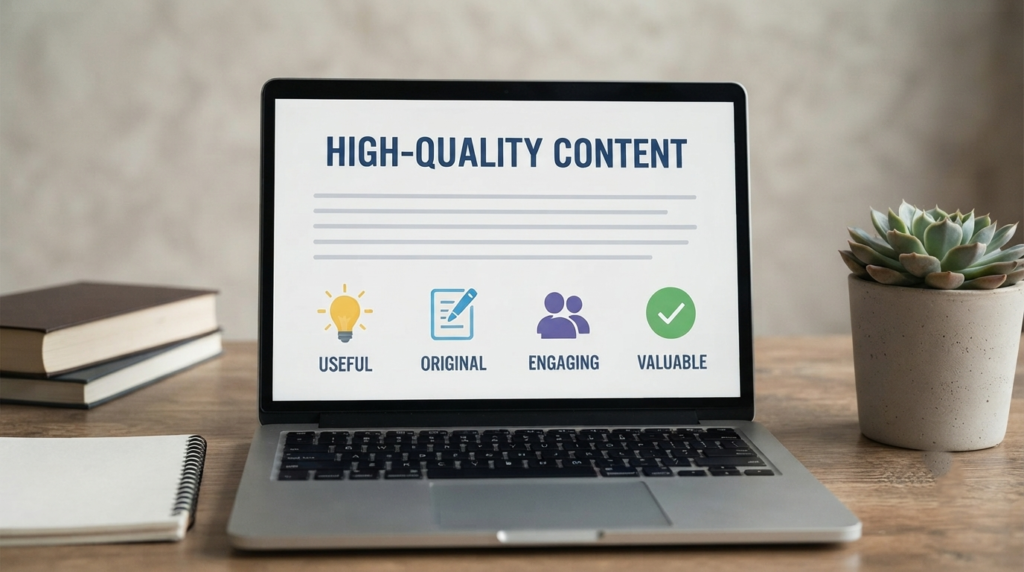
Create High-Quality Content
Content remains one of Google’s strongest ranking factors. Publish original, well-researched articles that solve real problems.
Use clear headings, short paragraphs, practical examples, and updated information. Include statistics, expert insights, checklists, and actionable advice whenever possible. The more value your content provides, the longer visitors stay on your page—something Google often interprets as a positive user experience.
Optimize On-Page SEO
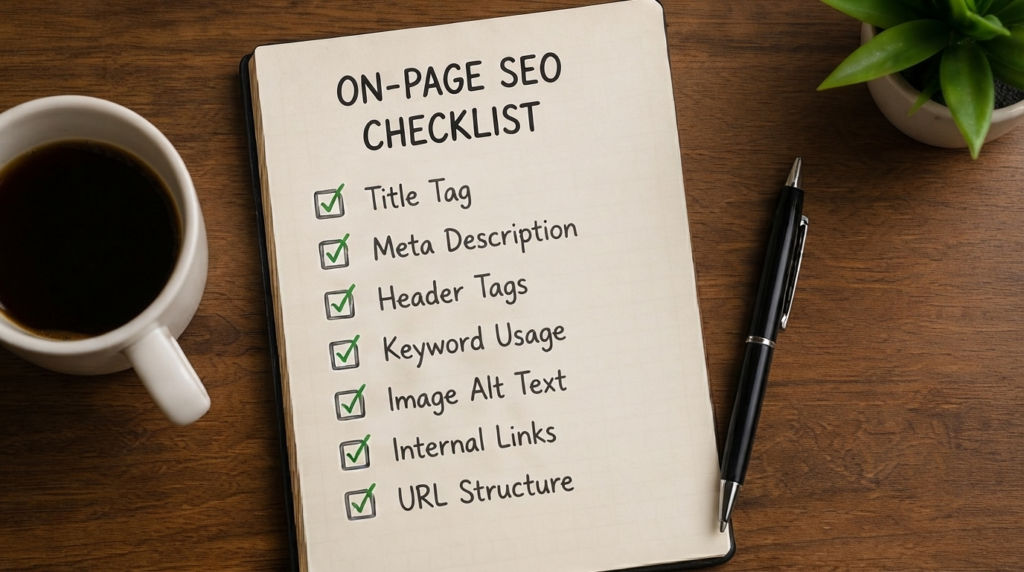
Every page should include:
- A compelling SEO title
- A well-written meta description
- Proper H1, H2, and H3 headings
- Keyword-rich but natural content
- Image alt text
- Internal links
- Clean, descriptive URLs
Additionally, optimize your images, use schema markup where appropriate, and write engaging meta descriptions that encourage users to click your page in search results.
Improve Website Speed
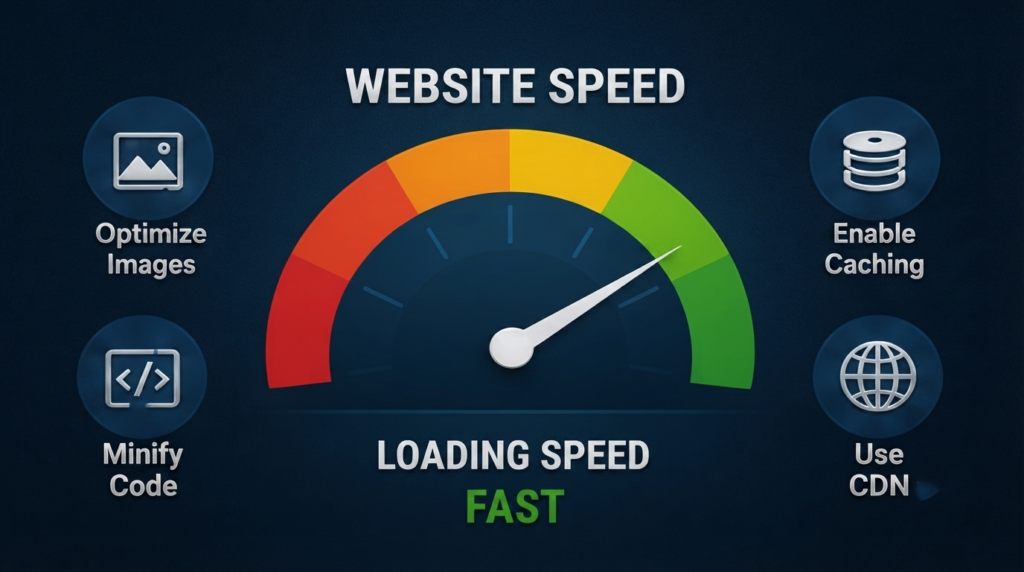
Slow-loading websites often lose both visitors and rankings. Compress images, enable caching, remove unnecessary scripts, and choose reliable hosting to improve page speed.
You should also minimize large JavaScript files, use a content delivery network (CDN), and regularly test your website with speed analysis tools. Even a one-second improvement can increase user engagement.
Make Your Site Mobile-Friendly
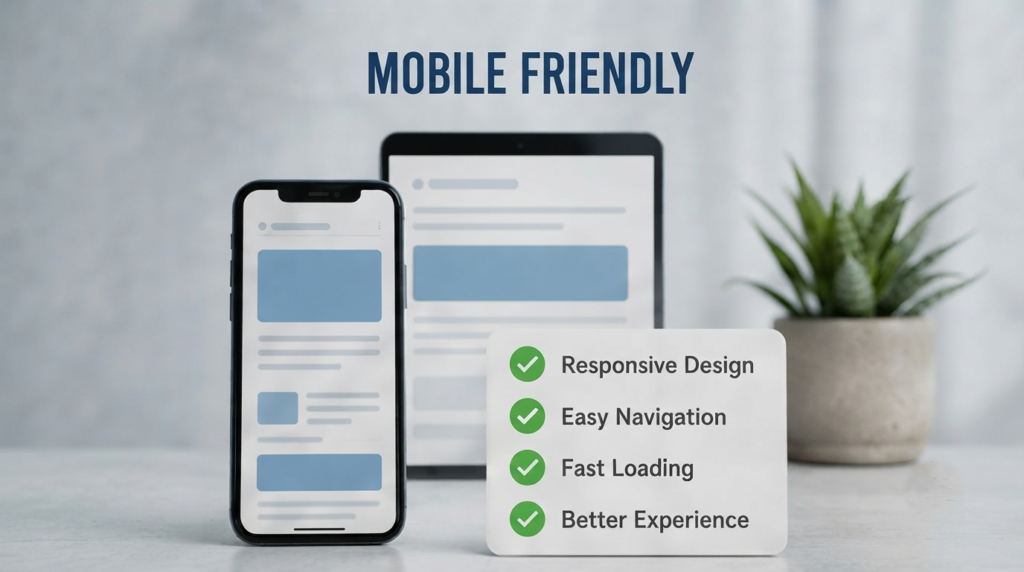
Since Google uses mobile-first indexing, your website must perform well on smartphones and tablets.
Ensure your pages load quickly, fonts are readable, buttons are easy to tap, and layouts adapt smoothly across different screen sizes. A responsive website not only improves rankings but also reduces bounce rates and increases conversions.
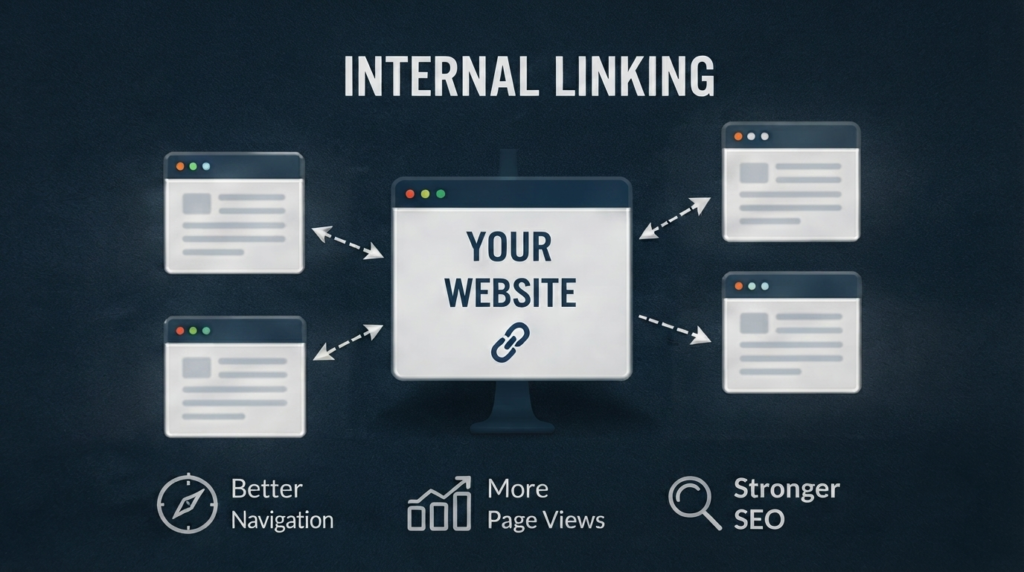
Build Internal Links
Internal linking helps Google discover your content while keeping visitors engaged longer.
Link related articles naturally throughout your content so readers can easily find more useful information on your website. Use descriptive anchor text instead of generic phrases like “click here” to help search engines understand the relationship between your pages.
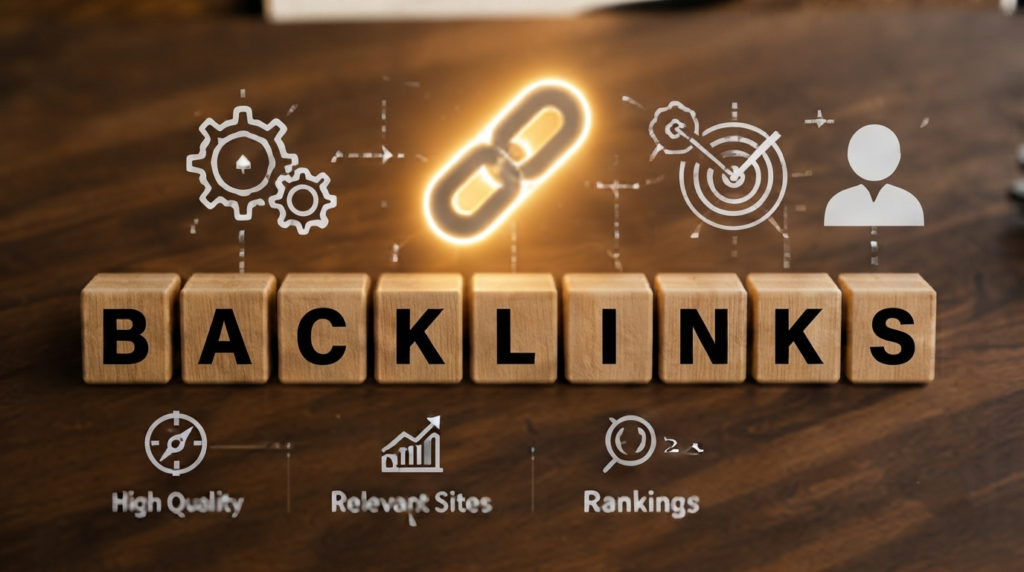
Earn High-Quality Backlinks
Backlinks remain an important ranking signal when they come from trustworthy websites.
Focus on creating valuable resources, publishing original research, writing guest posts, and building relationships within your industry instead of buying low-quality links. A few authoritative backlinks are often more valuable than dozens of low-quality ones.
Keep Content Fresh
Google prefers content that stays accurate and relevant.
Review older articles regularly by updating statistics, adding new insights, improving readability, and answering emerging user questions. Refreshing existing content often delivers faster ranking improvements than publishing brand-new articles because the page may already have authority.

Track and Improve Performance
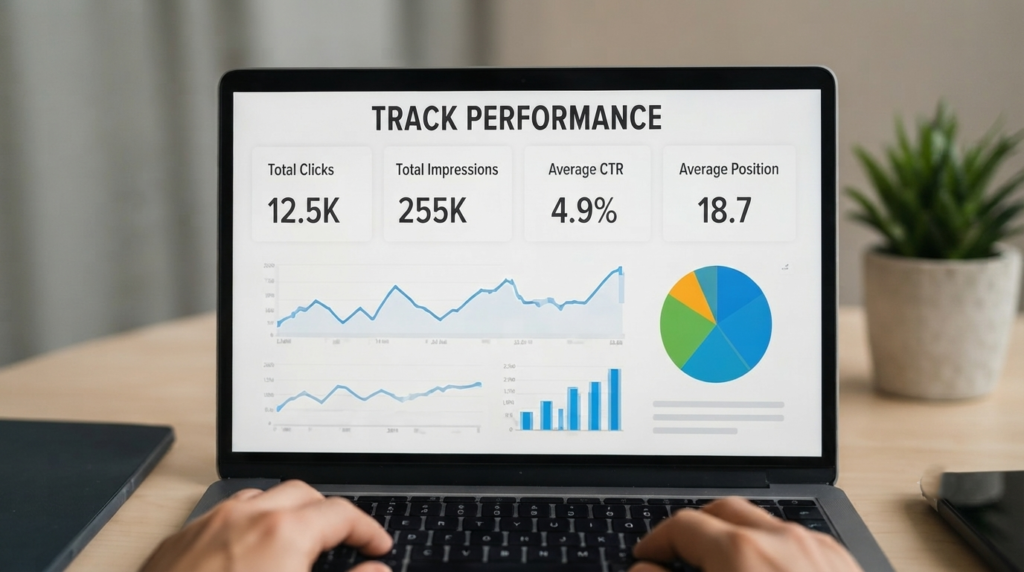
SEO isn’t a one-time task. Monitor your rankings, traffic, click-through rate, and user behavior using analytics tools.
Pay close attention to pages with high impressions but low click-through rates, as improving titles and meta descriptions can often increase traffic without creating new content. Continuously analyze your results and refine your SEO strategy based on real data.
Conclusion
Learning how to rank higher on Google without paying for ads requires consistency rather than shortcuts. By understanding search intent, publishing valuable content, optimizing your website, improving technical performance, and earning quality backlinks, you can build sustainable organic traffic that continues to grow over time.
At Read Hub, we believe the most successful SEO strategies focus on helping users first. When you consistently create useful, trustworthy content, higher rankings naturally follow.
If you have any questions or concerns regarding this topic, feel free to contact us through our Contact Us page or reach out via the WhatsApp button available on Read Hub. We’re always happy to help!
FAQ
1. Can I rank on Google without paying for ads?
Yes. Strong SEO, quality content, technical optimization, and backlinks can help your website rank organically.
2. How long does SEO take to show results?
Most websites begin seeing noticeable improvements within 3 to 6 months, depending on competition and consistency.
3. Are backlinks still important?
Yes. High-quality, relevant backlinks remain one of Google’s strongest ranking signals.
4. Does website speed affect SEO?
Absolutely. Faster websites improve user experience and can positively influence search rankings.
5. What’s the biggest SEO mistake beginners make?
Targeting highly competitive keywords without understanding search intent or creating content that truly satisfies users.