
Creating a will is one of the simplest ways to make your wishes clear about what should happen to your property after you die. A properly prepared will can name beneficiaries, choose an executor, and provide instructions for distributing assets. However, the legal requirements aren’t exactly the same across the United States. If you’re learning how to create a legally valid will, you need to understand your state’s signing and witnessing rules before finalizing the document. A small mistake in execution can create unnecessary problems during probate.

Understand Your State’s Requirements
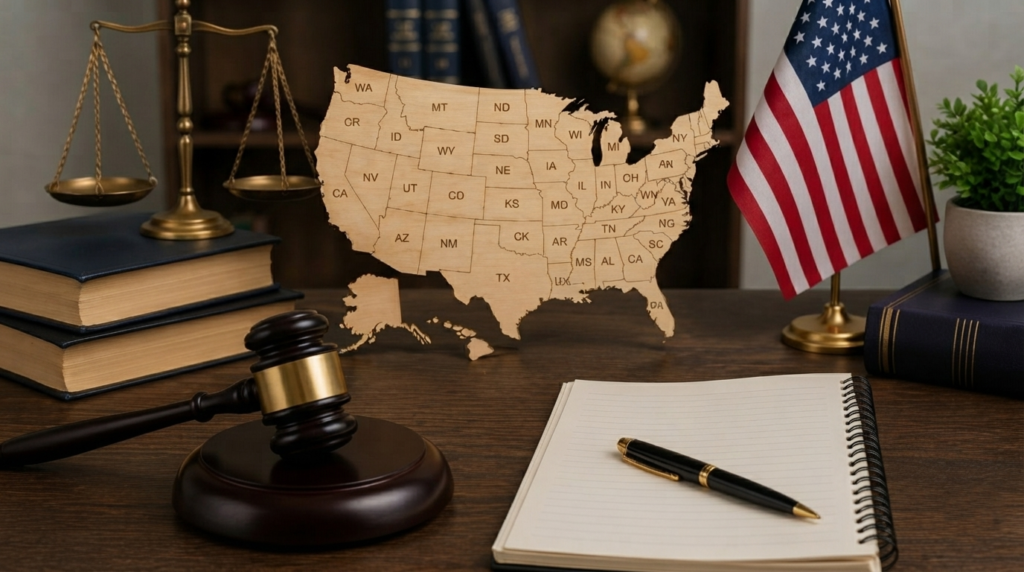
There is no single will-execution procedure that applies identically in every state. In general, a will must be written, signed by the person making it, and properly witnessed, but exact requirements can vary. Most states also recognize specific rules concerning the testator’s age and mental capacity.
Before signing anything, check the requirements where you live or speak with a qualified estate-planning attorney.
List Your Assets and Beneficiaries
Make a clear list of the property you want your will to address. This can include real estate, bank accounts, personal belongings, investments, and valuable family items.
Then decide who should receive those assets. Be as specific as practical, especially when naming people who share similar names. The American Bar Association recommends gathering information about beneficiaries, assets, debts, property, and existing estate documents before preparing a will.

Choose an Executor
An executor is responsible for handling the estate according to the will and applicable probate rules. Choose someone trustworthy, organized, and capable of dealing with paperwork and financial responsibilities.
It is also sensible to name an alternate executor in case your first choice cannot or does not want to serve.

Name Guardians for Minor Children
If you have minor children, your will can identify your preferred guardian. This doesn’t guarantee that the court will automatically appoint that person, but it clearly communicates your wishes.
Choose someone who is responsible, financially stable, and prepared for the long-term responsibilities involved in caring for your children.

Prepare and Sign the Will Correctly
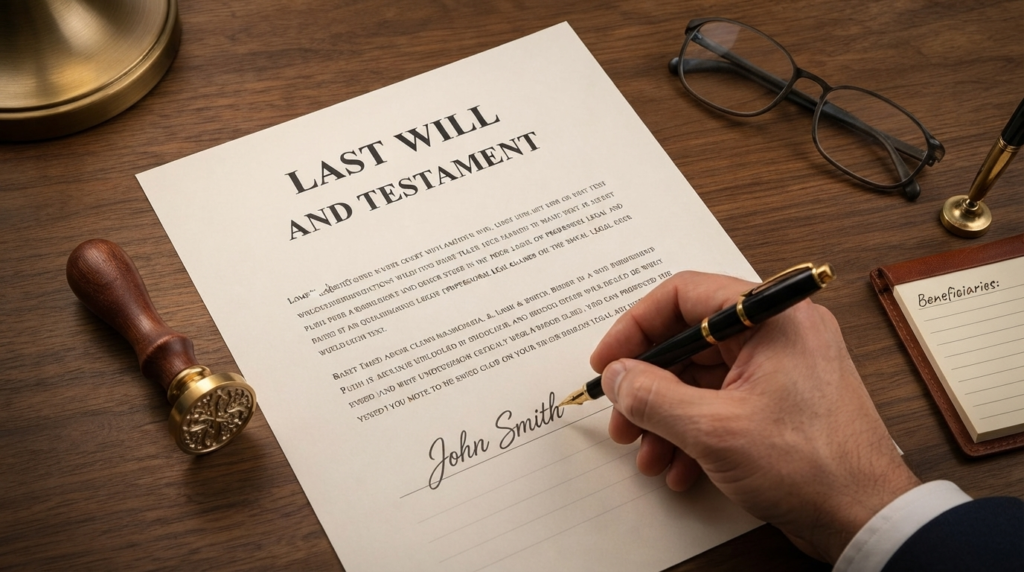
After preparing the document, follow your state’s execution requirements carefully. Generally, the person making the will signs it and confirms their intention to create a will.
Many states require two witnesses, and the witnesses may need to sign in the presence of the testator and each other. Using independent, disinterested witnesses can help avoid potential conflicts.
Consider Witnesses and Notarization
Notarization and witnessing are not necessarily the same thing. In many states, a properly executed will can also be made “self-proving” through a notarized affidavit, which may simplify probate by reducing the need for witnesses to later provide testimony.
Because requirements vary, don’t assume that simply having a notary stamp makes an otherwise defective will valid.

Store and Update Your Will
Keep the original will somewhere secure and make sure your executor knows where it can be found. Avoid making handwritten changes to a signed will unless you have confirmed that your state’s rules permit them.
Review your will after major life events such as marriage, divorce, the birth of a child, a major change in assets, or a move to another state.

Understand What a Will Does Not Cover
A will doesn’t necessarily control every asset you own. Certain property may pass outside probate through joint ownership or beneficiary designations, such as some retirement accounts and life insurance policies. Those designations should be reviewed separately and kept consistent with your overall estate plan.
Electronic wills are also subject to state-specific rules. Some jurisdictions have adopted laws allowing electronic wills, while traditional paper wills remain the safer assumption in many places unless local law says otherwise.

Conclusion
Knowing how to create a legally valid will starts with understanding your state’s requirements, clearly identifying beneficiaries, choosing an executor, and completing the signing and witnessing process correctly. Keeping the document updated is just as important as creating it.
For complicated estates, blended families, significant assets, or questions about state-specific requirements, getting advice from a qualified estate-planning attorney can help prevent expensive problems later. For more practical U.S. legal and financial guides, keep exploring Read Hub.
If you have any questions or concerns regarding this topic, feel free to contact us through our Contact Us page or reach out via the WhatsApp button available on Read Hub. We’re always happy to help!
FAQ
Can I write my own will in the United States?
Yes, you can prepare your own will in many circumstances, but it still needs to meet the legal requirements of the state governing its validity. Improper signing or witnessing can create problems during probate.
How many witnesses are needed for a will?
Many states generally require two witnesses, but exact requirements vary by state. The witnesses usually need to observe the signing or acknowledgment and complete their own required signatures.
Does a will need to be notarized?
Not always. Notarization is different from witnessing, although a notarized self-proving affidavit can make probate easier in many states. Check your state’s specific rules before signing.
Can I change my will later?
Generally, yes. You can usually update or replace a will when your circumstances change, but the new document or amendment must follow applicable legal requirements. Major life events are a good reason to review your estate plan.