
Gaming has traditionally required powerful hardware capable of running demanding games locally, but cloud gaming is changing that model. Instead of installing a game on your computer or console, cloud gaming allows the game to run on remote servers while the video is streamed to your device. This means players may be able to enjoy high-quality games on hardware that would otherwise struggle to run them. But how well does it actually work, and can cloud gaming become the future of gaming? This guide explains how the technology works, its advantages, limitations, and what gamers should expect from it.
What Is Cloud Gaming?
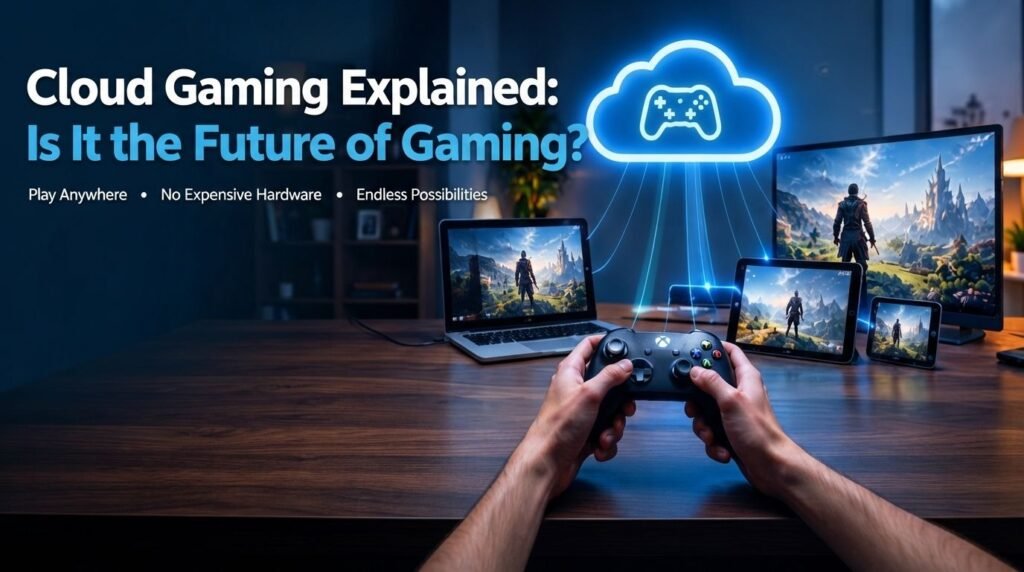
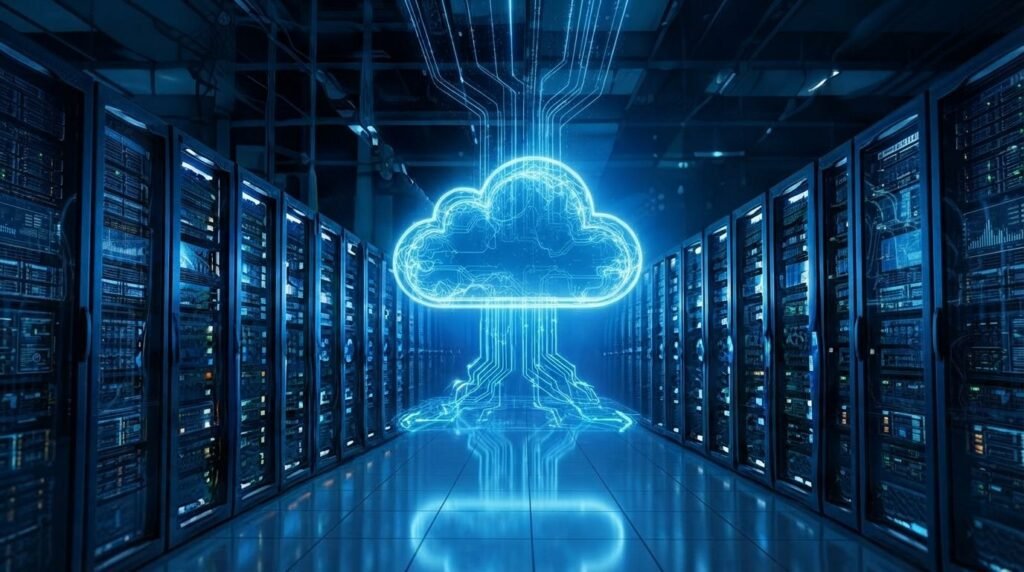
Cloud gaming is a form of game streaming where the actual game runs on powerful remote servers instead of directly on your personal device. Your device receives a live video stream of the gameplay while your controller, keyboard, or touchscreen sends commands back to the server. In simple terms, the heavy computing happens somewhere else, allowing compatible phones, tablets, computers, and other devices to access games without needing high-end local hardware.

How Cloud Gaming Works
When you start a cloud game, the service runs the game on a remote data center and continuously sends the resulting video to your device. Your inputs are sent back through the internet, creating an interactive gaming experience. Because this process happens almost instantly, connection quality matters significantly. A stable network with low latency can make cloud gaming feel responsive, while network congestion or weak connectivity can cause delays, reduced image quality, or interruptions.
Benefits of Cloud Gaming
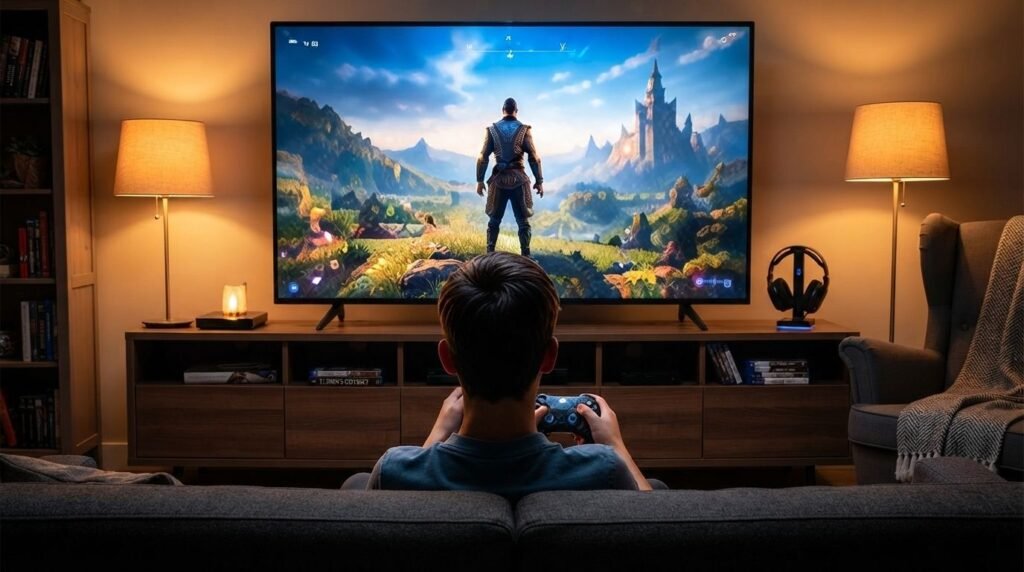
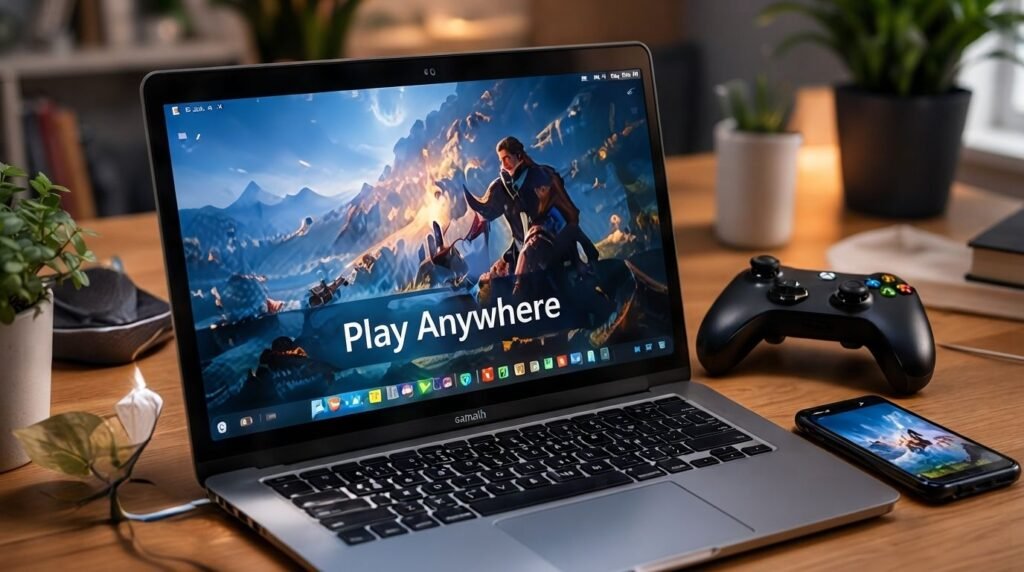
One of the biggest advantages of cloud gaming is reduced dependence on expensive gaming hardware. Players may not need to upgrade their computer or console simply to run newer titles, depending on the service and game. Cloud gaming can also reduce large downloads and installation requirements while making it easier to switch between supported devices. For gamers who value flexibility, being able to access games from different locations and devices can be a major benefit.
Limitations of Cloud Gaming
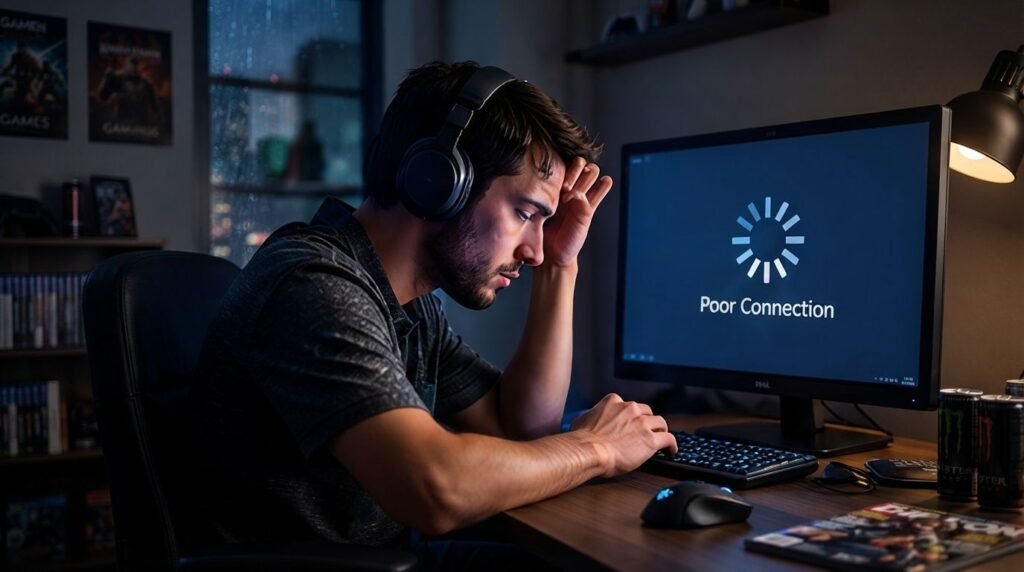
Cloud gaming is not perfect, and its biggest weakness is its dependence on internet connectivity. Even a powerful cloud server cannot completely eliminate problems caused by high latency, unstable connections, or network congestion. Image quality may also vary depending on connection conditions, and some services have limitations related to supported games, regions, devices, subscriptions, or availability. For competitive players who demand extremely low input latency, local gaming can still provide a more consistent experience.
Internet Requirements
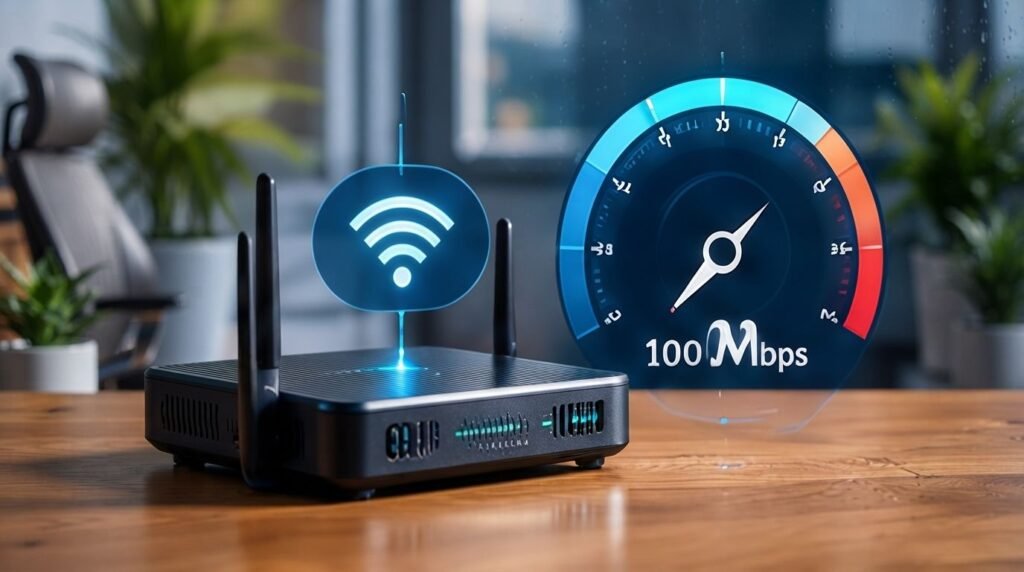
A reliable internet connection is one of the most important requirements for cloud gaming. The exact bandwidth needed depends on the service and streaming quality, but speed alone isn’t everything; latency, stability, and network consistency also matter. Using a strong Wi-Fi connection or wired Ethernet where practical can improve reliability. Players should also avoid heavy downloads or other activities that consume significant bandwidth while gaming, particularly when the connection is shared with other people.
Cloud Gaming vs Traditional Gaming
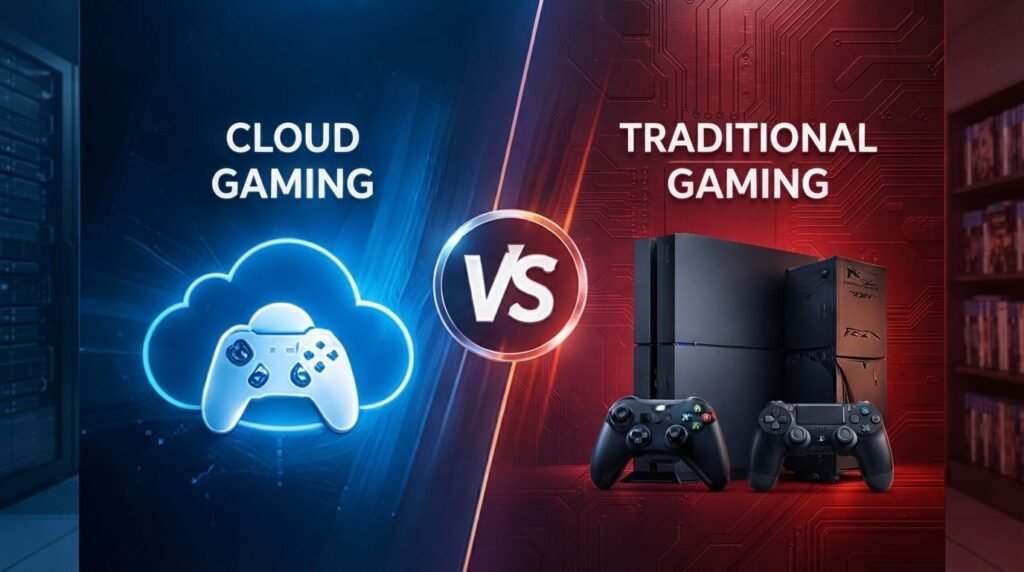
Traditional gaming processes the game locally, so performance mainly depends on your own hardware. Cloud gaming shifts much of that processing to remote servers, making the local device less important but increasing dependence on the internet. Local gaming can provide greater control over graphics settings, offline access, and latency, while cloud gaming offers convenience and flexibility. Neither approach is automatically better for everyone; the right choice depends on your hardware, connection, gaming habits, and preferred experience.
The Future of Cloud Gaming
Cloud gaming has the potential to become a more important part of the gaming industry as internet infrastructure, data centers, streaming technology, and network performance continue to improve. It could make high-end gaming more accessible to people who don’t want to regularly purchase expensive hardware. However, local gaming is unlikely to disappear completely because many players value ownership, offline play, maximum performance, and hardware-based customization. The future may therefore involve both models working alongside each other rather than one completely replacing the other.
Is Cloud Gaming Right for You?
Cloud gaming can be a strong option if you want convenient access to games without investing heavily in gaming hardware and have a reliable internet connection. It may be less suitable if your connection is unstable, you frequently play offline, or you are highly sensitive to input latency. Before committing to a service, check its supported games, device compatibility, subscription terms, regional availability, and network requirements. At Read Hub, we recommend judging cloud gaming based on your actual setup and gaming needs rather than simply following the latest technology trend.
Conclusion
Cloud gaming is an important development in the way games can be delivered and played. By moving demanding processing to remote servers, it can reduce hardware requirements and provide greater flexibility across compatible devices. However, internet quality, latency, service availability, and game selection remain important considerations. Cloud gaming may not completely replace traditional gaming, but its growing role suggests that streaming could become a significant part of the gaming experience. For gamers and technology enthusiasts, it is certainly a trend worth watching as the industry continues to evolve.
If you have any questions or concerns regarding this topic, feel free to contact us through our Contact Us page or reach out via the WhatsApp button available on Read Hub. We’re always happy to help!
FAQ
Does cloud gaming require a fast internet connection?
Yes. Cloud gaming depends on a stable internet connection with sufficient bandwidth and low latency. Connection stability is often just as important as download speed.
Can I play cloud games without a gaming PC?
In many cases, yes. Depending on the service, compatible games can be streamed to devices that don’t have enough local hardware to run those games directly.
Is cloud gaming better than traditional gaming?
Neither option is universally better. Cloud gaming offers convenience and hardware flexibility, while traditional gaming can provide lower latency, offline access, and greater control over performance.
Does cloud gaming use a lot of internet data?
Game streaming can consume substantial data because gameplay video is continuously transmitted over the internet. Data usage varies according to the service and streaming quality.
Will cloud gaming replace consoles and gaming PCs?
It is unlikely that cloud gaming will completely replace traditional gaming in the near future. Both approaches offer different advantages, and many gamers are likely to continue using local hardware alongside cloud services.