

Knowing what you should do for your health is one thing. Staying motivated long enough to make those habits part of your everyday life is another. Whether you’re trying to exercise regularly, eat better, sleep more, or simply feel healthier, motivation can naturally rise and fall. That doesn’t mean you’re failing. Learning how to stay motivated on your health journey is really about creating habits and routines that keep you moving even when motivation is low. The good news? You don’t need a perfect plan or endless willpower. You need realistic goals, patience, and a system that fits your actual life.

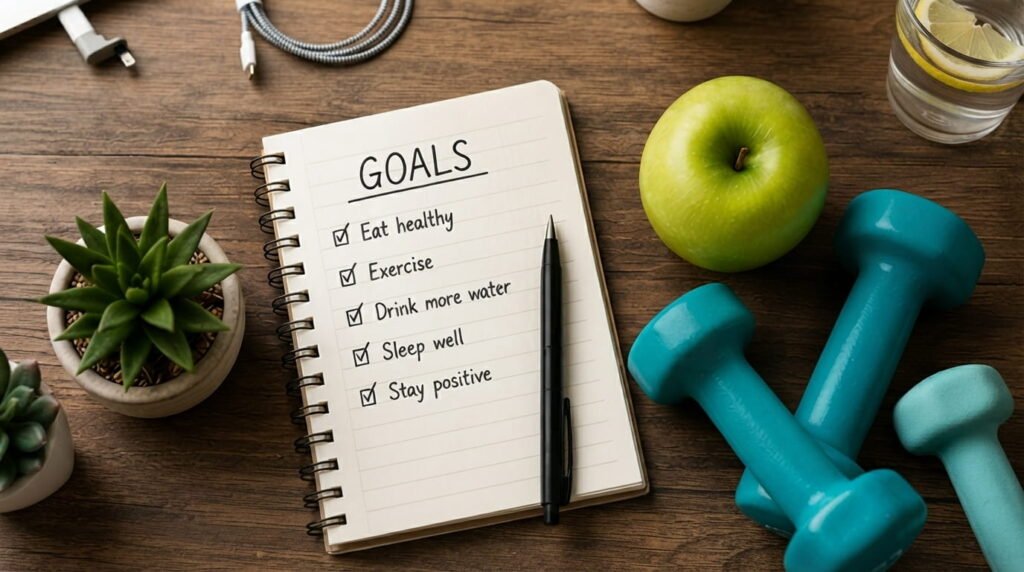
1. Set Small, Realistic Goals
One of the easiest ways to lose motivation is to expect dramatic changes overnight. Instead, start with goals that feel achievable.
Rather than saying, “I need to completely change my lifestyle,” choose something specific, such as walking for 20 minutes three times a week or adding one serving of vegetables to your daily meals.
Small goals create small wins. Those wins build confidence, and confidence makes it easier to keep going.
Try this: Pick one health goal for the next seven days. Make it so realistic that you have very little reason to skip it.
2. Focus on Progress, Not Perfection
A healthy lifestyle isn’t a test you either pass or fail. Some days will go exactly as planned. Others won’t.
You might miss a workout, eat something you hadn’t planned to eat, or have a stressful week. That’s normal. One imperfect day doesn’t erase the progress you’ve already made.
Instead of asking, “Did I do everything perfectly?” ask, “Am I doing better than I was before?”
That simple change in mindset can make your health journey much less stressful.

3. Create Habits That Fit Your Lifestyle
The best health routine isn’t necessarily the most complicated one. It’s the one you can realistically maintain.
If you hate running, you don’t have to force yourself to become a runner. Try walking, cycling, dancing, swimming, stretching, or another activity you genuinely enjoy.
The same principle applies to food and sleep. Build healthy habits around your existing schedule instead of creating a routine that makes your life harder.
Practical tip: Attach a new habit to something you already do. For example, take a short walk after dinner or stretch for five minutes after brushing your teeth.

4. Track Your Progress
Progress isn’t always visible in the mirror or on a scale. Sometimes it’s having more energy, sleeping better, feeling stronger, or finding everyday activities easier.
Keeping a simple record can help you notice these changes.
You could use a notebook, phone app, calendar, or habit tracker. Record things such as workouts completed, walks taken, sleep habits, water intake, or how you feel throughout the week.
Don’t turn tracking into another source of pressure. Its purpose is simply to remind you that your efforts are adding up.

5. Learn How to Handle Setbacks
Setbacks are part of almost every long-term health goal. The important thing is how quickly you return to your routine.
If you miss several workouts, don’t decide that you’ve ruined everything. Start again with the next manageable opportunity.
Think of your health journey as a road rather than a straight line. A wrong turn doesn’t mean the journey is over.
Try this: When something goes wrong, avoid self-criticism. Ask yourself, “What made this difficult, and what can I change next time?”
That question turns a setback into useful information.

6. Make Your Health Journey Enjoyable
Motivation becomes much easier when healthy activities don’t feel like punishment.
Listen to your favorite music while exercising. Walk somewhere interesting. Cook meals with flavors you enjoy. Invite a friend to join you. Try a new activity instead of repeating the same routine every day.
Your health journey should improve your quality of life, not make you miserable.
If a particular habit constantly feels unbearable, consider whether there’s another healthier option that you would actually enjoy doing consistently.

7. Surround Yourself With Positive Support
Your environment can have a major influence on your habits.
Share your goals with someone supportive, exercise with a friend, or join a positive online community focused on healthy living. Having someone encourage you can make difficult days feel easier.
At the same time, don’t compare your journey with someone else’s. People have different schedules, bodies, starting points, and circumstances.
Use other people’s success as inspiration—not as a measurement of your own worth.

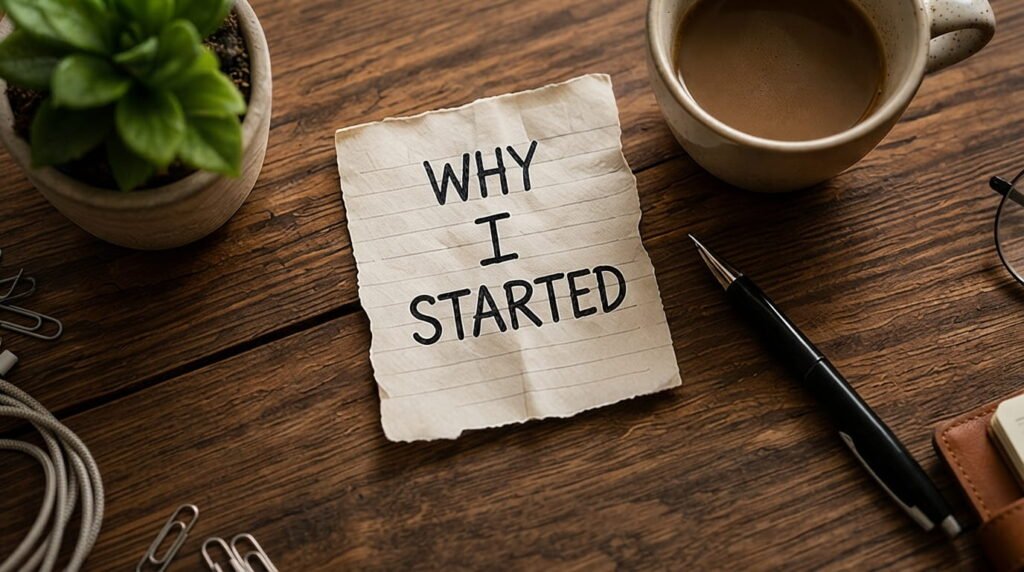
8. Remember Why You Started
When motivation disappears, your original reason for starting can bring you back.
Maybe you want more energy. Perhaps you want to feel stronger, improve your daily routine, become more active with your family, or simply take better care of yourself.
Write your reason down somewhere you can see it regularly.
Your goal should be more meaningful than simply chasing a number. When your motivation is connected to something that genuinely matters to you, staying consistent becomes easier.
9. Give Yourself Time to See Results
Many people quit because they don’t see immediate results. But meaningful changes often take time.
Your body and habits don’t transform after a few days. Consistency matters more than quick results.
Instead of constantly asking, “Why haven’t I reached my goal yet?” focus on whether you’re building behaviors that can last for months and years.
Be patient with yourself. A slower journey that you can maintain is usually more valuable than an extreme routine you abandon after a few weeks.

10. Celebrate Every Win
You don’t have to wait until you reach your biggest goal before recognizing your progress.
Celebrate the small victories: completing a workout, choosing a healthier meal, going for a walk instead of staying inactive, getting back on track after a setback, or maintaining a habit for another week.
Celebration doesn’t have to involve food or spending money. You might enjoy a relaxing evening, watch a favorite movie, buy a book, or simply acknowledge how far you’ve come.
These small moments reinforce the idea that taking care of yourself is something worth continuing.

Conclusion
Learning how to stay motivated on your health journey isn’t about feeling motivated every single day. It’s about building realistic habits that continue working when motivation naturally fades. Set manageable goals, focus on progress, create routines you enjoy, track meaningful improvements, and give yourself permission to make mistakes.
Most importantly, remember that your health journey belongs to you. You don’t have to follow someone else’s timeline. Keep taking the next small step, and let consistency—not perfection—guide you.
At Read Hub, we believe useful health information should be practical, realistic, and easy to apply in everyday life.
If you have any questions or concerns regarding this topic, feel free to contact us through our Contact Us page or reach out via the WhatsApp button available on Read Hub. We’re always happy to help!
FAQ
How can I stay motivated to improve my health?
Set small, achievable goals and focus on daily actions rather than immediate results. Tracking progress and remembering why you started can also help you stay consistent.
What should I do when I lose motivation?
Don’t wait until you feel motivated again. Start with one very small action, such as taking a short walk or preparing a healthy meal. Small actions can help rebuild momentum.
How long does it take to build healthy habits?
There is no single timeline that works for everyone. The time needed depends on the habit, your routine, and your circumstances. Consistency is more important than trying to meet a specific number of days.
Is it normal to have setbacks during a health journey?
Absolutely. Setbacks are common. What matters is avoiding the all-or-nothing mindset and returning to your routine when you’re ready.
How can I make healthy living easier to maintain?
Choose activities and habits that fit your lifestyle. Keep your goals realistic, prepare for difficult days, remove unnecessary obstacles, and focus on sustainable changes rather than extreme routines.