

Knowing how to protect yourself from online scams legally is more important than ever. From fake shopping websites and phishing emails to investment fraud and impersonation scams, online criminals use increasingly convincing tactics to trick people into handing over money or personal information. The good news is that you can take practical steps to reduce your risk and create a strong record if something goes wrong. This guide from Read Hub explains how to recognize common scams, protect your evidence, communicate safely, report fraud, and use legitimate legal channels to seek help.
1. Recognize the Warning Signs
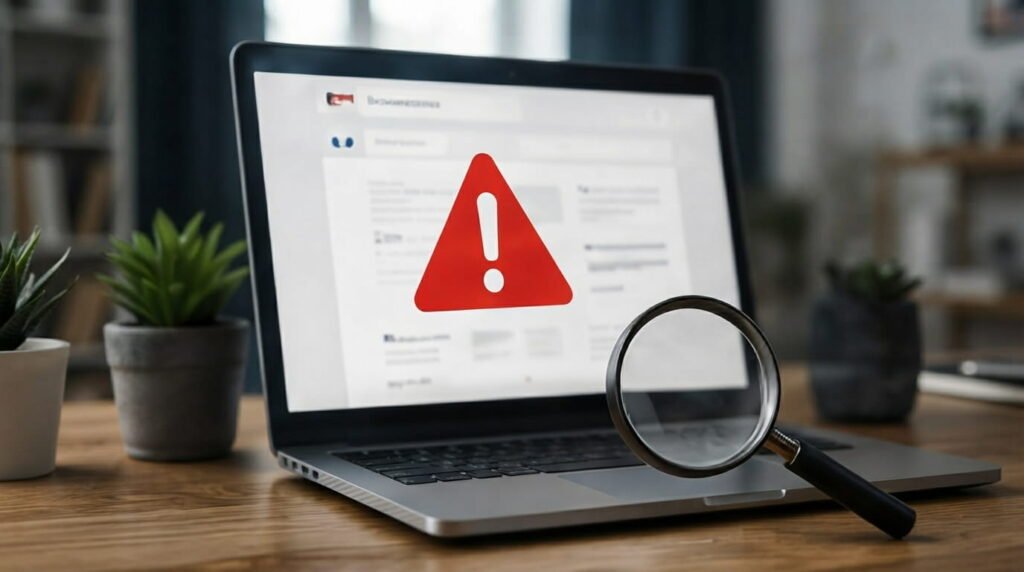
The first step is spotting suspicious behavior before you lose money or information. Be cautious when someone creates extreme urgency, promises guaranteed profits, demands unusual payment methods, or asks for passwords, verification codes, or banking details.
Common examples include fake job offers, fraudulent online stores, romance scams, investment schemes, phishing messages, and people pretending to be banks or government officials.
When something feels rushed or unusually good, slow down. Verify the person’s identity independently instead of using the contact details provided in the suspicious message.
2. Protect Your Accounts and Personal Information
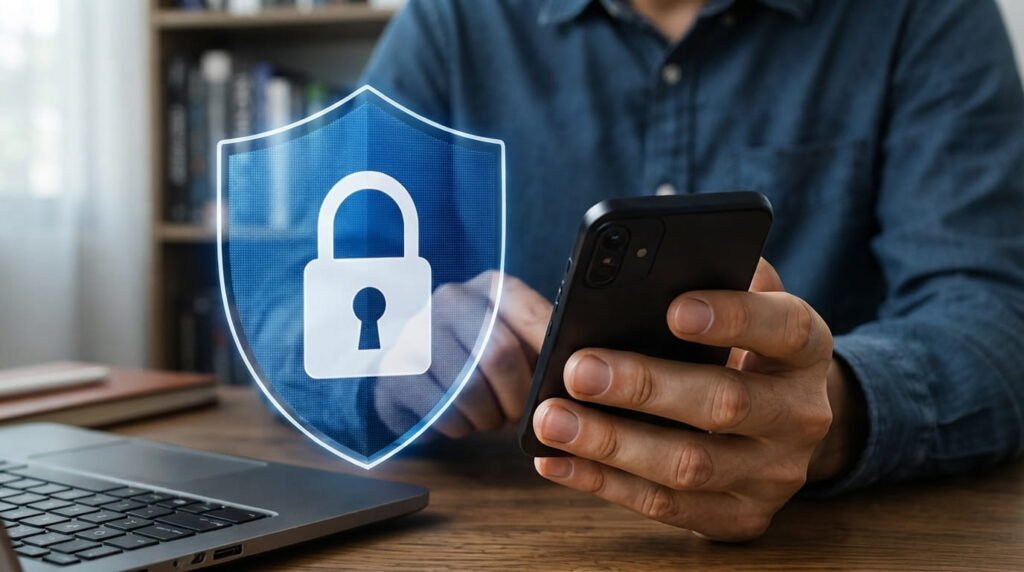
Strong security can prevent a scam from becoming an even bigger problem. Use unique passwords for important accounts and enable two-factor authentication whenever it is available.
Never share one-time passwords, PINs, recovery codes, or complete banking credentials with someone who contacts you unexpectedly. Also, avoid clicking suspicious links in emails or messages.
If you believe your login details have been exposed, change the password immediately and secure any other accounts using the same credentials.
3. Preserve Evidence Before Taking Action
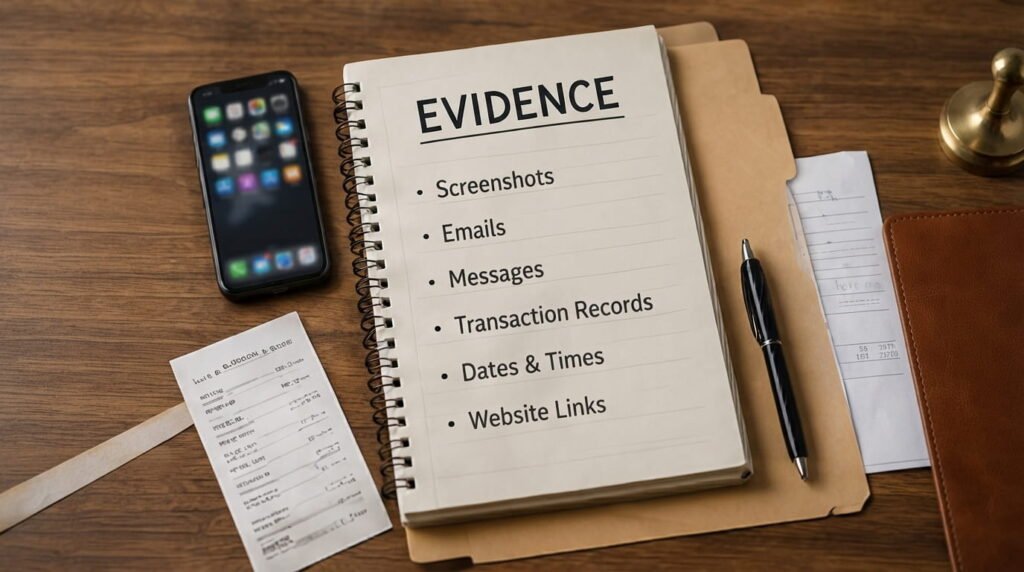
If you have been scammed, don’t immediately delete the messages or close the conversation. Save screenshots, emails, receipts, transaction records, usernames, phone numbers, website addresses, and relevant dates.
This information can become important when reporting fraud or asking a bank, payment provider, platform, or law-enforcement agency for assistance.
Keep the original files where possible and organize everything chronologically. A clear record makes it easier to explain exactly what happened.
4. Report the Scam Through Proper Channels
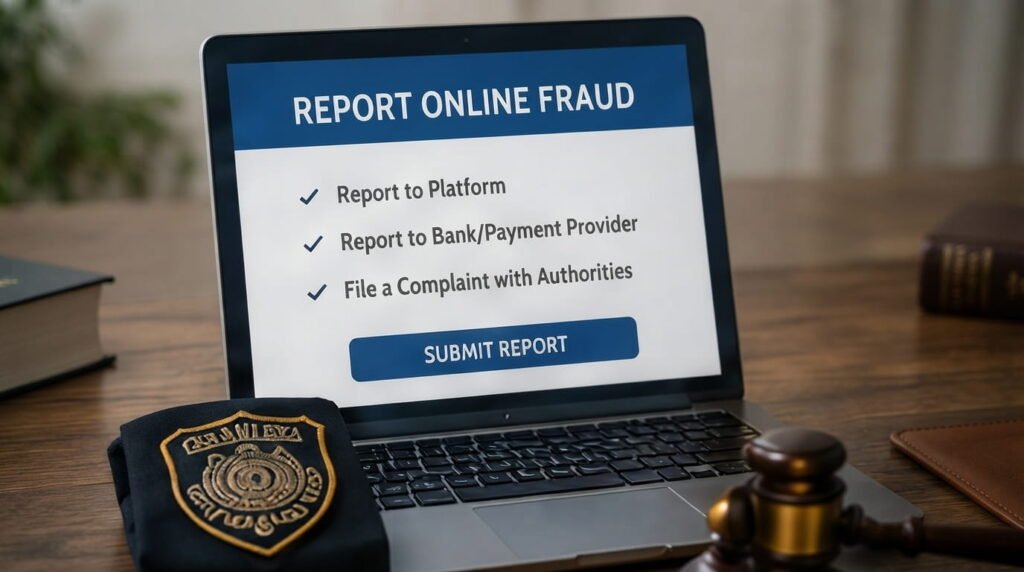
Reporting an online scam can help protect you and potentially prevent others from becoming victims. Contact the relevant bank or payment provider as soon as possible if money has been transferred.
You should also report fraudulent accounts or listings to the platform where the scam occurred. Depending on your country and circumstances, you may have access to consumer-protection agencies, cybercrime authorities, or police services.
Don’t pay someone who promises to recover your lost money for an upfront fee. Recovery scams often target people who have already been defrauded.
5. Understand Your Legal Options
Your legal options depend on where you live, what happened, how the payment was made, and what evidence you have. Depending on the circumstances, you may be able to dispute a transaction, file a formal fraud complaint, make a consumer-protection complaint, or consult a qualified lawyer.
Avoid threatening the suspected scammer or attempting retaliation. Instead, keep communications factual and preserve the evidence.
If a significant amount of money or sensitive information is involved, professional legal advice can help you understand the remedies available under your local laws.

Conclusion
Learning how to protect yourself from online scams legally isn’t only about avoiding suspicious links. It also means knowing how to secure your accounts, preserve evidence, report fraud properly, and understand your legal options when something goes wrong. Staying calm and acting quickly can make a meaningful difference.
Read Hub encourages readers to verify unexpected requests, protect sensitive information, and use legitimate reporting and legal channels rather than taking matters into their own hands.
If you have any questions or concerns regarding this topic, feel free to contact us through our Contact Us page or reach out via the WhatsApp button available on Read Hub. We’re always happy to help!
FAQ
What should I do if I realize I have been scammed online?
Stop communicating with the scammer, contact your bank or payment provider immediately if money is involved, secure compromised accounts, and preserve all relevant evidence before reporting the incident.
Can I legally report an online scam?
Yes. Online fraud can generally be reported through appropriate law-enforcement, cybercrime, consumer-protection, financial, or platform reporting channels, depending on your location and circumstances.
What evidence should I keep after an online scam?
Save screenshots, emails, messages, transaction receipts, account details, usernames, phone numbers, website information, and dates. Don’t alter or delete potentially useful evidence.
Can I get my money back after an online scam?
Sometimes. The possibility depends on the payment method, timing, financial institution, circumstances of the transaction, and applicable laws. Contact your payment provider as quickly as possible.
Should I threaten or confront an online scammer?
No. Confrontation or retaliation can create additional risks. It is safer to preserve evidence and use legitimate reporting, financial, and legal channels.