

Learning how to shop smarter and save money on clothes doesn’t mean giving up style or wearing the same outfits every week. The real trick is knowing what you need, understanding what you’re paying for, and avoiding purchases you’ll regret later. From checking your wardrobe before shopping to comparing prices and choosing versatile pieces, a few simple habits can make a noticeable difference. Whether you’re shopping online, visiting a mall, or looking for seasonal deals, smarter decisions can help you build a useful wardrobe without constantly overspending. Read Hub brings you practical ways to make every clothing purchase count.

1. Check Your Wardrobe First
Before opening a shopping app or heading to the mall, take a quick look at what you already own. You may discover that you have several similar shirts, jeans, or jackets that you rarely wear.
Identify the gaps instead. If you already have five casual shirts but don’t own a versatile pair of trousers, buying another shirt isn’t helping your wardrobe.
Smart tip: Make a simple list of clothing you actually need before shopping. This makes it easier to avoid unnecessary purchases.

2. Set a Clothing Budget
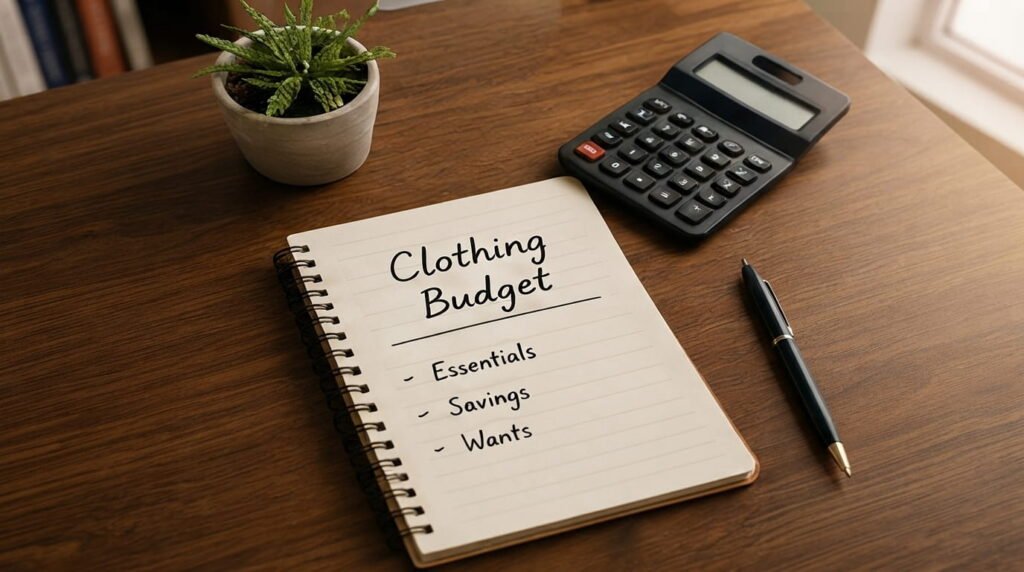
A clothing budget gives you a clear spending limit and makes shopping decisions much easier. Decide how much you’re comfortable spending each month or season before you start browsing.
You don’t have to follow an extremely strict budget. Even a basic limit can stop a small shopping trip from turning into a surprisingly expensive one.
Smart tip: Keep part of your clothing budget for essentials and a smaller portion for items you simply want.
3. Make a Shopping List
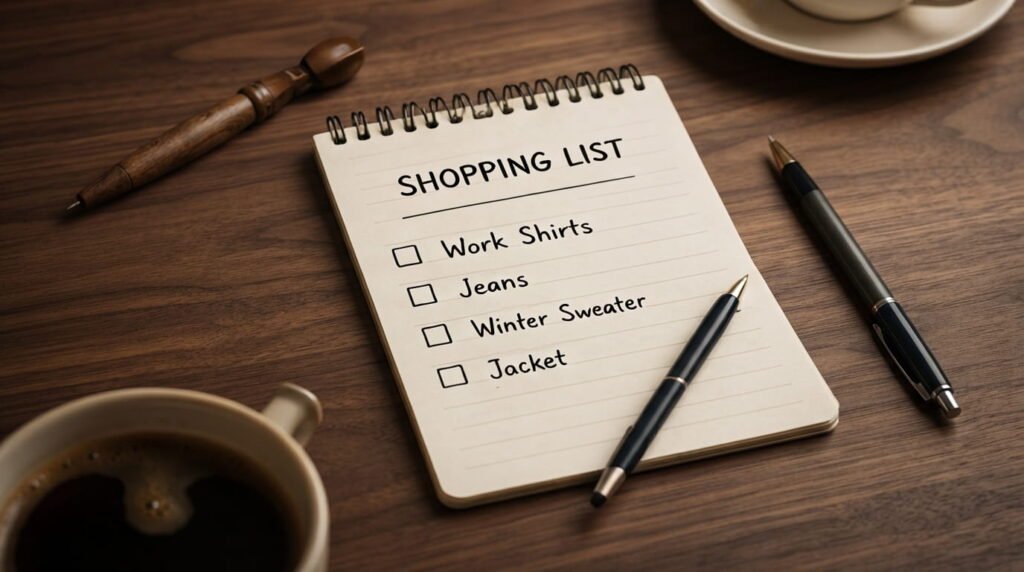
Going shopping without a plan can lead to impulse buying. A shopping list keeps your attention on useful purchases instead of whatever catches your eye.
For example, if you need two work shirts, a pair of jeans, and a winter sweater, write those items down. When something unrelated appears, ask yourself whether you genuinely need it.
Smart tip: Wait 24 hours before buying an expensive item that wasn’t on your original list.
4. Compare Prices
The same clothing item can sometimes be available from different stores at different prices. Online shopping makes price comparison especially easy.
Before buying, check several retailers and look at the final cost, including shipping and possible taxes. Also compare the material, size options, return policy, and customer reviews rather than choosing based on price alone.
Smart tip: Search for the exact product name or model to see whether another retailer offers a better price.

5. Don’t Shop Just Because It’s on Sale
A discount isn’t automatically a saving. If you spend $30 on something you didn’t need, you’ve still spent $30.
Sales can be useful when you’re buying something already on your list. However, large discounts can encourage people to purchase items simply because the original price looks high.
Smart tip: Ask yourself, “Would I buy this at the current price if there were no discount label?” If the answer is no, leave it.

6. Focus on Quality
Cheap clothing isn’t always cheaper in the long run. An inexpensive item that loses its shape after a few washes may cost more over time than a better-made piece that lasts for years.
Check the fabric, stitching, buttons, zippers, and overall construction. You don’t necessarily need luxury brands. The goal is to find clothing that offers good quality for its price.
Smart tip: Pay particular attention to frequently worn items such as jeans, shoes, jackets, and everyday shirts.

7. Choose Versatile Clothing
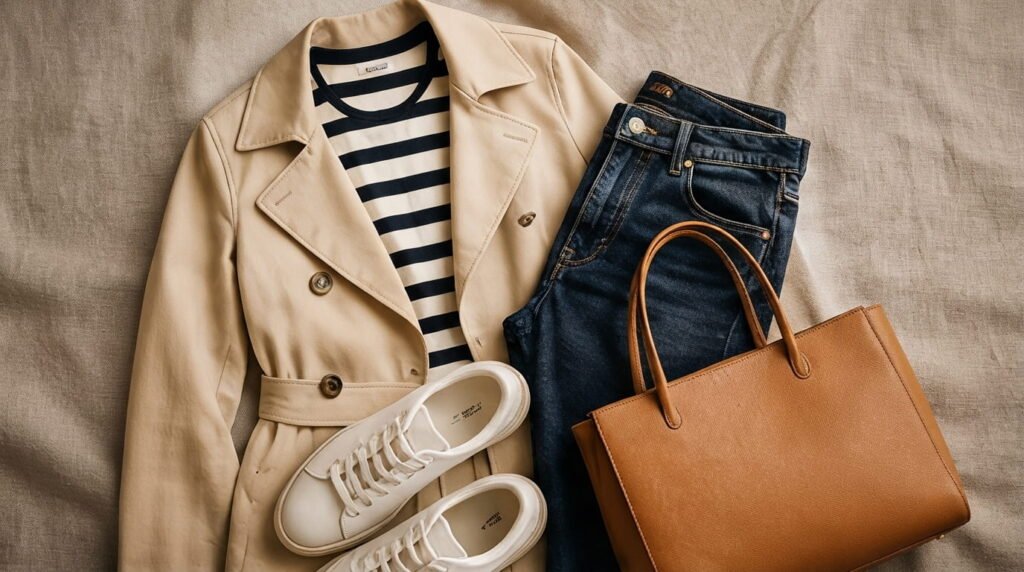
One of the easiest ways to save money is to buy clothes that work with multiple outfits. A versatile shirt that matches jeans, trousers, and a jacket can provide much more value than a highly specific piece.
Neutral colors and simple designs are often easier to mix and match.
Smart tip: Before buying something, think of at least three outfits you could create with it using clothes you already own.
8. Learn to Recognize Good Deals
Smart shoppers don’t simply look for the biggest percentage discount. They look for the best overall value.
A good deal combines a reasonable price with useful design, suitable quality, and something you’ll actually wear. Seasonal sales can be particularly helpful when you plan ahead for clothing you’ll need later.
Smart tip: Keep track of the normal prices of items you frequently buy. This helps you recognize whether a sale is genuinely worthwhile.

9. Consider Secondhand Clothing
Secondhand shopping can be an excellent way to save money, especially for jackets, formal clothing, books, bags, and other durable items.
Thrift stores, resale platforms, and clothing exchanges can sometimes offer high-quality pieces at considerably lower prices. Just inspect the item carefully before purchasing.
Smart tip: Check seams, stains, zippers, fabric condition, and signs of excessive wear. For online purchases, read the seller’s description carefully.

10. Take Care of What You Buy
Saving money doesn’t stop when you leave the store. Proper clothing care can extend the life of your wardrobe and reduce the need for frequent replacements.
Follow washing instructions, avoid unnecessary high-temperature washing, store delicate clothing properly, and repair small problems before they become bigger ones.
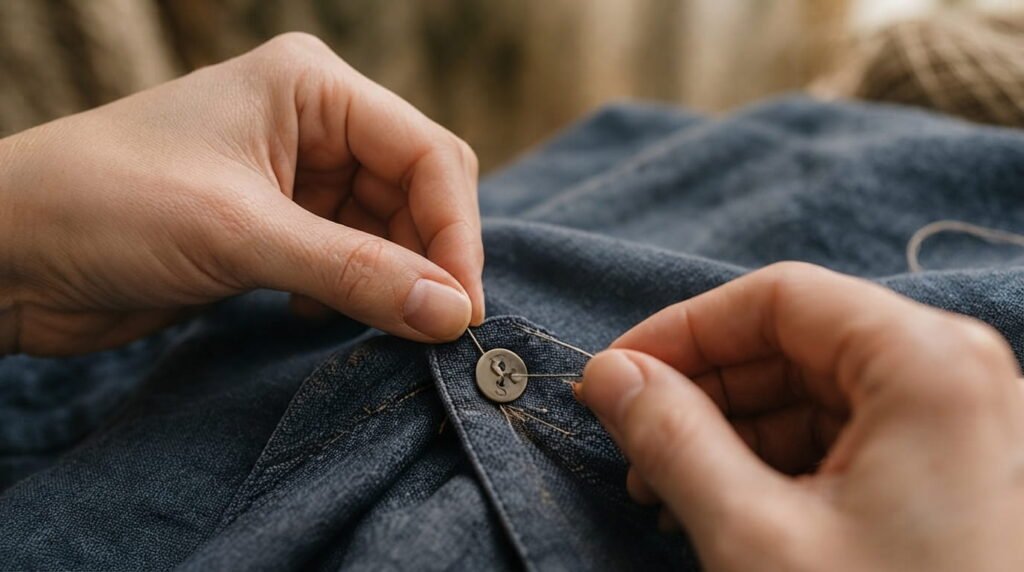
Smart tip: A loose button or tiny tear can often be repaired quickly. Don’t replace an otherwise good piece of clothing because of a minor problem.
Conclusion
Knowing how to shop smarter and save money on clothes is really about changing the way you make purchasing decisions. Check your wardrobe, create a budget, compare prices, avoid unnecessary sales, prioritize quality, and choose pieces that work with multiple outfits.
You don’t have to stop enjoying fashion to spend less. Instead, focus on buying clothing that genuinely adds value to your wardrobe and that you’ll continue wearing long after the excitement of a purchase disappears.
At Read Hub, we believe smart everyday choices can make a meaningful difference to your lifestyle and finances. With a little planning, you can look good, buy what you need, and keep more money in your pocket.
If you have any questions or concerns regarding this topic, feel free to contact us through our Contact Us page or reach out via the WhatsApp button available on Read Hub. We’re always happy to help!
FAQ
How can I save money when buying clothes?
Start by checking your existing wardrobe, setting a budget, making a shopping list, comparing prices, and avoiding purchases based only on discounts.
Is it better to buy cheap clothes or quality clothes?
Quality clothing can offer better value when it lasts longer and remains wearable after repeated use. However, expensive doesn’t always mean better, so consider materials and construction.
How can I avoid impulse clothing purchases?
Create a shopping list and give yourself a waiting period before buying anything expensive that wasn’t planned. Asking whether you’ll actually wear the item can also help.
Are clothing sales always worth it?
No. A sale is only useful if you actually need the item and the discounted price represents good value. Buying unnecessary items simply because they’re discounted can increase spending.
How can I make my wardrobe more affordable?
Choose versatile pieces that can be combined with several outfits, take good care of your clothing, consider secondhand options, and replace items only when necessary.