

When it comes to the best supplements for overall health and wellness, there is no one-size-fits-all answer. Supplements can help fill specific nutritional gaps, but they aren’t a replacement for a balanced diet, regular physical activity, adequate sleep, and other healthy habits. What makes sense for one person may be unnecessary—or even unsuitable—for another. Your age, diet, lifestyle, medications, and nutritional needs all matter. In this Read Hub guide, we’ll look at commonly discussed nutrients, when supplements may be useful, and what to consider before adding any supplement to your routine.
1. Understanding When Supplements Are Needed
Supplements are mainly useful when your diet does not provide enough of a particular nutrient or when a healthcare professional identifies a deficiency or increased need. Eating a varied diet should generally come first, with foods such as fruits, vegetables, whole grains, protein sources, and dairy or suitable alternatives providing a wide range of nutrients. Taking supplements simply because they seem healthy can be unnecessary, so it’s better to understand your individual needs first.

2. Vitamin D
Vitamin D supports normal bone health and several important functions in the body, but the amount a person needs can vary based on factors such as age, diet, and sun exposure. Some people may have difficulty getting enough from food and sunlight alone. If deficiency is suspected, a healthcare professional can determine whether supplementation is appropriate rather than relying on guesswork.

3. Vitamin B12
Vitamin B12 plays an important role in normal red blood cell formation and nervous-system function. People who consume little or no animal-derived food may have a higher risk of inadequate intake because natural B12 is mainly found in animal foods, although fortified foods can also provide it. Anyone considering B12 supplementation should choose an appropriate product based on their dietary pattern and individual needs.
4. Iron
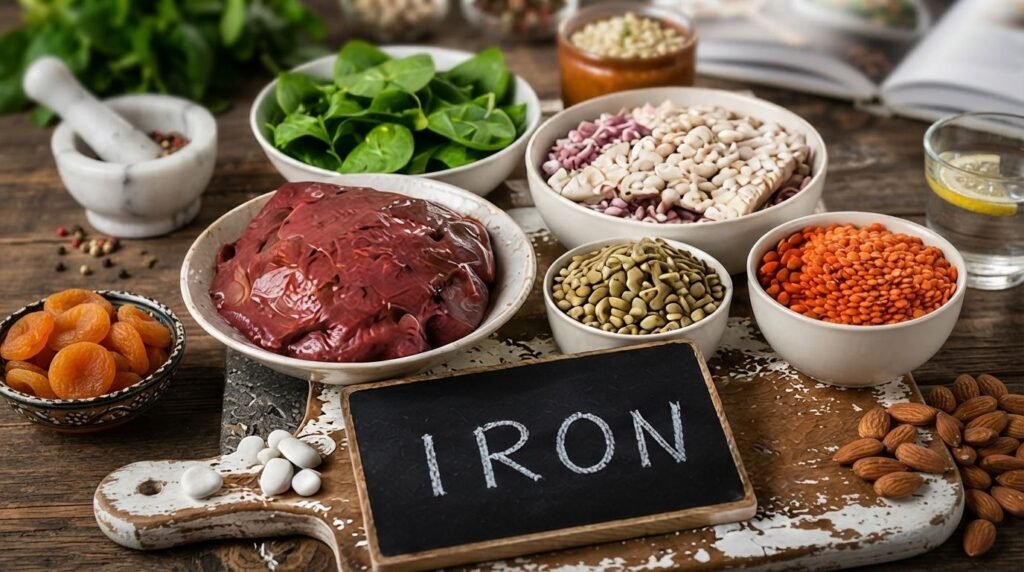
Iron is essential for producing hemoglobin and supporting normal energy metabolism, but taking extra iron when you don’t need it is not a good idea. Low iron can have different causes, and symptoms such as tiredness don’t automatically mean that an iron supplement is needed. If iron deficiency is suspected, professional guidance and appropriate testing are much safer than self-treating.
5. Calcium
Calcium is important for maintaining strong bones and normal muscle and nerve function. Many people can obtain sufficient calcium through foods such as dairy products, fortified alternatives, certain vegetables, and other calcium-containing foods. Supplements may be considered when dietary intake is inadequate, but the appropriate amount depends on individual circumstances.

6. Omega-3 Fatty Acids
Omega-3 fatty acids are found in foods such as oily fish, walnuts, flaxseeds, and chia seeds and are involved in several important body functions. For many people, getting nutrients through food is a sensible first approach. If you’re considering an omega-3 supplement, especially because of a particular health concern, discuss it with a qualified healthcare professional first.

7. Multivitamins
A multivitamin can provide several vitamins and minerals in one product, but it isn’t automatically necessary for everyone. A varied diet can provide many of the nutrients the body needs, while taking multiple products at once can make it easier to consume excessive amounts of certain nutrients. Instead of choosing a multivitamin based only on marketing claims, consider your actual dietary needs and seek professional advice when appropriate.

8. How to Choose Supplements Safely
Before taking a supplement, check the ingredients, serving information, expiration date, and manufacturer details, and avoid products that make unrealistic promises about improving health. Tell a healthcare professional about any supplements you take because some can interact with medicines or may be inappropriate for certain conditions. Children and teenagers should not start supplements without guidance from a parent or guardian and an appropriate healthcare professional.

Conclusion
The best supplements for overall health and wellness depend on the individual rather than a universal list of products. A nutritious diet should remain the foundation, while supplements can have a role when there is a genuine nutritional gap or a specific professional recommendation. Understanding your needs and avoiding unnecessary products is often more valuable than taking a long list of supplements. Read Hub encourages readers to make informed health decisions and seek qualified advice when they are unsure about supplementation.
If you have any questions or concerns regarding this topic, feel free to contact us through our Contact Us page or reach out via the WhatsApp button available on Read Hub. We’re always happy to help!
FAQ
Are supplements necessary for everyone?
No. Many people can obtain the nutrients they need through a varied, balanced diet. Supplements are generally most useful when dietary intake is inadequate or a specific need has been identified.
What is the best supplement for overall health?
There isn’t one supplement that is best for everyone. Nutritional needs vary according to factors such as age, diet, lifestyle, and individual health circumstances.
Can supplements replace a healthy diet?
No. Supplements are designed to complement nutrition rather than replace a varied diet and healthy lifestyle.
Should teenagers take vitamin supplements?
Teenagers should not routinely start supplements without appropriate guidance. A parent or guardian and healthcare professional can help determine whether a particular supplement is actually needed.
Can taking too many supplements be harmful?
Yes. Some vitamins and minerals can cause problems when taken in excessive amounts, and supplements can also interact with medicines. More is not necessarily better.