

If you’ve chosen a name for your business, protecting it can become an important part of building your brand. Learning how to trademark a business name in America can help prevent other businesses from using a confusingly similar name for related goods or services. However, registering a company name with a state is not the same as obtaining federal trademark protection. A trademark protects the name as it identifies the source of particular goods or services. In this guide, Read Hub explains the basic U.S. trademark process, from checking your name to submitting an application and maintaining your registration.

1. Understand What a Trademark Protects
A trademark can protect a word, phrase, symbol, design, or combination that identifies your goods or services. Your business name may function as a trademark when customers see it as identifying the source of what you sell. However, simply registering a business name with a state or buying a matching domain does not automatically give you federal trademark rights.

2. Search for Similar Trademarks
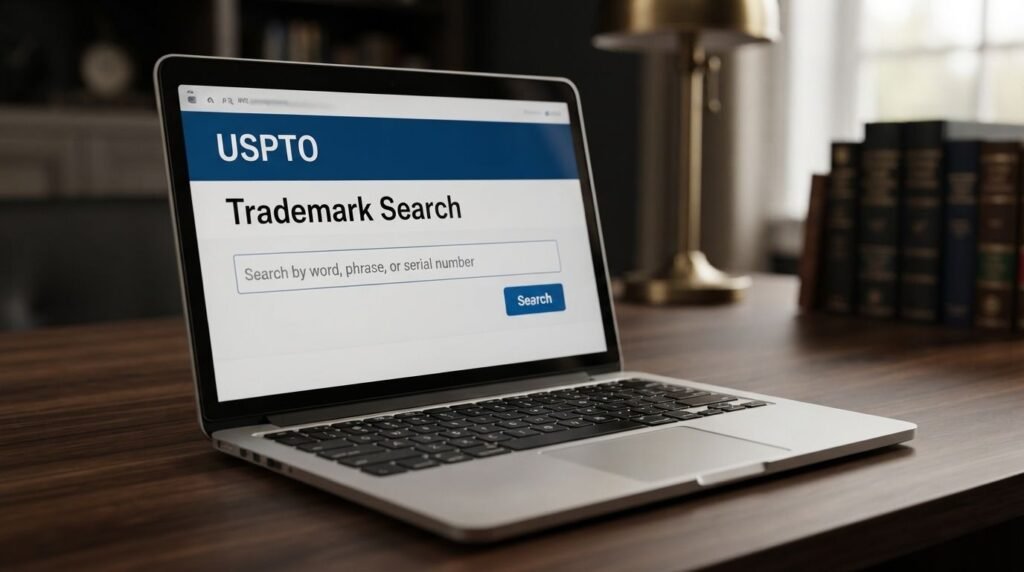
Before filing, search the USPTO’s trademark database for marks that are identical or confusingly similar to yours, especially those connected to related goods or services. Don’t stop with an exact-name search; also consider similar spellings, sounds, meanings, and related businesses. The USPTO recommends checking other sources, including internet, state, and business-name databases, because the federal database does not contain every possible trademark right.
3. Choose a Strong Business Name
Not every business name is equally easy to protect. Stronger trademarks are generally distinctive, while names that merely describe the goods or services can face registration problems. Before investing heavily in branding, consider whether your name is distinctive and whether another business already has rights in a similar name. If the situation is complicated, consulting a U.S.-licensed trademark attorney can help you assess the risks.

4. Identify Your Goods or Services
A trademark isn’t registered in isolation; your application must identify the goods or services connected to the mark. Be specific and accurate about what your business actually offers or intends to offer. Applying for goods or services that don’t match your actual use or genuine plans can create problems with the application, so choose the appropriate classifications carefully.

5. Choose Your Filing Basis
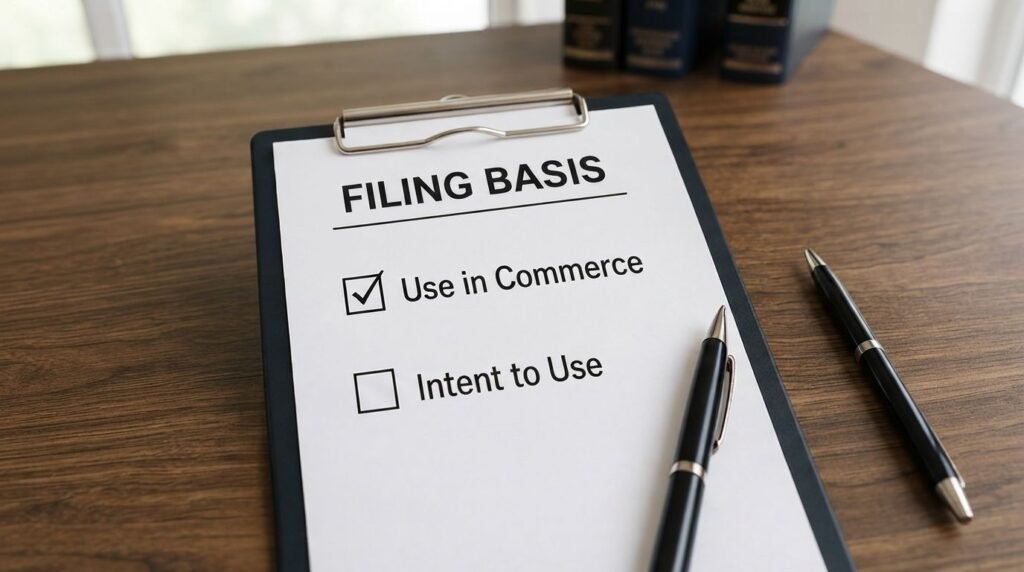
When applying for federal trademark registration, you need to provide a legal basis for the application. Two common options are use in commerce, when you’re already using the trademark in qualifying commerce, and intent to use, when you have a genuine intention to use it but haven’t started qualifying use yet. The evidence and requirements differ, so choose the filing basis that accurately reflects your situation.
6. File Your USPTO Application
Trademark applications are filed online through the USPTO’s Trademark Center. You’ll need information about the trademark owner, the mark, the relevant goods or services, and your filing basis, along with any required supporting materials. The current base application fee for Sections 1 and 44 is $350 per class, although additional fees can apply depending on the application.

7. Complete the Examination Process
After filing, a USPTO examining attorney reviews the application. The USPTO may issue an office action if there are legal or technical problems that need a response. If the application clears examination, it can move toward publication and, when all requirements are satisfied, registration. Because missed deadlines can seriously affect an application, carefully monitor USPTO communications throughout the process.

8. Maintain Your Trademark
Getting a registration is not the end of the process. Federal trademark registrations require ongoing maintenance filings to keep the registration active, and the owner remains responsible for monitoring and enforcing the trademark. A federal registration can provide nationwide rights connected to the listed goods or services and allows the owner to use the ® symbol for those registered goods or services.
Conclusion
Learning how to trademark a business name is an important step when you’re building a brand in America. Start by choosing a distinctive name, search carefully for conflicting marks, identify the correct goods or services, select the appropriate filing basis, and submit your application through the USPTO’s Trademark Center. Remember that a business-name registration, domain name, and federal trademark serve different purposes. For complicated ownership, conflict, or legal questions, professional trademark advice can be worthwhile. Read Hub aims to make business topics easier to understand so you can make better-informed decisions.
If you have any questions or concerns regarding this topic, feel free to contact us through our Contact Us page or reach out via the WhatsApp button available on Read Hub. We’re always happy to help!
FAQ
Does registering a business name automatically trademark it?
No. Registering a business or trade name through a state does not automatically provide federal trademark registration. Trademark protection depends on how the name is used and whether you obtain federal registration.
How much does it cost to trademark a business name?
The current USPTO base application fee is $350 per class for applications under Sections 1 and 44, with possible additional fees depending on the application.
Can I trademark my business name before launching?
Potentially, yes. The USPTO allows applications based on a genuine intent to use a mark in commerce, although additional requirements apply before registration can be completed.
Does a domain name give me trademark rights?
No. Registering a domain name does not by itself create trademark rights. A domain can sometimes also function as a trademark depending on how it is used to identify goods or services.
Do I need a trademark attorney?
U.S.-domiciled applicants generally aren’t required to have an attorney, although the USPTO strongly encourages qualified applicants to consider one. Foreign-domiciled applicants are required to be represented by a U.S.-licensed attorney.