
Learning how to pay off debt faster can make a noticeable difference in both your finances and your peace of mind. Whether you’re dealing with credit card balances, personal loans, or several monthly payments, the key is having a clear plan rather than simply paying whatever is left at the end of the month. A good strategy can help you reduce interest, free up monthly income, and make steady progress without relying on unrealistic sacrifices. In this Read Hub guide, you’ll find practical debt repayment strategies that can help you organize your finances and work toward becoming debt-free more efficiently.

Know Exactly What You Owe
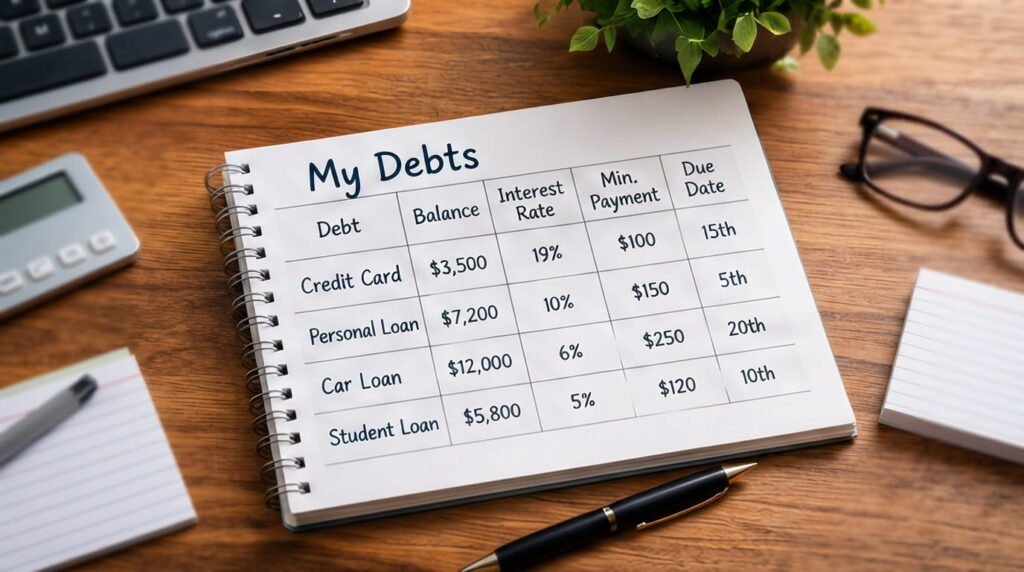
Start by listing every debt, including the balance, interest rate, minimum payment, and due date. Then compare your total monthly income with essential expenses to see how much you can realistically put toward debt. Having everything clearly organized makes it easier to create a repayment plan and prevents missed payments or unnecessary financial stress.
Choose the Right Debt-Payment Method
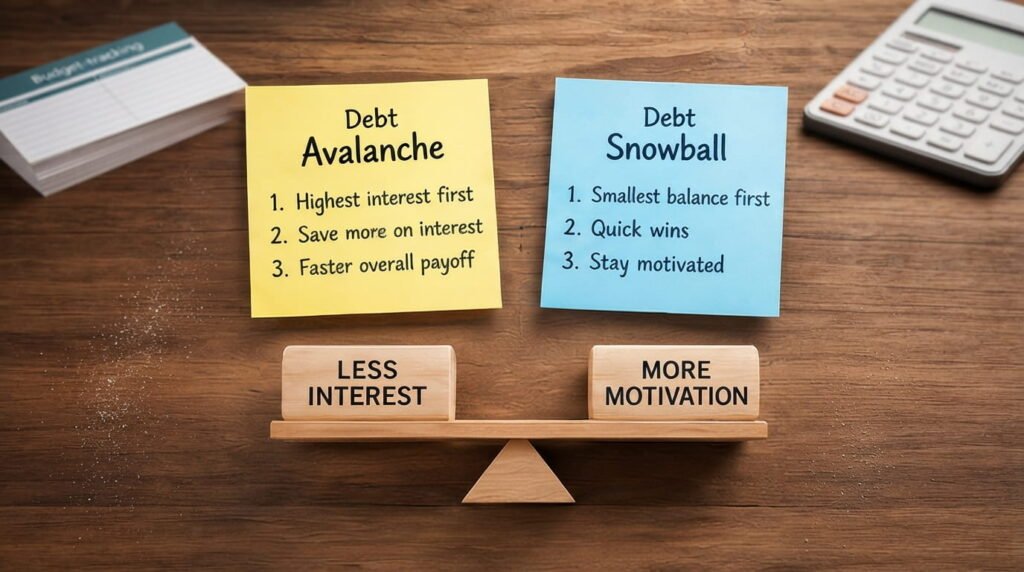
The two common approaches are the debt avalanche and debt snowball methods. Avalanche focuses on paying the highest-interest debt first, which can help reduce the total interest you pay. Snowball starts with the smallest balance, giving you quicker wins that may keep you motivated. Choose the method that fits your financial situation and that you can consistently follow.
Find Extra Money for Debt Payments
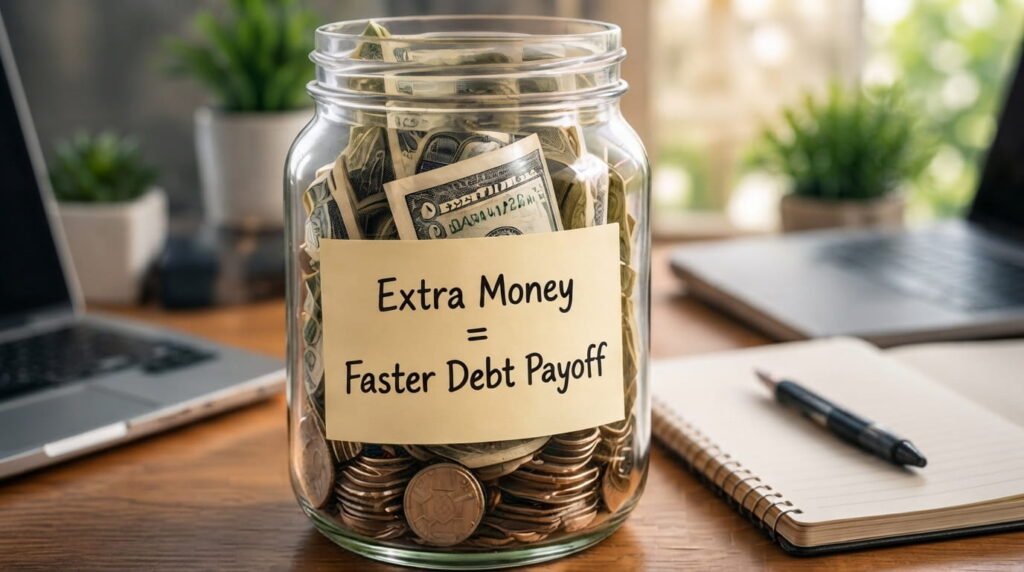
Look through your monthly spending for areas you can temporarily reduce, such as unnecessary subscriptions, frequent takeout, or impulse purchases. You can also put extra income, freelance earnings, bonuses, or other unexpected money toward your debt. Even a small additional payment each month can speed up repayment when you keep doing it consistently.
Reduce Interest and Unnecessary Costs
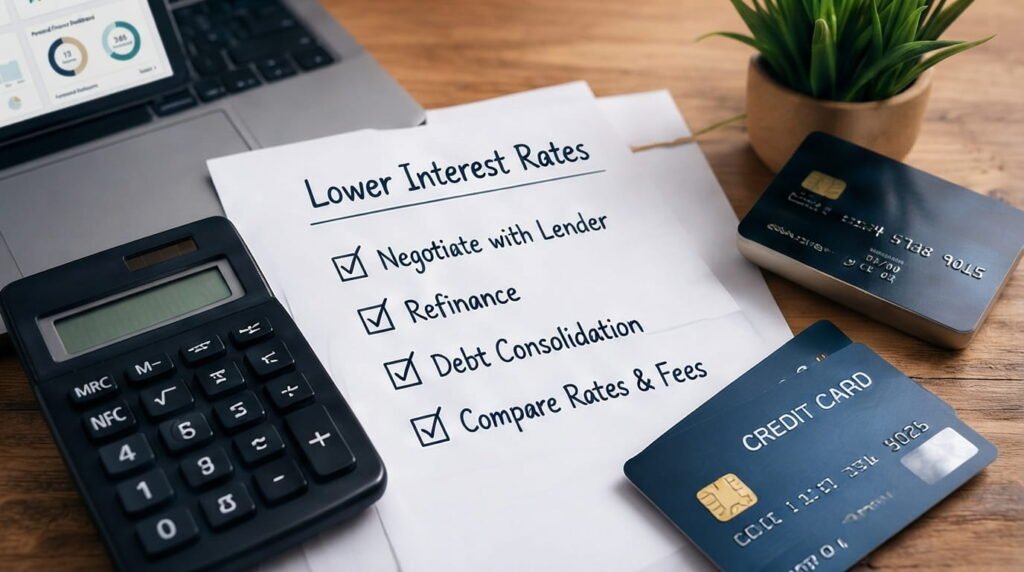
High interest can make debt take much longer to clear, so review your interest rates and explore legitimate options that may lower your borrowing costs. Depending on your circumstances, this could include negotiating with a lender, refinancing, or considering consolidation after comparing rates and fees. At the same time, avoid taking on new unnecessary debt while you’re trying to clear existing balances.
Stay Consistent Until You’re Debt-Free
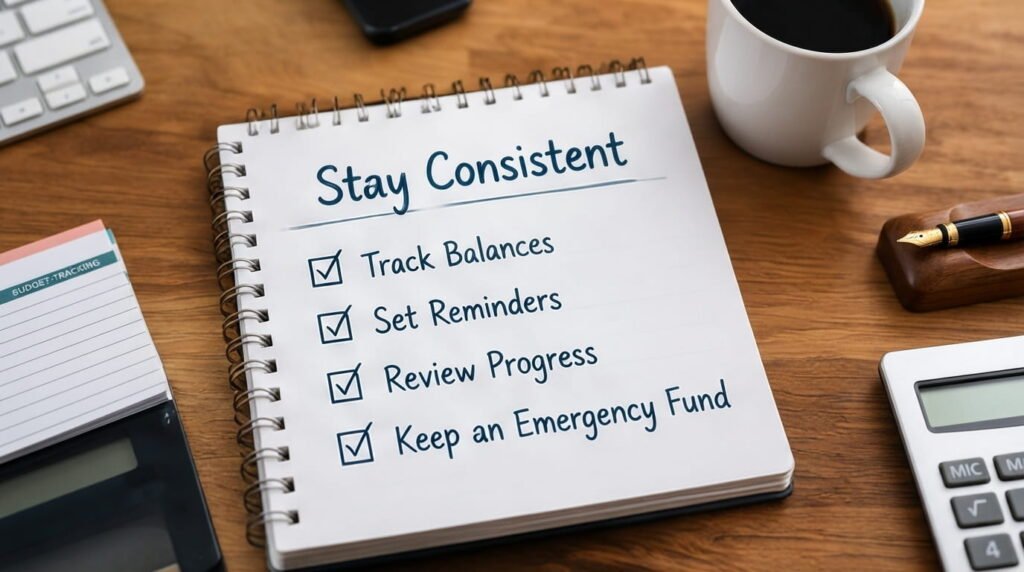
Debt repayment takes time, so consistency matters more than making one large payment and then abandoning the plan. Track your balances, set payment reminders, and review your progress each month. Keep a reasonable emergency cushion when possible so unexpected expenses don’t immediately send you back to credit. Small, sustainable financial changes can eventually make a significant difference.
Conclusion
To pay off debt faster, focus on knowing exactly what you owe, choosing a suitable repayment method, finding extra money, reducing interest costs, and staying consistent. You don’t need an extreme budget to make progress; a realistic plan followed month after month can gradually reduce your balances and improve your financial position. For more practical money-management advice, keep exploring Read Hub.
If you have any questions or concerns regarding this topic, feel free to contact us through our Contact Us page or reach out via the WhatsApp button available on Read Hub. We’re always happy to help!
FAQ
What is the fastest way to pay off debt?
Prioritizing high-interest debt while continuing minimum payments on other balances can help reduce interest and speed up repayment.
Is debt avalanche better than debt snowball?
Avalanche can save more on interest, while snowball can provide quicker psychological wins. Choose the approach you’re most likely to maintain.
Should I save money while paying off debt?
Keeping a basic emergency cushion can help prevent unexpected expenses from forcing you to take on additional debt.
Can cutting expenses help pay off debt?
Yes. Reducing flexible spending can free up more money for additional debt payments without requiring a higher income.
Is debt consolidation always a good idea?
Not necessarily. Compare interest rates, fees, terms, and the total repayment cost before moving your debt to another loan or account.