

Filing for divorce can feel overwhelming, especially if you’re unfamiliar with the legal process. Every state has its own divorce laws, filing requirements, and waiting periods, which can make the process seem confusing at first. However, understanding the basic steps can help you prepare and avoid common mistakes.
Whether your divorce is uncontested or involves disputes over property, finances, or child custody, knowing what to expect can make the experience less stressful. This guide from Read Hub explains the divorce process in the United States, the documents you’ll need, and the key decisions you’ll face before your divorce is finalized.
Understand Your State’s Divorce Laws
The first step is learning the divorce laws in your state. While the overall process is similar across the United States, each state has different rules regarding residency, filing fees, waiting periods, and property division.
Some states follow community property rules, while others use equitable distribution, meaning marital assets are divided fairly rather than equally. Understanding your state’s requirements before filing can save time and reduce unnecessary complications.
If your case involves children, business ownership, or significant assets, consider consulting a qualified family law attorney to understand your legal rights.

Meet the Residency Requirements
Before filing, at least one spouse must usually meet the state’s residency requirement. Depending on where you live, this may range from a few weeks to several months.
Filing before meeting these requirements can delay your case or result in the court rejecting your petition.
Helpful Tip:
Check your local county or state court requirements before preparing any paperwork.

Decide the Type of Divorce
Choosing the right type of divorce is an important decision.
Uncontested Divorce
Both spouses agree on issues such as:
- Property division
- Child custody
- Child support
- Spousal support
Because there are fewer disagreements, uncontested divorces are generally faster, less expensive, and less stressful.
Contested Divorce
A contested divorce occurs when spouses cannot agree on one or more important issues. In these situations, mediation, negotiation, or court hearings may be necessary before a judge makes the final decision.

Gather Important Documents
Organizing your paperwork before filing makes the process much smoother.
Common documents include:
- Marriage certificate
- Financial statements
- Tax returns
- Bank account information
- Property records
- Mortgage documents
- Retirement account statements
- Insurance information
- Children’s records (if applicable)
Having accurate financial information helps ensure a fair division of assets and reduces delays during the case.

Complete and File the Divorce Papers
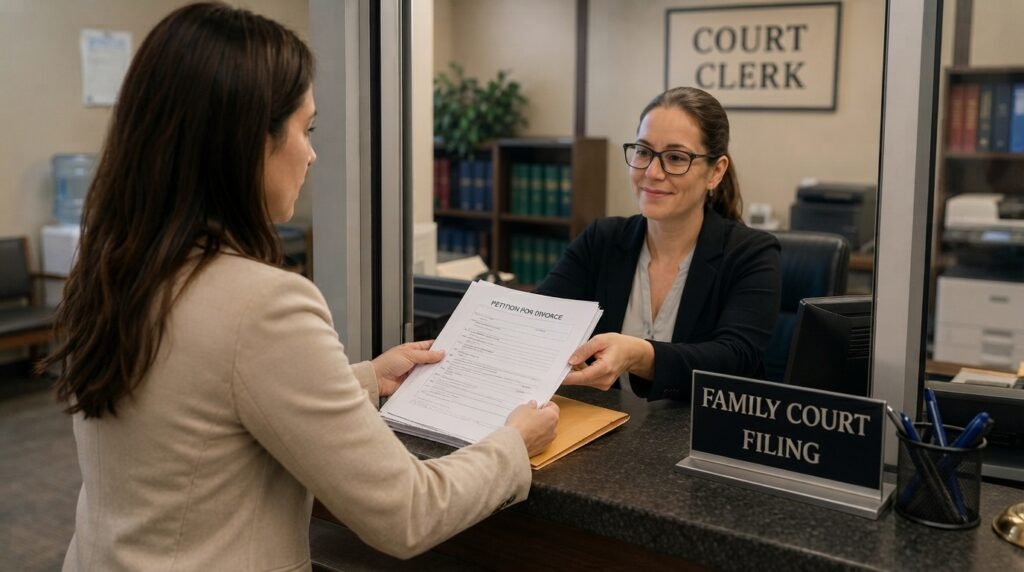
Once your documents are ready, complete the required divorce forms provided by your local family court. These forms generally include a divorce petition along with financial disclosures and any additional paperwork required by your state.
After completing the documents, file them with the appropriate court and pay the required filing fee. If you’re unable to afford the fee, many courts allow eligible individuals to request a fee waiver.
Before submitting your paperwork, carefully review every form to make sure all information is accurate and complete. Even small mistakes can delay the process.
Serve Your Spouse
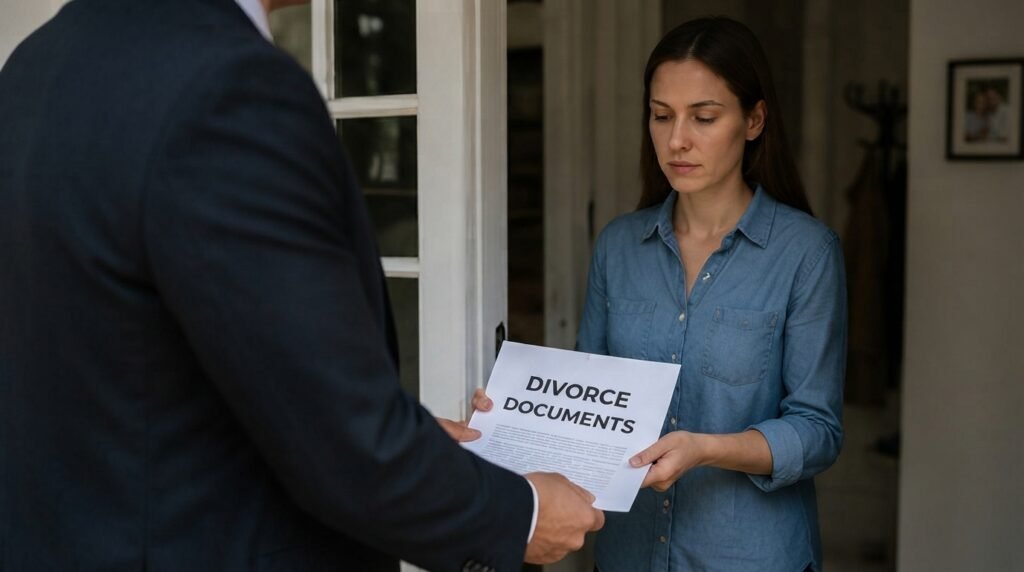
After filing the divorce petition, the law generally requires that your spouse receive official notice of the case. This is known as service of process. Depending on your state’s rules, the documents may be delivered by a sheriff, a professional process server, or another approved adult who isn’t involved in the case.
Once your spouse is served, they have a specific period to file a response. If they fail to respond within the required timeframe, the court may allow the case to move forward by default.
Negotiate Important Issues
Before the divorce is finalized, both spouses must resolve key matters related to the marriage. If you can reach an agreement without going to trial, the process is usually quicker and less expensive.
Important issues may include:
- Division of marital property
- Child custody and parenting plans
- Child support
- Spousal support (alimony)
- Division of debts and financial responsibilities
Many couples use mediation to settle disagreements. A successful agreement can save time, reduce legal costs, and minimize stress for everyone involved.

Attend Court Hearings
Some divorces require one or more court hearings, while others may be finalized without a lengthy court appearance if both spouses agree on all terms.
During the hearing, the judge reviews the paperwork, ensures legal requirements have been met, and confirms that any agreements are fair and comply with state law. If disputes remain unresolved, the judge may hear evidence before making a final decision.
Being organized and bringing all required documents can help the hearing go smoothly.

Receive the Final Divorce Decree
A divorce is not legally complete until the court issues a Final Divorce Decree (sometimes called a Judgment of Divorce). This document officially ends the marriage and outlines the rights and responsibilities of each spouse.
The decree may include:
- Property and asset division
- Child custody arrangements
- Child support orders
- Spousal support details
- Other court-approved agreements
Keep several certified copies of the decree, as you may need them to update your name, financial accounts, insurance policies, or other legal records.

Life After Divorce
Finalizing your divorce marks the beginning of a new chapter. While adjusting to life after divorce can take time, planning ahead can make the transition easier.
Consider updating your financial plans, reviewing your budget, changing beneficiaries on insurance or retirement accounts, and creating new personal goals. If children are involved, maintaining respectful communication and following the parenting plan can help provide stability for the entire family.
Don’t hesitate to seek emotional support from trusted friends, family members, or a qualified counselor if needed. Taking care of your mental and financial well-being is just as important as completing the legal process.

Conclusion
Understanding how to file for divorce in the USA can make a difficult situation feel more manageable. By learning your state’s requirements, preparing the necessary documents, serving your spouse correctly, and resolving important issues fairly, you can navigate the process with greater confidence. Since every divorce is unique and state laws differ, consider seeking legal advice whenever your situation involves complex assets, child custody, or other significant matters. At Read Hub, our goal is to provide reliable, easy-to-understand information that helps you make informed decisions.
If you have any questions or concerns regarding this topic, feel free to contact us through our Contact Us page or reach out via the WhatsApp button available on Read Hub. We’re always happy to help!
FAQ
1. How long does a divorce take in the USA?
The timeline depends on the state and the complexity of the case. An uncontested divorce may take a few months, while a contested divorce can take considerably longer.
2. Can I file for divorce without a lawyer?
Yes. Many people file on their own in straightforward, uncontested cases. However, legal advice is recommended when property, children, or financial disputes are involved.
3. How much does it cost to file for divorce?
Costs vary by state and court. Expenses typically include filing fees, and additional costs may apply if attorneys, mediation, or expert services are needed.
4. What is the difference between contested and uncontested divorce?
An uncontested divorce means both spouses agree on all major issues. A contested divorce involves disagreements that may require mediation or court decisions.
5. Do all divorce cases go to court?
No. Many uncontested divorces are finalized with minimal court involvement, while contested cases often require one or more hearings.