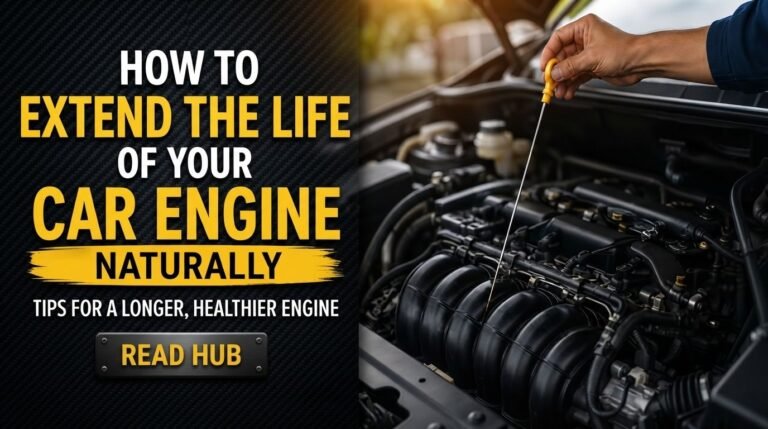

A well-maintained car isn’t just more reliable—it also keeps you safer on the road and saves you money in the long run. Many expensive repairs start with small problems that could have been prevented through regular maintenance. Whether you’re a new driver or have years of experience behind the wheel, understanding the basics of vehicle care can help your car perform better and last much longer.
In this guide, Read Hub shares ten practical car maintenance tips that every driver should follow. These simple habits require little time but can make a huge difference in your vehicle’s performance, fuel efficiency, and overall lifespan.

1. Check Your Engine Oil Regularly
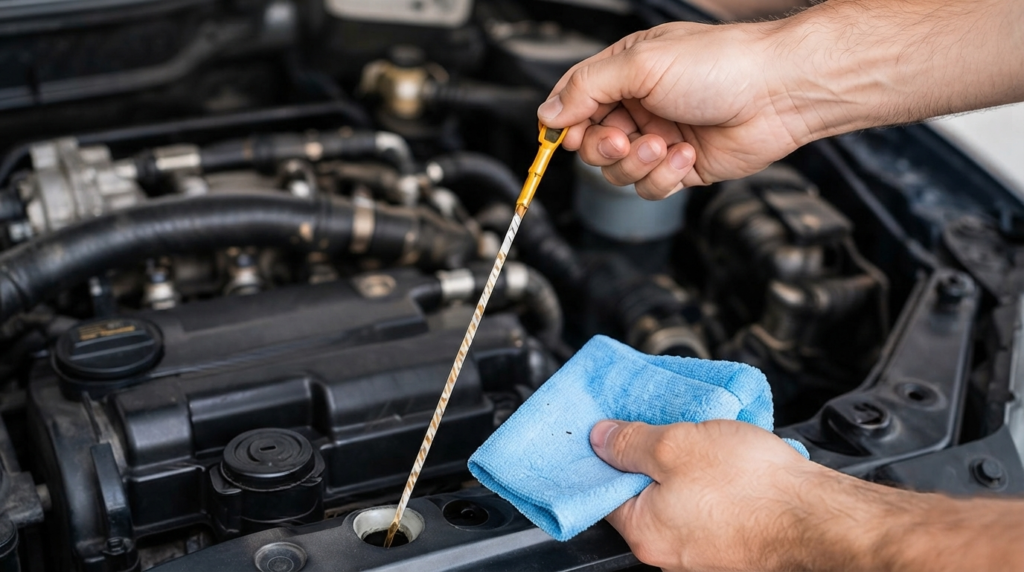
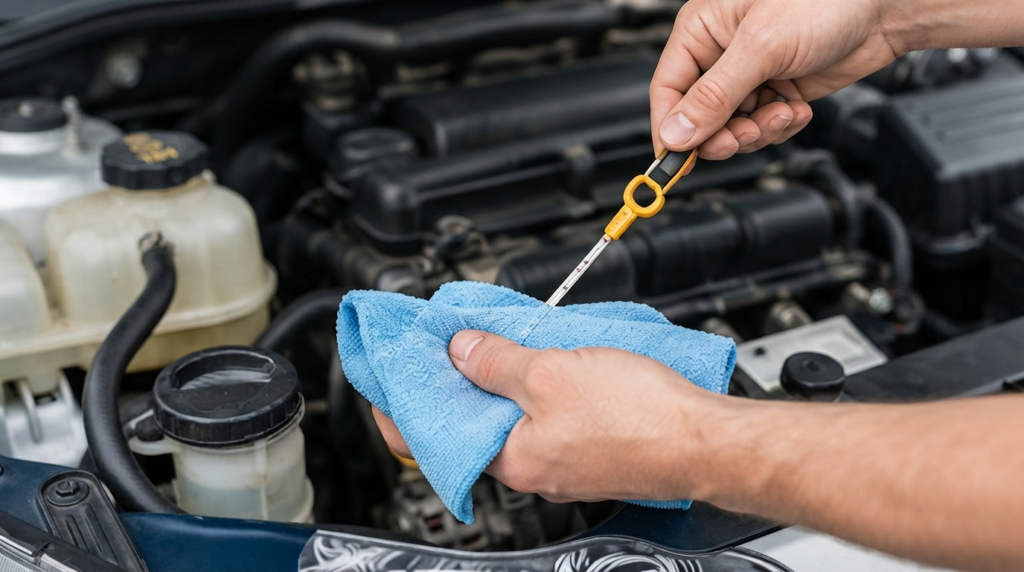
Engine oil is the lifeblood of your vehicle. It lubricates moving parts, reduces friction, and helps keep the engine cool. Driving with dirty or low oil can lead to overheating and serious engine damage.
Check the oil level at least once a month using the dipstick. If the oil appears dark, gritty, or falls below the recommended level, it’s time for an oil change or top-up. Following your manufacturer’s recommended oil change intervals helps improve engine performance and extend its lifespan.
Quick Tip: Always use the oil grade recommended in your owner’s manual.
2. Maintain Proper Tire Pressure
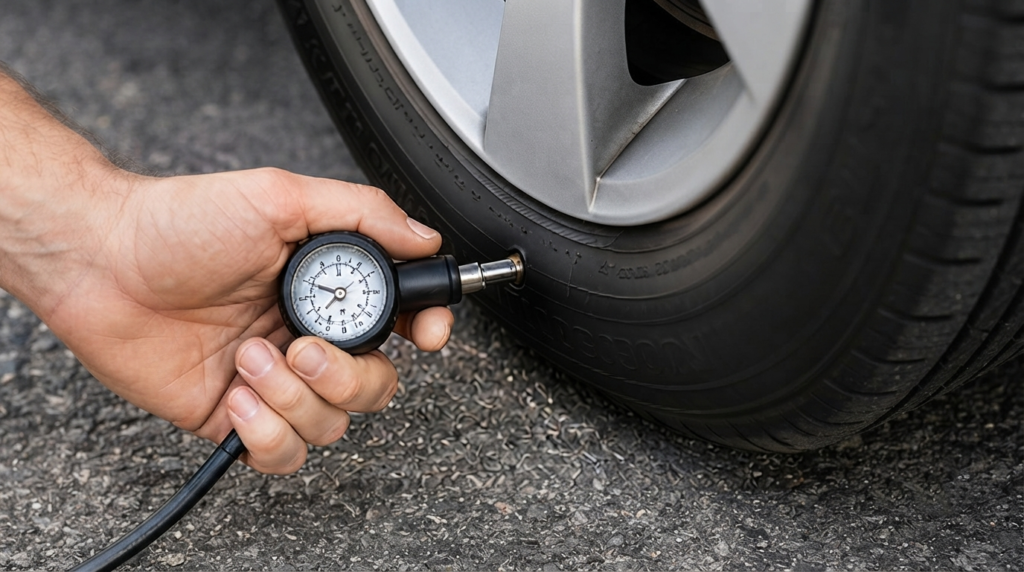
Your tires directly affect safety, handling, and fuel economy. Underinflated tires wear out faster, reduce gas mileage, and increase the risk of blowouts, while overinflated tires reduce traction.
Use a reliable tire pressure gauge every few weeks and before long trips. Inflate your tires according to the pressure listed on the driver’s door sticker rather than the number printed on the tire itself.
Proper tire pressure also improves braking performance and provides a smoother driving experience.
3. Inspect and Replace Brake Components
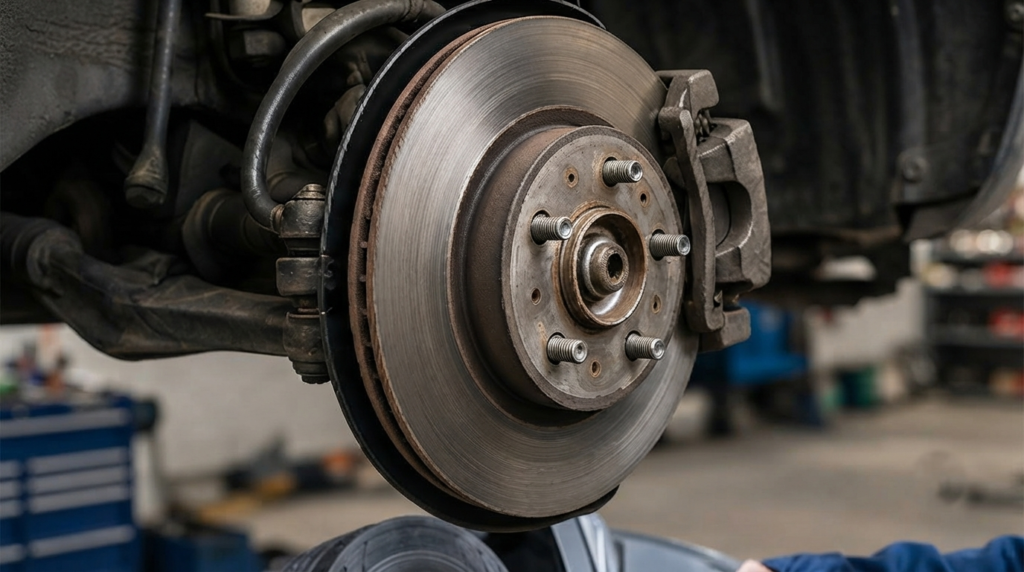
Brakes are among the most important safety systems in any vehicle. Ignoring warning signs can increase stopping distance and lead to costly repairs.
Listen for squeaking or grinding noises, notice if the brake pedal feels soft, or pay attention to any vibration when braking. These symptoms often indicate worn brake pads or damaged rotors that should be inspected immediately.
Routine brake inspections not only improve safety but also prevent more expensive repairs later.
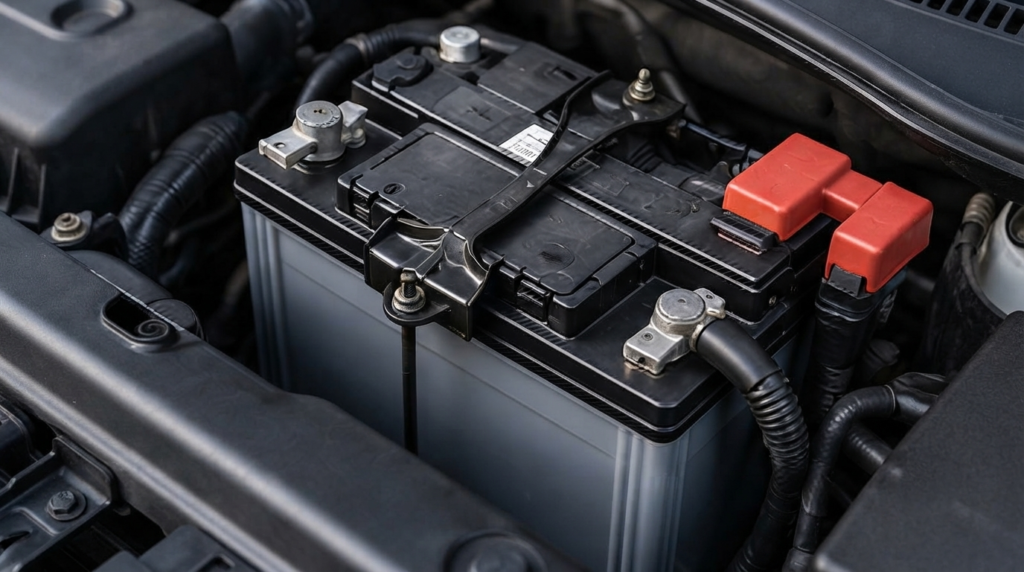
4. Keep Your Battery in Good Condition
A weak battery can leave you stranded without warning. Extreme temperatures, corrosion, and age all reduce battery performance over time.
Inspect the battery terminals regularly for corrosion and clean them if necessary. Ensure the connections remain tight and secure. If your battery is more than three years old, have it tested during routine servicing to avoid unexpected failures.
Replacing an aging battery before it dies is far less stressful than dealing with a roadside breakdown.
5. Replace Air Filters on Schedule
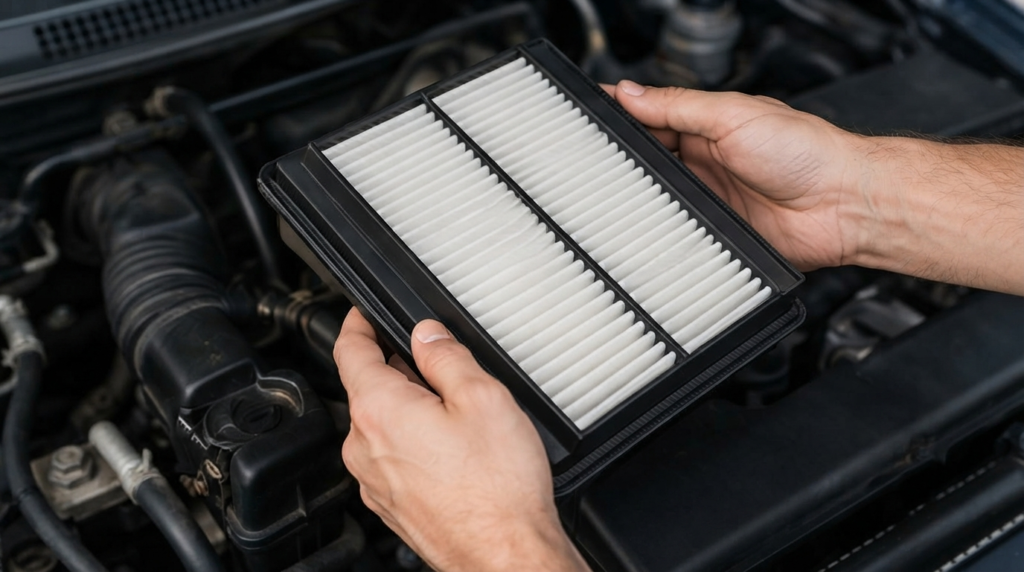
Your engine air filter prevents dust, dirt, and debris from entering the engine. A clogged filter reduces airflow, affecting engine performance and fuel efficiency.
Check your air filter during regular servicing and replace it according to your vehicle manufacturer’s recommendations—or sooner if you frequently drive on dusty roads.
A clean air filter helps your engine breathe properly, improves acceleration, and can even reduce fuel consumption.
6. Monitor All Vehicle Fluids
Your car relies on several essential fluids to operate efficiently. Besides engine oil, you should regularly check coolant, brake fluid, transmission fluid, power steering fluid, and windshield washer fluid.
Low or contaminated fluids can lead to overheating, poor braking performance, transmission problems, and unnecessary wear on critical components. Make it a habit to inspect fluid levels every month and top them up when needed.
Quick Tip: Never open the radiator cap while the engine is hot. Always wait until it has cooled completely.
7. Rotate and Balance Your Tires
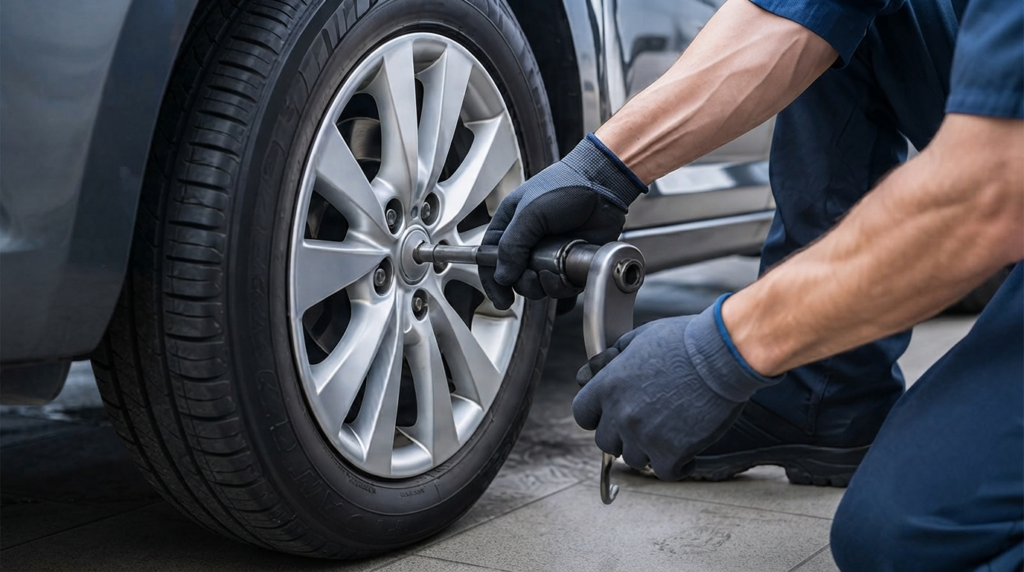
Even with proper tire pressure, tires don’t wear evenly. Rotating them every 5,000–8,000 miles (8,000–13,000 km) helps distribute wear more evenly, extending tire life and improving vehicle handling.
Wheel balancing is equally important. Unbalanced tires can cause steering wheel vibrations, uneven tread wear, and reduced driving comfort.
Routine tire rotation also improves traction, fuel efficiency, and overall road safety.
Quick Tip: Ask for tire rotation whenever you have your engine oil changed if it’s due.
8. Check Lights and Windshield Wipers
Good visibility is essential for safe driving, especially during rain, fog, or nighttime travel. Burned-out headlights, brake lights, or turn signals reduce your visibility to other drivers and may even result in traffic fines.
Likewise, worn windshield wipers leave streaks that make driving dangerous in bad weather.
Inspect all exterior lights once a month and replace damaged bulbs immediately. Replace windshield wiper blades every 6–12 months or whenever they begin leaving streaks.

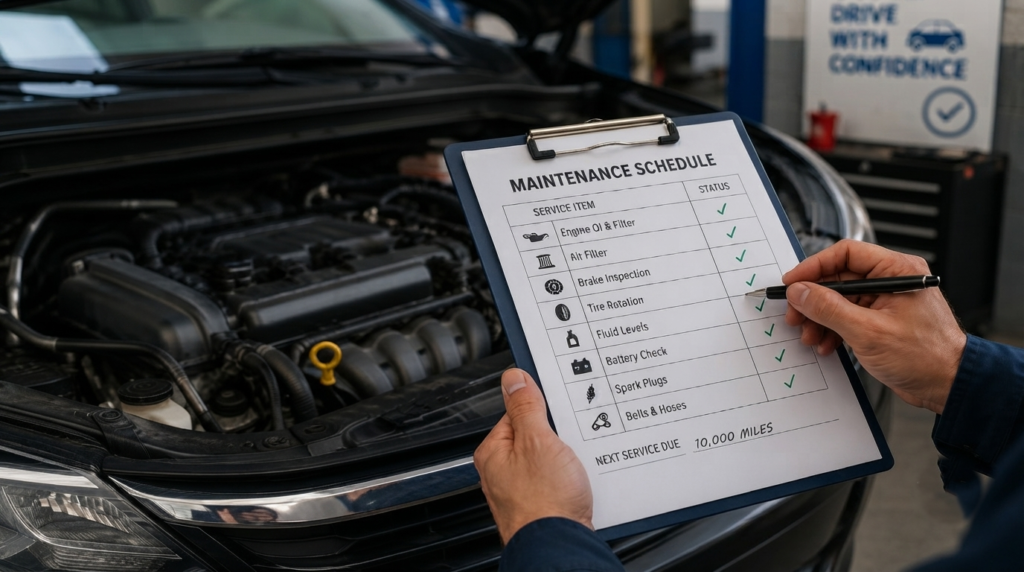
9. Follow the Manufacturer’s Service Schedule
Every vehicle comes with a recommended maintenance schedule created by its manufacturer. This schedule includes oil changes, spark plug replacement, timing belt inspections, fluid changes, and other preventive services.
Skipping scheduled maintenance might save money today, but it often leads to expensive repairs later.
Keeping service records also increases your car’s resale value and demonstrates that the vehicle has been properly maintained.
Quick Tip: Set reminders on your phone so you never miss an important service appointment.
10. Keep Your Car Clean Inside and Out
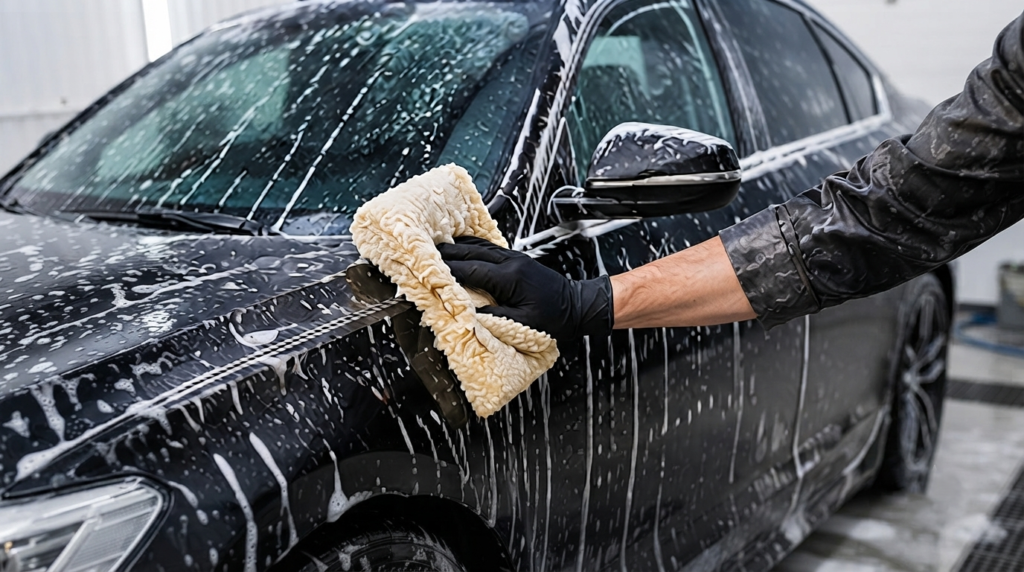
Cleaning your car isn’t just about appearance—it also protects your investment. Dirt, mud, road salt, bird droppings, and tree sap can damage your vehicle’s paint over time.
Wash your car regularly and apply wax every few months to protect the exterior finish. Vacuum the interior, wipe down surfaces, and remove clutter to keep your cabin fresh and comfortable.
A clean vehicle is easier to maintain, retains its value longer, and provides a more enjoyable driving experience.
Conclusion
Following these car maintenance tips doesn’t require advanced mechanical skills—just consistency. Simple habits like checking engine oil, monitoring tire pressure, replacing air filters, and following your vehicle’s service schedule can prevent costly repairs and keep your car running smoothly for years.
At Read Hub, we believe that preventive maintenance is one of the smartest investments any driver can make. A little attention today can save you significant time, money, and stress in the future.
If you have any questions or concerns regarding this topic, feel free to contact us through our Contact Us page or reach out via the WhatsApp button available on Read Hub. We’re always happy to help!
FAQ
1. How often should I service my car?
Most vehicles should be serviced every 5,000–10,000 miles (8,000–16,000 km) or according to the manufacturer’s maintenance schedule.
2. What is the most important car maintenance task?
Regular engine oil changes are among the most important maintenance tasks because they protect the engine from excessive wear and overheating.
3. How often should tire pressure be checked?
Check your tire pressure at least once a month and before any long road trip.
4. When should I replace my car battery?
Most car batteries last between 3 and 5 years, although extreme weather and driving habits can affect battery life.
5. Why is preventive car maintenance important?
Preventive maintenance improves safety, increases fuel efficiency, extends your vehicle’s lifespan, reduces unexpected breakdowns, and helps avoid expensive repair bills.