
Your car may look perfectly fine from the outside, but everyday driving habits can slowly cause expensive damage underneath. Some driving habits that damage your vehicle are so common that drivers barely notice them—until the brakes, transmission, tires, or engine start demanding attention. The good news is that many of these problems are completely avoidable. By making a few small changes to the way you drive, you can reduce unnecessary wear, improve fuel efficiency, and potentially extend your vehicle’s lifespan. In this Read Hub guide, we’ll look at 10 common habits that could be quietly costing you money.
1. Driving With a Heavy Foot on the Accelerator
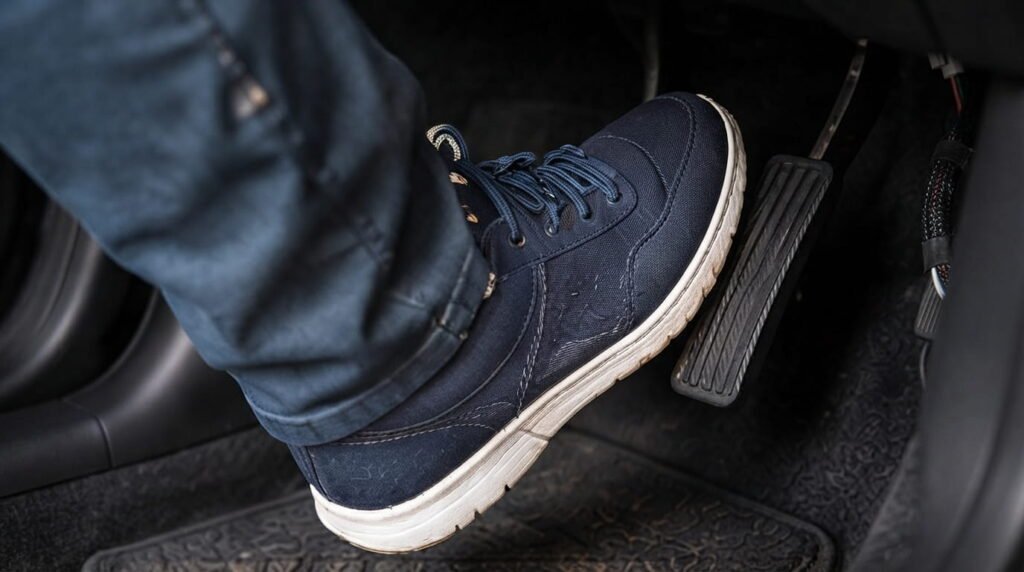
Constantly accelerating aggressively puts extra stress on the engine, transmission, tires, and drivetrain. It also burns more fuel than smooth acceleration.
You don’t need to drive painfully slowly. Instead, accelerate progressively and allow the vehicle to build speed naturally. Smooth throttle control is easier on mechanical components and can make your driving more comfortable.
Practical tip: Unless you genuinely need rapid acceleration, press the accelerator gradually rather than pushing it hard every time the light turns green.
2. Braking Hard and Too Often
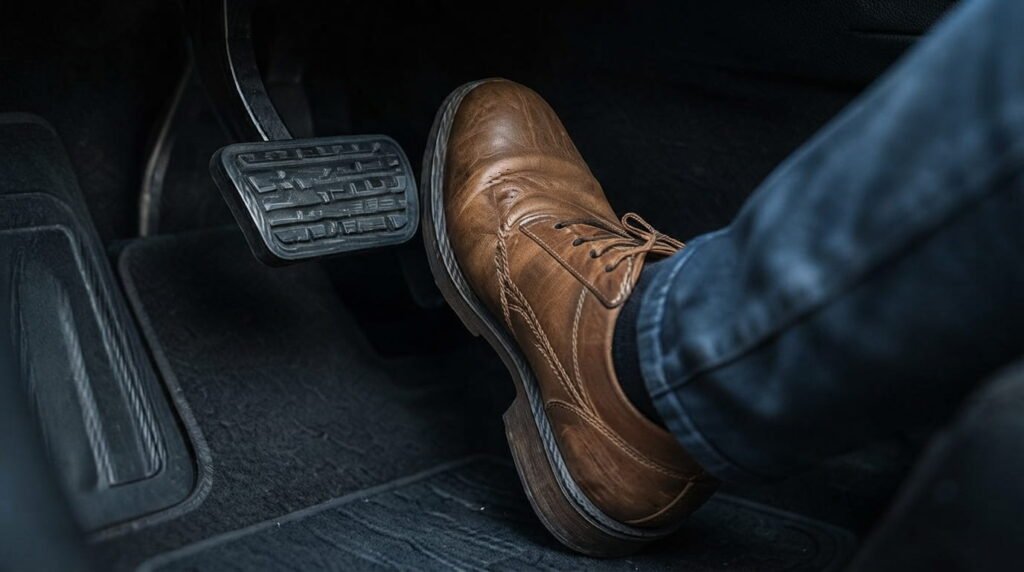
Frequent hard braking creates unnecessary heat and wear in your brake pads and rotors. If you constantly follow other vehicles too closely, you may also find yourself braking suddenly whenever traffic slows.
Leave enough space between your vehicle and the car ahead. This gives you more time to slow down gradually.
Practical tip: Look farther ahead in traffic. If you see a red light or slowing vehicles, ease off the accelerator early instead of waiting until the last second to brake.
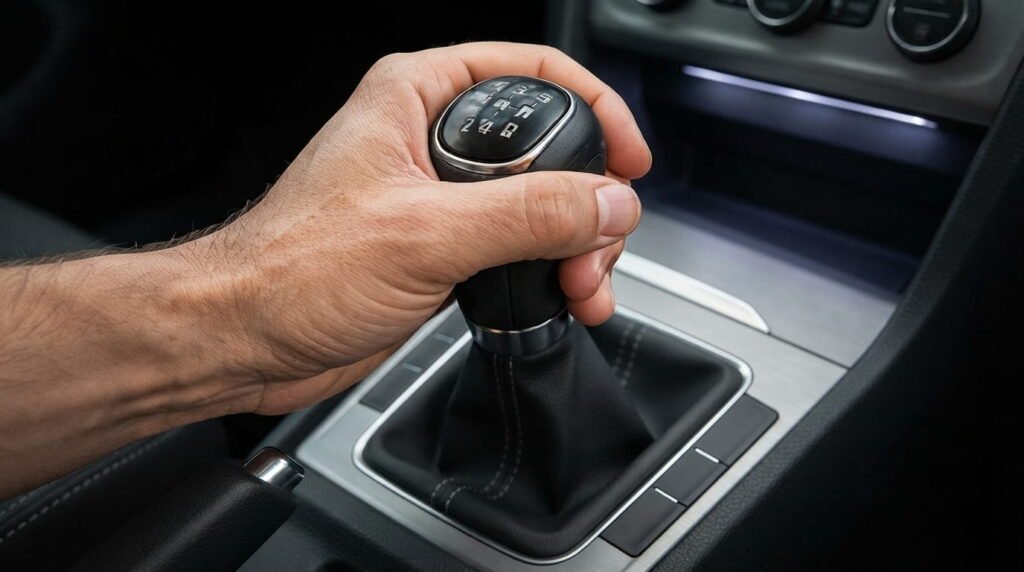
3. Resting Your Hand on the Gear Shifter
Manual-transmission drivers sometimes keep one hand resting on the gear lever even when they aren’t changing gears. Although it seems harmless, constant pressure can contribute to wear inside the transmission’s shifting mechanism.
Keep both hands available for steering whenever possible and only use the gear lever when you actually need to change gears.
Practical tip: After selecting a gear, remove your hand from the shifter rather than using it as an armrest.
4. Ignoring Warning Lights
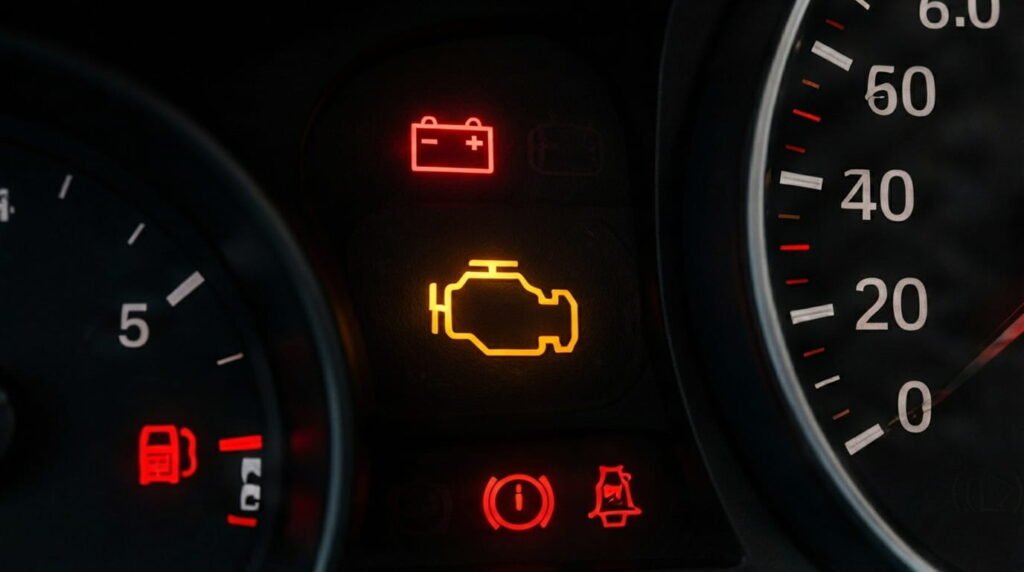
A dashboard warning light should never automatically be treated as something you can deal with “later.” Some warnings indicate relatively minor issues, while others can point to problems that become much more expensive if ignored.
For example, an engine warning light, overheating warning, or oil-pressure warning may require prompt attention.
Practical tip: Learn what your vehicle’s major dashboard symbols mean. If a warning appears, check the owner’s manual and have the vehicle inspected when necessary.
5. Driving Over Potholes at High Speed
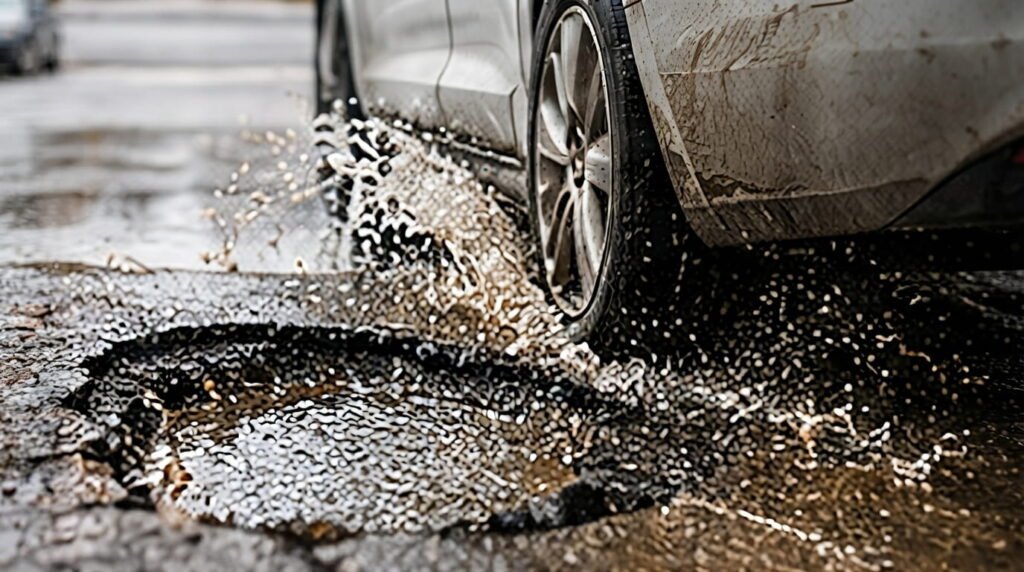
Potholes can damage tires, wheels, suspension components, and steering parts. Hitting one at high speed makes the impact considerably worse.
When you spot a pothole, slow down safely and avoid it if traffic conditions allow. Don’t make a sudden maneuver that creates a different safety risk.
Practical tip: After a particularly hard impact, pay attention to steering changes, unusual vibrations, or a vehicle that begins pulling to one side.
6. Shifting Gears While the Car Is Moving
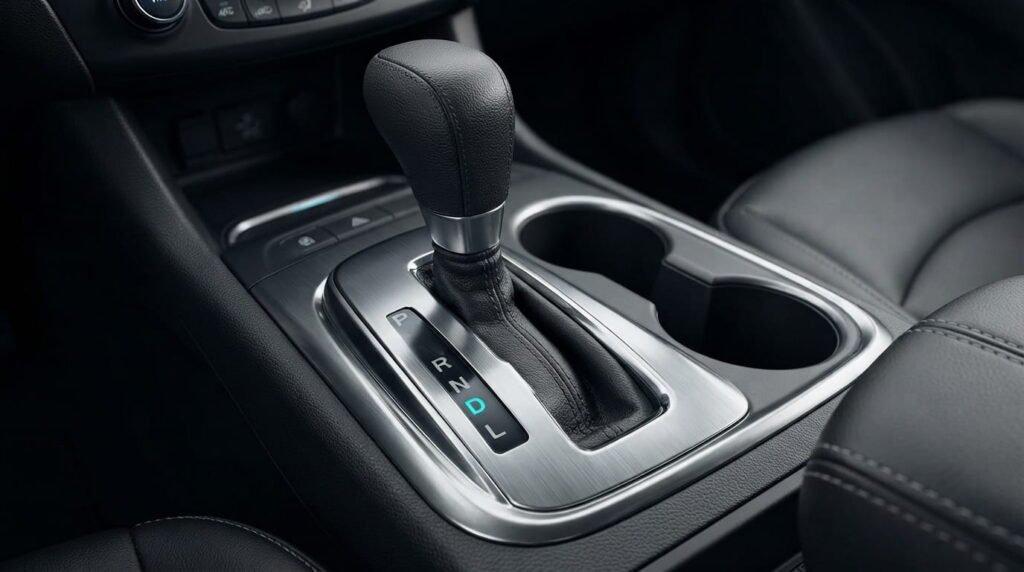
Changing from reverse to drive—or drive to reverse—before the vehicle has completely stopped can place unnecessary stress on the transmission.
Modern automatic transmissions are designed to handle normal driving, but that doesn’t mean they should be subjected to avoidable shocks.
Practical tip: Come to a complete stop before selecting the opposite direction. Give the transmission a moment to engage before pressing the accelerator.
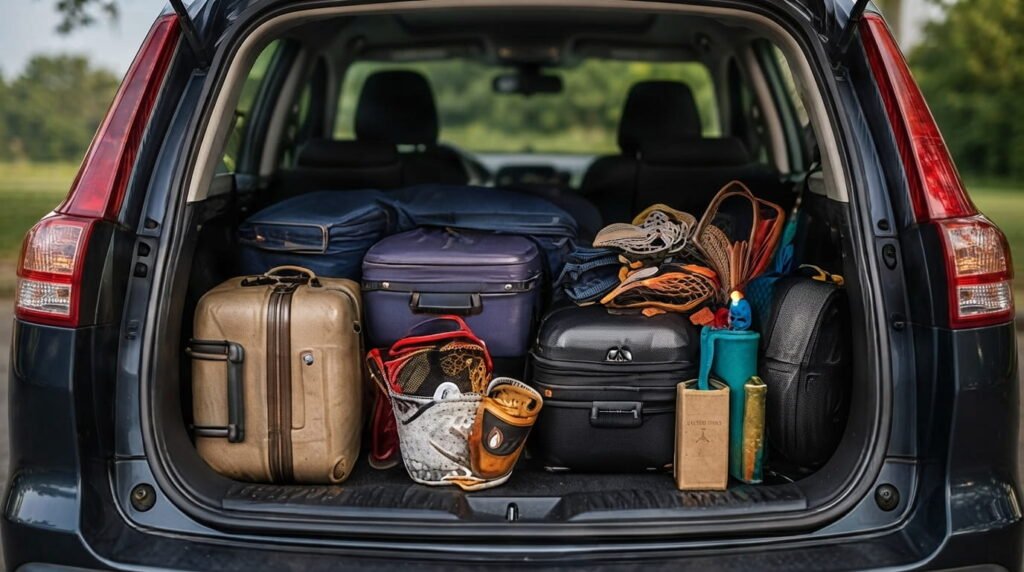
7. Carrying Unnecessary Weight
Keeping heavy items in your car for months may seem insignificant, but extra weight makes the engine work harder and can increase fuel consumption. It also places additional load on tires, suspension, and braking components.
This doesn’t mean you need to remove every useful item from your vehicle. Simply avoid turning your trunk into permanent storage.
Practical tip: Once a week, check the trunk and remove tools, boxes, equipment, or other items you don’t actually need.
8. Driving With Incorrect Tire Pressure
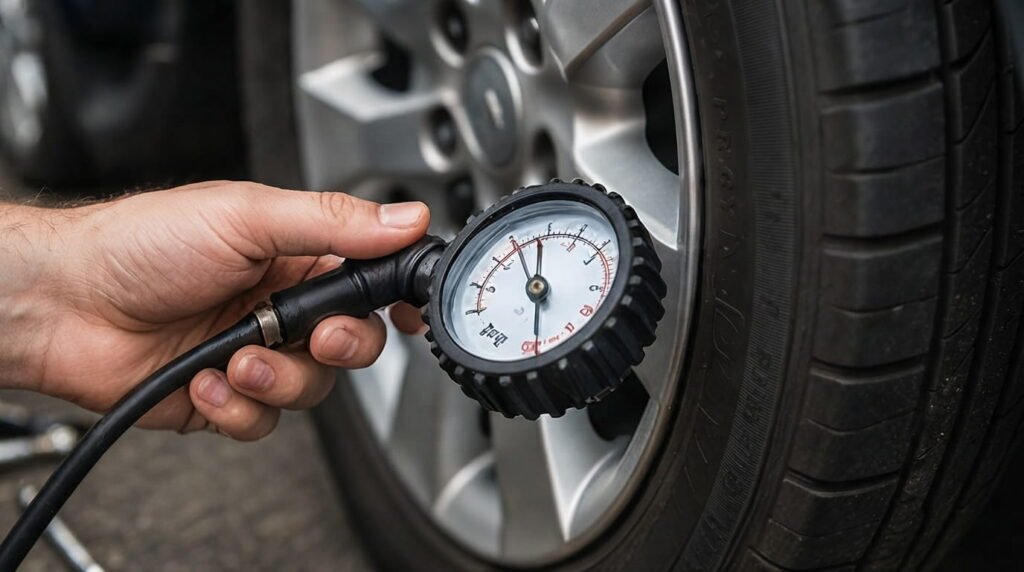
Incorrect tire pressure affects much more than fuel economy. Underinflated tires can increase rolling resistance and heat buildup, while incorrect pressure can also affect handling and tire wear.
The correct pressure isn’t necessarily the maximum number printed on the tire. Check the vehicle manufacturer’s recommended pressure, usually listed on the driver’s door frame or in the owner’s manual.
Practical tip: Check tire pressure regularly, particularly before long journeys and when temperatures change significantly.
9. Riding the Clutch
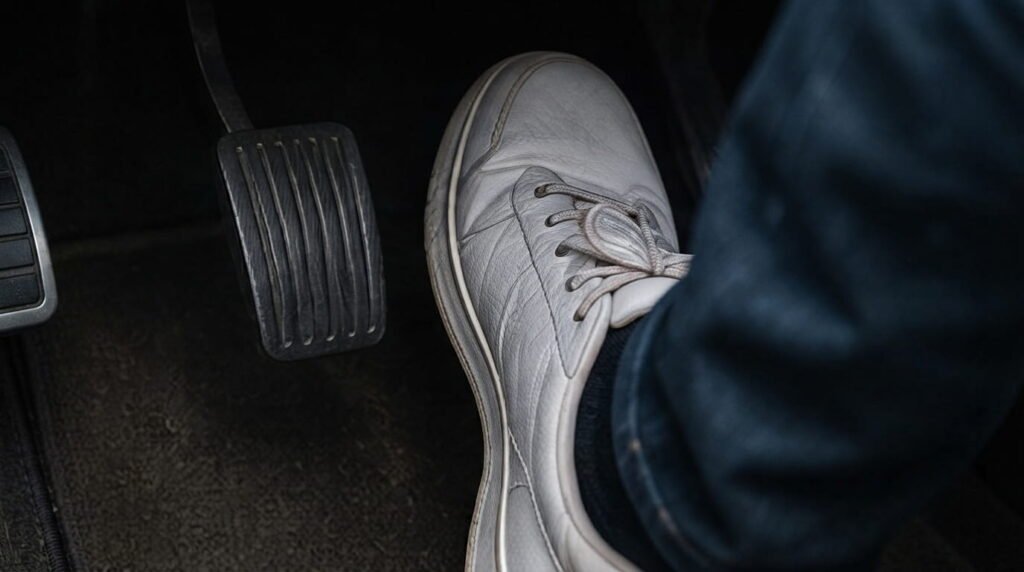
For manual cars, keeping your foot partially pressed against the clutch pedal can cause unnecessary clutch wear. Some drivers do this while waiting at intersections or when slowly moving through traffic.
When you’re not changing gears, keep your foot away from the clutch pedal.
Practical tip: At longer stops, use neutral and release the clutch instead of holding the pedal down continuously.
10. Delaying Routine Maintenance
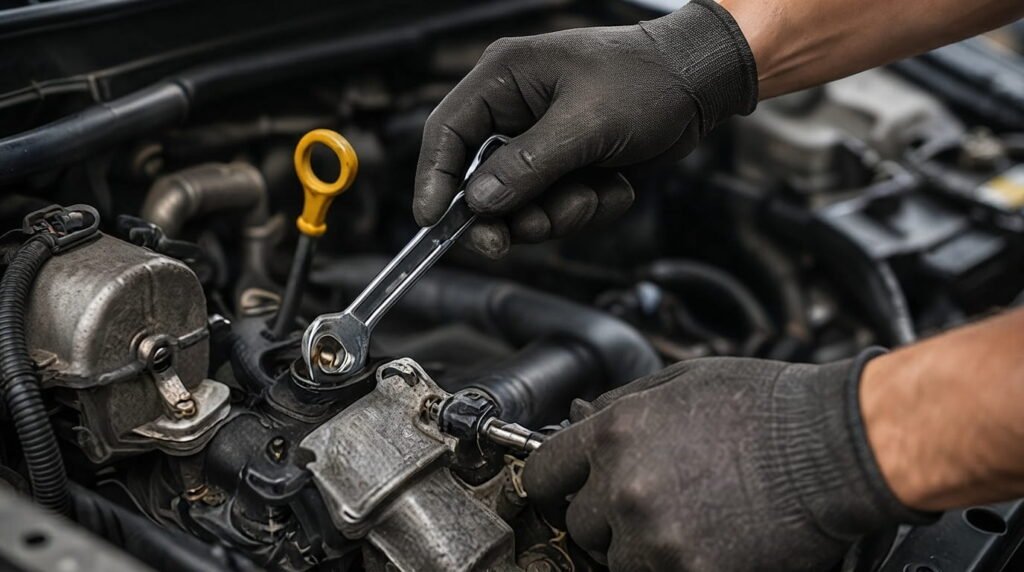
One of the most damaging habits isn’t technically a driving technique at all—it’s ignoring maintenance. Delaying oil changes, fluid checks, tire inspections, brake servicing, or other manufacturer-recommended maintenance can allow small problems to become major repairs.
Routine maintenance is usually far cheaper than repairing a neglected component after it fails.
Practical tip: Keep a simple maintenance record with dates, mileage, oil changes, tire checks, and other important services. Follow the schedule recommended for your specific vehicle.
Conclusion
The biggest lesson behind these driving habits that damage your vehicle is that expensive car problems don’t always come from one dramatic mistake. They often develop through small habits repeated thousands of times. Smooth acceleration, sensible braking, correct tire pressure, careful gear changes, and timely maintenance can make a meaningful difference.
You don’t have to become an expert mechanic to take better care of your car. Pay attention to how you drive, listen for unusual changes, and deal with warning signs before they become bigger problems. For more practical vehicle and everyday advice, keep exploring Read Hub.
If you have any questions or concerns regarding this topic, feel free to contact us through our Contact Us page or reach out via the WhatsApp button available on Read Hub. We’re always happy to help!
FAQ
What driving habits damage a car the most?
Aggressive acceleration, hard braking, incorrect gear changes, driving over potholes quickly, riding the clutch, and ignoring maintenance can all contribute to unnecessary vehicle wear.
Does aggressive driving damage the engine?
Frequent hard acceleration can increase stress on the engine and drivetrain and may also increase fuel consumption. Smooth, controlled acceleration is generally easier on the vehicle.
Can driving over potholes damage a vehicle?
Yes. A strong pothole impact can damage tires, wheels, suspension components, and steering parts. If the car starts vibrating or pulling after an impact, it should be inspected.
How often should I check my tire pressure?
Check your tire pressure regularly and before long trips. Always use the pressure recommended by your vehicle manufacturer rather than simply following the maximum pressure printed on the tire.
How can I make my car last longer?
Drive smoothly, maintain correct tire pressure, avoid unnecessary hard braking and acceleration, respond to warning lights, and follow the manufacturer’s maintenance schedule. These simple habits can reduce unnecessary wear and help protect your vehicle over time.