

Having naturally clear, healthy skin isn’t always about expensive skincare products or complicated routines. More often than not, it’s the result of consistent daily habits that protect, nourish, and support your skin over time. While genetics certainly play a role, lifestyle choices can make a remarkable difference in how your skin looks and feels.
If you’ve ever wondered why some people seem to maintain a fresh, glowing complexion year-round, the answer usually lies in simple habits they follow every single day. From staying hydrated to protecting their skin from the sun, these small actions add up to long-term results.
In this guide from Read Hub, we’ll explore twelve practical habits that anyone can adopt to improve skin health naturally. Whether your goal is preventing breakouts, reducing dullness, or maintaining a youthful glow, these proven habits can help you achieve healthier skin.

1. Drink Enough Water Every Day
Hydration is one of the simplest yet most powerful habits for maintaining healthy skin. Water helps transport nutrients throughout your body while supporting your skin’s natural barrier. When you’re dehydrated, your skin can appear dull, dry, and tired.
Aim for at least 8–10 glasses of water daily, though your needs may vary depending on your activity level and climate. Fruits and vegetables with high water content, such as cucumbers, oranges, and watermelon, also contribute to hydration.
Practical Tips:
- Carry a reusable water bottle.
- Drink a glass of water after waking up.
- Eat water-rich fruits throughout the day.
- Reduce sugary beverages that may contribute to dehydration.
Consistent hydration won’t magically erase wrinkles overnight, but it creates the ideal environment for healthier, more resilient skin.

2. Never Skip Sunscreen
One of the biggest differences between people with consistently clear skin and those who struggle with premature aging is sun protection.
Ultraviolet (UV) rays can damage collagen, cause dark spots, worsen acne scars, and accelerate signs of aging. Daily sunscreen use helps prevent these problems before they start.
Choose a broad-spectrum sunscreen with SPF 30 or higher and apply it every morning—even on cloudy days or when staying indoors near windows.
Remember:
- Reapply every two hours if you’re outdoors.
- Don’t forget your neck, ears, and hands.
- Wear sunglasses and protective clothing during prolonged sun exposure.
Making sunscreen a non-negotiable part of your morning routine is one of the best long-term investments for healthy skin.

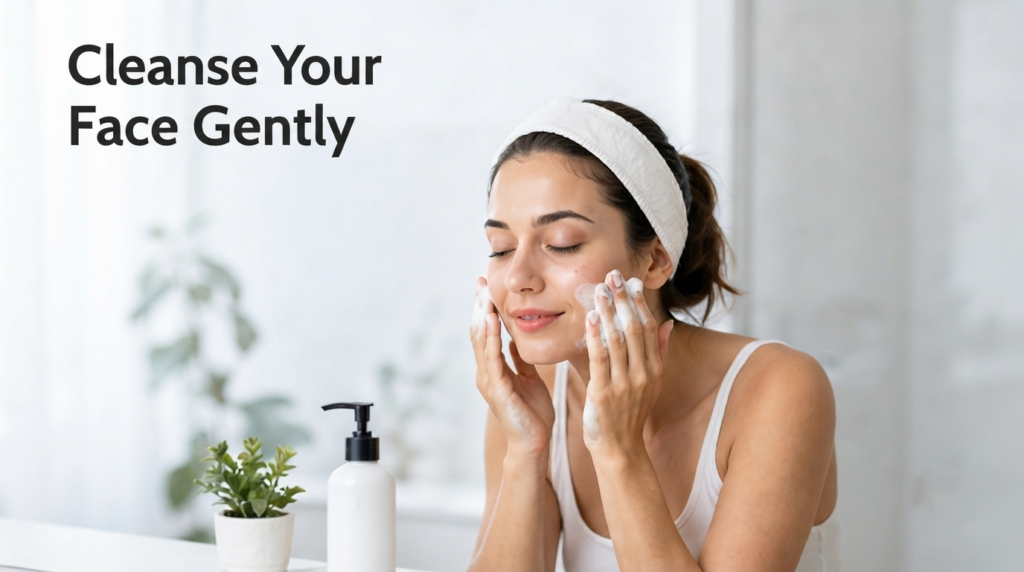
3. Cleanse Your Face Gently
Healthy skin begins with proper cleansing. Throughout the day, your skin collects dirt, oil, sweat, makeup, and environmental pollutants. Washing your face removes these impurities and helps prevent clogged pores.
However, over-cleansing or using harsh soaps can strip away natural oils, leaving your skin irritated and vulnerable.
Choose a cleanser that matches your skin type:
- Gel cleansers for oily skin.
- Cream cleansers for dry skin.
- Gentle fragrance-free cleansers for sensitive skin.
Wash your face twice daily—once in the morning and once before bed. Use lukewarm water instead of hot water, which can dry out your skin.
Gentle cleansing supports your skin’s natural barrier and keeps it balanced.
4. Eat a Skin-Friendly Diet
Your skin reflects what you put on your plate. A balanced diet rich in vitamins, minerals, healthy fats, and antioxidants provides the building blocks your skin needs to repair itself.
Foods that support healthy skin include:
- Leafy green vegetables
- Berries
- Citrus fruits
- Fatty fish like salmon
- Nuts and seeds
- Avocados
- Eggs
Try limiting highly processed foods, sugary snacks, and excessive fried foods, as they may contribute to inflammation in some individuals.
Healthy eating isn’t about perfection—it’s about making nutritious choices consistently.

5. Prioritize Quality Sleep
There’s a reason people call it “beauty sleep.”
While you sleep, your body repairs damaged cells, produces collagen, and restores your skin’s natural balance. Poor sleep can lead to dull skin, dark circles, puffiness, and even more frequent breakouts.
Aim for 7–9 hours of quality sleep each night.
Improve your sleep by:
- Following a consistent bedtime.
- Avoiding screens before bed.
- Keeping your bedroom cool and dark.
- Limiting caffeine late in the day.
A good night’s rest benefits not only your skin but also your overall health.

6. Avoid Touching Your Face
Many people touch their faces dozens of times each day without realizing it. Unfortunately, your hands carry bacteria, oil, and dirt that can transfer directly to your skin.
Frequent face-touching may contribute to clogged pores, irritation, and acne breakouts.
To break the habit:
- Keep your hands occupied when possible.
- Wash your hands regularly.
- Avoid picking pimples or blemishes.
- Clean your phone screen frequently since it also comes into contact with your face.
Small behavioral changes like this can significantly reduce unnecessary skin irritation over time.

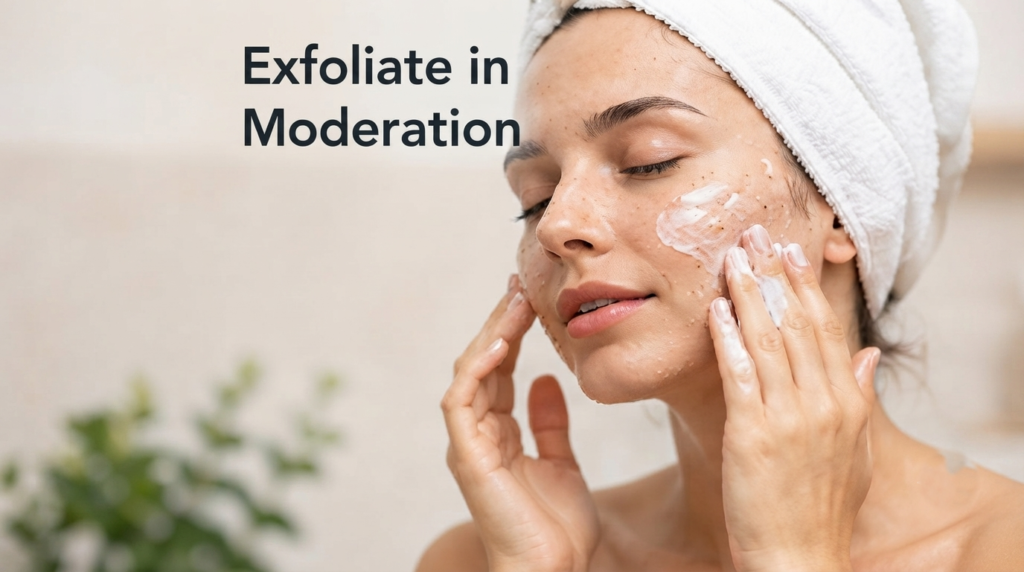
7. Exfoliate in Moderation
Exfoliation helps remove dead skin cells that can build up on the surface of your skin, leaving it looking dull and rough. It also encourages healthy cell turnover, making your complexion appear brighter and smoother. However, more isn’t always better. Over-exfoliating can weaken your skin barrier, causing redness, dryness, and sensitivity.
Choose an exfoliant based on your skin type. Gentle chemical exfoliants, such as AHAs or BHAs, often provide more even results than harsh physical scrubs. For most people, exfoliating one to three times per week is enough.
Practical Tips:
- Start with once a week if you’re new to exfoliation.
- Always moisturize after exfoliating.
- Avoid exfoliating irritated or sunburned skin.
- Wear sunscreen daily, as freshly exfoliated skin is more sensitive to UV rays.
A balanced exfoliation routine helps reveal healthier-looking skin without causing unnecessary irritation.
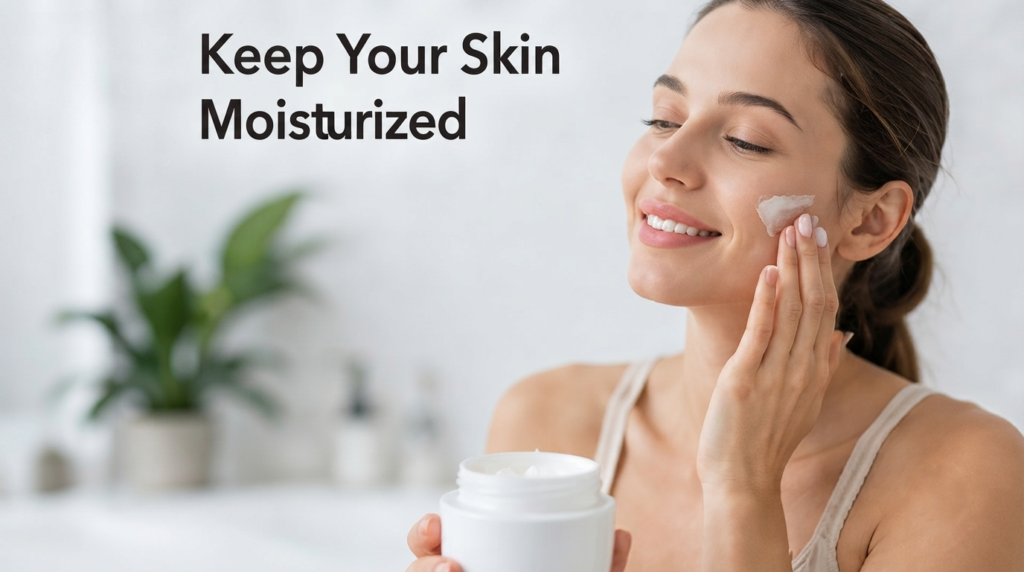
8. Keep Your Skin Moisturized
One of the biggest misconceptions is that only dry skin needs moisturizer. In reality, every skin type—including oily and combination skin—benefits from proper hydration.
A good moisturizer helps lock in water, strengthens the skin barrier, and protects against environmental damage. When your skin is well-hydrated, it often appears smoother, softer, and more radiant.
Look for ingredients like hyaluronic acid, glycerin, ceramides, or squalane. Apply moisturizer immediately after cleansing while your skin is still slightly damp to help seal in moisture.
Quick Tips:
- Use a lightweight gel moisturizer for oily skin.
- Choose a richer cream for dry skin.
- Adjust your moisturizer seasonally as weather conditions change.
Consistency is the key to maintaining healthy, balanced skin.
9. Exercise Regularly
Regular physical activity benefits your skin just as much as it benefits your heart and muscles. Exercise improves blood circulation, allowing oxygen and nutrients to reach skin cells more efficiently. This supports natural repair processes and can contribute to a healthy glow.
Sweating also helps clear pores, provided you cleanse your skin afterward. Whether it’s walking, jogging, cycling, yoga, or strength training, staying active promotes overall wellness that reflects on your skin.
Best Practices:
- Remove makeup before exercising.
- Wash your face soon after workouts.
- Stay hydrated during physical activity.
- Wear breathable clothing to reduce sweat buildup.
Healthy skin often starts with a healthy lifestyle.

10. Manage Stress Effectively
Stress doesn’t just affect your mood—it can also impact your skin. Elevated stress levels may trigger breakouts, worsen existing skin conditions, and slow your skin’s natural healing process.
While eliminating stress completely isn’t realistic, learning how to manage it can make a noticeable difference.
Consider incorporating habits such as:
- Deep breathing exercises.
- Meditation or mindfulness.
- Daily walks outdoors.
- Reading or listening to calming music.
- Spending time with family and friends.
Taking care of your mental well-being is an important part of maintaining clear, healthy skin.

11. Maintain Clean Pillowcases and Towels
Even with an excellent skincare routine, using dirty pillowcases or towels can transfer oil, bacteria, and product residue back onto your skin.
Changing your pillowcase every few days and using a clean face towel can help reduce unnecessary irritation and breakouts.
Don’t forget to clean:
- Wash makeup brushes weekly.
- Beauty sponges regularly.
- Mobile phone screens.
- Glasses, if you wear them.
These simple hygiene habits often go unnoticed but can significantly improve skin cleanliness over time.

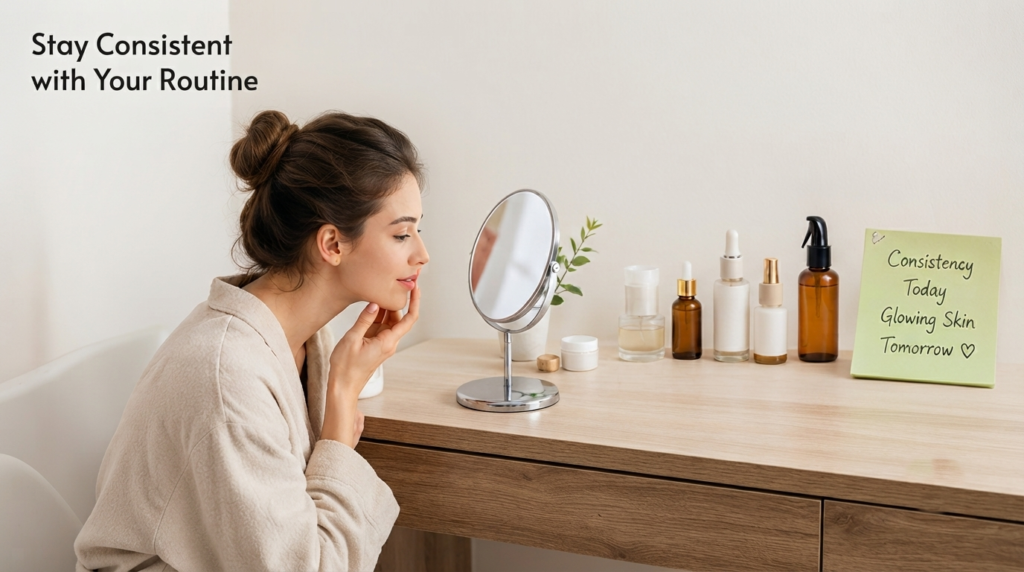
12. Stay Consistent with Your Routine
Perhaps the most important habit of all is consistency. Healthy skin isn’t achieved overnight. The people who enjoy long-term results usually stick with simple routines rather than constantly switching products.
Choose a skincare routine that works for your skin type and give it time. Most products require several weeks of consistent use before noticeable improvements appear.
Remember:
- Avoid chasing every skincare trend.
- Introduce new products one at a time.
- Be patient with the process.
- Focus on long-term skin health rather than quick fixes.
Small, consistent habits almost always outperform complicated routines that are difficult to maintain.
Conclusion
Clear, healthy skin isn’t about perfection or expensive products—it’s about making smart daily choices that support your skin’s natural ability to protect and renew itself. By drinking enough water, wearing sunscreen, eating a balanced diet, getting quality sleep, managing stress, and following a consistent skincare routine, you can significantly improve your complexion over time.
At Read Hub, we believe that sustainable skincare starts with practical, science-backed habits rather than unrealistic promises. Incorporate these clear, healthy skin habits into your daily routine, stay patient, and remember that lasting results come from consistency. Your skin will thank you for the care and attention you invest today.
If you have any questions or concerns regarding this topic, feel free to contact us through our Contact Us page or reach out via the WhatsApp button available on Read Hub. We’re always happy to help!
FAQ
1. How long does it take to get clear, healthy skin?
Most people notice improvements within four to eight weeks of following a consistent skincare routine and healthy lifestyle. Results vary depending on your skin type and individual concerns.
2. Is drinking more water enough to clear acne?
Staying hydrated supports overall skin health, but acne is influenced by multiple factors, including hormones, genetics, skincare habits, and diet. Water should be part of a complete skincare approach.
3. Should oily skin use moisturizer?
Yes. Oily skin still needs hydration. Using a lightweight, non-comedogenic moisturizer can help maintain a healthy skin barrier without making your skin feel greasy.
4. Can diet really affect skin health?
Yes. A balanced diet rich in fruits, vegetables, healthy fats, lean proteins, and antioxidant-rich foods can support healthier-looking skin and reduce inflammation.
5. Is sunscreen necessary indoors?
If you’re near windows or exposed to natural daylight for extended periods, wearing sunscreen is still recommended because UVA rays can penetrate glass.
6. How often should I exfoliate my face?
For most skin types, exfoliating one to three times per week is sufficient. Over-exfoliating may damage the skin barrier and lead to irritation.