

Dry skin can make your face and body feel rough, itchy, and uncomfortable. Whether it’s caused by cold weather, hot showers, aging, or naturally low oil production, the good news is that you don’t always need expensive skincare products to restore your skin’s softness. Many simple ingredients found in your kitchen can help lock in moisture and strengthen your skin’s natural barrier.
The key is choosing remedies that are gentle, nourishing, and backed by practical skincare knowledge. While home remedies may not replace medical treatment for severe skin conditions, they can make a noticeable difference for mild to moderate dryness when used consistently.
In this guide from Read Hub, you’ll discover ten of the best home remedies for dry skin that actually work, along with practical tips to help you achieve healthier, smoother, and more hydrated skin naturally.

1. Coconut Oil
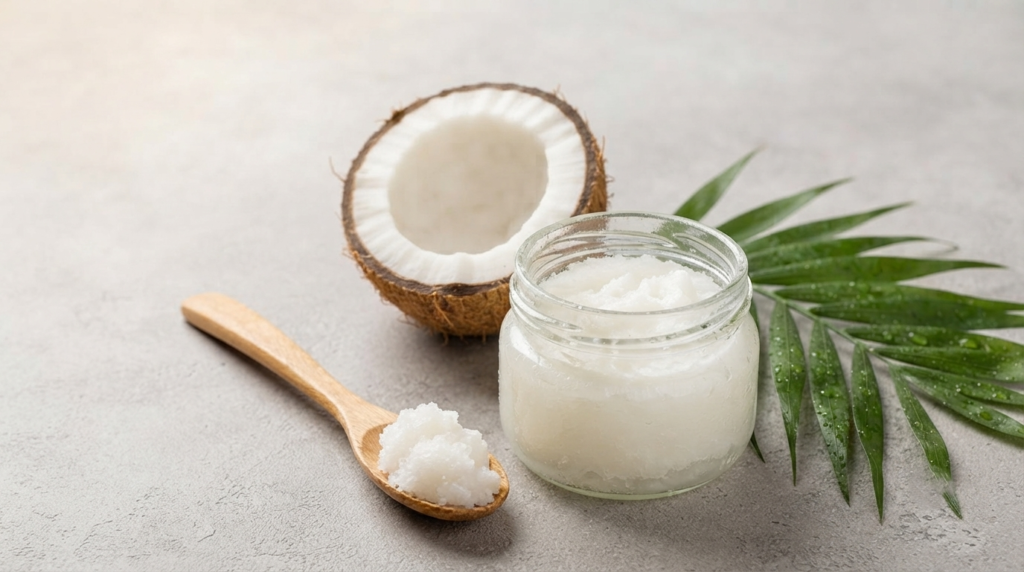
Coconut oil is one of the most popular natural remedies for dry skin because it’s rich in fatty acids that help strengthen the skin barrier and reduce moisture loss. It works particularly well on rough areas like elbows, knees, hands, and feet.
Apply a small amount of virgin coconut oil to clean, slightly damp skin before bedtime. Allow it to absorb overnight for deep hydration.
Tips:
- Use cold-pressed virgin coconut oil.
- Apply after showering to lock in moisture.
- Avoid using it on acne-prone facial skin if it tends to clog your pores.
Used regularly, coconut oil can leave your skin feeling noticeably softer and smoother.
2. Aloe Vera Gel
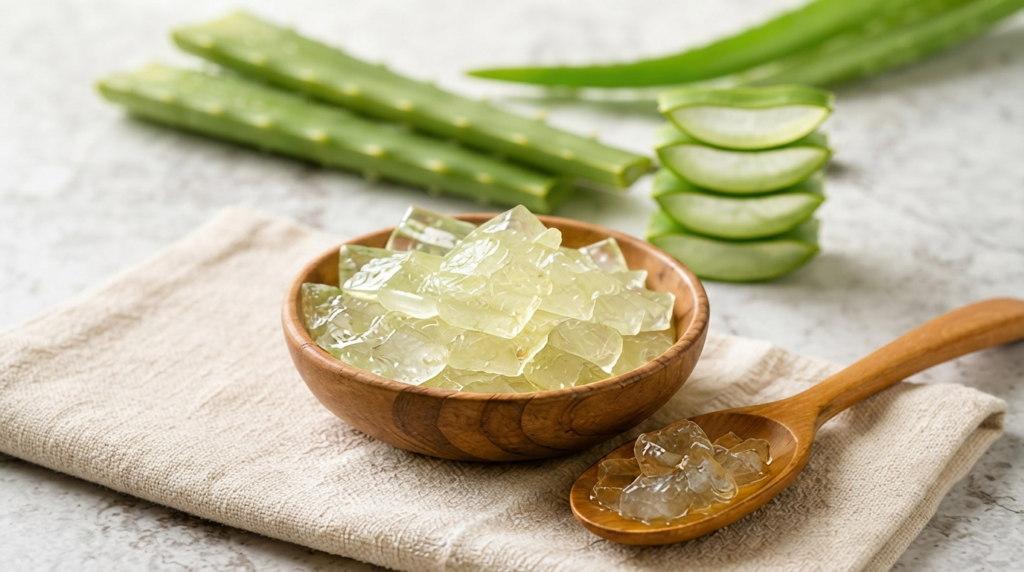
Aloe vera is well known for its soothing and cooling properties. It provides lightweight hydration while helping calm irritated, flaky skin.
Fresh aloe vera gel from the plant is often the best choice, but a pure store-bought gel without alcohol or artificial fragrances also works well.
Apply a thin layer to dry areas and leave it on for 20–30 minutes or overnight if your skin tolerates it well.
Benefits include:
- Reduces dryness.
- Soothes irritation.
- Supports skin repair.
- Provides refreshing hydration.
It’s especially useful for dry skin caused by sun exposure.
3. Honey
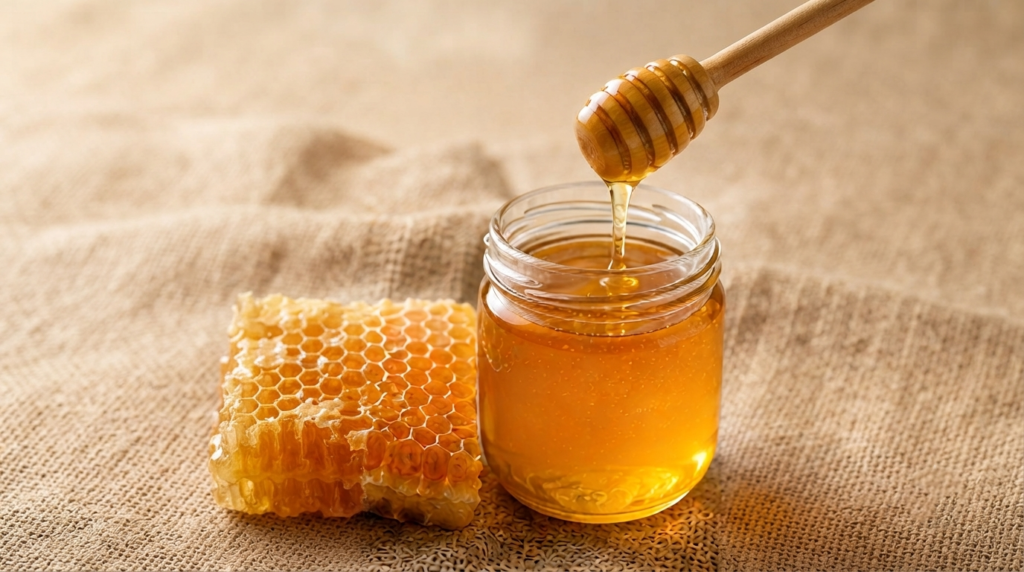
Honey is a natural humectant, meaning it attracts moisture to your skin. It’s also rich in antioxidants and has soothing properties that help improve the appearance of dry, dull skin.
Spread a thin layer of raw honey over clean skin and leave it on for about 15 minutes before rinsing with lukewarm water.
For even better results, combine honey with a few drops of olive oil or mashed avocado to create a nourishing face mask.
Use this treatment once or twice a week for naturally softer skin.
4. Oatmeal Bath
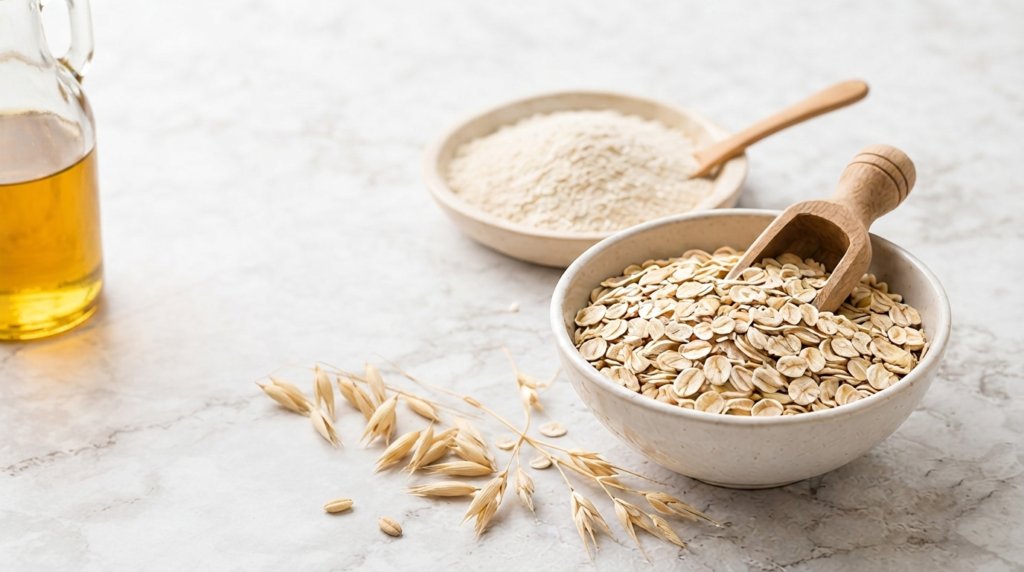
Colloidal oatmeal has long been recommended for relieving dry, itchy skin. It helps reduce irritation while forming a protective layer that prevents moisture loss.
Add finely ground oatmeal to warm bathwater and soak for 15–20 minutes.
If you don’t have a bathtub, you can mix oatmeal with warm water to form a soothing paste and apply it directly to dry patches.
Best for:
- Winter dryness.
- Sensitive skin.
- Itchy skin.
- Rough elbows and knees.
Finish by applying a moisturizer immediately after bathing.
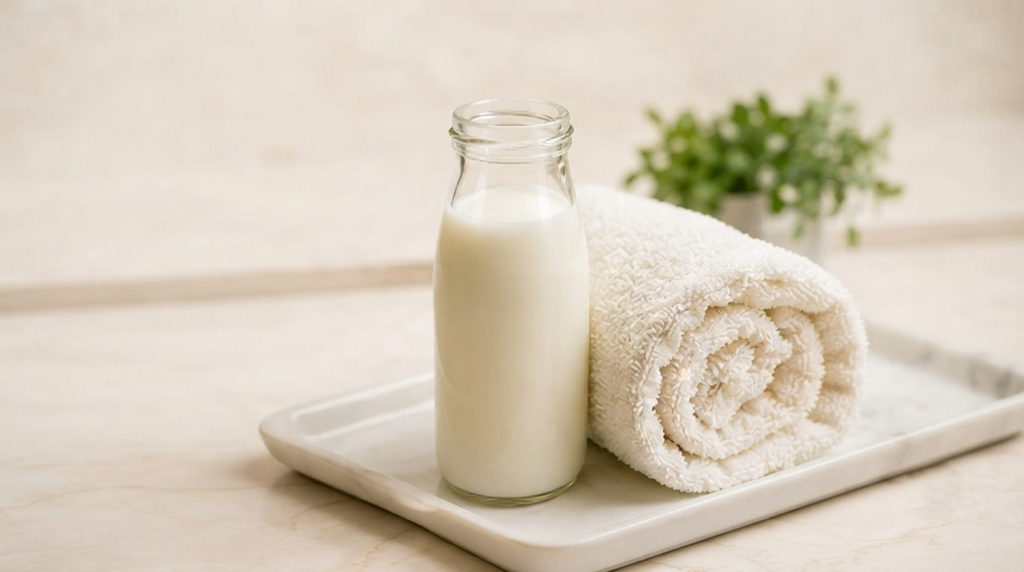
5. Milk Compress
Milk contains lactic acid, proteins, and healthy fats that gently exfoliate while moisturizing dry skin. A cool milk compress can also calm irritation and leave your skin feeling refreshed.
Soak a soft washcloth in cold whole milk and place it over dry areas for about 10 minutes.
After removing the cloth, rinse gently with cool water and apply a moisturizer to seal in hydration.
This simple remedy works particularly well for sensitive or irritated skin that needs gentle care without harsh ingredients.
6. Olive Oil
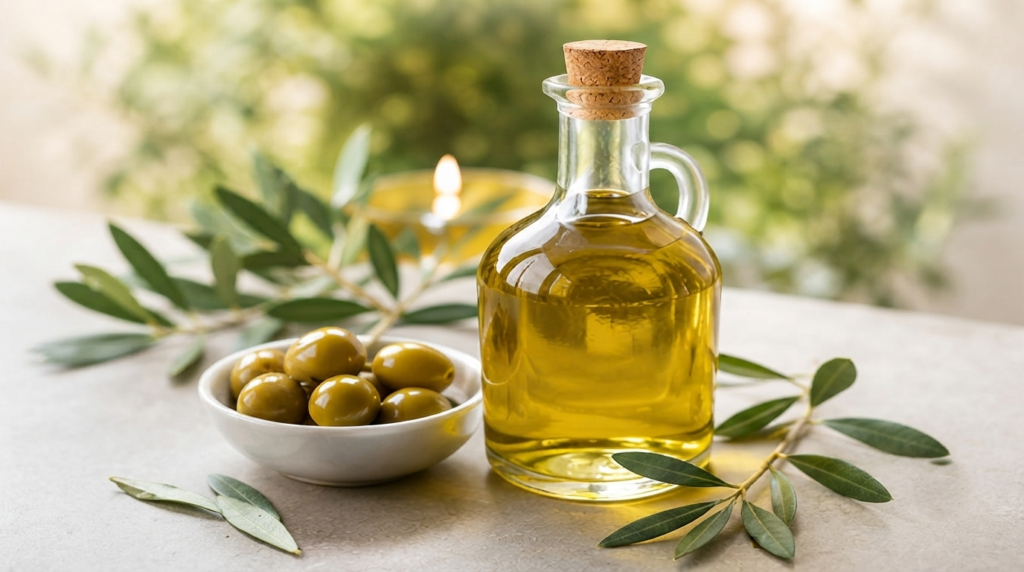
Olive oil is packed with healthy fats and vitamin E, making it an excellent natural moisturizer for dry skin. It helps restore the skin’s protective barrier and keeps moisture locked in for longer. While it’s highly effective for the body, those with oily or acne-prone facial skin should use it sparingly.
Massage a few drops of extra virgin olive oil onto slightly damp skin after showering. This allows the oil to trap moisture and leave your skin feeling soft and smooth.
Pro Tips:
- Use only extra virgin olive oil.
- Apply a small amount to avoid a greasy feeling.
- Best used at night for maximum hydration.
7. Avocado Mask
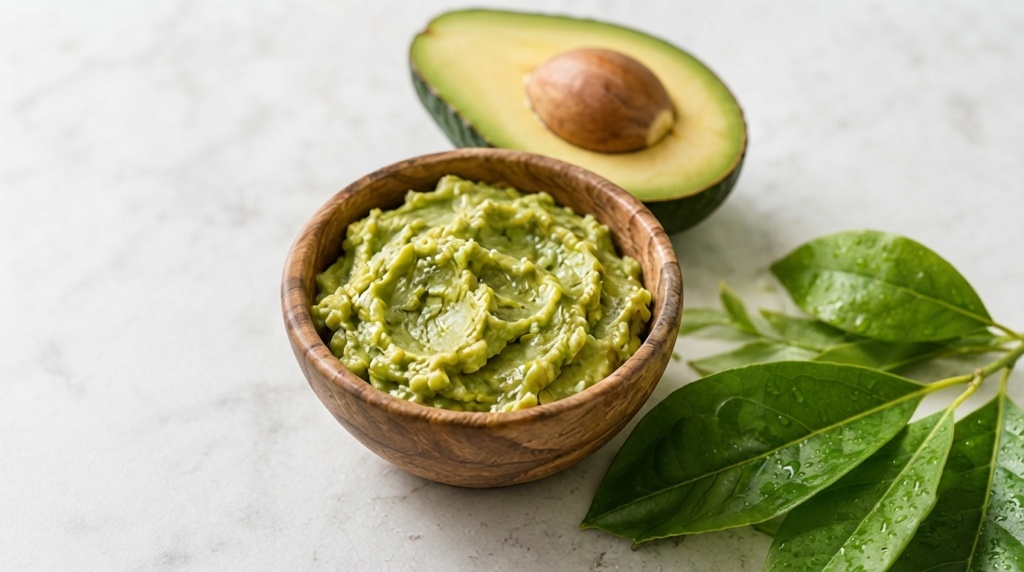
Avocados are rich in healthy fats, vitamin E, and antioxidants that deeply nourish dry skin. They also contain compounds that help improve skin elasticity and reduce roughness.
Mash half a ripe avocado into a smooth paste and apply it to clean skin. Leave it on for 15–20 minutes before rinsing with lukewarm water.
For extra hydration, mix the avocado with a teaspoon of honey.
Benefits:
- Deeply moisturizes the skin.
- Leaves skin soft and supple.
- Supports the skin’s natural repair process.
- Suitable for most dry skin types.
Using an avocado mask once a week can noticeably improve your skin’s texture.
8. Shea Butter
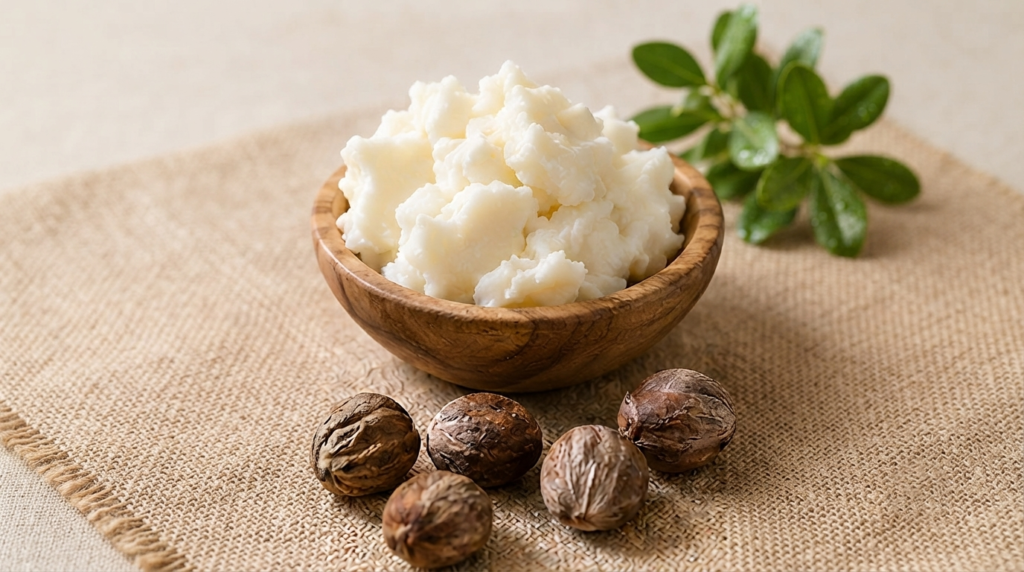
Shea butter is one of nature’s most effective moisturizers. It’s loaded with vitamins A and E, along with nourishing fatty acids that help repair the skin barrier and reduce dryness.
Warm a small amount between your hands and gently massage it into dry areas. It works especially well on hands, feet, elbows, knees, and other rough patches.
Unlike many synthetic creams, pure shea butter provides long-lasting hydration without unnecessary additives.
For best results, apply it immediately after bathing or before bed.
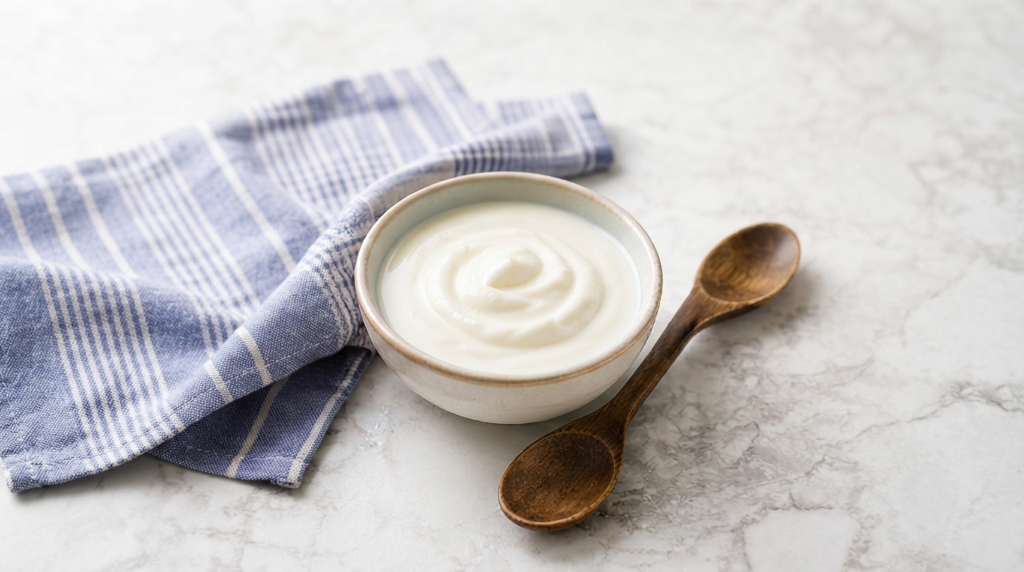
9. Yogurt Face Mask
Plain yogurt contains lactic acid, proteins, and probiotics that gently exfoliate while moisturizing the skin. It removes dead skin cells without being harsh, leaving your complexion feeling smoother and brighter.
Apply plain, unsweetened yogurt to your face and leave it on for about 15 minutes before rinsing with cool water.
You can also combine yogurt with honey for an extra nourishing treatment.
Why it works:
- Hydrates dry skin.
- Improves skin texture.
- Gently exfoliates.
- Gives your skin a healthy, refreshed appearance.
Use this mask once or twice a week for the best results.
10. Cucumber Treatment
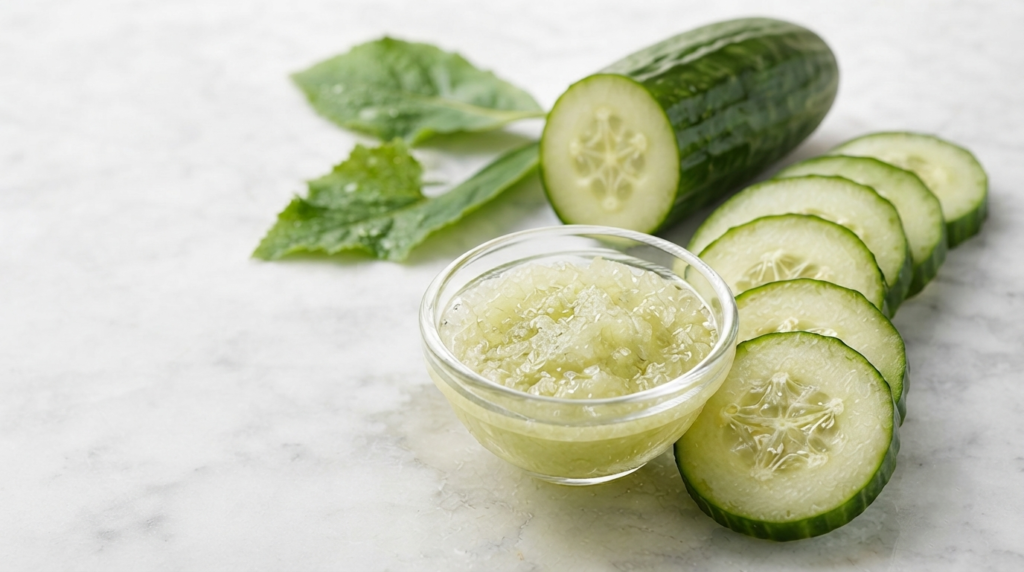
Cucumber is known for its high water content and soothing properties. It provides instant hydration while helping calm irritated or tight skin.
Blend fresh cucumber into a paste or simply place chilled cucumber slices over dry areas for 15–20 minutes.
For an even more refreshing mask, mix cucumber puree with aloe vera gel.
This remedy is particularly helpful during hot weather when your skin feels dehydrated and sensitive.
Conclusion
Dry skin doesn’t always require expensive skincare products. In many cases, simple natural ingredients like coconut oil, aloe vera, honey, oatmeal, avocado, and shea butter can help restore moisture and improve your skin’s overall health. The secret is consistency—regular care often delivers better results than occasional treatments.
At Read Hub, we believe that effective skincare should be simple, practical, and accessible to everyone. By incorporating these best home remedies for dry skin into your routine and following healthy skincare habits, you can enjoy softer, smoother, and healthier-looking skin all year round.
If you have any questions or concerns regarding this topic, feel free to contact us through our Contact Us page or reach out via the WhatsApp button available on Read Hub. We’re always happy to help!
FAQ
1. What is the best natural remedy for dry skin?
Coconut oil, aloe vera, and shea butter are among the most effective natural remedies because they help restore moisture and strengthen the skin barrier.
2. How often should I use home remedies for dry skin?
Most remedies can be used two to three times a week, while moisturizers like coconut oil or shea butter can be applied daily.
3. Can home remedies completely cure dry skin?
Home remedies can significantly improve mild to moderate dry skin. However, if dryness is severe, persistent, or caused by a medical condition, consult a dermatologist.
4. Is coconut oil safe for all skin types?
Coconut oil works well for dry body skin, but people with oily or acne-prone facial skin may find it too heavy.
5. What foods help improve dry skin?
Foods rich in healthy fats and antioxidants—such as avocados, salmon, walnuts, almonds, olive oil, and fruits high in vitamin C—can support healthier skin from within.
6. When should I see a dermatologist?
If your skin becomes cracked, painful, bleeds, or doesn’t improve despite proper care, it’s best to seek professional medical advice.