
Getting visitors to your website is one thing; attracting the right visitors is another. In 2026, increasing website traffic requires more than publishing articles and waiting for Google to notice them. Search behavior is changing, competition is growing, and users expect fast, useful, trustworthy content.
The good news? You don’t need to rely on one traffic source. By combining SEO, valuable content, social media, email marketing, backlinks, and smart optimization, you can steadily grow qualified visitors. Whether you’re running a business website, blog, or online store, these 15 proven ways to increase website traffic can help you build sustainable growth.
1. Improve Your On-Page SEO
Start with the basics. Optimize your page titles, headings, URLs, meta descriptions, images, and content around relevant search terms. Make every page easy for both search engines and visitors to understand.
Don’t force keywords into every sentence. Instead, use them naturally while answering the questions your audience is actually searching for.

2. Publish High-Quality Content
Consistent, useful content can become one of your strongest traffic sources. Create articles that solve real problems, explain complicated topics clearly, or provide information readers can’t easily find elsewhere.
For example, instead of writing a generic article about SEO, create a practical guide showing exactly how a small business can improve its rankings.

3. Target Long-Tail Keywords
Highly competitive keywords can take considerable time to rank for. Long-tail keywords are usually more specific and often reflect stronger user intent.
Instead of targeting “website traffic,” you might target phrases such as “how to increase website traffic for a small business.” These searches can bring fewer visitors individually but often attract a more relevant audience.

4. Update Old Content
Your existing articles can be a hidden traffic opportunity. Review older posts regularly and update outdated statistics, examples, screenshots, links, and recommendations.
Also check whether the article still satisfies search intent. Sometimes a few meaningful improvements can make an old page considerably more useful.

5. Build Quality Backlinks
Backlinks from trustworthy and relevant websites can strengthen your site’s authority. Focus on earning links naturally rather than collecting large numbers of low-quality links.
Guest contributions, original research, useful resources, digital PR, and genuinely link-worthy guides are better long-term approaches.

6. Optimize for Search Intent
Before creating content, ask yourself: What does someone actually want when they search this phrase?
If users want a tutorial, give them clear steps. If they’re comparing options, provide a useful comparison. Matching search intent makes your content more valuable and can improve engagement as well as organic visibility.

7. Strengthen Internal Linking
Don’t let your articles become isolated pages. Add relevant internal links that guide readers toward related content.
For example, a Read Hub article about content marketing could naturally link to another article covering SEO or affiliate marketing. This helps visitors discover more content while making your site’s structure easier to understand.

8. Use Social Media Strategically
Social media can introduce your content to people who may never discover it through search. Share useful snippets, statistics, short tips, graphics, and videos instead of simply posting the same article link repeatedly.
Choose platforms where your audience is actually active. Quality engagement matters more than being present everywhere.

9. Start an Email Newsletter
Email gives you a direct way to bring previous visitors back to your website. Offer useful updates, new articles, practical tips, or exclusive resources.
A simple weekly or biweekly newsletter can gradually turn occasional visitors into a returning audience.

10. Create Video Content
Video is increasingly important for explaining concepts and reaching audiences through platforms such as YouTube and social media.
Turn useful blog topics into short tutorials, demonstrations, or quick educational videos. You can then link the related website article from your video description or profile.

11. Improve Website Speed
A slow website can frustrate visitors before they even read your content. Compress large images, reduce unnecessary scripts, use efficient hosting, and keep your website technically clean.
Check important pages regularly on both mobile and desktop. A faster experience can improve usability and help visitors stay engaged.

12. Optimize for Mobile Users
A large portion of web browsing happens on smartphones. Your website should therefore be easy to read and navigate on smaller screens.
Use responsive design, readable fonts, properly sized buttons, and short paragraphs. Test important pages on an actual phone rather than relying only on a desktop preview.

13. Use Local SEO
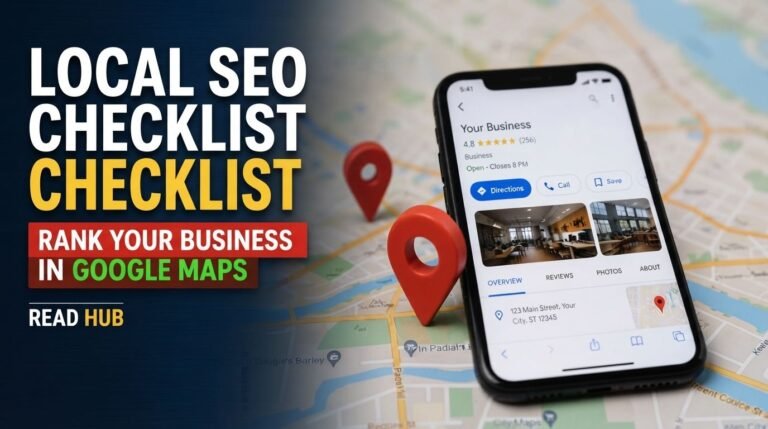
If your business serves a specific location, local SEO can bring highly relevant visitors. Keep your business information accurate and consistent, optimize your Google Business Profile, and create useful location-specific content.
Customer reviews and relevant local mentions can also help establish trust with potential customers.

14. Analyze Your Traffic Data
Don’t guess which strategies are working. Use analytics and search performance data to identify pages receiving impressions, clicks, and conversions.
Look for opportunities such as keywords where your pages already rank near the top but could gain more clicks with better titles or descriptions. Data should guide your next content decisions.

15. Focus on Conversion-Friendly Content
More traffic isn’t automatically better. Your goal should be to attract visitors who are likely to take meaningful action.
Use clear calls to action, helpful product information, easy navigation, and relevant next steps. When useful traffic and a good user experience work together, visitors are more likely to become subscribers, customers, or loyal readers.

Conclusion
The best way to increase website traffic in 2026 is to build a balanced strategy rather than depend on a single channel. Strong SEO, useful content, long-tail keywords, backlinks, social media, email, video, and excellent website performance can work together to create sustainable growth.
Start with a few strategies you can execute consistently, measure the results, and improve what works. With patience and smart optimization, your website can attract more qualified visitors and turn that traffic into real results.
If you have any questions or concerns regarding this topic, feel free to contact us through our Contact Us page or reach out via the WhatsApp button available on Read Hub. We’re always happy to help!
FAQ
How can I increase website traffic quickly?
Focus first on improving existing pages, targeting realistic long-tail keywords, promoting useful content through social media, and building relevant referral traffic. Quick gains are possible, but sustainable organic growth usually takes consistent effort.
How long does it take to increase organic website traffic?
SEO results vary depending on competition, website authority, content quality, and technical condition. Some improvements can produce results within weeks, while competitive keywords may require several months.
Is SEO still important for website traffic in 2026?
Yes. SEO remains an important way to reach people actively searching for information, products, and services. However, successful SEO increasingly depends on usefulness, relevance, technical quality, and satisfying search intent.
Do backlinks still help increase website traffic?
Quality backlinks can help improve authority and also generate direct referral visitors. The emphasis should be on relevant, trustworthy links rather than obtaining as many backlinks as possible.
Should I focus on SEO or social media?
Ideally, use both. SEO can provide ongoing search traffic, while social media can help distribute content and build an audience. The best choice depends on where your target audience spends time.