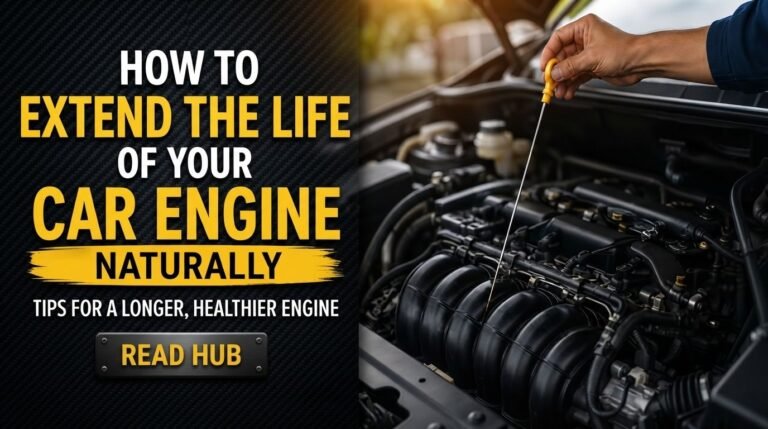

Some common car problems start with a small warning—a strange noise, a dashboard light, or a slight change in how your car drives. It can be tempting to ignore these signs, especially when the vehicle still seems to work normally. However, minor issues can quickly become expensive repairs or even create dangerous driving conditions. Knowing what to watch for can help you protect your car, your wallet, and your safety. In this Read Hub guide, we cover five car problems you should never overlook and explain what you should do when they appear.

1. Check Engine Light
A check engine light can indicate anything from a loose fuel cap to a serious engine or emissions problem. If the light stays on, don’t automatically assume it is harmless.
If it flashes, however, the situation can be more urgent because continued driving may cause significant engine or catalytic-converter damage. Have the vehicle scanned and diagnosed as soon as possible.
Practical tip: Never clear the warning light simply to make it disappear. Find out what caused it first.

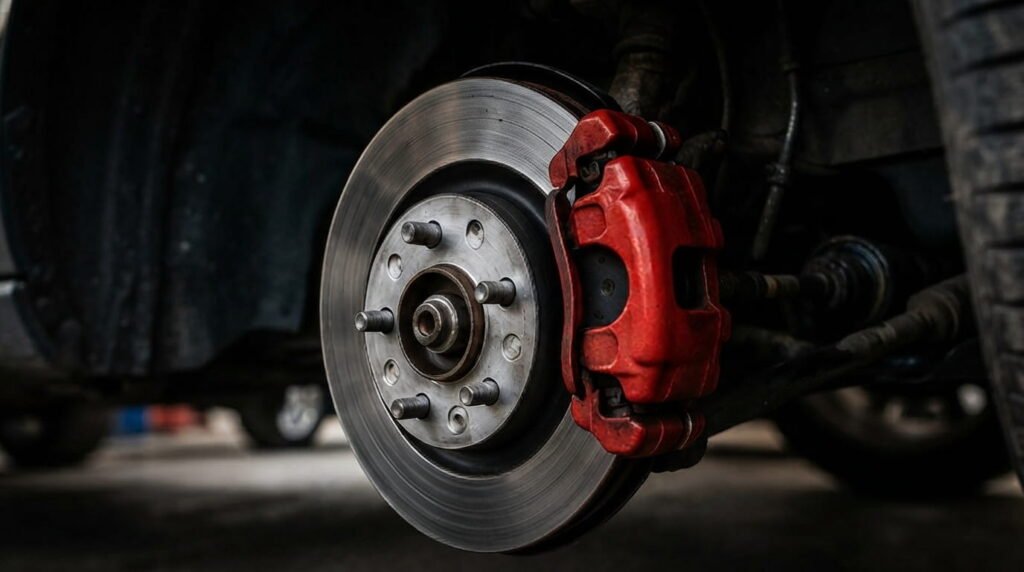
2. Brake Problems
Brakes are among the most important safety systems in your vehicle. Squealing, grinding, vibration while braking, or a soft brake pedal should never be ignored.
Worn brake pads can eventually damage rotors, while brake-fluid or hydraulic problems can reduce stopping ability. If braking suddenly feels different, arrange an inspection promptly.
Practical tip: Grinding noises or major changes in braking performance deserve immediate attention rather than a routine service appointment.
3. Engine Overheating
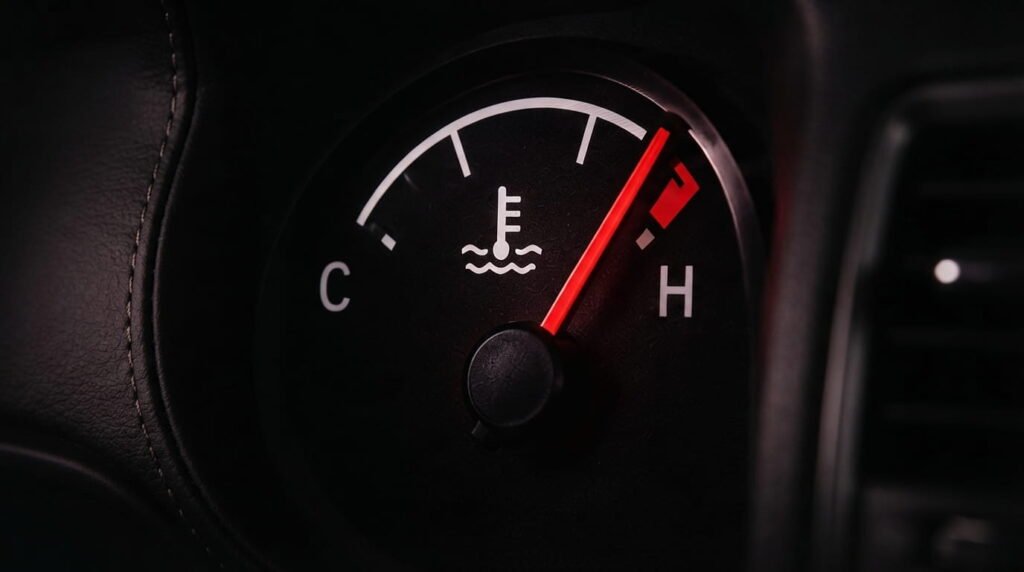
If your temperature gauge moves into the danger zone or you see steam coming from under the hood, stop taking chances. Continuing to drive an overheating car can cause severe engine damage.
Low coolant, a damaged radiator, a failing thermostat, or a water-pump problem can all contribute to overheating.
Practical tip: Pull over safely, switch off the engine, and allow it to cool. Never remove a hot radiator cap because pressurized coolant can cause serious burns.
4. Unusual Noises or Vibrations
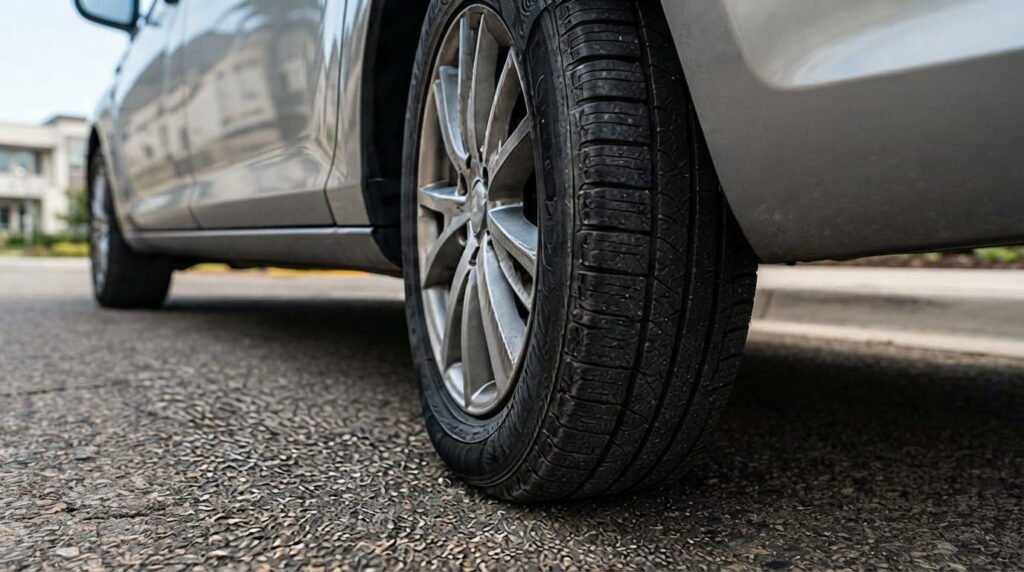
Cars normally produce familiar sounds. A new knocking, clicking, grinding, humming, or squealing noise deserves attention—especially if it changes with speed or engine RPM.
Likewise, unusual steering-wheel or body vibrations may point to tire, wheel, suspension, brake, or drivetrain problems.
Practical tip: Notice when the sound or vibration happens and describe it accurately to your mechanic. That information can make diagnosis much easier.
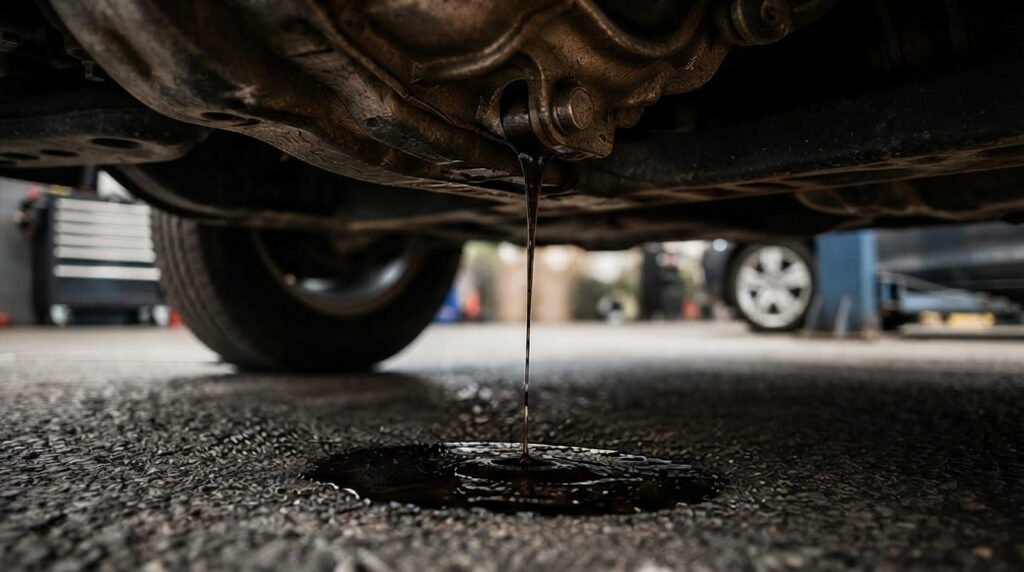
5. Fluid Leaks
A puddle under your vehicle should not simply be ignored. Different fluids can indicate different problems, including engine oil leaks, coolant leaks, transmission-fluid leaks, or brake-fluid issues.
The color, smell, and location of a leak can provide useful clues, but proper diagnosis is still important.
Practical tip: If you notice a large leak, a strong burning smell, or possible brake fluid, avoid driving until the vehicle has been checked.
Conclusion
These common car problems may begin as small warning signs, but ignoring them can turn a simple repair into a costly one. Pay attention to warning lights, braking changes, overheating, unusual noises, vibrations, and fluid leaks. Regular inspections and timely maintenance can help keep your vehicle reliable and safer on the road. For more practical automotive advice, keep following Read Hub.
If you have any questions or concerns regarding this topic, feel free to contact us through our Contact Us page or reach out via the WhatsApp button available on Read Hub. We’re always happy to help!
FAQ
What is the most important car problem to address immediately?
Brake failure, severe overheating, a flashing check engine light, or any problem that affects steering or stopping should be treated as urgent.
Can I drive with the check engine light on?
It depends on the cause. A steady light may allow limited driving, but a flashing light generally requires immediate attention.
Why is my car making a grinding noise?
Grinding may come from worn brake components, damaged bearings, or other mechanical parts. A professional inspection can identify the exact cause.
How often should I check my car’s fluids?
Check important fluid levels regularly and follow your vehicle manufacturer’s recommended maintenance schedule.
When should I stop driving my car?
Stop driving when you experience serious brake problems, severe overheating, major fluid loss, loss of steering control, or other symptoms that make the vehicle unsafe.