

Bringing home your first dog is one of life’s most exciting experiences. Along with the cuddles, wagging tails, and unforgettable memories comes a big responsibility. As a first-time dog owner, you’ll need to understand your pet’s physical, emotional, and health needs to help them live a happy and healthy life.
The good news is that becoming a great dog owner doesn’t require perfection—it simply requires patience, consistency, and a willingness to learn. In this guide, Read Hub shares ten practical tips that will help you build a strong bond with your new furry companion while avoiding common beginner mistakes.

1. Choose the Right Dog for Your Lifestyle
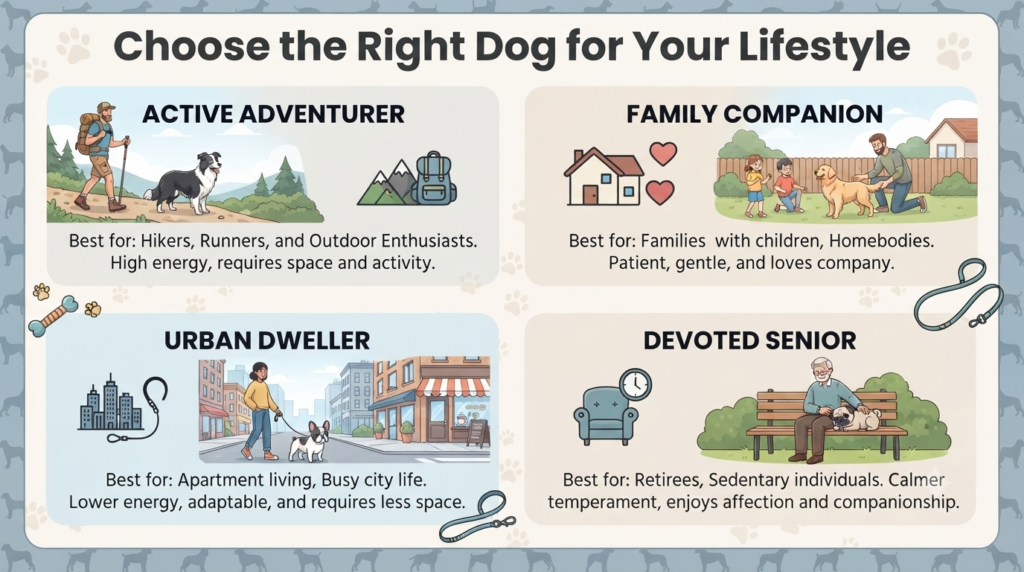
Not every dog breed fits every household. Before adopting or buying a dog, consider your daily routine, living space, activity level, and experience with pets.
For example, energetic breeds such as Border Collies and Labrador Retrievers need plenty of exercise and mental stimulation. Smaller or lower-energy breeds may adapt better to apartment living or busy schedules.
Researching breed characteristics beforehand helps ensure you choose a dog whose needs match your lifestyle, creating a happier experience for both of you.
Quick Tip: Don’t choose a dog based only on appearance. Temperament and energy level matter much more in the long run.
2. Prepare Your Home Before Bringing Your Dog Home
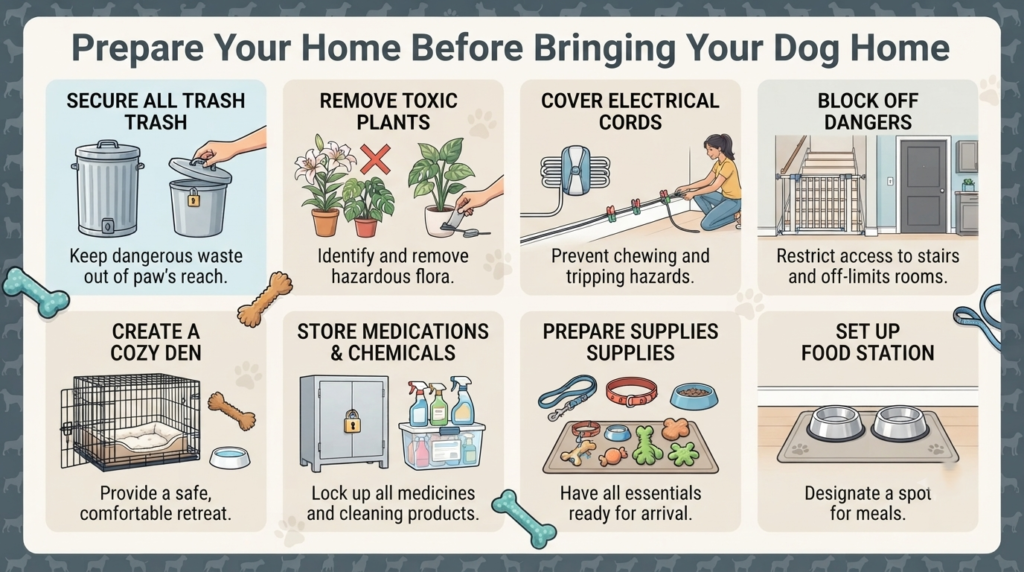
Your home should be safe and welcoming before your new companion arrives.
Start by removing toxic plants, electrical cords, and small objects that could become choking hazards. Designate a quiet sleeping area where your dog can feel secure during the adjustment period.
Essential supplies include:
- Comfortable dog bed
- Food and water bowls
- High-quality dog food
- Collar and ID tag
- Leash and harness
- Toys for mental stimulation
- Grooming supplies
- Waste bags
Preparing in advance reduces stress for both you and your pet.
3. Invest in Quality Food and Fresh Water
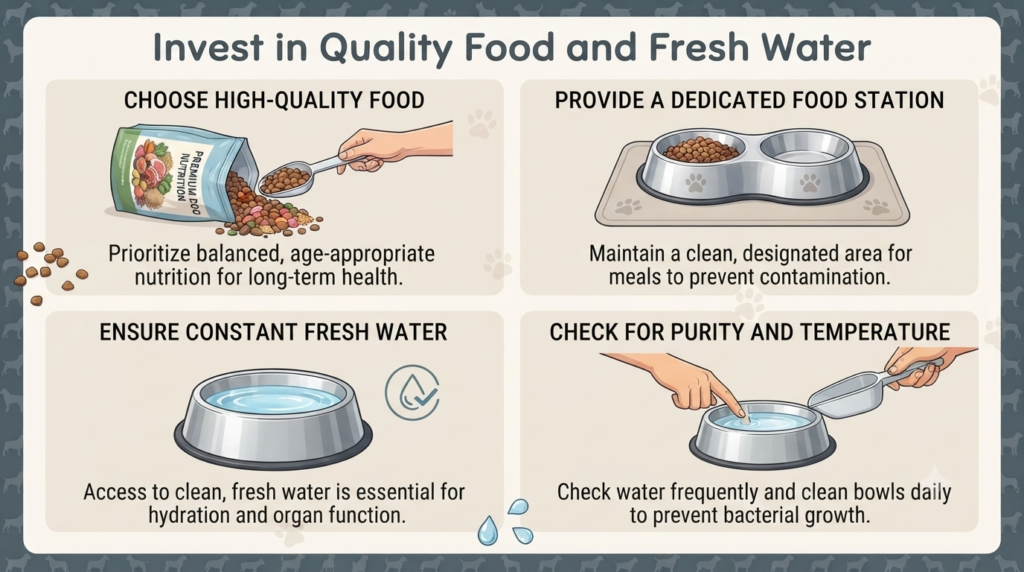
Proper nutrition plays a huge role in your dog’s overall health, energy levels, and lifespan.
Choose a balanced dog food appropriate for your dog’s age, breed, and size. Puppies, adults, and senior dogs all have different nutritional requirements.
Avoid feeding:
- Chocolate
- Grapes and raisins
- Onions
- Garlic
- Cooked bones
- Excessive human snacks
Always provide clean, fresh water throughout the day and monitor your dog’s eating habits for any sudden changes.
Remember: A healthy diet today can help prevent expensive health problems later.
4. Start Training and Socialization Early
Essential Tips for First-Time Dog Owners: Begin Training Immediately
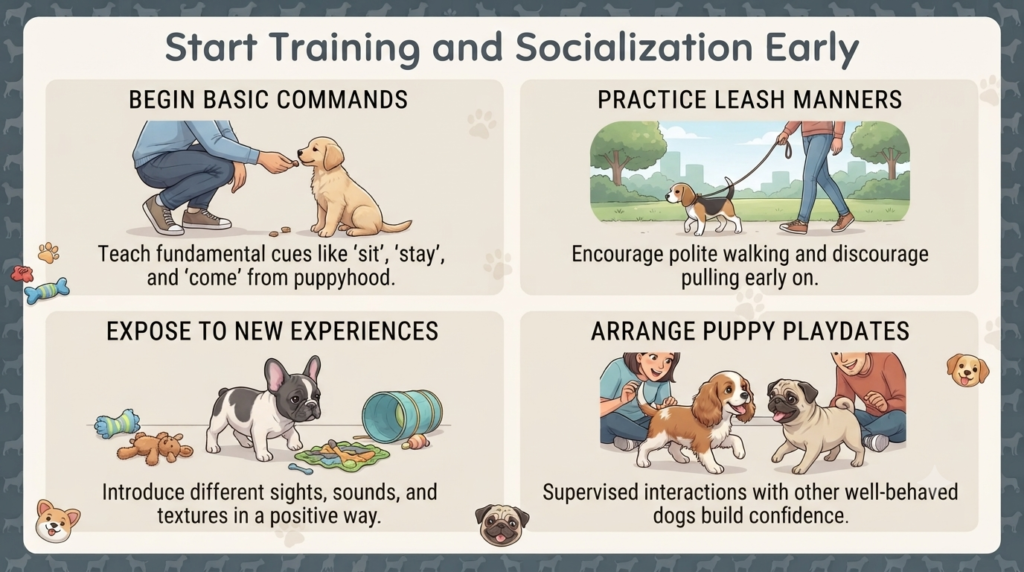
One of the biggest mistakes new dog owners make is waiting too long to begin training.
Teach basic commands like:
- Sit
- Stay
- Come
- Leave it
- Down
Use positive reinforcement by rewarding good behavior with treats, praise, or playtime instead of punishment.
Socialization is equally important. Introduce your dog gradually to different people, sounds, places, and friendly animals. Early exposure helps reduce fear, anxiety, and aggressive behavior later in life.
Keep training sessions short, fun, and consistent for the best results.
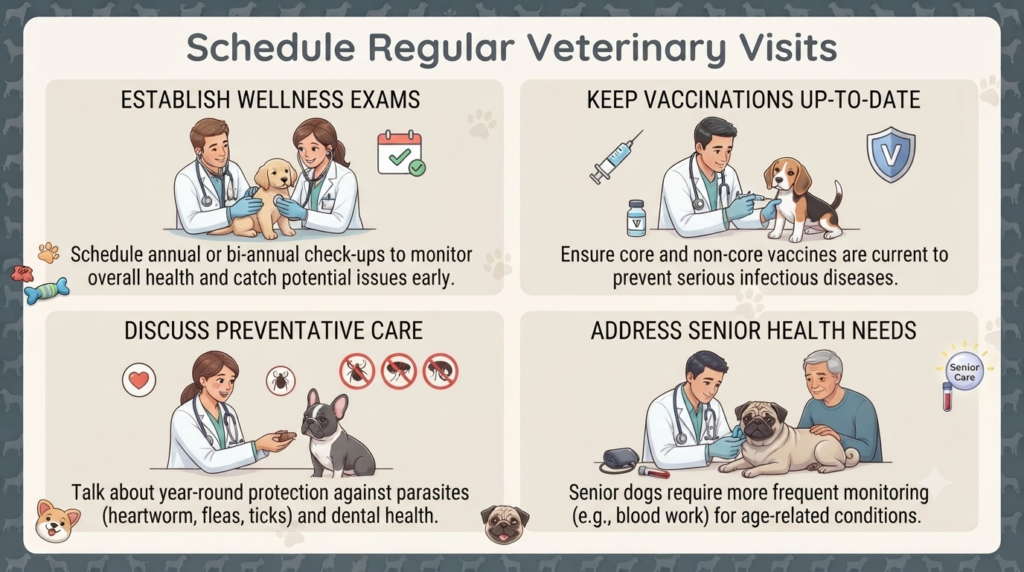
5. Schedule Regular Veterinary Visits
Routine veterinary care keeps your dog healthy and helps detect potential problems before they become serious.
Regular checkups typically include:
- Vaccinations
- Parasite prevention
- Dental examinations
- Weight monitoring
- Overall health assessments
Ask your veterinarian about flea prevention, heartworm protection, and the recommended vaccination schedule for your dog’s age.
If you notice symptoms like loss of appetite, unusual tiredness, vomiting, diarrhea, or sudden behavioral changes, don’t wait—seek professional advice promptly.
Preventive healthcare is always easier and more affordable than treating advanced illnesses.
6. Give Your Dog Daily Exercise
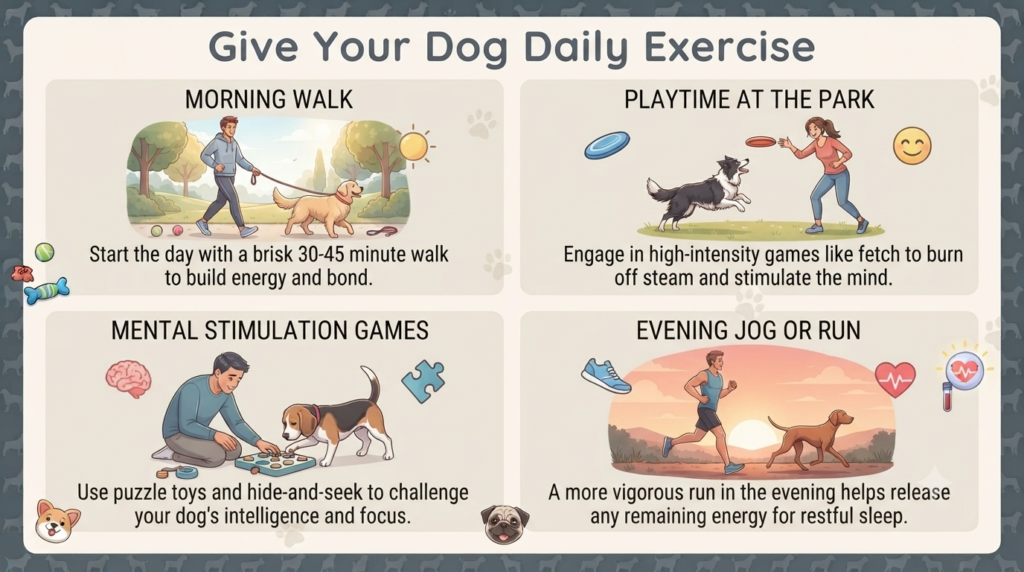
Exercise is essential for your dog’s physical and mental well-being. A dog that gets enough activity is generally happier, healthier, and less likely to develop destructive behaviors such as excessive barking or chewing furniture.
The amount of exercise your dog needs depends on its breed, age, and energy level. While some dogs are happy with a couple of short walks each day, active breeds often need longer walks, games of fetch, or even agility activities.
Simple ways to keep your dog active include:
- Daily walks
- Fetch in the backyard or park
- Tug-of-war games
- Puzzle toys
- Interactive play sessions
Quick Tip: Mental stimulation is just as important as physical exercise. Teaching new tricks or using food puzzles keeps your dog’s mind sharp.
7. Learn Basic Grooming Habits
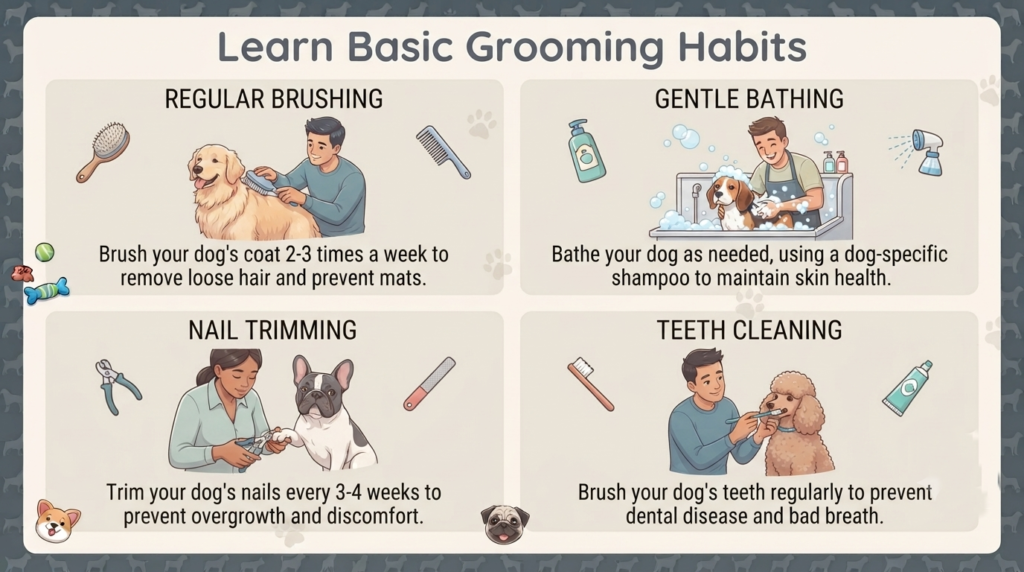
Regular grooming isn’t just about keeping your dog looking good—it also supports their overall health.
Brush your dog’s coat according to its breed to reduce shedding and prevent painful mats. Trim nails regularly, clean their ears, and brush their teeth several times a week to avoid dental disease.
Basic grooming checklist:
- Brush the coat regularly
- Trim nails every few weeks
- Clean ears gently
- Brush teeth with dog-safe toothpaste
- Bathe only when necessary
Establishing a grooming routine early helps your dog become comfortable with handling and reduces stress during grooming sessions.
8. Create a Consistent Routine
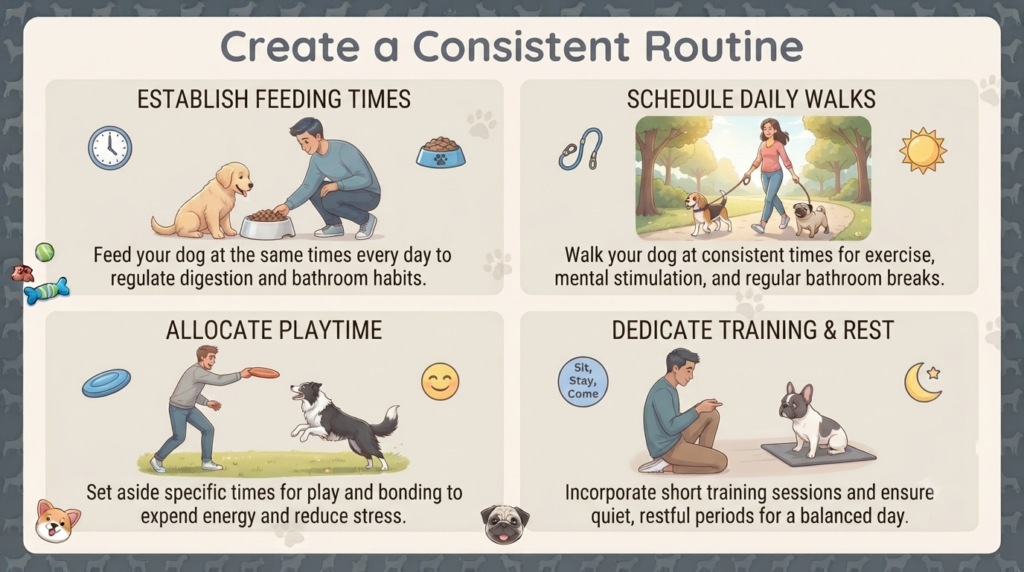
Dogs thrive on consistency. A predictable daily schedule helps them feel safe and understand what to expect.
Try to keep feeding, walks, bathroom breaks, training, and bedtime at roughly the same times each day.
A consistent routine can:
- Improve behavior
- Make house training easier
- Reduce anxiety
- Strengthen trust
- Help maintain good health
Even small routines can make a big difference in helping your dog adjust to their new home.
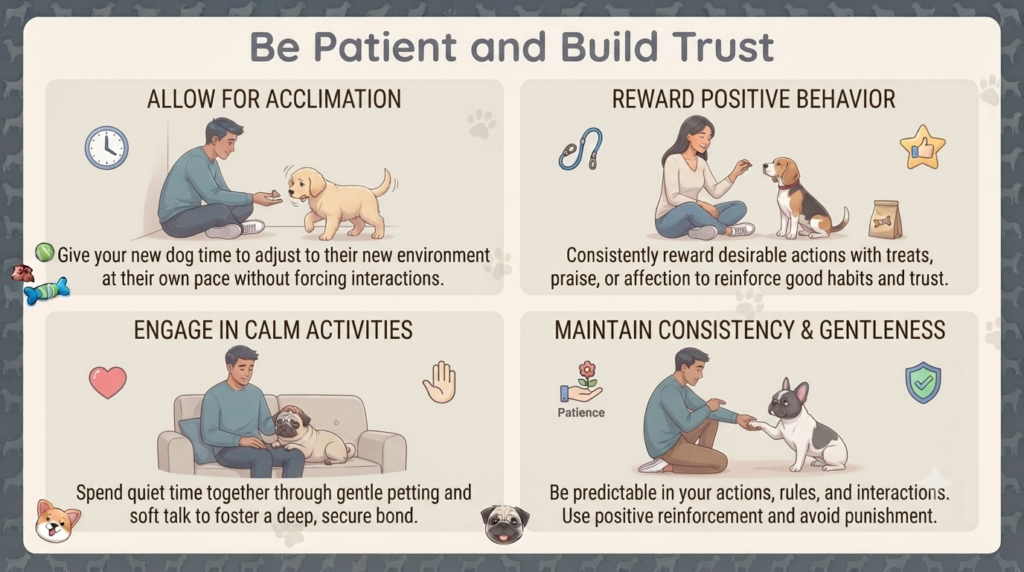
9. Be Patient and Build Trust
Building a strong relationship with your dog takes time. Your pet won’t learn everything overnight, and mistakes are a normal part of the process.
Avoid yelling or using harsh punishment. Instead, stay calm and reward positive behavior with praise, treats, or affection.
Remember that many rescue dogs and puppies may need extra time to adapt to a new environment. Patience, kindness, and consistency will help your dog gain confidence and trust you.
A trusting relationship is the foundation of successful training and a lifelong bond.
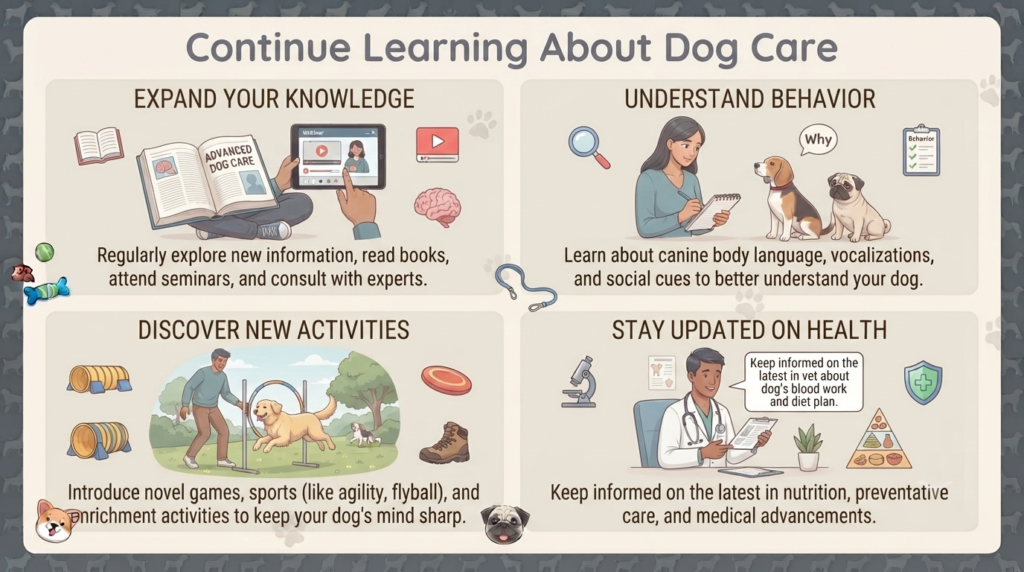
10. Continue Learning About Dog Care
Responsible dog ownership is an ongoing learning journey. As your dog grows, their nutritional needs, exercise requirements, and healthcare will change.
Stay informed by reading reliable pet care resources, consulting your veterinarian, and learning about your dog’s breed-specific needs.
Topics worth exploring include:
- Senior dog care
- Nutrition updates
- Behavior training
- Seasonal pet safety
- Emergency first aid for dogs
The more knowledge you gain, the better equipped you’ll be to give your dog a happy and healthy life.
Conclusion
Following these 10 essential tips for first-time dog owners will help you build a strong, loving relationship with your new companion while providing the care they deserve. From choosing the right dog and providing proper nutrition to regular exercise, training, and veterinary care, every small effort contributes to your pet’s long-term health and happiness.
Remember, becoming a great dog owner is a journey, not a race. Stay patient, keep learning, and enjoy every moment with your furry friend. At Read Hub, we’re committed to providing practical, trustworthy advice that helps pet owners make informed decisions and give their dogs the best possible life.
If you have any questions or concerns regarding this topic, feel free to contact us through our Contact Us page or reach out via the WhatsApp button available on Read Hub. We’re always happy to help!
FAQ
1. What should I buy before bringing a dog home?
You’ll need a dog bed, food and water bowls, high-quality dog food, a collar, leash, ID tag, toys, grooming supplies, and waste bags.
2. How often should I take my dog to the veterinarian?
Most healthy adult dogs should have a veterinary checkup at least once a year, while puppies and senior dogs may need more frequent visits.
3. How much exercise does a dog need every day?
It depends on the breed, age, and health of your dog. Most dogs benefit from at least 30–60 minutes of daily exercise.
4. Is positive reinforcement the best training method?
Yes. Reward-based training encourages good behavior, builds trust, and is considered one of the most effective and humane training methods.
5. Can first-time dog owners choose any breed?
Yes, but it’s important to choose a breed that matches your lifestyle, available space, and activity level to ensure a successful long-term relationship.