
Good nutrition is one of the most important parts of keeping a pet healthy, active, and comfortable. Whether you have a playful puppy, an adult dog, a kitten, or a senior cat, their nutritional needs can change with age, size, activity level, and health. This pet nutrition guide explains the basics every owner should understand, including choosing balanced food, controlling portions, providing fresh water, and avoiding potentially harmful foods. At Read Hub, we believe good pet care starts with simple, reliable information that helps owners make better everyday decisions.
1. Understand Your Pet’s Nutritional Needs
Dogs and cats don’t have identical nutritional requirements, and even pets of the same species can need different diets depending on their age, size, activity, and health. Puppies and kittens need nutrition that supports growth, while adult and senior pets may have different calorie and nutrient requirements.
Tip: Consider your pet’s individual needs rather than choosing food based only on price or advertising.

2. Choose a Complete and Balanced Diet
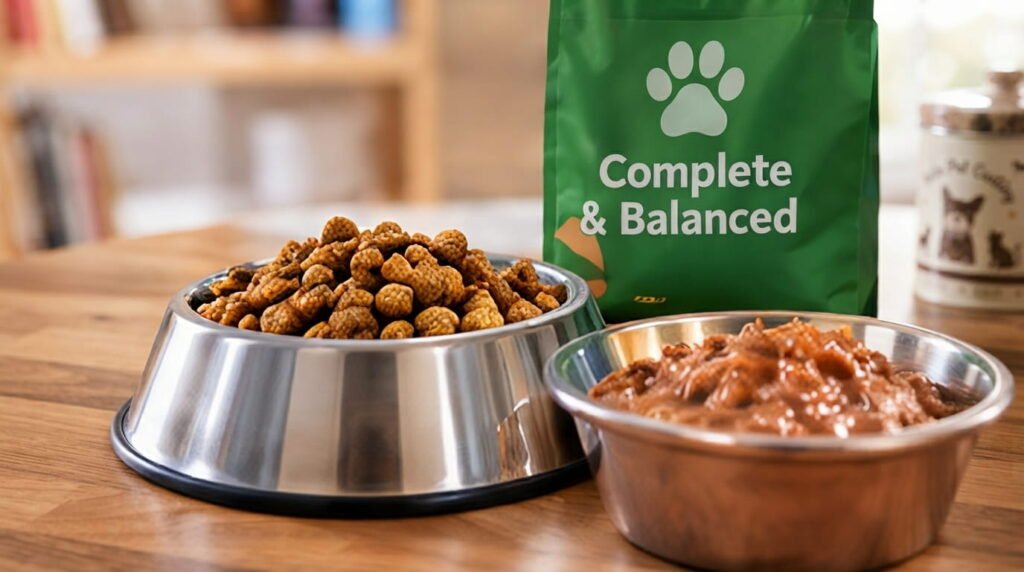
A quality pet food should provide the essential nutrients your pet needs in appropriate amounts. When comparing products, look for food that is formulated as complete and balanced for your pet’s particular life stage and species. Homemade diets can also be complicated because getting the right nutrient balance isn’t always easy without professional guidance.
Tip: If you’re changing your pet’s diet, make the transition gradually to reduce the chance of digestive upset.
3. Get Portion Sizes Right
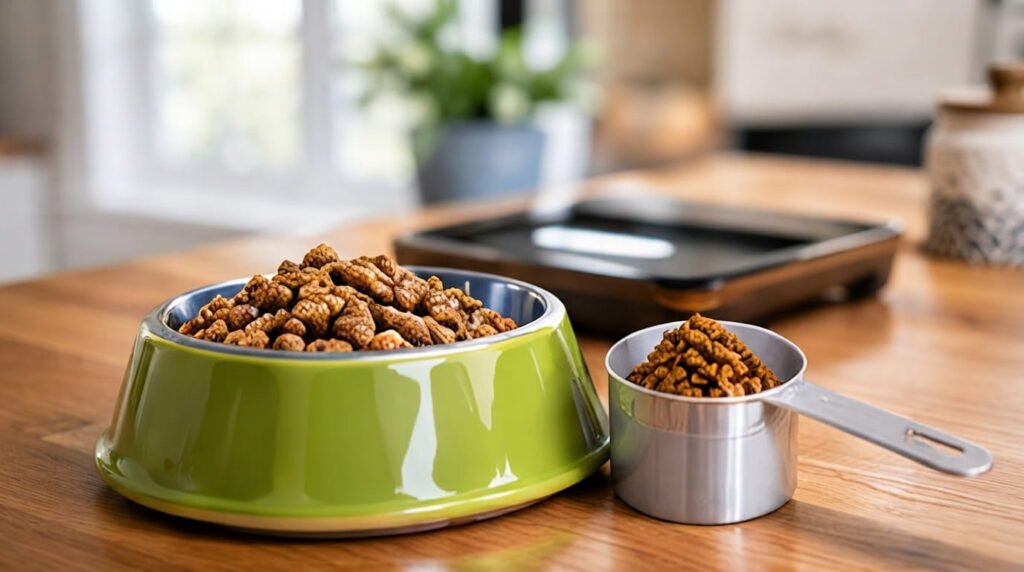
Even nutritious food can contribute to weight problems when portions are consistently too large. Follow the feeding guidance on the food packaging as a starting point, then consider your pet’s body condition, activity level, and individual needs. Treats and snacks should also be included when considering total daily food intake.
Tip: Measuring meals rather than guessing portions can make feeding much more consistent.
4. Don’t Forget Fresh Water
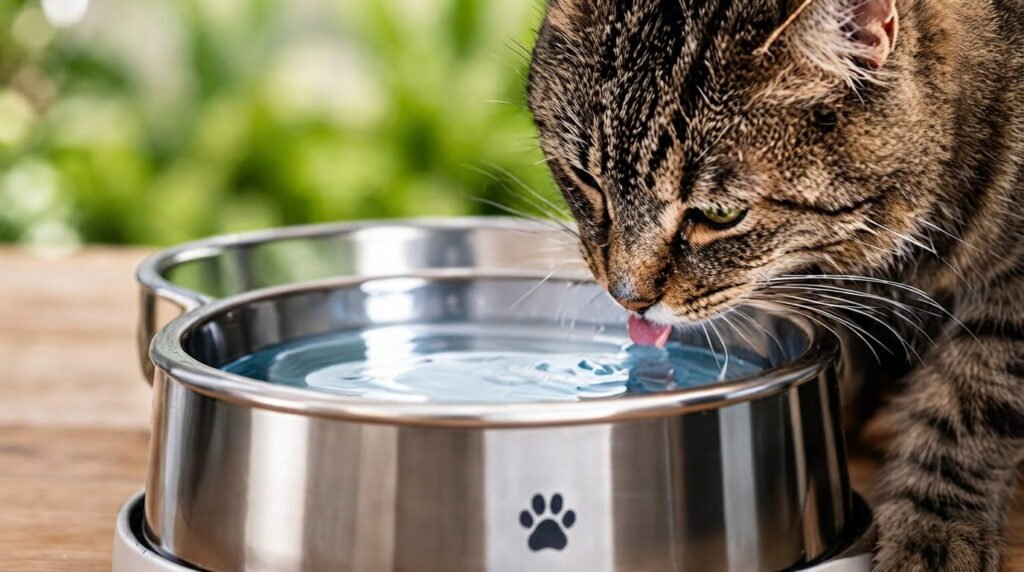
Water is just as important as food. Pets should have access to clean, fresh water throughout the day, especially during hot weather or after physical activity. Cats may sometimes drink less water than expected, so wet food and multiple clean water sources can be useful for some cats.
Tip: Wash food and water bowls regularly and refresh the water frequently.
5. Know Which Foods to Avoid
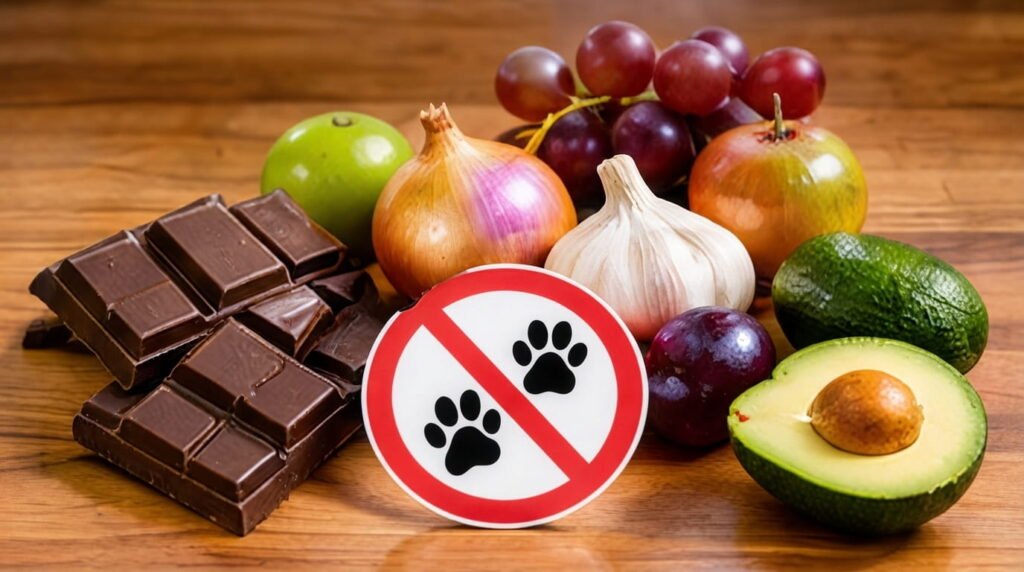
Some foods that are harmless or enjoyable for humans can be dangerous for pets. Chocolate, onions, garlic, grapes and raisins, alcohol, and products containing xylitol are examples of foods that should not be given to dogs or cats. Bones and heavily seasoned or fatty foods can also create health risks.
Tip: When you’re unsure whether a food is safe, don’t give it to your pet until you’ve checked with a veterinarian or a trusted veterinary resource.
6. Be Careful With Treats
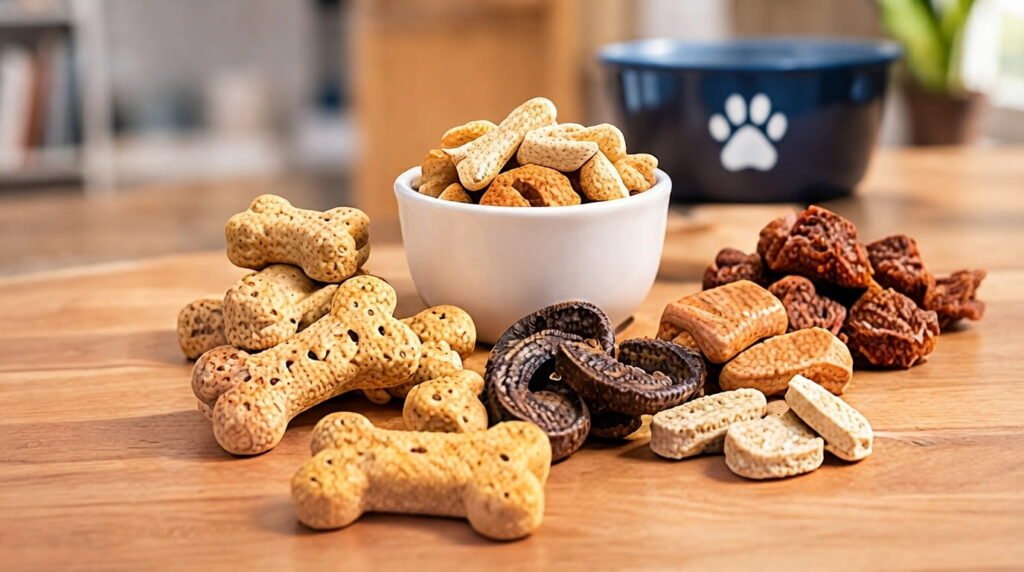
Treats are useful for training and bonding, but they shouldn’t replace a balanced diet. Giving too many treats can add unnecessary calories and may contribute to weight gain, particularly in pets that are less active. Choose appropriate treats and keep portions small.
Tip: You can occasionally use a small portion of your pet’s regular food as a reward instead of adding extra treats throughout the day.
7. Adjust Nutrition as Your Pet Ages
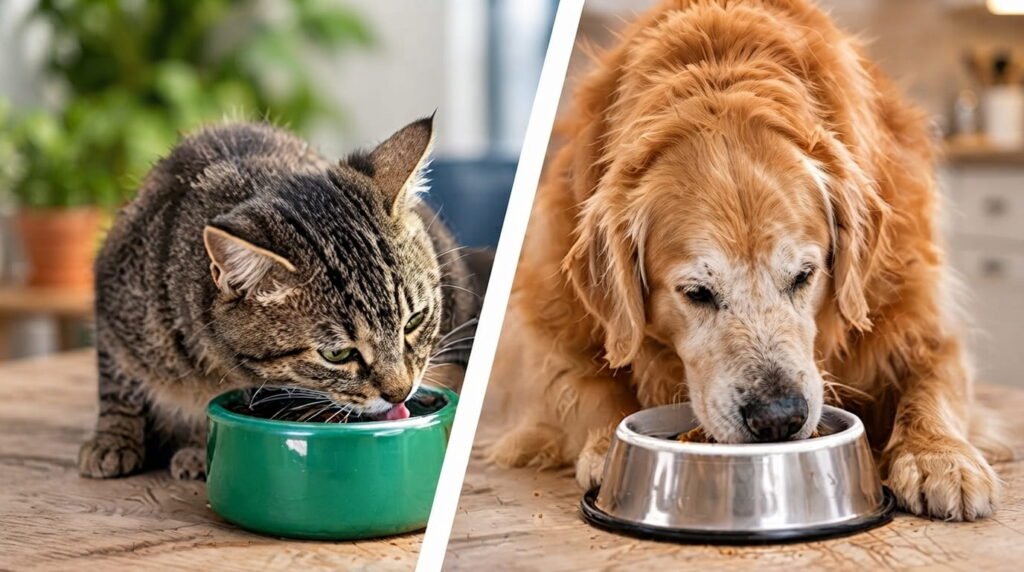
Your pet’s nutritional needs can change throughout its life. Young animals need food designed for growth, adults generally need maintenance nutrition, and older pets may require adjustments based on activity, weight, or health conditions. Sudden changes in appetite, weight, digestion, or drinking habits can also deserve veterinary attention.
Tip: Regular veterinary checkups can help determine whether your pet’s current diet still suits its needs.
Conclusion
Good pet nutrition doesn’t have to be complicated. Choose a balanced diet appropriate for your pet, measure portions carefully, provide fresh water, limit treats, and learn which human foods can be dangerous. Most importantly, remember that every pet is different, so dietary changes should take their individual needs into account. Read Hub is committed to providing practical pet-care information that helps owners make informed everyday choices.
If you have any questions or concerns regarding this topic, feel free to contact us through our Contact Us page or reach out via the WhatsApp button available on Read Hub. We’re always happy to help!
FAQ
What is the best food for pets?
The best food depends on the species, age, size, activity level, and health of the individual pet. Choose a nutritionally complete and balanced food appropriate for their life stage.
How often should pets be fed?
Feeding schedules vary by species, age, health, and individual needs. Follow the food manufacturer’s guidance and your veterinarian’s recommendations where appropriate.
Can pets eat human food?
Some human foods are safe in small amounts, but others can be toxic or harmful. Always check whether a food is safe before sharing it with your pet.
How many treats should I give my pet?
Treats should make up only a small part of your pet’s overall diet. Keep portions controlled and account for treat calories alongside regular meals.
When should I change my pet’s diet?
Diet changes may be appropriate when your pet moves into a different life stage or develops different nutritional needs. Make changes gradually unless a veterinarian advises otherwise.