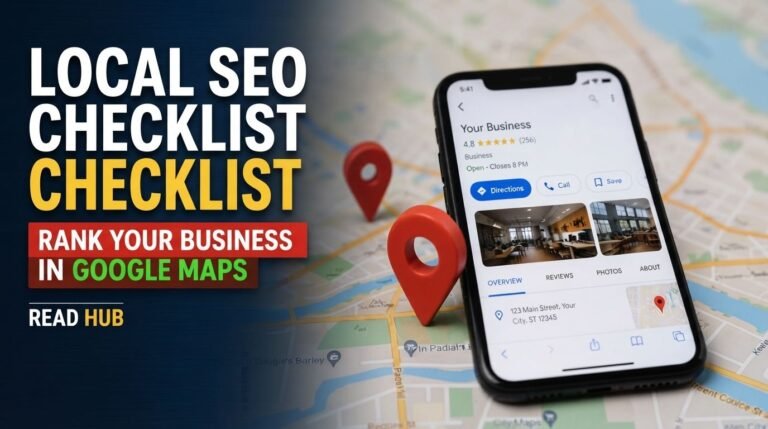

Starting a blog has never been easier, but turning it into a successful online business requires planning, consistency, and smart strategies. In 2026, blogging is no longer just about publishing articles—it’s about creating valuable content that solves problems, ranks well in search engines, and builds trust with readers.
Whether you’re launching your very first website or looking to grow an existing one, this comprehensive guide from Read Hub will walk you through the essential steps to build a successful blog that attracts visitors, earns authority, and creates long-term income opportunities.

Choose the Right Blogging Niche
Every successful blog begins with a clear niche. Instead of writing about everything, focus on a specific topic that matches your knowledge, interests, and audience demand. A niche helps search engines understand your website while making it easier for readers to recognize your expertise.
Popular niches in 2026 include personal finance, health, technology, travel, food, education, and digital marketing. Before choosing a niche, research its competition, search demand, and long-term growth potential.
Pro Tip: Pick a niche that you can consistently write about for years rather than following short-term trends.

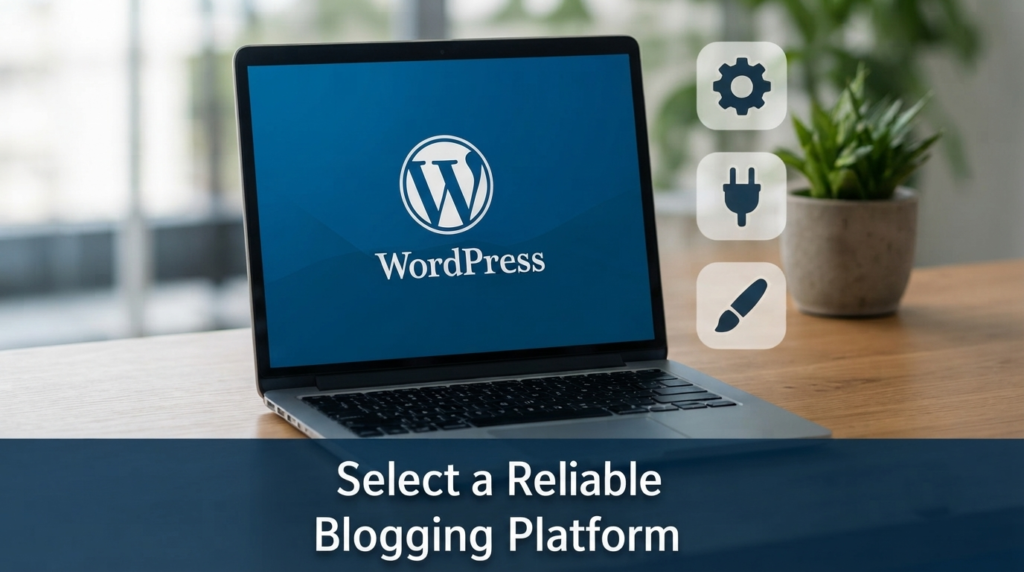
Select a Reliable Blogging Platform
Your blogging platform forms the foundation of your website. While there are many options available, self-hosted WordPress remains the most popular choice because it offers flexibility, customization, and excellent SEO capabilities.
Choose a responsive theme that loads quickly, works well on mobile devices, and provides a great user experience. Avoid installing unnecessary plugins, as they can slow down your website.
A strong technical foundation makes future growth much easier.
Buy a Domain Name and Hosting
Your domain name represents your brand, so keep it short, memorable, and easy to spell. If possible, choose a name that reflects your niche without making it too restrictive.
Reliable web hosting is equally important. A fast, secure hosting provider improves loading speed, reduces downtime, and supports better search engine rankings.
Don’t forget to install an SSL certificate to protect visitor data and improve trust.

Create High-Quality Content
Content remains the heart of every successful blog. Instead of publishing articles simply to increase quantity, focus on creating comprehensive, helpful, and original content that genuinely answers readers’ questions.
Write naturally, use clear headings, include practical examples, and break long paragraphs into shorter sections for better readability. Updating older posts regularly is just as important as publishing new ones.
Google increasingly rewards content that demonstrates experience, expertise, authority, and trustworthiness (EEAT).

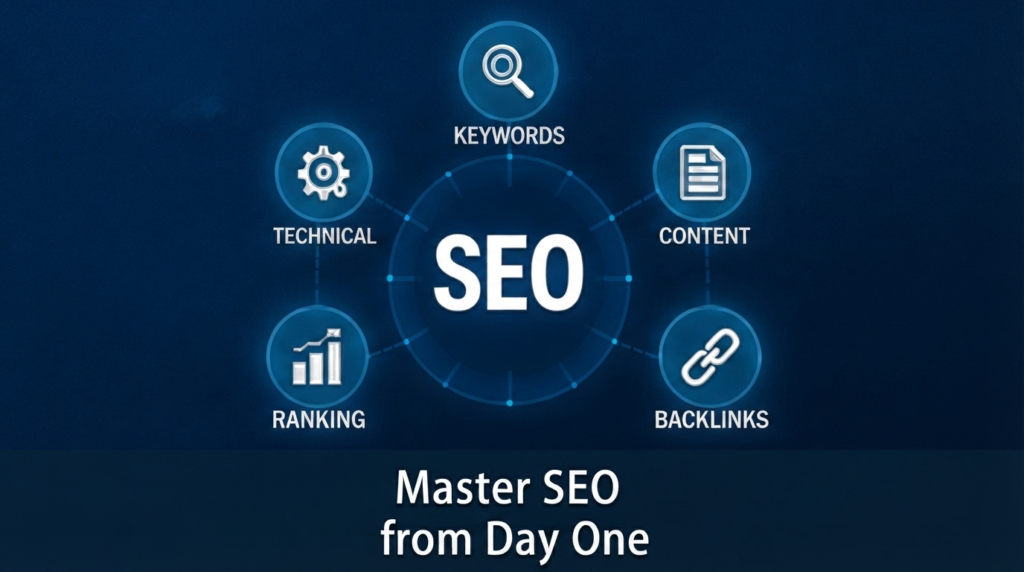
Master SEO from Day One
Learning basic SEO early will save countless hours later. Start by performing keyword research before writing each article. Include your focus keyword naturally in the title, introduction, headings, meta description, URL, and conclusion without overusing it.
Optimize images with descriptive alt text, improve page speed, create internal links, and ensure your website works perfectly on mobile devices.
Remember, successful SEO is about helping users first—not search engines.
Build a Content Strategy
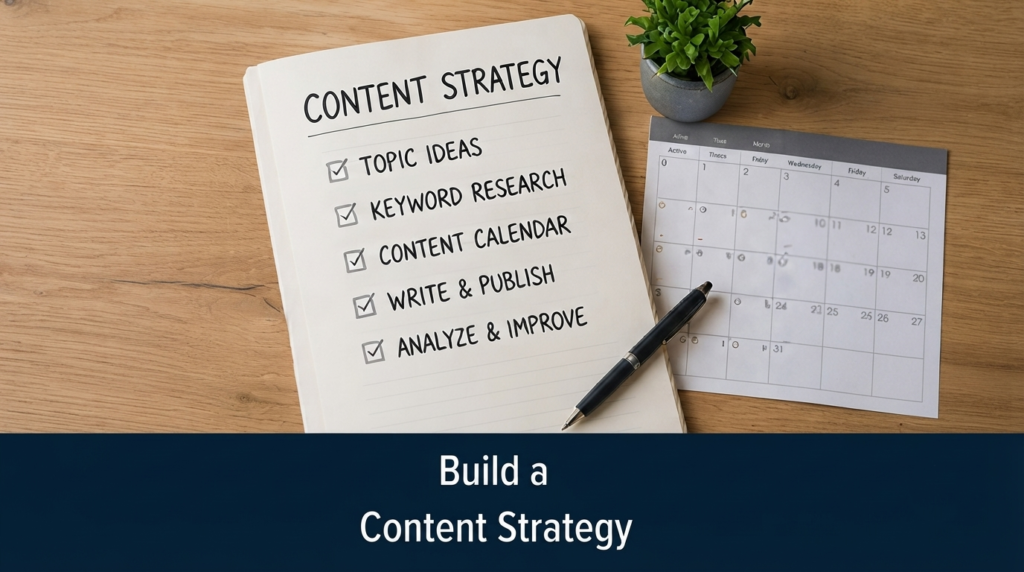
Publishing content without a plan often leads to inconsistent growth. Instead, create a content calendar that outlines what you’ll publish each week or month. Mix evergreen articles that remain useful for years with trending topics that attract short-term traffic.
Focus on solving real problems your audience faces. Research common questions, analyze search intent, and write comprehensive articles that provide practical value. Consistency builds trust with both readers and search engines.
Pro Tip: Aim for quality over quantity. One exceptional article is worth more than several average ones.
Promote Your Blog
Writing great content is only half the job—you also need to promote it. Share new posts on social media platforms, relevant online communities, newsletters, and industry forums where your target audience spends time.
Build relationships with other bloggers by leaving thoughtful comments, collaborating on guest posts, and participating in discussions. Over time, these efforts can generate backlinks, referral traffic, and stronger online authority.
Remember, consistent promotion is just as important as consistent publishing.

Grow an Email List
An email list gives you direct access to your audience without relying on search engines or social media algorithms. Encourage visitors to subscribe by offering valuable resources such as free guides, checklists, templates, or exclusive content.
Send helpful newsletters regularly instead of constant promotions. Share your latest articles, blogging tips, and useful insights to keep subscribers engaged.
A loyal email audience often becomes your most reliable source of repeat traffic.

Monetize Your Blog
Once your blog starts attracting consistent visitors, there are several ways to generate income. Popular monetization methods include affiliate marketing, display advertising, sponsored content, selling digital products, online courses, consulting services, and membership programs.
Choose monetization strategies that fit your niche and genuinely benefit your audience. Building trust should always come before earning revenue.
Diversifying income sources also creates a more stable blogging business over time.

Track Performance and Keep Improving
Successful bloggers constantly measure their progress. Monitor important metrics such as organic traffic, keyword rankings, bounce rate, page views, click-through rate, and conversions.
Use analytics tools to understand what content performs best, then update and improve older articles regularly. Refresh outdated information, add new examples, improve internal linking, and optimize for the latest SEO best practices.
Continuous improvement helps your blog remain competitive and relevant in 2026 and beyond.

Conclusion
Learning how to build a successful blog in 2026 is about much more than publishing articles. It requires choosing the right niche, creating valuable content, mastering SEO, promoting your work, building an engaged audience, and consistently improving your website.
At Read Hub, we believe that patience, consistency, and a reader-first approach are the foundation of long-term blogging success. Keep learning, adapt to industry changes, and focus on delivering genuine value—your blog will continue to grow.
If you have any questions or concerns regarding this topic, feel free to contact us through our Contact Us page or reach out via the WhatsApp button available on Read Hub. We’re always happy to help!
FAQ
1. How long does it take to build a successful blog?
Most blogs take 6–12 months to gain consistent organic traffic, depending on content quality, SEO, competition, and publishing consistency.
2. Do I need SEO to grow a blog?
Yes. SEO helps your content rank higher in search engines, bringing long-term organic traffic and increasing your blog’s visibility.
3. Can beginners start a successful blog?
Absolutely. With the right niche, valuable content, consistent publishing, and basic SEO knowledge, beginners can build a profitable blog over time.
4. What is the best blogging platform in 2026?
Self-hosted WordPress remains the most popular option due to its flexibility, SEO capabilities, and wide range of customization features.
5. How can I make money from blogging?
Common methods include affiliate marketing, display ads, sponsored posts, selling digital products, online courses, memberships, and consulting services.