

Bringing a new pet into your home is an exciting experience, but it also comes with important responsibilities. Whether you’ve adopted a playful puppy, a curious kitten, or another companion animal, understanding the basics of pet care for beginners will help your new friend live a long, healthy, and happy life. At Read Hub, we believe that every pet deserves love, proper care, and a safe environment. This guide covers everything first-time pet owners need to know, from nutrition and training to grooming and regular veterinary care.

Choose the Right Pet for Your Lifestyle
The first step to successful pet ownership is selecting a pet that matches your lifestyle. Consider your living space, daily schedule, budget, and activity level. Dogs usually require more exercise and attention, while cats are generally more independent. Research different breeds and species before making your decision to ensure a good long-term match.

Prepare Your Home Before Bringing Your Pet Home
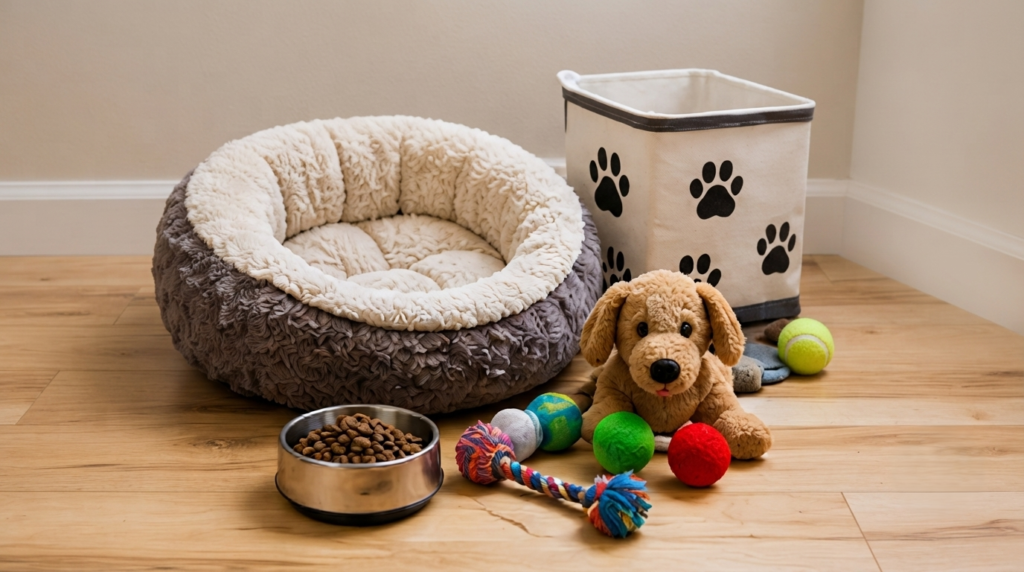
Create a comfortable space with food and water bowls, a cozy bed, toys, and appropriate supplies. Remove harmful plants, toxic foods, electrical cords, and small objects that could be swallowed. Pet-proofing your home helps prevent accidents and gives your new companion a safe place to explore.
Feed Your Pet a Balanced Diet
Good nutrition is the foundation of lifelong health. Choose high-quality pet food that matches your pet’s age, size, and activity level. Always provide fresh, clean water and avoid feeding table scraps or foods that can be toxic, such as chocolate, onions, grapes, and xylitol. Consult your veterinarian if you’re unsure about the best diet.

Keep Up with Grooming and Hygiene
Regular grooming keeps your pet healthy and comfortable. Brush your pet’s coat to reduce shedding, trim nails when necessary, clean ears, and brush teeth regularly. Bathing should be done as needed using pet-safe products. Establishing a grooming routine early makes the process much easier.

Provide Daily Exercise and Mental Stimulation
Physical activity helps maintain a healthy weight while preventing boredom and destructive behavior. Walk dogs daily, provide climbing spaces for cats, and rotate interactive toys to keep pets mentally engaged. Puzzle feeders and training games are excellent ways to stimulate your pet’s mind.

Focus on Basic Training and Socialization
Training teaches pets how to behave appropriately while strengthening your relationship. Use positive reinforcement by rewarding good behavior with treats, praise, or playtime. Early socialization with people, pets, and new environments helps reduce fear and anxiety later in life.

Schedule Regular Veterinary Checkups
Routine veterinary visits are essential for vaccinations, parasite prevention, dental care, and early disease detection. Annual wellness exams help identify health concerns before they become serious. Keep vaccination records and follow your veterinarian’s recommendations throughout your pet’s life.

Create a Safe and Comfortable Environment
A secure environment protects your pet from injury and stress. Use identification tags and microchips, secure fences and gates, and keep dangerous chemicals safely stored away. Ensure your pet has a quiet place to rest where they feel safe and relaxed.

Build Trust Through Daily Interaction
Pets thrive on love, consistency, and companionship. Spend quality time playing, training, and relaxing together every day. Learning your pet’s body language helps you understand their needs and strengthens the bond you’ll share for years.

Avoid Common Beginner Mistakes
Many first-time owners unintentionally overfeed their pets, skip training, ignore dental care, or delay veterinary visits. Consistency, patience, and ongoing learning are the keys to becoming a confident and responsible pet owner. Small daily habits often make the biggest difference in your pet’s overall well-being.

Conclusion
Learning pet care for beginners doesn’t have to feel overwhelming. By providing proper nutrition, regular exercise, preventive healthcare, consistent training, and plenty of affection, you’ll create a happy and healthy life for your companion. Remember that every pet is unique, so be patient while learning what works best for them. At Read Hub, we’re committed to helping pet owners make informed decisions that improve their pets’ lives.
If you have any questions or concerns regarding this topic, feel free to contact us through our Contact Us page or reach out via the WhatsApp button available on Read Hub. We’re always happy to help!
FAQ
1. What does a beginner need before bringing home a pet?
You’ll need food and water bowls, quality food, a bed, toys, grooming supplies, and a veterinary appointment scheduled soon after adoption.
2. How often should I take my pet to the vet?
Healthy adult pets generally need an annual checkup, while puppies, kittens, and senior pets may require more frequent visits.
3. What is the best food for a new pet?
Choose a balanced, high-quality diet appropriate for your pet’s species, age, breed, and health needs. Your veterinarian can recommend the best option.
4. How can I train my pet effectively?
Use positive reinforcement, stay consistent with commands, keep sessions short, and reward good behavior immediately.
5. How much exercise does my pet need?
Exercise needs vary by species and breed, but daily physical activity and mental stimulation are essential for overall health.