

Saving money doesn’t have to mean giving up everything you enjoy. Many people believe they need to stop eating out, cancel every subscription, or avoid shopping completely to build their savings. In reality, small and consistent changes often make a much bigger difference than drastic cuts.
The goal is to spend smarter, not necessarily less. By making better financial decisions and eliminating unnecessary expenses, you can save money quickly while still enjoying the lifestyle you love. In this guide, Read Hub shares practical strategies that are easy to follow and effective in the long run.

Why Saving Money Doesn’t Mean Sacrifice
Many people think saving money requires giving up everything they enjoy, but that’s rarely the best approach. Extreme budgeting often becomes difficult to maintain and can leave you feeling frustrated.
Instead, focus on spending intentionally. Keep the things that genuinely add value to your life while reducing expenses that don’t. This balanced approach makes saving money easier and more sustainable over time.
Pro Tip: Review your spending every month and ask yourself which purchases truly improved your life.

Track Where Your Money Goes
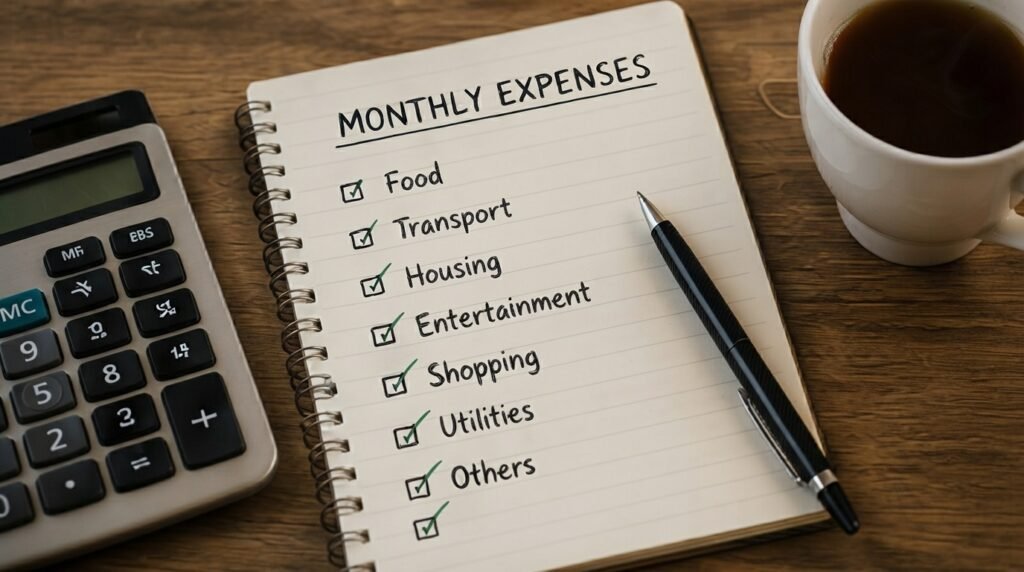
Before you can save more, you need to understand how you’re spending your money. Small daily purchases often go unnoticed, but together they can have a significant impact on your monthly budget.
Use a budgeting app, spreadsheet, or even a notebook to record your expenses. After a few weeks, you’ll quickly identify areas where you can cut back without affecting your lifestyle.
Pay close attention to:
- Food and dining
- Entertainment
- Online shopping
- Transportation
- Subscription services
Pro Tip: Tracking your expenses for just one month can reveal spending habits you never noticed before.
Cut Unused Subscriptions
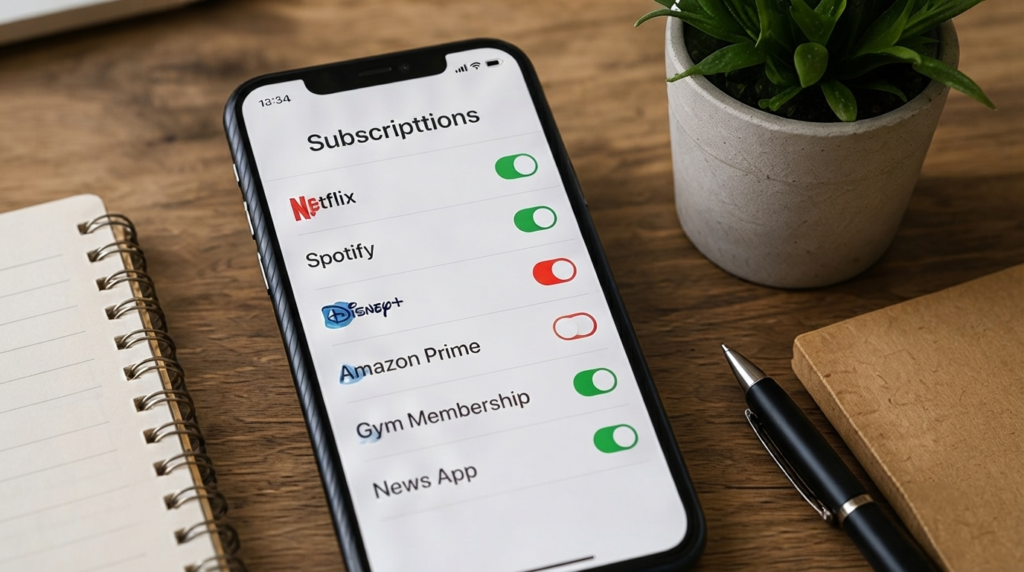
Subscription services are convenient, but many people continue paying for memberships they rarely use. Streaming platforms, fitness apps, cloud storage, and software subscriptions can quietly increase your monthly expenses.
Take a few minutes to review your bank statements and cancel services you no longer need. You can always subscribe again later if your needs change.
Common subscriptions to review:
- Streaming platforms
- Music services
- Gym memberships
- Mobile apps
- Software subscriptions
Pro Tip: Even canceling one or two unused subscriptions can save hundreds of dollars each year.
Shop Smarter, Not Less
Saving money doesn’t mean you have to stop shopping. Instead, focus on buying products that offer real value and avoid impulse purchases.
Compare prices, wait for seasonal sales, and make a shopping list before leaving home or shopping online. Planning your purchases helps you avoid spending money on things you don’t actually need.
Smart shopping habits include:
- Compare prices online
- Use discount coupons
- Buy during seasonal sales
- Avoid impulse buying
- Stick to your shopping list
Pro Tip: Wait 24 hours before making non-essential purchases. You’ll often find you no longer want the item.

Cook More Meals at Home
Eating out regularly is convenient, but it can quickly become one of the biggest monthly expenses. Preparing meals at home is usually healthier and much more affordable.
You don’t need to cook elaborate recipes every day. Simple meal planning and batch cooking can save both time and money while reducing food waste.
Easy ways to save on food:
- Plan meals weekly
- Cook in batches
- Pack lunch for work
- Buy seasonal ingredients
- Reduce food waste
Pro Tip: Replacing just two restaurant meals each week with home-cooked meals can lead to noticeable savings over a year.

Use Cashback and Reward Programs
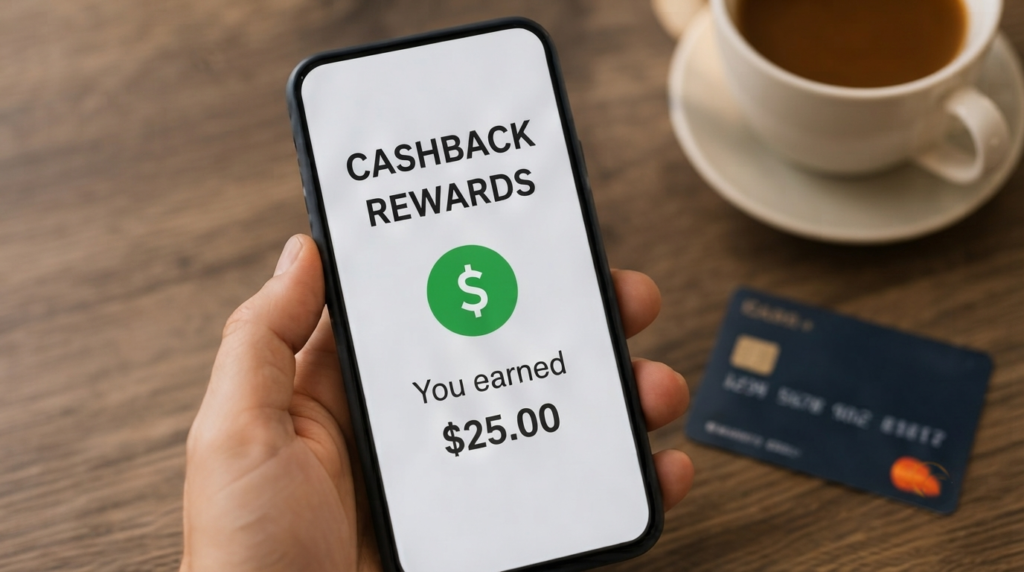
Cashback apps, reward cards, and store loyalty programs can help you save money on purchases you already planned to make. While the savings may seem small at first, they add up over time.
The key is to use these programs responsibly. Never spend extra money simply to earn rewards. Instead, let cashback become an added benefit on your regular purchases.
Look for rewards on:
- Groceries
- Fuel
- Online shopping
- Travel bookings
- Everyday household purchases
Pro Tip: Always pay off your credit card balance in full if you’re using it for cashback rewards to avoid interest charges.
Set Clear Savings Goals
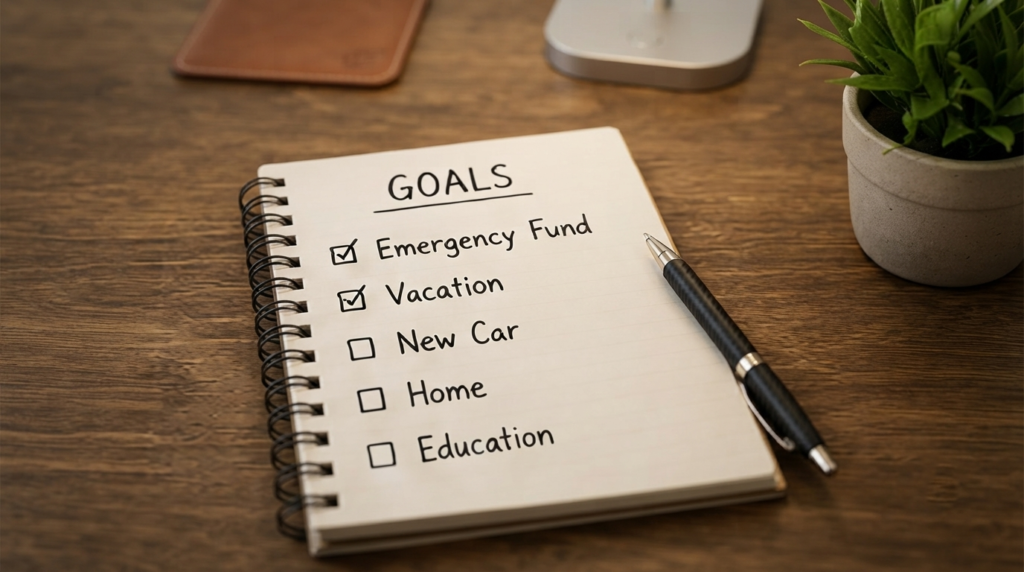
Saving money becomes much easier when you know exactly what you’re working toward. Whether it’s building an emergency fund, planning a vacation, buying a car, or saving for a home, having a clear goal keeps you motivated.
Break large goals into smaller monthly targets. Watching your progress grow each month makes it easier to stay consistent and avoid unnecessary spending.
Popular savings goals include:
- Emergency fund
- Vacation
- New car
- Home down payment
- Retirement savings
Pro Tip: Give each savings goal a deadline to stay focused and motivated.
Automate Your Savings
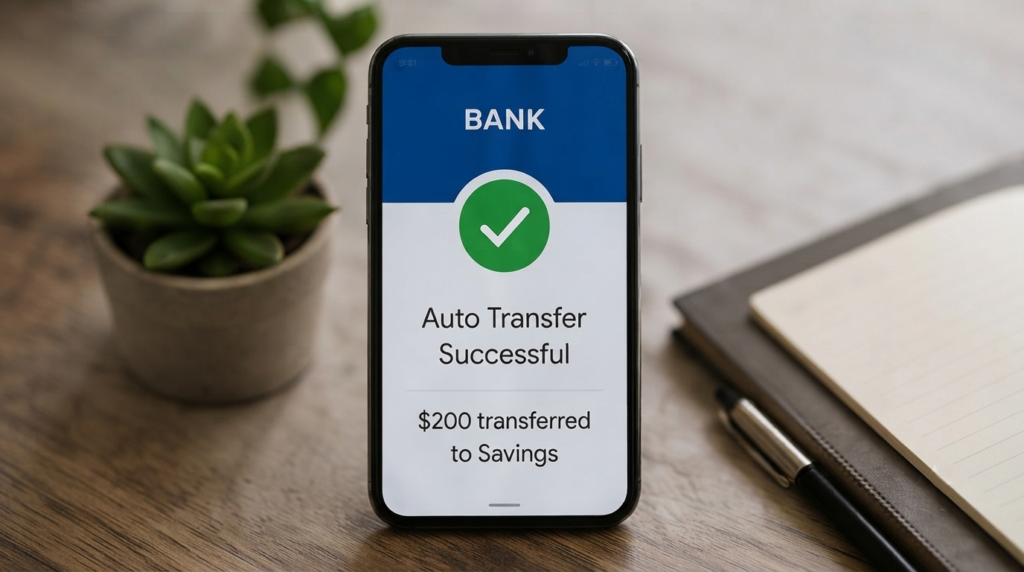
One of the easiest ways to save consistently is to automate the process. Setting up an automatic transfer from your checking account to your savings account ensures you save before you’re tempted to spend.
Even small automatic deposits can grow into a significant amount over time. The key is consistency, not the size of each transfer.
Benefits of automation:
- Builds saving habits
- Reduces unnecessary spending
- Helps reach goals faster
- Eliminates missed deposits
Pro Tip: Schedule your savings transfer on payday so saving becomes your first financial priority.
Reduce Utility Bills
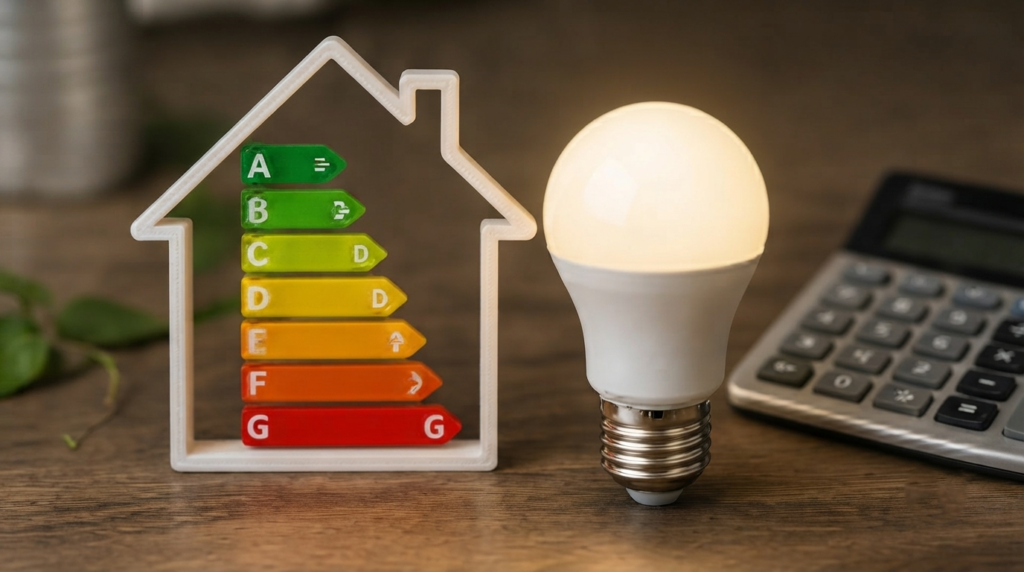
Lowering your monthly utility costs is another simple way to save money without changing your lifestyle. Small adjustments at home can lead to noticeable savings throughout the year.
Turn off lights when leaving a room, unplug devices you’re not using, and choose energy-efficient appliances whenever possible. These habits reduce waste while lowering your monthly bills.
Simple ways to save:
- Switch to LED bulbs
- Unplug unused electronics
- Adjust your thermostat wisely
- Fix water leaks promptly
- Use energy-efficient appliances
Pro Tip: Review your utility bills every few months to track your progress and identify additional saving opportunities.
Buy Quality Instead of Cheap Products
Buying the cheapest option isn’t always the smartest financial decision. Low-quality products often wear out quickly, forcing you to replace them more often.
Instead, invest in durable items that offer better long-term value. While the initial cost may be higher, you’ll usually spend less over time because quality products last longer.
Worth investing in:
- Shoes
- Kitchen appliances
- Furniture
- Electronics
- Everyday clothing
Pro Tip: Before buying, compare the product’s quality, warranty, and expected lifespan—not just its price.

Avoid Lifestyle Inflation
As your income increases, it’s natural to want nicer things. However, constantly increasing your spending whenever you earn more can prevent you from building meaningful savings.
Instead of upgrading everything, continue living below your means and direct part of your extra income toward savings or investments. This simple habit can have a huge impact on your financial future.
Ways to avoid lifestyle inflation:
- Increase savings after every raise
- Avoid unnecessary upgrades
- Focus on long-term financial goals
- Spend intentionally, not emotionally
Pro Tip: Save at least part of every salary increase before adjusting your lifestyle.

Conclusion
Learning how to save money fast without sacrificing your lifestyle is about making smarter financial choices, not giving up everything you enjoy. Small habits—such as tracking expenses, shopping wisely, cooking at home, and automating your savings—can make a big difference over time.
At Read Hub, we believe financial success comes from consistency rather than extreme budgeting. Start with one or two of these strategies today, and you’ll be surprised how quickly your savings begin to grow while you continue enjoying the lifestyle you value.
If you have any questions or concerns regarding this topic, feel free to contact us through our Contact Us page or reach out via the WhatsApp button available on Read Hub. We’re always happy to help!
FAQ
How can I save money fast without changing my lifestyle?
Start by tracking your spending, canceling unused subscriptions, shopping more strategically, and automating your savings. These simple changes reduce unnecessary expenses without affecting the activities you enjoy.
What is the easiest way to start saving money?
The easiest method is to create a monthly budget and set up automatic transfers to a savings account. Saving a small amount consistently is often more effective than trying to save a large amount occasionally.
Should I stop eating out to save money?
Not necessarily. Instead of eliminating dining out completely, reduce how often you go and balance restaurant meals with home-cooked food. This approach helps you save money without feeling restricted.
How much of my income should I save each month?
A common recommendation is to save at least 20% of your income if possible. However, any amount is better than none, and consistency is more important than reaching a specific percentage.
Why do I struggle to save money?
Many people struggle because they don’t track their spending or set clear financial goals. Identifying unnecessary expenses and creating a realistic savings plan can make the process much easier.