
Dressing professionally doesn’t mean you need a wardrobe full of expensive designer clothes. Whether you’re starting a new job, preparing for interviews, or upgrading your office style, you can look polished without spending a fortune.
The secret is making smart buying decisions instead of buying more clothes. By choosing versatile pieces, shopping strategically, and taking care of your wardrobe, you can build a professional look that lasts. In this guide, Read Hub shares practical tips to help you dress with confidence while staying within your budget.
Why Professional Appearance Matters
Your appearance is often the first thing people notice. A neat and well-planned outfit can help you make a positive first impression during interviews, meetings, or everyday office life.
Looking professional isn’t about wearing expensive brands. Clean, well-fitted clothes that suit your workplace often leave a stronger impression than trendy outfits. When you feel confident in what you’re wearing, it naturally reflects in your attitude and communication.

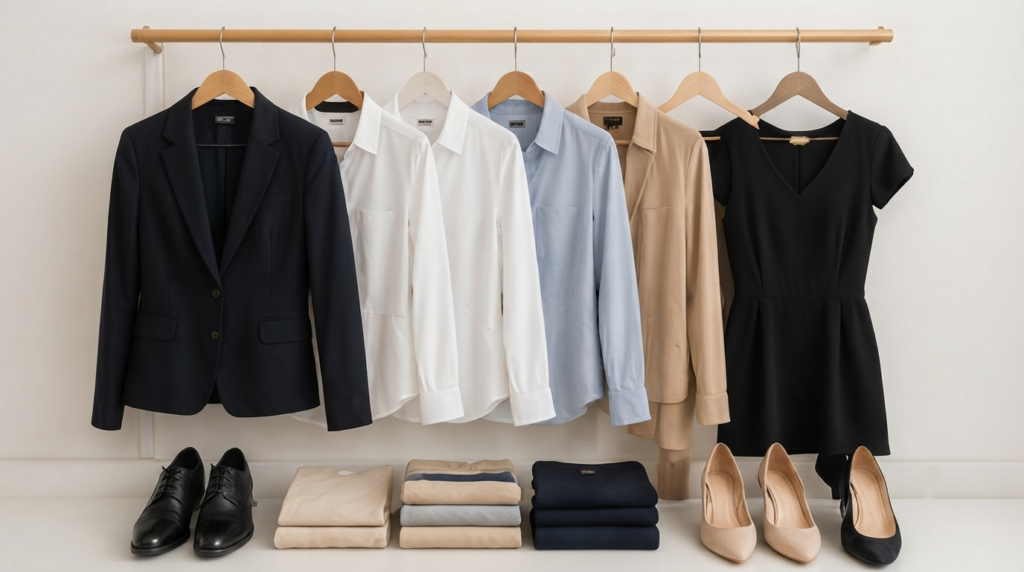
Build a Capsule Wardrobe
A capsule wardrobe is a small collection of clothing that can be mixed and matched to create multiple professional outfits. It helps you save money while reducing the stress of deciding what to wear every day.
Instead of buying trendy pieces you’ll rarely use, focus on timeless essentials that work for different occasions. This approach keeps your wardrobe organized and ensures every purchase has long-term value.
Start with these essentials:
- Black or navy blazer
- White button-down shirt
- Neutral trousers
- Simple cardigan
- Comfortable formal shoes
Pro Tip: Buy quality basics first and expand your wardrobe gradually instead of replacing everything at once.
Choose Neutral Colors
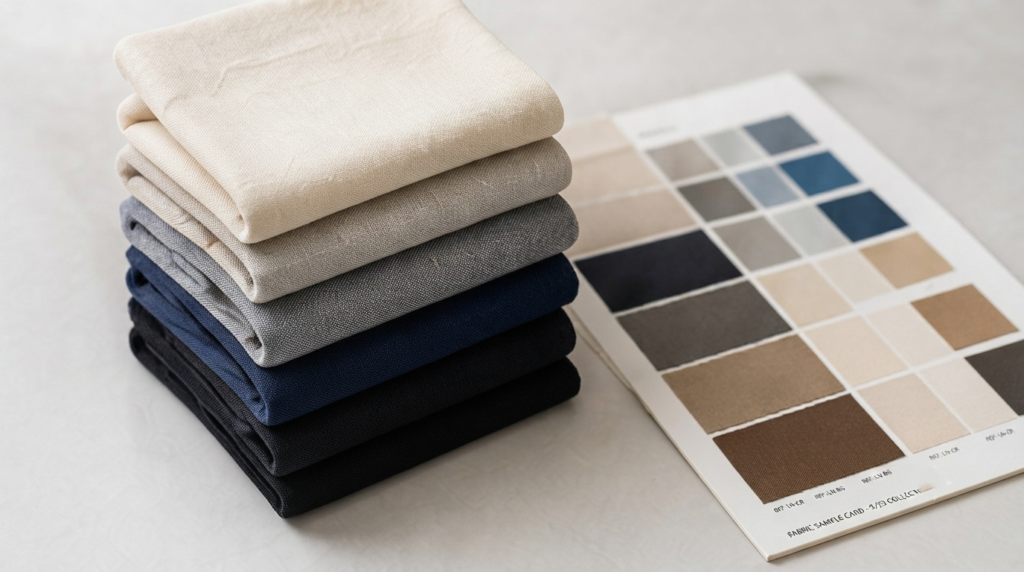
Neutral colors are easy to pair with each other, making it simple to create professional outfits without owning a large wardrobe. They also give your appearance a clean and polished look suitable for almost any workplace.
Build your wardrobe around timeless shades and add personality through accessories rather than bold clothing. This keeps your style professional while allowing flexibility.
Popular neutral colors include:
- Black
- Navy
- Gray
- White
- Beige
Pro Tip: Choose one primary color, such as navy or black, and build the rest of your wardrobe around it for effortless outfit combinations.
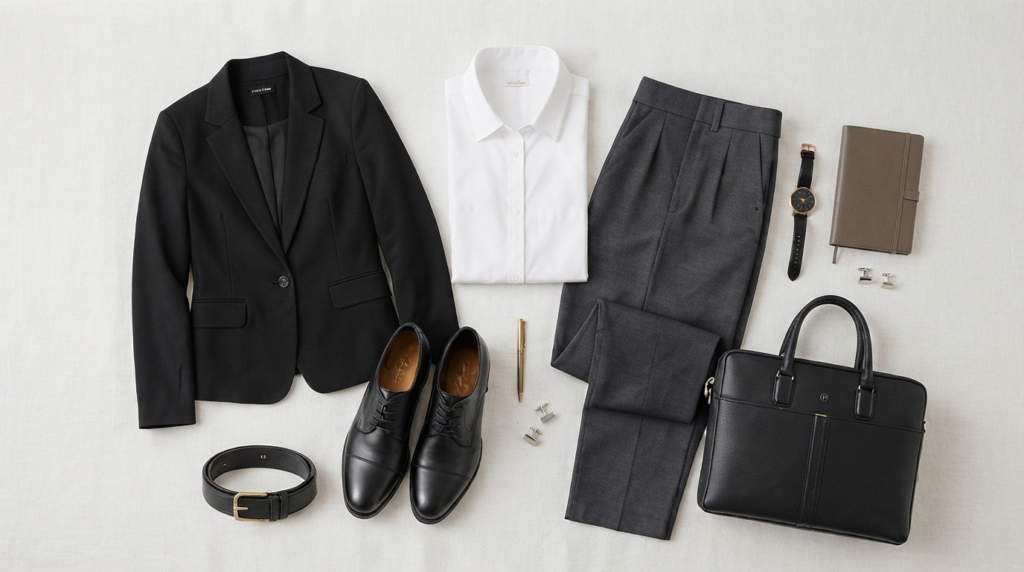
Invest in Wardrobe Essentials
When shopping on a budget, focus on pieces you’ll wear regularly instead of buying lots of inexpensive items that wear out quickly. Quality basics often last longer and save money over time.
Think of your wardrobe as an investment. A durable blazer, comfortable shoes, and well-made shirts can be styled in many different ways, giving you better value from each purchase.
Prioritize these essentials:
- Tailored blazer
- Dress shoes
- Classic shirts
- Neutral trousers
- Professional handbag or briefcase
Pro Tip: Spend a little more on shoes and blazers since they’re the items people notice most.
Shop Smart and Save Money
Looking professional doesn’t mean paying full price. Many stylish work clothes can be found during seasonal sales, at outlet stores, or even in quality thrift shops.
Planning your purchases also helps avoid unnecessary spending. Make a shopping list, compare prices, and wait for discounts whenever possible. Small savings on each purchase can add up over time.
Smart ways to save money:
- Shop seasonal sales
- Visit outlet stores
- Buy quality second-hand clothing
- Use coupons or cashback offers
- Compare prices online
Pro Tip: Avoid impulse purchases. If an item doesn’t match at least three outfits you already own, it’s probably not worth buying.

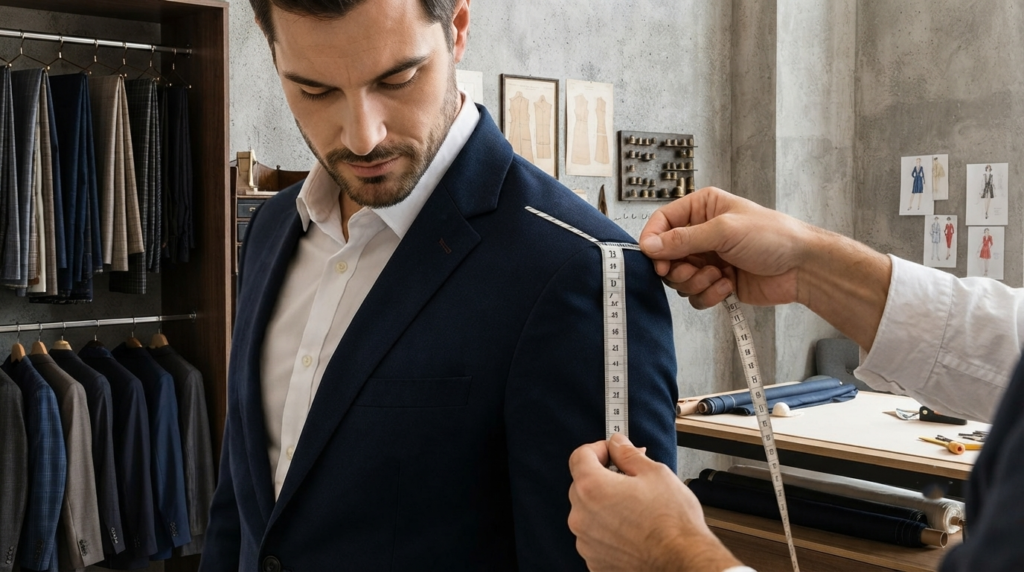
Don’t Ignore Proper Fit
Even affordable clothing can look expensive when it fits properly. A shirt that’s too loose or trousers that are too long can make an otherwise professional outfit appear untidy.
If needed, spend a small amount on basic tailoring. Simple adjustments like shortening sleeves or hemming pants can make budget-friendly clothes look custom-made.
Quick fit checks:
- Shoulders sit naturally
- Sleeves end at the wrist
- Pants aren’t too long or too tight
- Blazer buttons comfortably
Pro Tip: A $30 outfit with a great fit often looks better than a $300 outfit that doesn’t fit well.
Use Accessories Wisely
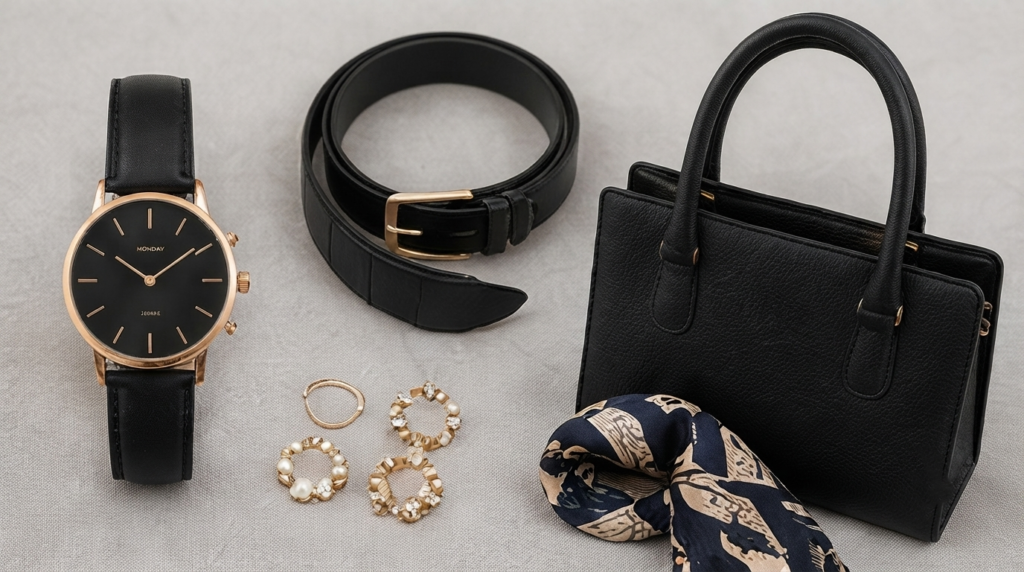
Accessories can elevate a simple outfit without adding much to your budget. The key is to keep them minimal and professional rather than overly flashy.
Choose classic accessories that match most of your wardrobe. This gives your outfits a polished finish while helping you avoid unnecessary purchases.
Good professional accessories include:
- Leather belt
- Simple wristwatch
- Neutral handbag or briefcase
- Classic tie or scarf
- Small, elegant jewelry
Pro Tip: Stick to one or two accessories per outfit for a clean and professional look.
Care for Your Clothes
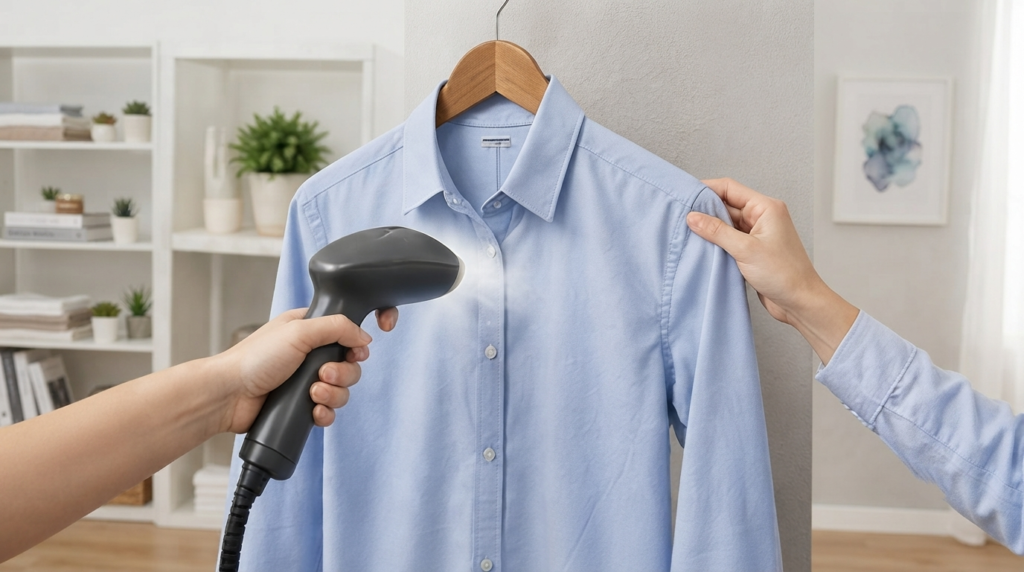
Taking care of your clothes helps them last longer and keeps them looking new. Proper maintenance also saves money because you won’t need to replace items as often.
Always follow the care instructions on clothing labels. Iron or steam your clothes before wearing them, and store them neatly to prevent wrinkles and damage.
Simple care habits:
- Wash clothes correctly
- Hang blazers after use
- Polish dress shoes regularly
- Store clothing properly
- Repair small tears quickly
Pro Tip: A well-maintained wardrobe always looks more expensive than it actually is.
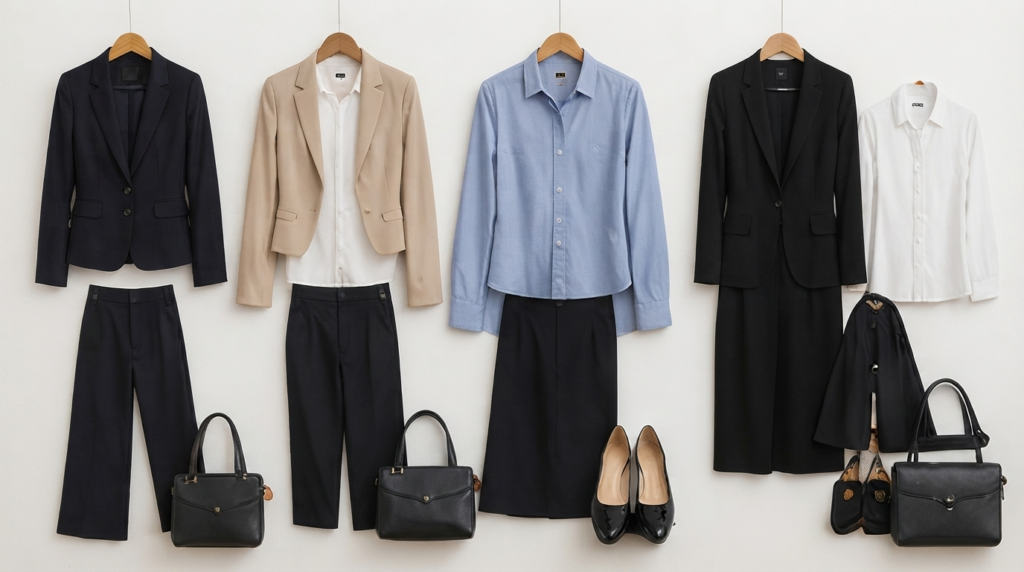
Mix and Match Outfits
You don’t need dozens of outfits to look professional every day. By combining the same clothing pieces in different ways, you can create fresh looks throughout the week.
A blazer, two shirts, and two pairs of trousers can produce several outfit combinations. This approach saves money while making your wardrobe feel much larger.
Easy outfit combinations:
- Blazer + White Shirt + Navy Trousers
- Cardigan + Blue Shirt + Black Pants
- White Shirt + Gray Trousers
- Blazer + Dress + Neutral Shoes
Pro Tip: Before buying a new item, make sure it matches at least three pieces you already own.
Dress for Your Workplace
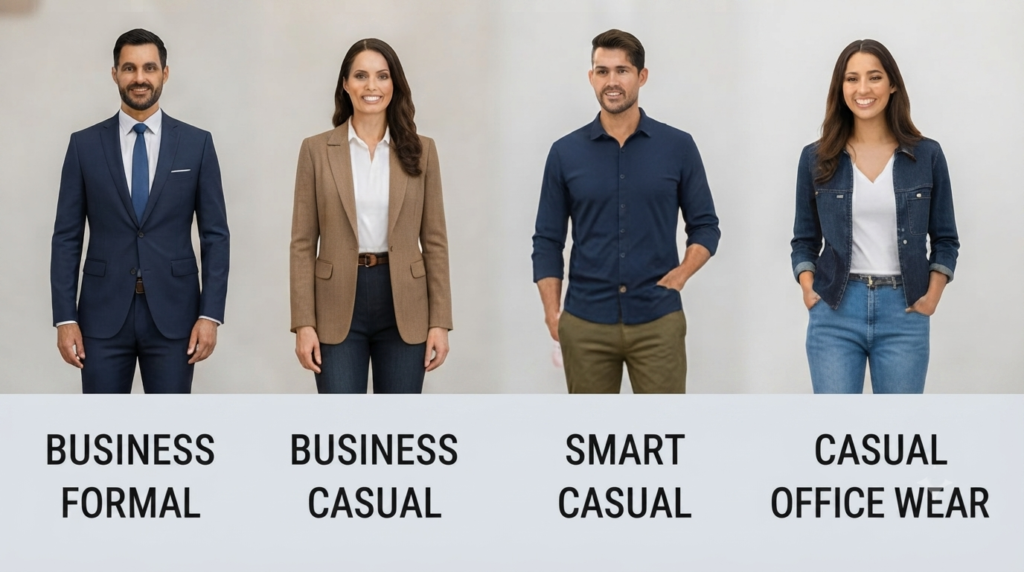
Every workplace has its own dress code, so it’s important to understand what’s expected. A corporate office usually requires formal business attire, while creative workplaces may allow business casual clothing.
Observing what colleagues wear can help you choose outfits that fit the company culture. Dressing appropriately shows professionalism and respect for your workplace.
Common dress codes:
- Business Formal
- Business Casual
- Smart Casual
- Casual Office Wear
Pro Tip: When you’re unsure, it’s always better to be slightly overdressed than underdressed.
Confidence Completes the Look
The best outfit won’t make much impact if you don’t wear it with confidence. Good posture, a genuine smile, and positive body language can improve your professional appearance just as much as your clothing.
When you feel comfortable in your outfit, it becomes easier to communicate confidently and make a positive impression on others.
Remember to:
- Stand confidently
- Maintain good posture
- Keep your clothes clean
- Wear polished shoes
- Smile naturally
Pro Tip: Confidence is the finishing touch that makes any professional outfit stand out.

Conclusion
Learning how to dress professionally on a budget is about making smart choices, not spending more money. By building a capsule wardrobe, choosing timeless pieces, shopping wisely, and taking good care of your clothes, you can create a polished and professional look without exceeding your budget.
At Read Hub, we believe that style is built on confidence, planning, and quality—not expensive brands. Follow these practical tips, and you’ll be able to look professional while saving money for what matters most.
If you have any questions or concerns regarding this topic, feel free to contact us through our Contact Us page or reach out via the WhatsApp button available on Read Hub. We’re always happy to help!
FAQ
How can I dress professionally without spending a lot of money?
Start with timeless wardrobe essentials, shop during sales, and choose versatile clothing that can be mixed and matched. Buying fewer high-quality items often provides better value than purchasing many inexpensive pieces.
What colors look the most professional?
Neutral shades such as black, navy, gray, white, and beige are the most professional. They pair easily with other clothing items and create a clean, polished appearance suitable for most workplaces.
Is thrift shopping good for professional clothing?
Yes. Many thrift stores and second-hand shops offer high-quality professional clothing from well-known brands at affordable prices. Always check the condition and fit before making a purchase.
What should every professional wardrobe include?
A basic professional wardrobe should include a blazer, dress shirts, neutral trousers, comfortable dress shoes, and a few simple accessories. These essentials can be combined to create multiple work-ready outfits.
Does clothing really affect career success?
While skills and experience are the most important factors, dressing professionally can improve first impressions, boost self-confidence, and help you appear more prepared and trustworthy in the workplace.