

Choosing the right food for your dog is about more than picking a bag with attractive packaging. The best foods for dogs provide balanced nutrition, appropriate calories, and the nutrients needed to support healthy muscles, digestion, skin, and overall well-being. Veterinarians generally recommend diets that are complete and balanced for a dog’s age, size, activity level, and specific health needs.
Whether you have a playful puppy, an active adult dog, or a senior companion, understanding what belongs in a healthy canine diet can make everyday feeding decisions much easier.
What Makes a Dog Food Healthy?
A healthy dog diet should provide the right balance of protein, fats, carbohydrates, vitamins, minerals, and water. Dogs have different nutritional requirements depending on their life stage and individual circumstances, so one food isn’t automatically ideal for every dog.
Veterinarians commonly emphasize complete and balanced dog food rather than relying heavily on homemade meals or table scraps. If you are considering a homemade diet, it is best to discuss it with your veterinarian or a veterinary nutrition professional to make sure important nutrients aren’t missing.
The goal isn’t simply to find the food with the longest ingredient list. Instead, look for nutrition that meets your dog’s needs consistently.
Best Foods for Dogs Recommended by Veterinarians
1. High-Quality Protein Sources
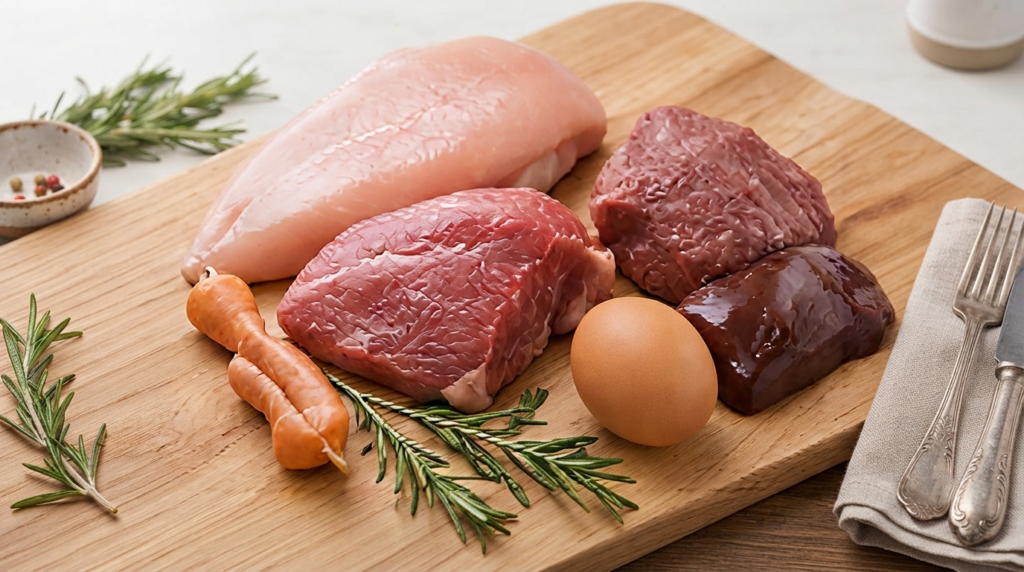
Protein is essential for maintaining muscles, repairing tissues, and supporting normal body functions. Good sources commonly found in dog foods include chicken, turkey, beef, fish, lamb, and eggs.
Fish can also provide beneficial omega-3 fatty acids. However, portions and preparation matter. Plain, properly cooked meat is very different from heavily seasoned leftovers containing salt, garlic, onions, or sauces.
For everyday feeding, choose a complete dog food that provides an appropriate amount of quality protein rather than simply adding large quantities of meat to your dog’s bowl.
2. Healthy Carbohydrates and Grains
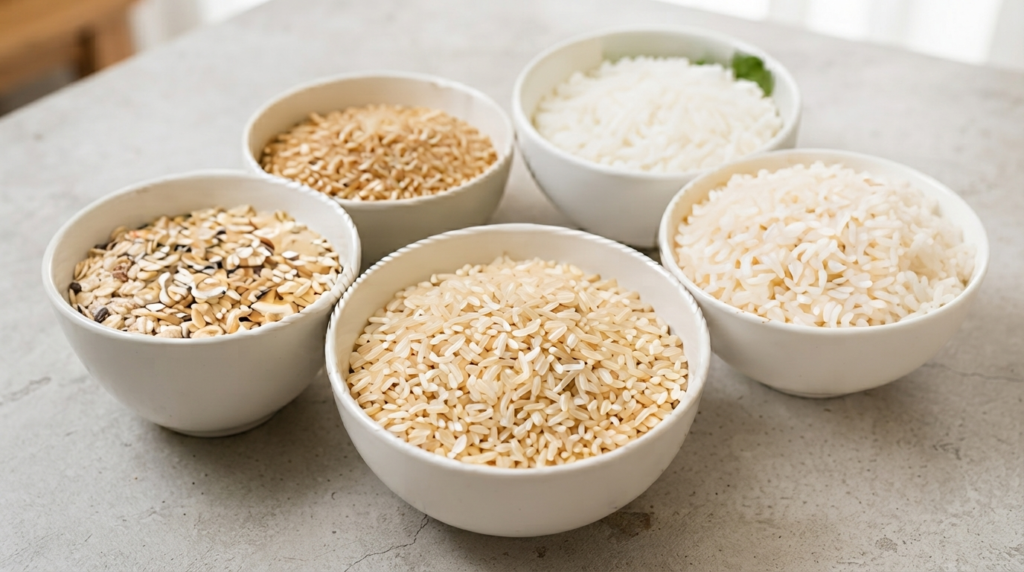
Despite some popular diet trends, grains are not automatically bad for dogs. Many dogs can safely digest ingredients such as brown rice, oats, barley, and other properly prepared grains.
Carbohydrates can provide energy and contribute useful nutrients and fiber. Some dogs may need specific diets because of allergies, digestive problems, or other medical conditions, but grain-free food isn’t automatically healthier for every dog.
If your dog does well on a food containing grains and your veterinarian has no concerns, there is generally no reason to remove them simply because a marketing label says “grain-free.”
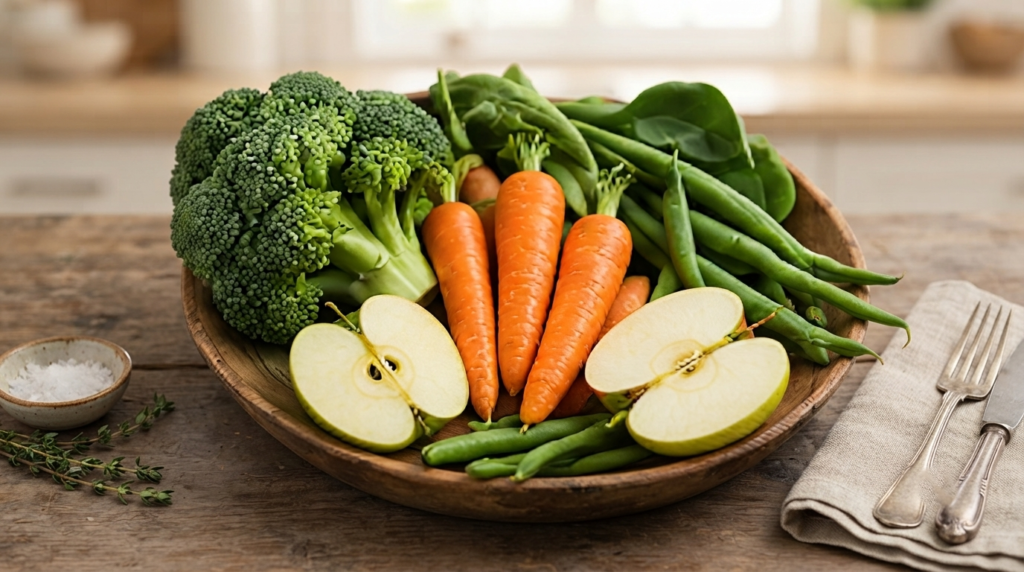
3. Dog-Safe Vegetables and Fruits
Certain fruits and vegetables can make nutritious occasional treats. Carrots, green beans, pumpkin, cucumber, and small amounts of apple without seeds are examples of foods many dogs can enjoy safely.
Pumpkin is particularly popular because its fiber content can support normal digestion. Still, treats and extras should remain a small part of your dog’s overall diet.
Introduce new foods gradually and watch for vomiting, diarrhea, itching, or other unusual reactions. If your dog develops persistent symptoms, stop the new food and speak with your veterinarian.
4. Healthy Fats and Omega-3s
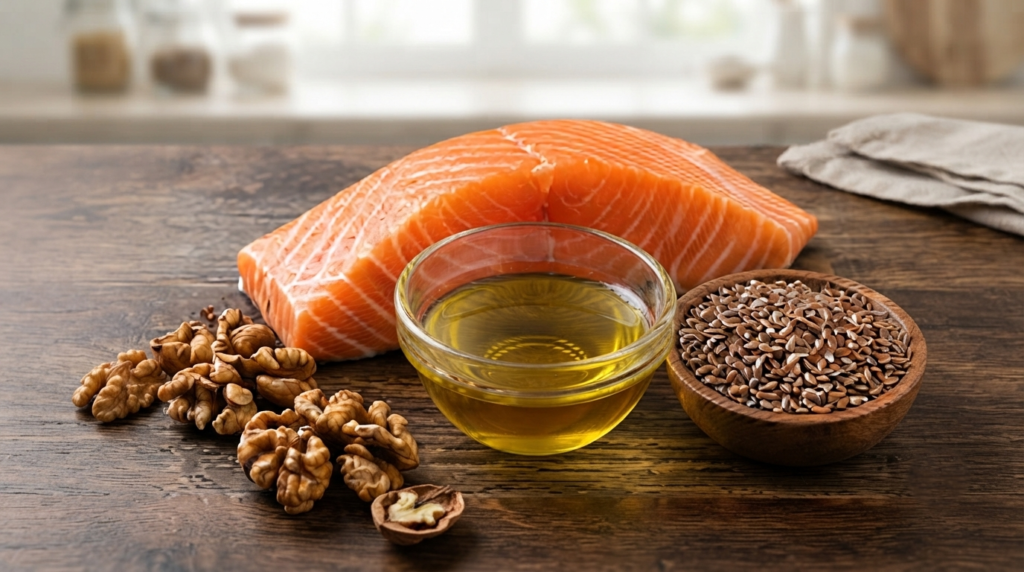
Healthy fats are important for energy, skin, coat condition, and normal body functions. Fish-based ingredients can be especially useful because they naturally provide omega-3 fatty acids.
However, more fat isn’t always better. Excess calories can contribute to unwanted weight gain, which may place additional stress on a dog’s joints and overall health.
Rather than adding oils or supplements on your own, ask your veterinarian whether your dog actually needs them. A good commercial diet may already provide the necessary fatty acids.
5. Complete and Balanced Commercial Dog Food
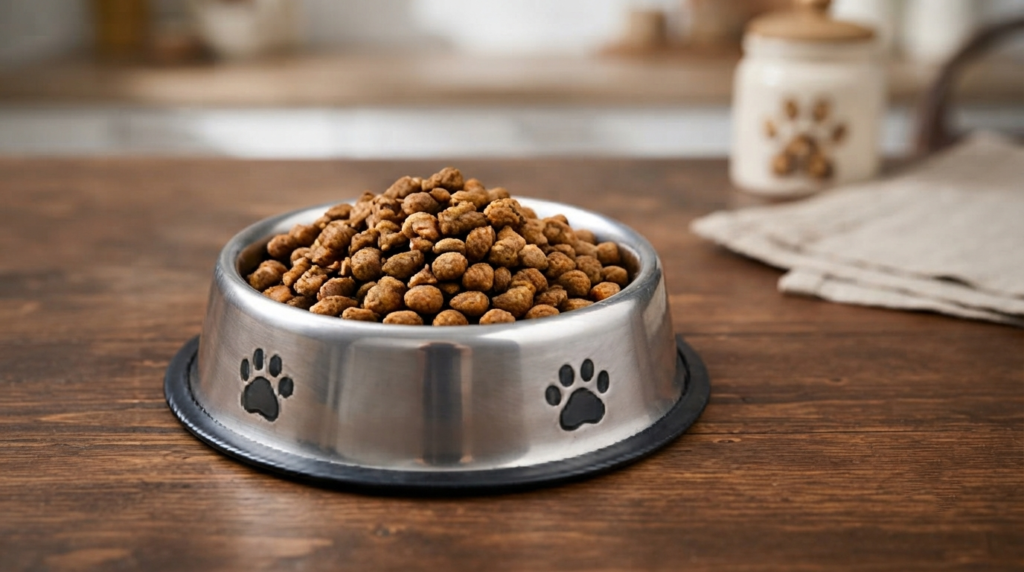
For most dog owners, a reputable complete and balanced dog food is one of the simplest ways to provide consistent nutrition. These diets are formulated to supply essential nutrients in appropriate proportions.
When shopping, consider your dog’s age, size, activity level, and any specific nutritional needs. Puppy food, adult maintenance food, and senior formulas can have different nutritional profiles.
Don’t choose a product solely because it claims to be “premium,” “natural,” or “holistic.” Read the nutritional information and look for a food appropriate for your dog’s life stage.
Foods Dogs Should Avoid
Knowing what not to feed your dog is just as important as knowing what belongs in a healthy diet.
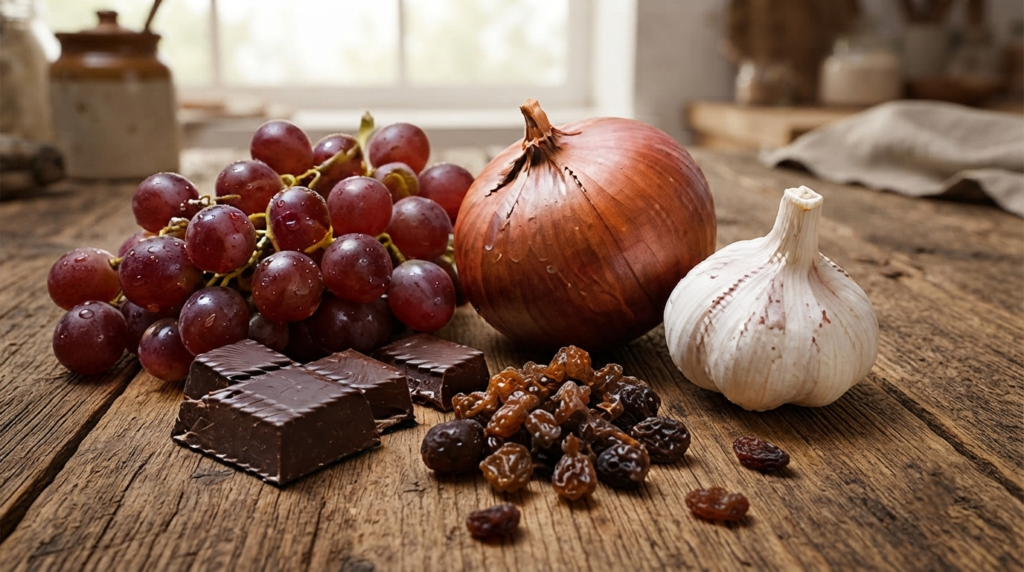
Some foods can be dangerous or toxic to dogs, including:
- Chocolate
- Grapes and raisins
- Onions and garlic
- Xylitol
- Alcohol
- Macadamia nuts
- Caffeinated drinks
- Raw yeast dough
- Foods containing excessive salt or seasoning
- Cooked bones that can splinter
Keep potentially harmful foods away from your dog’s reach. If your dog accidentally eats something potentially toxic, contact a veterinarian or appropriate animal poison service promptly rather than waiting for symptoms to appear.
How to Choose the Right Food for Your Dog
Start with your dog’s individual needs rather than following the latest social media trend.
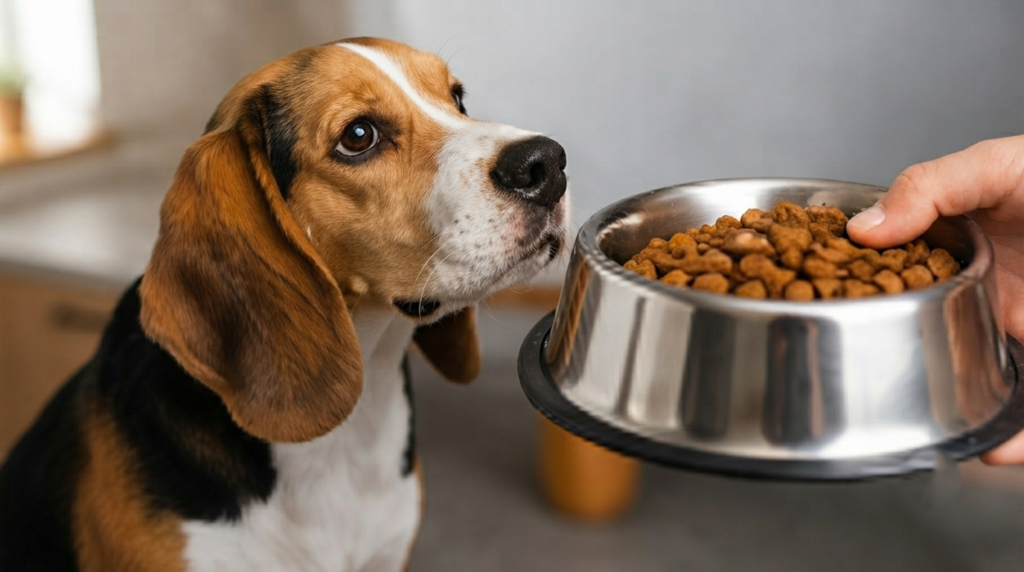
A healthy adult dog with a normal activity level may do well on a standard complete-and-balanced adult diet. Puppies generally need nutrition designed for growth, while highly active dogs may have different calorie requirements.
Weight also matters. If your dog is gaining weight despite normal portions, the food may be too calorie-dense, treats may be adding extra calories, or portion sizes may need adjustment.
For dogs with allergies, kidney problems, digestive disorders, diabetes, or other medical concerns, nutritional choices should be discussed with a veterinarian. Therapeutic diets are designed for specific situations and should not be selected casually.
A Simple Feeding Checklist
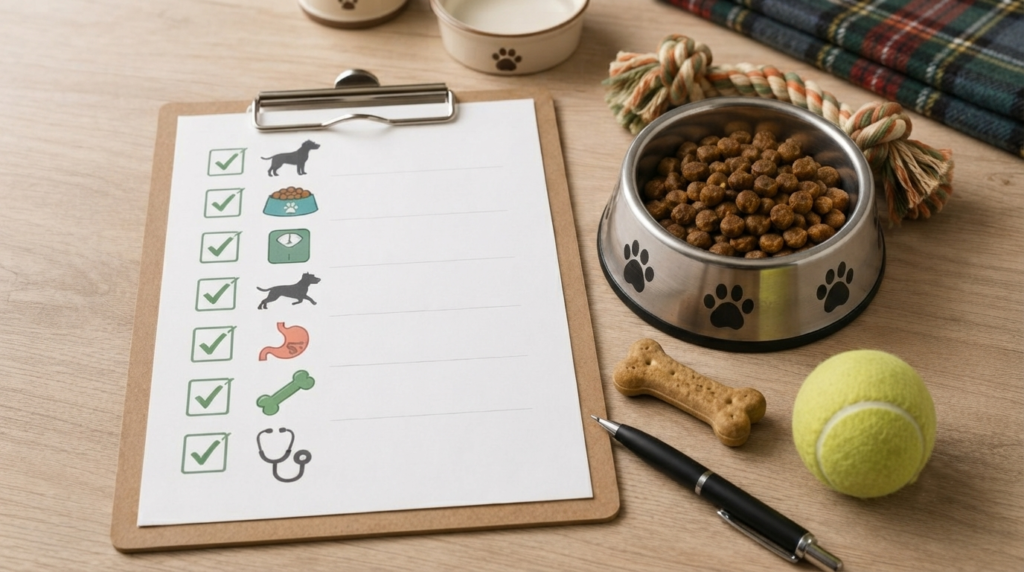
Before buying a dog food, ask yourself:
- Is it appropriate for my dog’s life stage?
- Does it provide complete and balanced nutrition?
- Is the calorie content suitable for my dog’s activity level?
- Does my dog tolerate the ingredients well?
- Are treats making up too much of the daily calories?
- Does my veterinarian recommend any special dietary considerations?
These simple questions can help you make a much better decision than choosing food based only on advertising.
Treats Matter Too
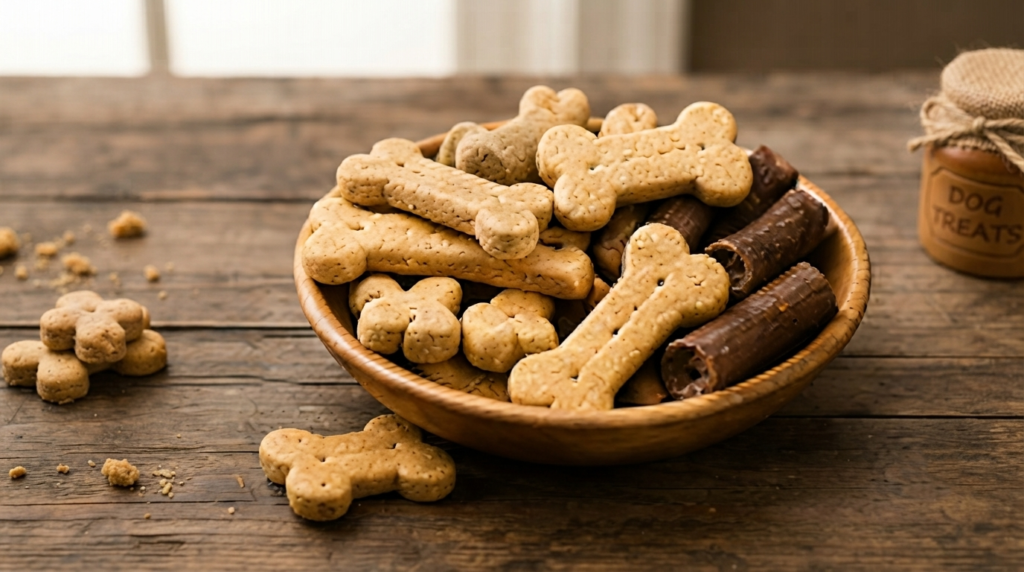
Even the healthiest treats can become a problem when given in large quantities. Treats should complement your dog’s regular diet rather than replace it.
Small portions of appropriate fruits, vegetables, or commercially prepared dog treats can work well. If your dog is overweight, has diabetes, or follows a prescription diet, ask your veterinarian which treats are appropriate.
And remember: a treat doesn’t have to be large to be rewarding. Dogs often care more about the experience and attention than the size of the snack.
Homemade Dog Food: Is It a Good Idea?
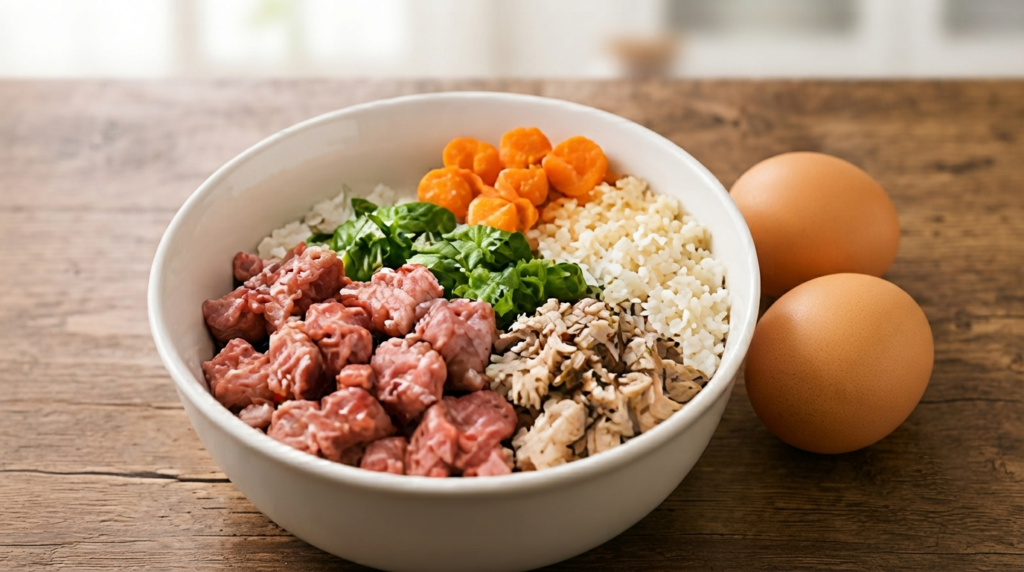
Homemade food can sound healthier because you know exactly what goes into the bowl. However, creating a nutritionally complete homemade diet is more complicated than combining meat, rice, and vegetables.
Dogs require specific amounts of calcium, phosphorus, vitamins, minerals, essential fatty acids, and other nutrients. A homemade recipe that looks healthy may still be nutritionally incomplete.
If you want to prepare your dog’s meals at home, work with your veterinarian or a qualified veterinary nutritionist to create an appropriate recipe. Avoid making major dietary changes based on random recipes found online.
Conclusion
The best foods for dogs are not necessarily the most expensive or trendiest options. What matters most is providing complete, balanced nutrition that matches your dog’s age, size, activity level, and individual health needs.
High-quality protein, appropriate carbohydrates, healthy fats, and carefully selected treats can all play a role in a healthy diet. At the same time, potentially toxic foods and excessive treats should be kept away from your dog’s bowl.
When you’re unsure about a major dietary change, your veterinarian is the best person to guide you. At Read Hub, we believe practical pet-care information should help you make safer, more informed decisions for the animals you love.
If you have any questions or concerns regarding this topic, feel free to contact us through our Contact Us page or reach out via the WhatsApp button available on Read Hub. We’re always happy to help!
FAQ
What is the healthiest food for dogs?
There isn’t one food that is healthiest for every dog. Veterinarians generally recommend a complete and balanced diet that meets the nutritional requirements of the dog’s specific life stage and individual needs.
Is chicken good for dogs?
Plain, properly cooked chicken can be a good source of protein for many dogs. It should be unseasoned and free from cooked bones, onions, garlic, and rich sauces. It should also be used appropriately within the dog’s overall balanced diet.
Can dogs eat vegetables every day?
Some dog-safe vegetables can be offered regularly in small portions. Carrots, green beans, cucumber, and plain pumpkin are common options. However, vegetables should not replace a complete and balanced dog food.
Are eggs safe for dogs?
Plain, fully cooked eggs can provide protein and other nutrients and are generally safe for many dogs in moderation. Avoid serving eggs with butter, salt, spices, onions, or other ingredients that may be harmful.
Should dogs eat grain-free food?
Not necessarily. Grain-free food is not automatically healthier for dogs. Many dogs can digest grains such as rice and oats without problems. If your dog has a specific medical or dietary requirement, discuss the appropriate food with your veterinarian.
How often should I change my dog’s food?
You usually don’t need to change a dog’s food simply for variety if the current diet is working well. When a change is necessary, transition gradually over several days to help reduce the chance of digestive upset.
What human foods are dangerous for dogs?
Chocolate, grapes, raisins, onions, garlic, xylitol, alcohol, macadamia nuts, and caffeine can be dangerous for dogs. Keep these foods away from pets and seek professional advice immediately if accidental ingestion occurs.