

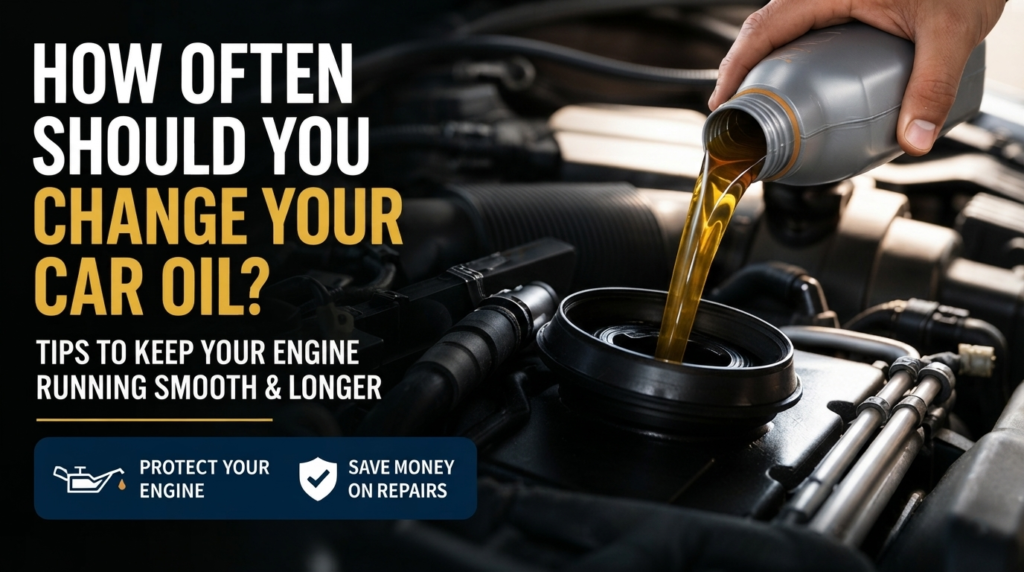
Regular oil changes are one of the easiest ways to protect your engine and keep your car running smoothly. But how often should you change your car oil? The answer isn’t always the old-fashioned “every 3,000 miles.” Modern engines and improved synthetic oils can often go much longer between changes. Your vehicle’s manufacturer recommendations, oil type, driving conditions, and driving habits all matter. Following the right schedule can help reduce engine wear, maintain fuel efficiency, and prevent expensive repairs later.
Follow Your Manufacturer’s Recommendation
Your owner’s manual should be the first place you check for an oil-change interval. Many newer vehicles recommend changing the oil somewhere around 5,000 to 10,000 miles, although the exact interval varies by vehicle and oil specification.
Some cars also use an oil-life monitoring system that calculates when an oil change is needed based on driving conditions.

Understand Your Oil Type
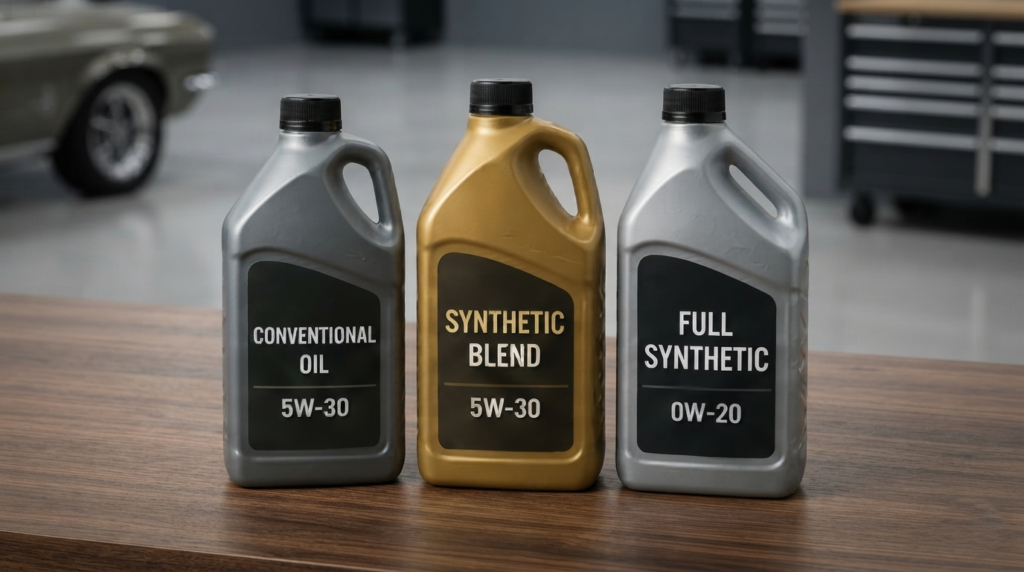
The type of oil used in your engine can affect how frequently it needs to be replaced. Conventional, synthetic-blend, and full-synthetic oils have different characteristics and may have different recommended service intervals.
Always use the oil grade and specification recommended by your vehicle manufacturer. Using the wrong oil simply because it is cheaper can cause problems over time.
Consider Your Driving Habits
Not all miles are equally demanding on an engine. Frequent short trips, heavy traffic, towing, dusty roads, extreme temperatures, and extended idling can place additional stress on engine oil.
If you regularly drive under severe conditions, your manufacturer may recommend more frequent oil changes. Check your owner’s manual to see whether your driving qualifies as “severe service.”

Watch Your Mileage and Time
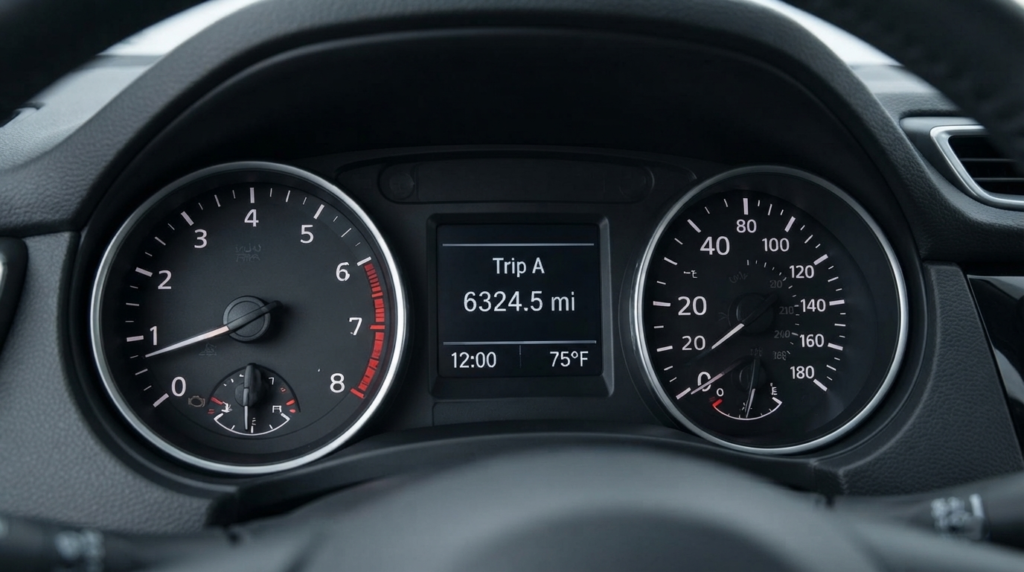
Mileage isn’t the only factor. Even if you don’t drive much, engine oil can deteriorate over time. That’s why manufacturers usually provide both a mileage interval and a time-based recommendation.
For example, if your car has barely been driven since its last oil change, you should still follow the maximum time interval specified in the owner’s manual.
Know the Warning Signs
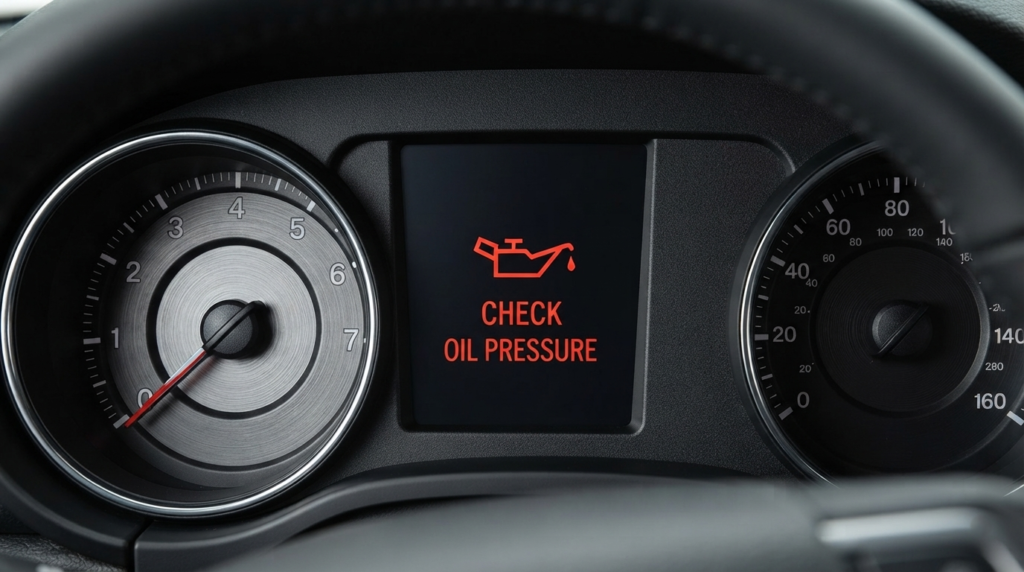
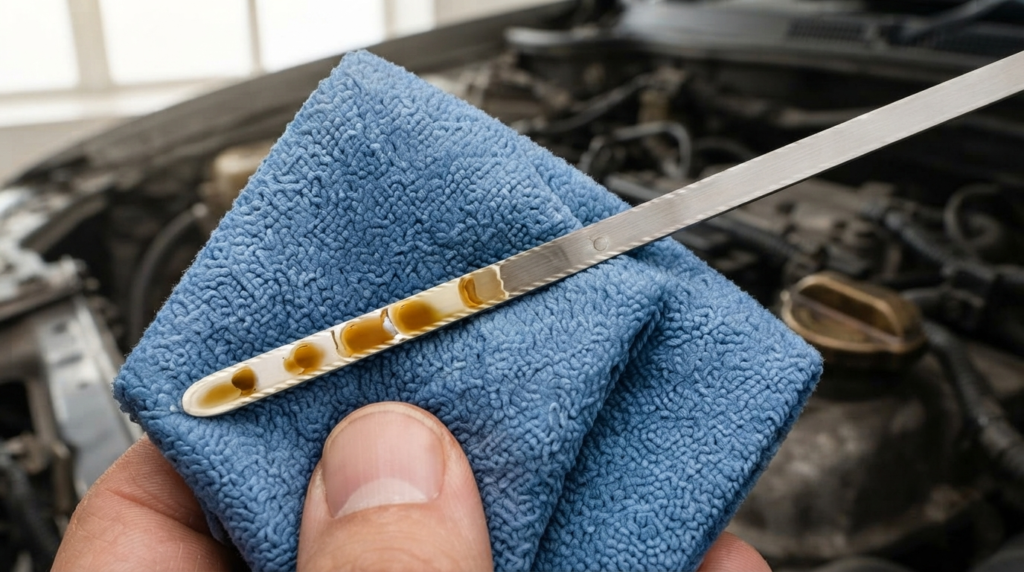
Your car may give you clues that something needs attention. Dark or dirty-looking oil alone doesn’t necessarily mean it must be changed immediately, but low oil levels, unusual engine noise, an oil-pressure warning light, or visible leaks should not be ignored.
An oil-pressure warning can indicate a serious problem. If it appears while driving, safely stop the vehicle and have the issue checked.
Don’t Ignore Oil Levels
Changing oil on schedule isn’t enough if the engine is running low between services. Check your oil level periodically, especially before long trips or if your vehicle has higher mileage.
Some engines naturally consume a small amount of oil between changes. If you frequently need to add oil, have the vehicle inspected for leaks or excessive consumption.
Choose the Right Replacement Oil
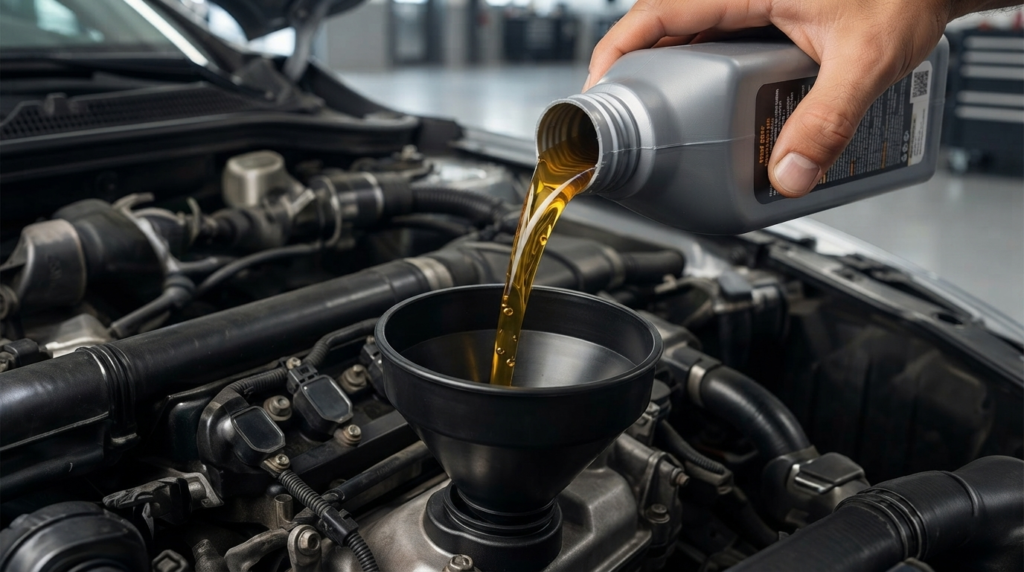
When getting an oil change, make sure the shop uses the correct oil specification and replaces the oil filter when recommended. A quality filter helps remove contaminants from the oil as it circulates through the engine.
Keep your service records as well. They can help you remember future maintenance and may also be useful when selling the vehicle.
Conclusion
So, how often should you change your car oil? For the most accurate answer, follow your vehicle manufacturer’s recommended mileage and time interval while considering your driving conditions. Modern vehicles may go much longer between oil changes than older cars, but skipping scheduled maintenance is never a good idea.
Checking your oil level, using the correct oil, and keeping regular service records can help your engine stay healthier for longer. For more practical car and maintenance advice, keep exploring Read Hub.
If you have any questions or concerns regarding this topic, feel free to contact us through our Contact Us page or reach out via the WhatsApp button available on Read Hub. We’re always happy to help!
FAQ
How many miles should you drive before changing your oil?
The recommended interval varies by vehicle, oil type, and driving conditions. Many modern cars have intervals around 5,000–10,000 miles, but your owner’s manual should always be the primary reference.
Is it okay to change oil once a year?
It depends on the manufacturer’s recommended time interval and how you use the vehicle. Some cars require an oil change at least once a year even when mileage is low.
Does synthetic oil last longer?
Full-synthetic oil can often support longer service intervals than conventional oil, but you should still follow the vehicle manufacturer’s recommended schedule rather than choosing an interval based only on the oil type.
Should I change my oil if I don’t drive much?
Yes, if the recommended time interval has passed. Oil can deteriorate over time even when the vehicle isn’t driven very frequently.
What happens if I don’t change my car oil?
Old or degraded oil may provide less effective lubrication and can contribute to increased engine wear. Ignoring oil maintenance for extended periods can eventually lead to serious and expensive engine damage.