

Your car can be perfectly reliable and still leave you wishing you had a few useful extras when something unexpected happens. From a dead battery to a flat tire, poor visibility, or simply a long drive, the right car accessories can make driving safer, easier, and much more comfortable. The good news is that you don’t need to fill your trunk with unnecessary gadgets. A carefully chosen set of practical accessories can cover most everyday situations. In this Read Hub guide, we’ll look at 15 useful car accessories every driver should consider keeping in their vehicle.

1. Portable Tire Inflator
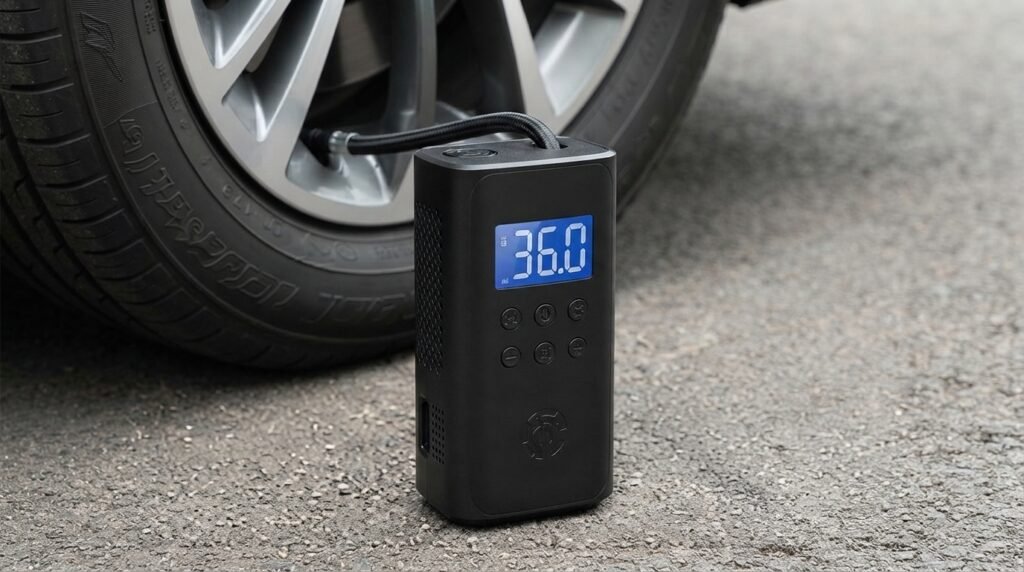
A portable tire inflator is one of the most useful car accessories you can keep in your trunk. Low tire pressure can affect handling, fuel economy, and tire wear, while finding an air pump isn’t always convenient.
A compact inflator lets you add air whenever necessary. Look for a model with an easy-to-read pressure display and an automatic shut-off feature so you can inflate the tire to the desired pressure without constantly checking it.
Practical tip: Check your tire pressure when the tires are cold and follow the recommended pressure listed by your vehicle manufacturer.
2. Tire Pressure Gauge
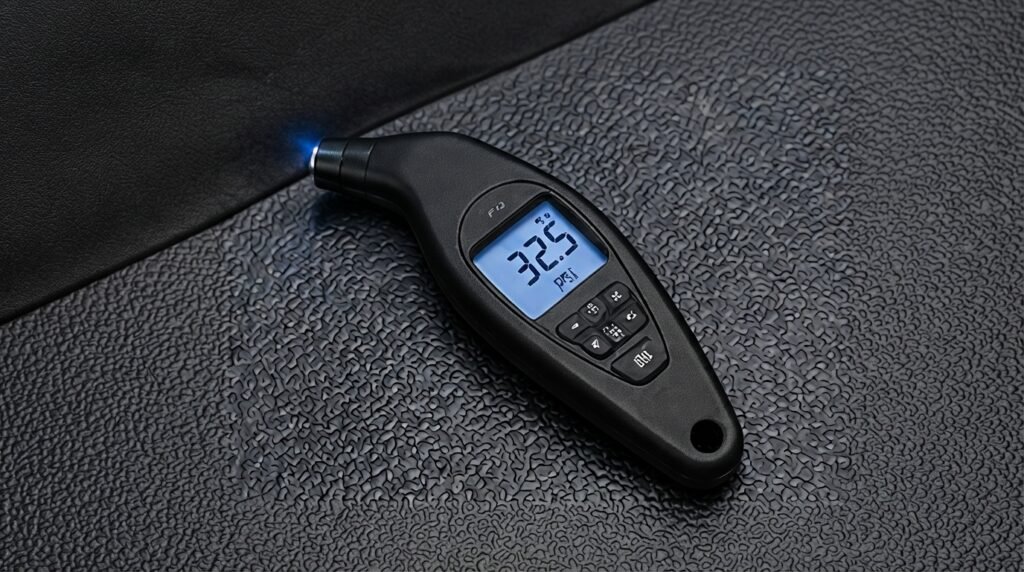
Even if your car has a built-in tire-pressure monitoring system, a simple tire pressure gauge is still handy. It gives you a quick way to manually check your tires and confirm whether they actually need more air.
A digital gauge is especially convenient because the numbers are easy to read. Keep it in the glove compartment or emergency kit so it’s always available.
3. Jumper Cables
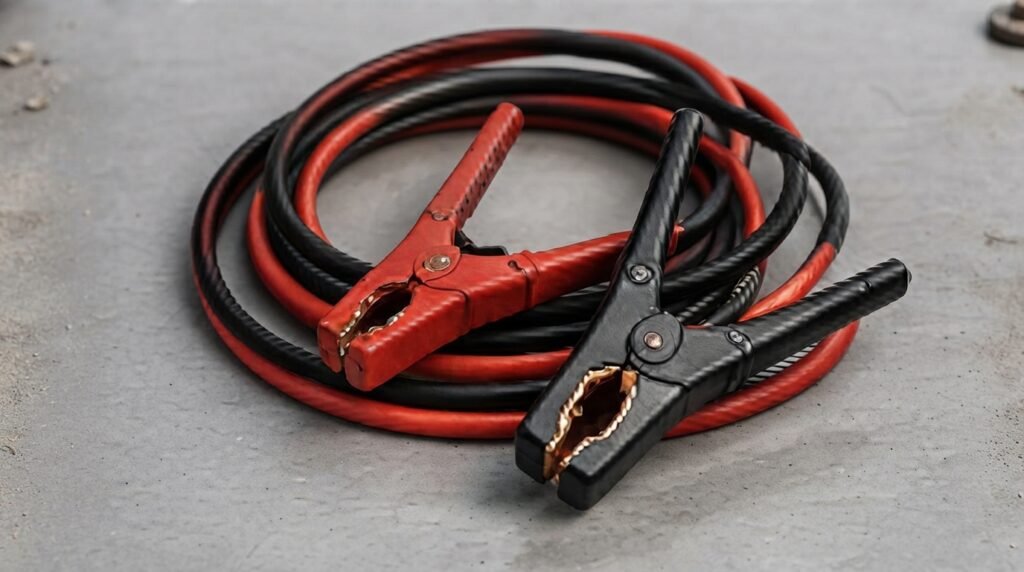
A weak or dead battery can happen without much warning, particularly during extreme temperatures. Jumper cables allow you to restart a vehicle using another compatible vehicle with a working battery.
Choose heavy-duty cables with good-quality clamps and enough length to make connecting the vehicles easy.
Important: Always follow your vehicle manufacturer’s instructions when connecting jumper cables. Incorrect connections can damage electrical components.
4. Emergency Car Kit
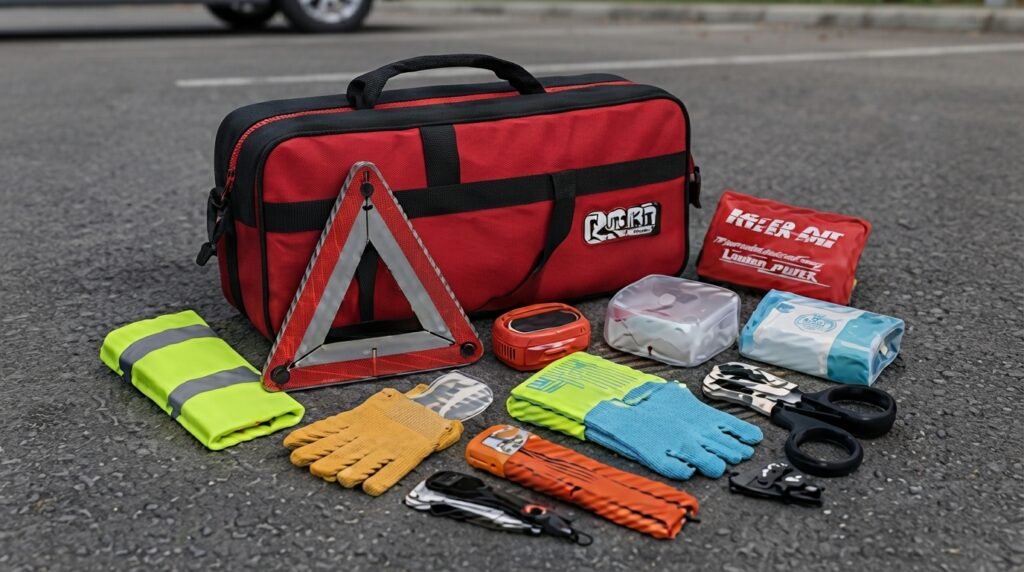
An emergency car kit brings several useful supplies together in one place. Instead of searching through your trunk when you’re already dealing with a problem, you can grab one prepared kit.
Depending on your needs, it can include gloves, basic tools, a reflective vest, duct tape, emergency blankets, basic food, water, and other supplies.
It’s particularly valuable for long-distance trips and driving in areas where help may take time to arrive.
5. First-Aid Kit
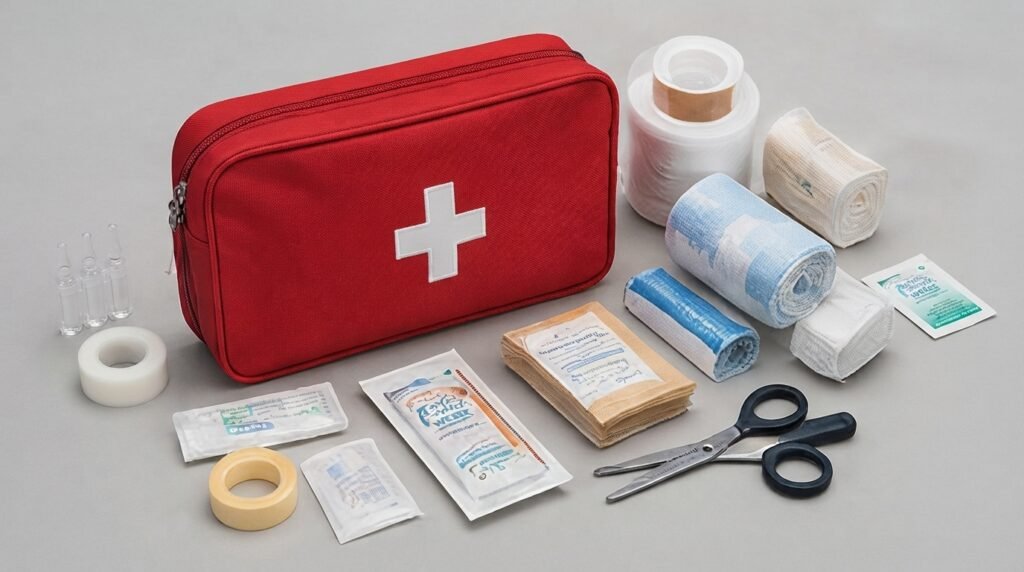
Minor cuts, scrapes, burns, or other small injuries can happen anywhere, including inside or around your vehicle. A compact first-aid kit provides basic supplies when you need them.
Choose a kit containing items such as adhesive bandages, sterile gauze, antiseptic wipes, medical tape, and disposable gloves.
Check the contents occasionally and replace anything that has expired or been used.
6. Phone Mount
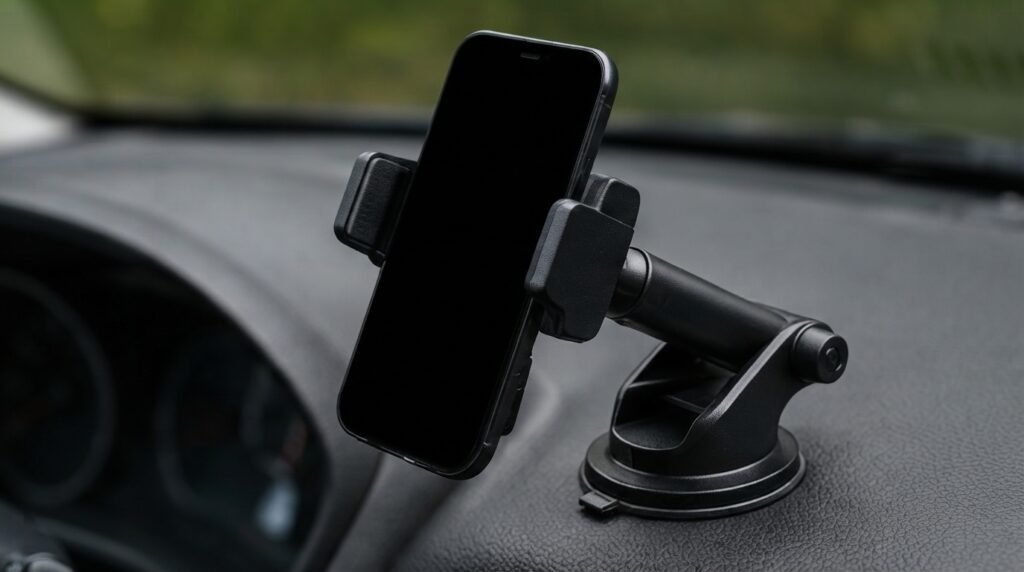
A secure phone mount makes navigation much easier while keeping your hands on the steering wheel. Instead of holding your phone or placing it somewhere that blocks your view, you can position it where the screen is visible without distracting you.
A strong dashboard, windshield, or vent-mounted holder can work well depending on your vehicle.
Safety tip: Set your navigation before driving and avoid interacting with your phone while the vehicle is moving.
7. USB Car Charger
A smartphone is useful for navigation, communication, emergency calls, and roadside assistance, so keeping it charged matters.
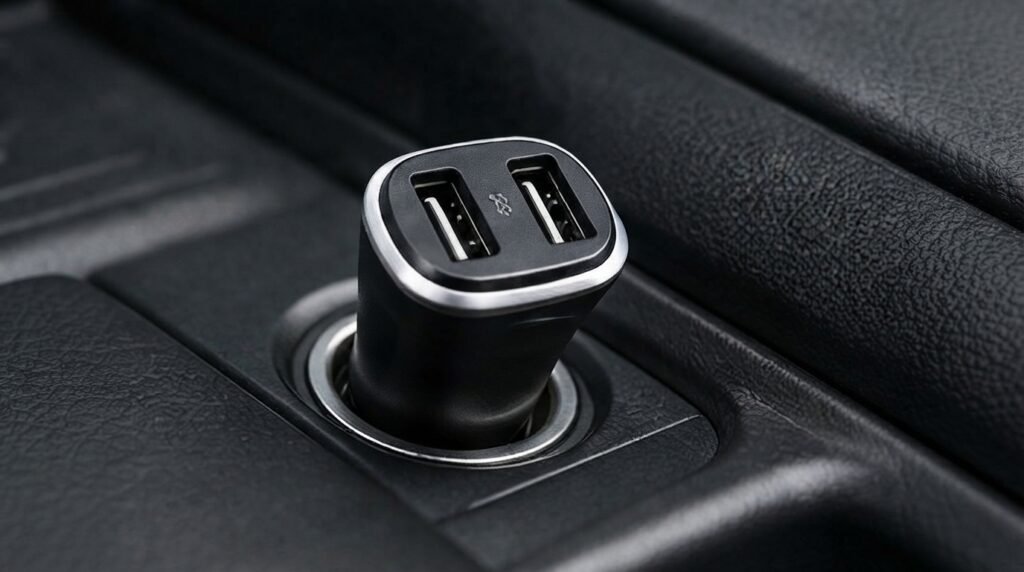
A reliable USB car charger can prevent the familiar low-battery warning during a long trip. If several people regularly travel in your car, consider a charger with multiple ports.
Choose a reputable charger that matches your device’s charging requirements rather than buying the cheapest option available.
8. Dash Cam
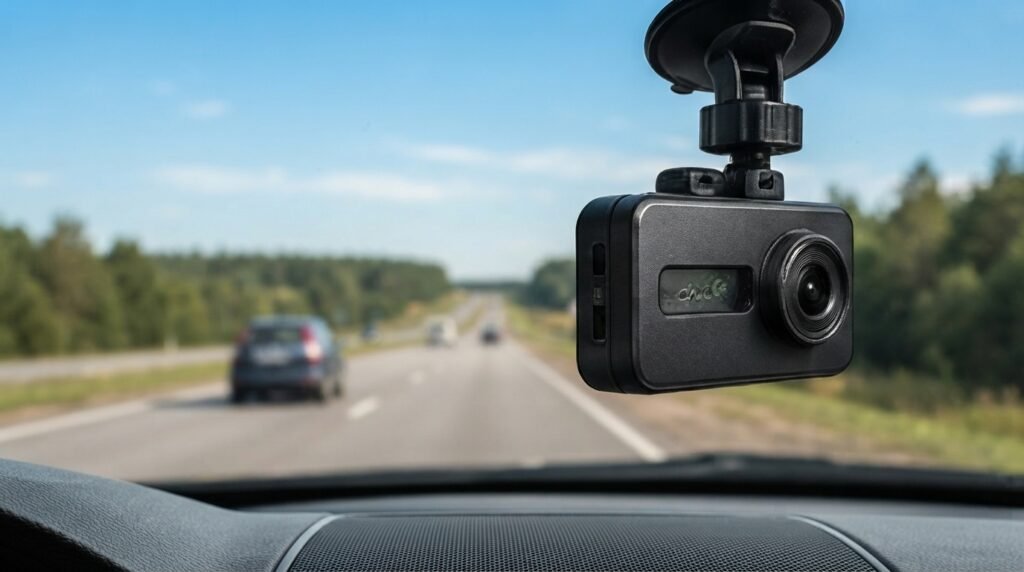
A dash cam records what happens in front of your vehicle and can provide useful evidence after a collision or other road incident. Many modern models offer features such as high-resolution recording, night vision, and parking monitoring.
When choosing one, pay attention to video quality, viewing angle, storage options, and ease of installation.
Before using a dash cam, make sure its placement doesn’t obstruct your view and check applicable local laws regarding recording.
9. Car Air Freshener
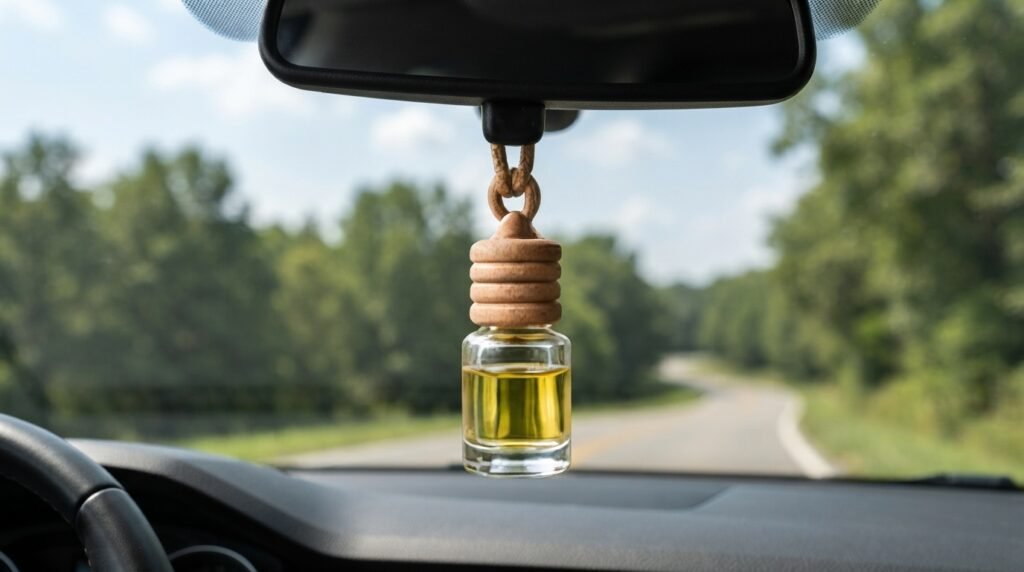
Not every useful car accessory has to be about emergencies. A good car air freshener can make your daily drives more pleasant, especially if you spend several hours in your vehicle.
Choose a scent you find comfortable rather than an overpowering fragrance. Also remember that an air freshener doesn’t replace proper cleaning or removing the source of an unpleasant smell.
10. Trunk Organizer
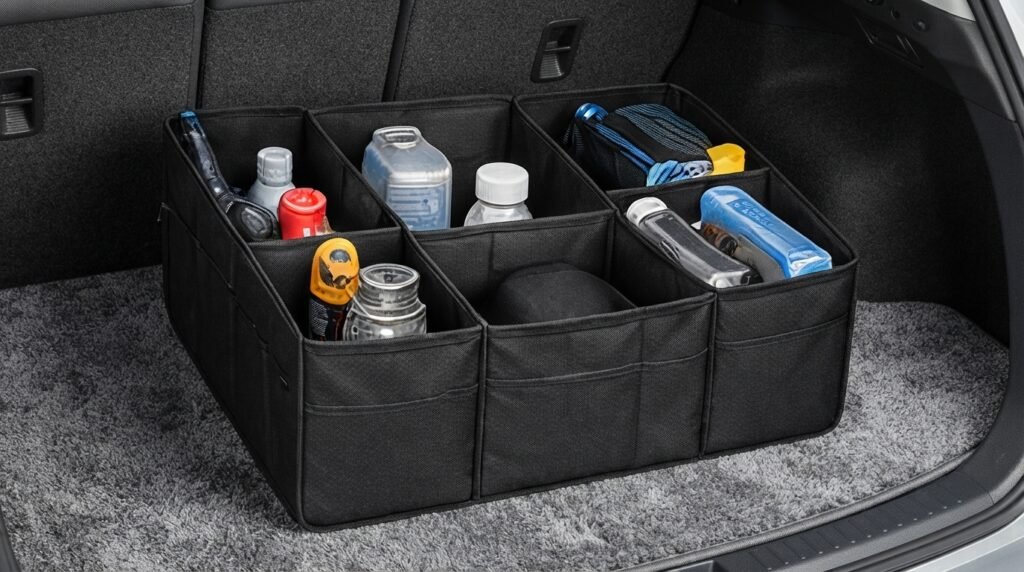
A trunk can quickly turn into a pile of shopping bags, tools, cleaning supplies, and emergency equipment. A trunk organizer keeps everything separated and easier to find.
Look for one with multiple compartments and a sturdy base. Foldable designs are particularly useful because you can collapse them when the trunk is mostly empty.
Practical idea: Keep emergency equipment in one section and everyday items in another so important supplies don’t get buried.
11. Microfiber Cleaning Cloths
Dust, fingerprints, and small spills are unavoidable. Keeping a few microfiber cleaning cloths in your vehicle makes it much easier to clean the dashboard, mirrors, screens, and other surfaces.
Microfiber is useful because it can clean many surfaces without leaving as much lint behind as ordinary paper towels.
For better results, keep separate cloths for interior surfaces and windows.

12. Flashlight
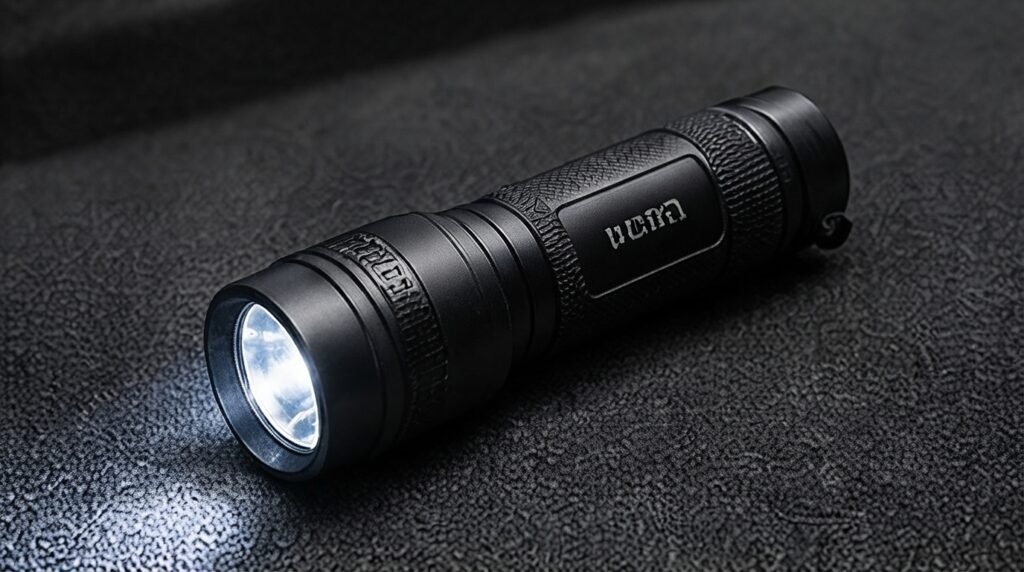
A flashlight may seem basic, but it’s incredibly useful when something goes wrong after dark. Checking a tire, looking under the hood, or finding something that has fallen beneath a seat is much easier with proper lighting.
A compact LED flashlight is ideal for a vehicle emergency kit. Consider keeping spare batteries available or choosing a rechargeable model.
Avoid relying solely on your phone’s flashlight during emergencies because preserving your phone’s battery can be important.
13. Reflective Warning Triangle
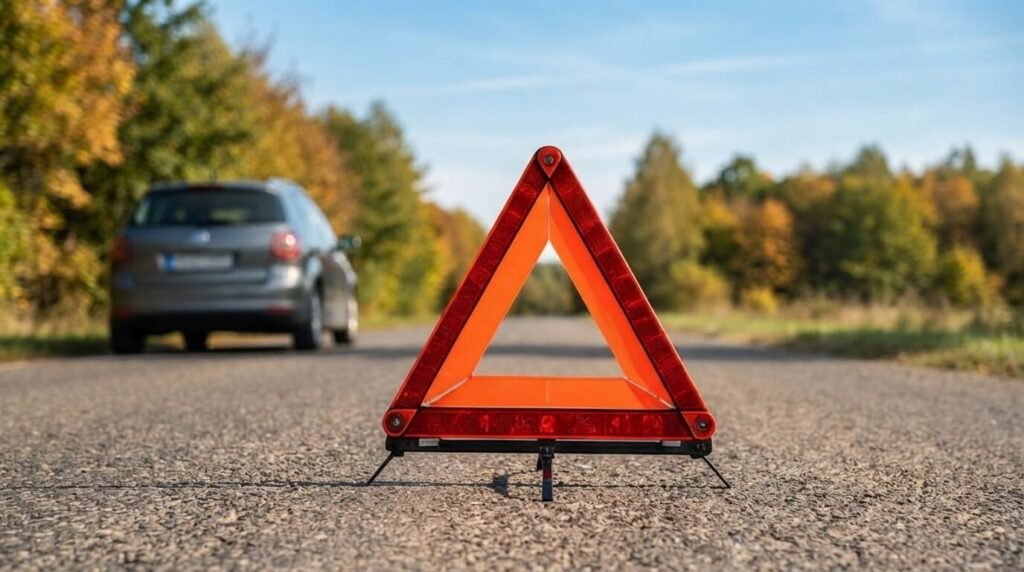
If your vehicle breaks down on or near a roadway, making yourself visible to approaching drivers is extremely important. A reflective warning triangle can help alert other motorists that a stopped vehicle is ahead.
Keep it somewhere that is easy to access rather than buried underneath luggage.
Always place warning equipment according to local road-safety rules and only when it is safe to exit and position it.
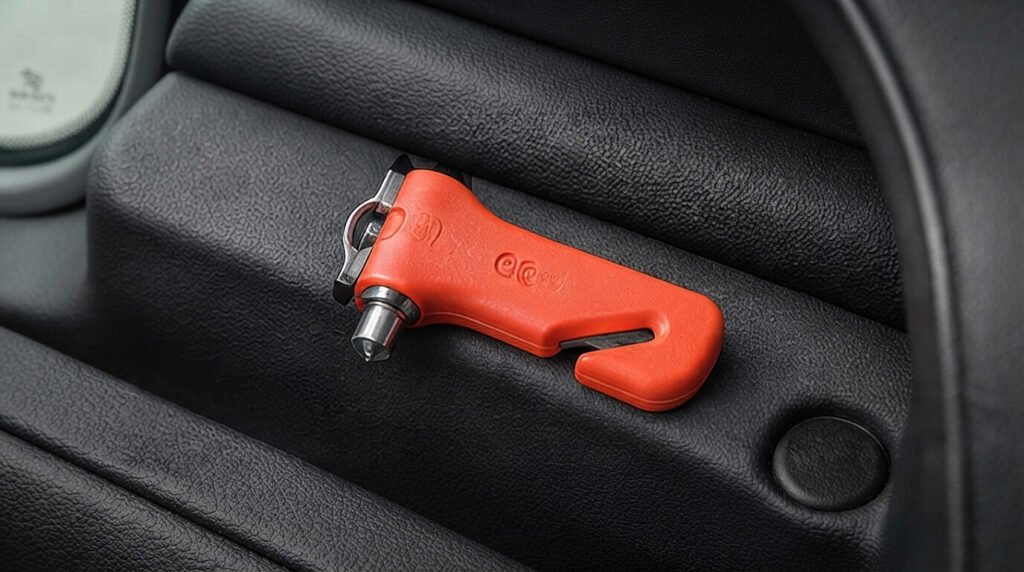
14. Seat Belt Cutter and Window Breaker
A compact emergency escape tool can be useful in a serious situation where a seat belt needs to be released quickly, or a vehicle window needs to be exited.
If you purchase one, learn how it works before an emergency occurs. Store it somewhere accessible from the driver’s seat rather than inside the trunk.
Remember that this is an emergency tool, so it should be used only when necessary and safely.
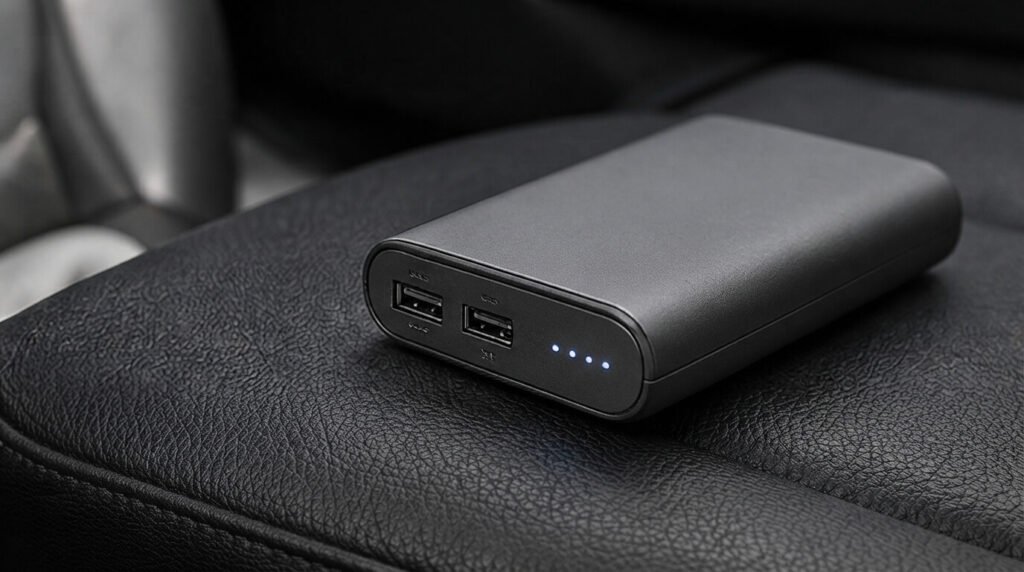
15. Portable Power Bank
A portable power bank provides another way to keep your phone running when your vehicle’s electrical system isn’t available. This can be especially useful during road trips, roadside emergencies, or unexpected delays.
Choose a reliable power bank with enough capacity for your phone and keep it charged. If you leave it in the car regularly, check the manufacturer’s storage recommendations because extreme temperatures can affect battery performance.
Conclusion
The best car accessories aren’t necessarily the most expensive or high-tech gadgets. They’re the items that solve real problems when you need them most. A tire inflator, jumper cables, emergency kit, phone mount, flashlight, and other practical essentials can make everyday driving more convenient while helping you prepare for unexpected situations.
You don’t have to buy everything at once. Start with the safety and emergency essentials, then add comfort and organization accessories based on how you use your vehicle. For more practical automotive and everyday guides, keep exploring Read Hub.
If you have any questions or concerns regarding this topic, feel free to contact us through our Contact Us page or reach out via the WhatsApp button available on Read Hub. We’re always happy to help!
FAQ
What are the most important car accessories for safety?
Emergency equipment should be a priority. Jumper cables, a tire inflator, a first-aid kit, a flashlight, a warning triangle, and basic emergency supplies are useful starting points for most drivers.
What should I keep in my car for emergencies?
A basic emergency kit can include a flashlight, first-aid supplies, gloves, jumper cables, tire inflator, warning equipment, water, and other items appropriate for your driving conditions and local climate.
Is a car phone mount really necessary?
A phone mount can make navigation more convenient by keeping the device positioned securely and within view. However, drivers should avoid manually using their phones while driving.
How often should I check my car emergency supplies?
It’s a good idea to inspect your emergency supplies every few months. Check batteries, power banks, first-aid items, tire equipment, and anything that may have expired or been damaged.
Are expensive car accessories always better?
Not necessarily. The most valuable accessory is one that is reliable, suitable for your vehicle, and useful in a real situation. Focus on quality, safety, durability, and compatibility rather than price alone.