
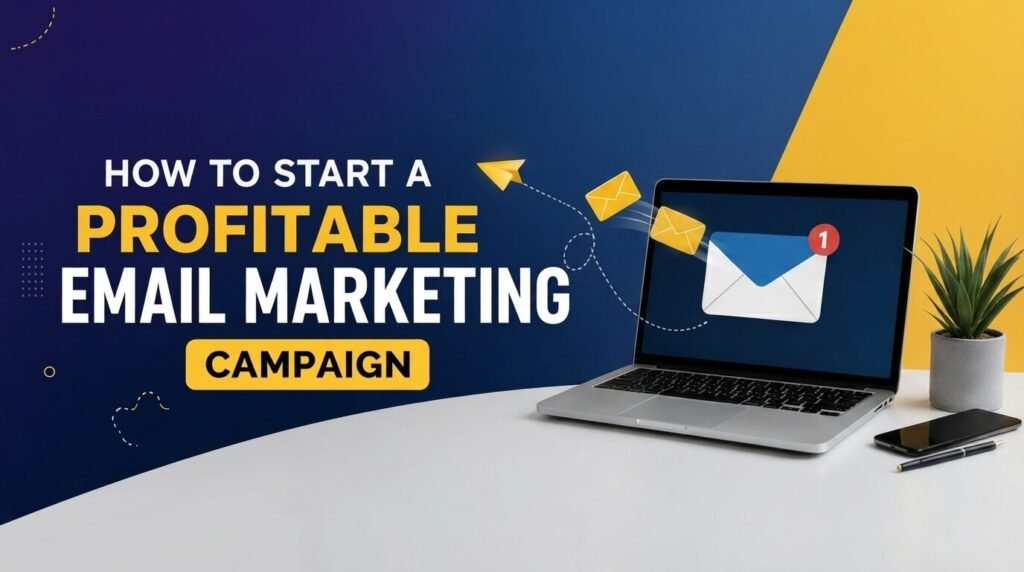
A profitable email marketing campaign does not require thousands of subscribers or a huge advertising budget. What matters most is reaching the right people with useful content, a clear message, and a reason to take action. Email marketing can help you build stronger customer relationships, generate repeat sales, and turn interested visitors into loyal customers. Whether you run an online store, blog, service business, or startup, a well-planned campaign can become one of your most reliable marketing channels. In this guide, you’ll learn how to build an email list, create effective campaigns, write better emails, and measure the results.
Define Your Campaign Goal
Before writing your first email, decide exactly what you want the campaign to achieve. A vague goal such as “get more customers” makes it difficult to create a focused strategy.
Your goal might be to increase product sales, promote a new service, generate website traffic, recover abandoned carts, or build brand awareness.
For example, an online store could create a campaign designed to generate sales from existing subscribers. A blog such as Read Hub might instead focus on increasing returning visitors.
Choose one primary goal and connect your email content to it. This keeps your campaign focused and makes your results easier to measure.

Build a Quality Email List
A strong email list is more valuable than a large list filled with inactive or uninterested subscribers. Never rely on purchased email lists. Instead, encourage visitors to subscribe voluntarily.
You can offer something useful in exchange for an email address, such as a discount, free guide, checklist, exclusive content, or special offer.
Place signup forms on relevant pages of your website and clearly explain what subscribers will receive. Always use permission-based email marketing and provide an easy way for people to unsubscribe.
The goal is simple: attract subscribers who genuinely want to hear from your business.

Choose the Right Email Marketing Platform
An email marketing platform makes it easier to organize subscribers, design campaigns, automate messages, and monitor performance.
Look for features such as email templates, audience segmentation, automation, analytics, signup forms, and integration with your website or online store.
You don’t need the most expensive platform when you’re starting. Choose a service that fits your current audience size and business needs, then upgrade as your campaign grows.
A reliable platform can also help improve deliverability and reduce the risk of your emails being treated as spam.
Create Emails People Want to Open
Your subject line is often the first thing subscribers see, so it needs to create interest without making unrealistic promises.
Instead of a generic subject like “Our Latest Update,” try something more specific, such as “Your Weekend Offer Ends Tonight.”
Keep your message easy to scan. Use short paragraphs, natural language, useful information, and one main idea. Personalization can also make emails feel more relevant when used appropriately.
Most importantly, give subscribers a reason to keep opening your emails. Helpful advice, exclusive offers, useful resources, and relevant updates usually perform better than constant promotional messages.

Add Strong Calls to Action
Every marketing email should guide the reader toward a clear next step.
Your call to action could encourage someone to shop now, read an article, book a consultation, download a guide, or learn more about a product.
Make the CTA specific rather than vague. “Explore Our New Collection” gives readers more context than simply saying “Click Here.”
Avoid filling one email with too many competing actions. A focused CTA generally makes it easier for readers to understand what you want them to do.

Automate Your Campaign
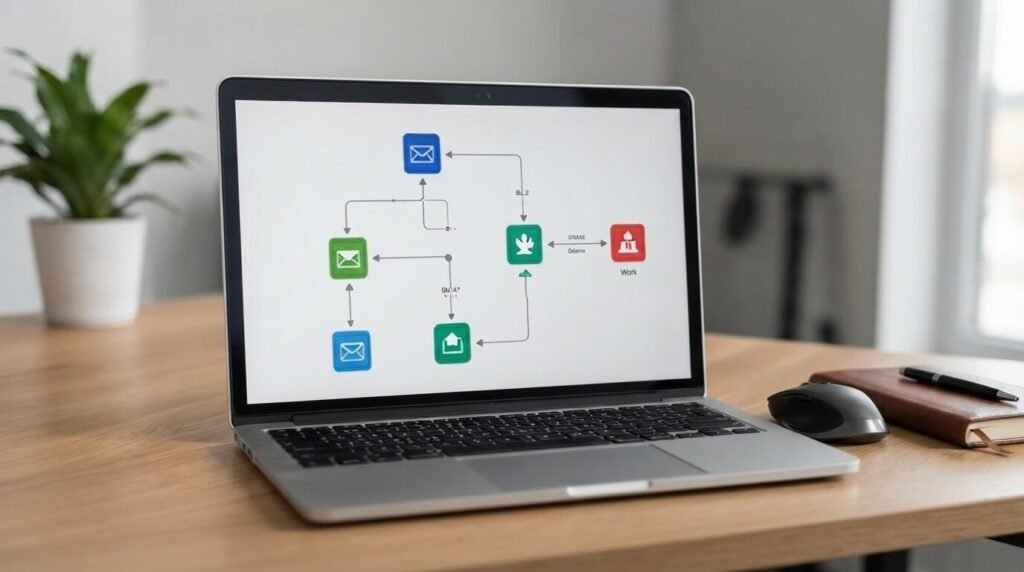
Email automation can save time while keeping your audience engaged. Instead of manually sending every message, you can create automated sequences triggered by specific actions.
For example, a welcome series can introduce a new subscriber to your brand. An ecommerce business can send an abandoned-cart reminder, while a service company can follow up after someone submits an inquiry.
You can also create re-engagement campaigns for subscribers who haven’t interacted with your emails recently.
Start with a few useful automations rather than trying to automate everything at once. As you learn what your audience responds to, expand your workflow.
Track Results and Improve Performance
A campaign isn’t finished when you press “Send.” The real improvement comes from studying what happened afterward.
Track important email marketing metrics such as open rate, click-through rate, conversion rate, unsubscribe rate, and revenue generated.
If an email receives plenty of opens but few clicks, your content or CTA may need improvement. If opens are low, test different subject lines or review your sending frequency.
Experiment with different subject lines, content formats, offers, and CTAs. Over time, these small improvements can turn an average campaign into a profitable email marketing campaign.

Conclusion
Starting a profitable email marketing campaign is less about sending more emails and more about sending better ones. Build a permission-based list, understand your audience, create valuable content, use clear CTAs, automate repetitive tasks, and consistently measure your results.
You don’t need a perfect campaign from day one. Start with a clear objective, learn from your subscribers’ behavior, and improve with every campaign. With the right strategy, email can become a dependable source of traffic, customer engagement, and revenue for your business.
If you have any questions or concerns regarding this topic, feel free to contact us through our Contact Us page or reach out via the WhatsApp button available on Read Hub. We’re always happy to help!
FAQ
What is a profitable email marketing campaign?
A profitable email marketing campaign generates more value or revenue than it costs to create and send. It usually combines a targeted subscriber list, useful content, effective offers, clear calls to action, and ongoing performance tracking.
How do I start email marketing with a small audience?
Start by collecting permission-based subscribers through your website, social media, or valuable free resources. Focus on understanding your small audience rather than trying to grow quickly, and send useful, relevant emails consistently.
How often should I send marketing emails?
There is no single frequency that works for every business. Start with a manageable schedule, such as one email per week, and monitor engagement, clicks, and unsubscribes to determine what your audience prefers.
What email marketing metrics should I track?
Important metrics include open rate, click-through rate, conversion rate, unsubscribe rate, and revenue generated. Looking at several metrics together gives you a better understanding of whether your campaign is actually working.
Can email marketing really increase sales?
Yes. Email marketing can encourage repeat purchases, promote new products, recover abandoned carts, and nurture potential customers. Results depend on the quality of your audience, offer, content, timing, and overall marketing strategy.