

Preparing for an important exam is not always about studying more. Sometimes, the biggest difference comes from avoiding simple mistakes that waste your time, increase stress, and leave you feeling unprepared. Many students study for hours but still struggle because their preparation lacks structure. These exam mistakes students make are surprisingly common, but they can be avoided with a few practical changes. In this Read Hub guide, we’ll look at five mistakes students often make before important exams and what you can do instead.

1. Studying Without a Plan
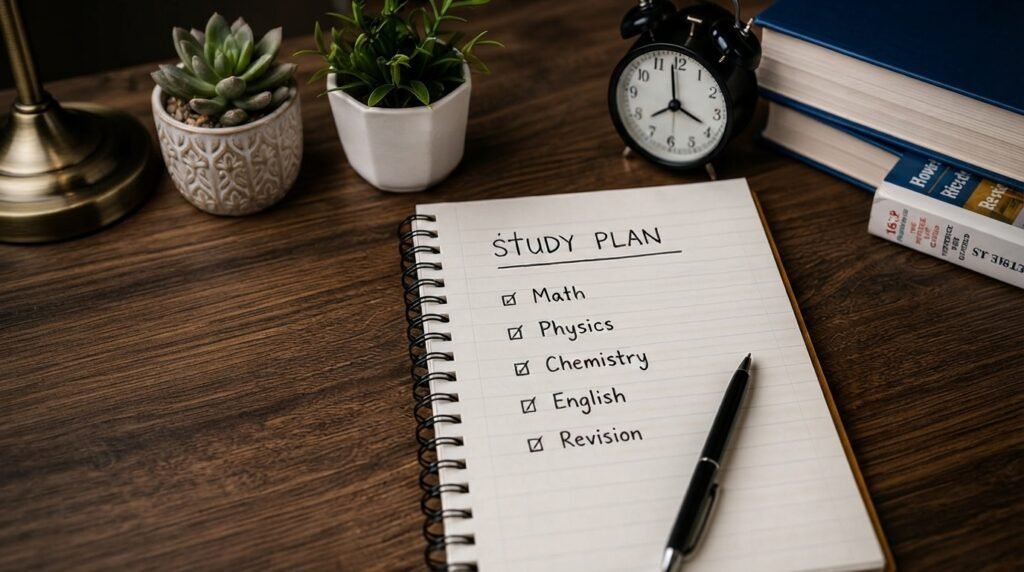
Opening your books and simply reading whatever comes to mind can make studying feel productive, but it often leads to wasted time. Without a plan, students may spend too long on easy topics while neglecting important chapters.
Instead, divide your syllabus into manageable sections. Set specific daily goals and give extra time to subjects or topics you find difficult.
Practical tip: Create a simple study schedule with three things: what you need to study, how long you’ll study it, and when you’ll review it.
2. Trying to Learn Everything at the Last Minute
Cramming the night before an exam is one of the most common study mistakes. Although it may help you remember a few facts temporarily, it can leave you mentally exhausted and make it harder to recall information during the exam.
Start preparing several days or weeks earlier. Use short study sessions and review important material more than once.
Practical tip: Follow the “small portions, repeated review” approach instead of trying to finish an entire subject in one sitting.

3. Ignoring Practice Questions
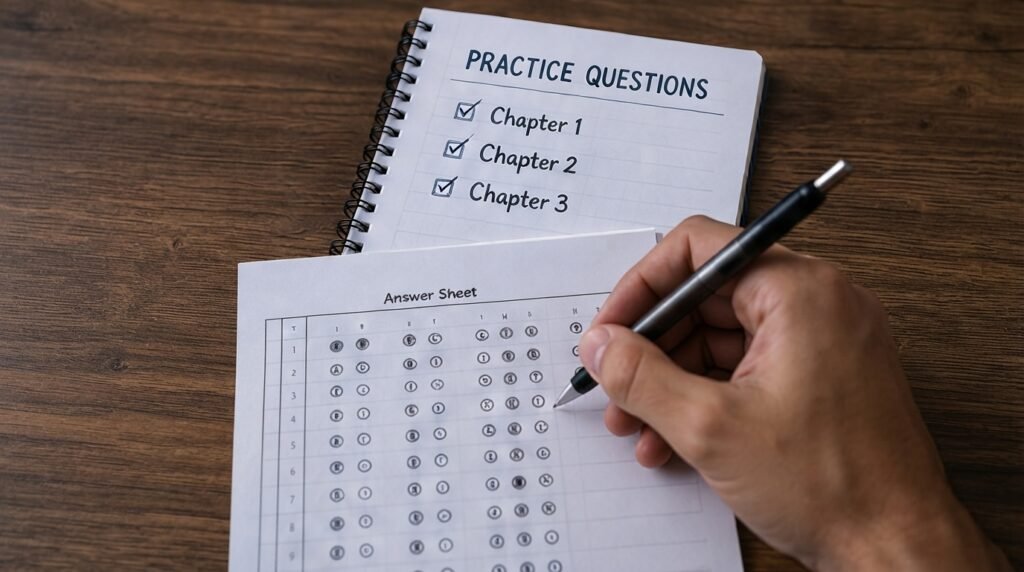
Reading notes repeatedly can create the feeling that you understand everything. However, exams require you to recall and apply information—not simply recognize it on a page.
Practice questions, past papers, quizzes, and self-testing can reveal exactly where your preparation is weak.
Practical tip: After studying a topic, close your book and answer a few questions from memory. Check your answers afterward and revise the areas you missed.
4. Sacrificing Sleep for Studying
Staying awake for several extra hours may seem like a smart way to prepare, but lack of sleep can make concentration, memory, and decision-making harder. A tired student may know the material but struggle to use it effectively.
Try to finish serious studying at a reasonable time before the exam. Prepare your bag, stationery, documents, and clothes beforehand so you can relax.
Practical tip: A calm, rested mind is usually more useful than one additional hour of exhausted studying.

5. Letting Stress Take Control
A little exam nervousness is normal. The problem begins when worrying becomes so intense that you stop studying or convince yourself that you will fail.
Focus on what you can control: your preparation, routine, sleep, and attitude. Take short breaks, breathe slowly, and avoid comparing your progress with other students.
Practical tip: Replace “I’m not ready” with “I’ll focus on the next topic.” Small, manageable steps can make preparation feel much easier.

Conclusion
Avoiding common exam mistakes students make can improve your preparation without requiring endless hours of studying. Make a realistic plan, avoid last-minute cramming, practice questions, protect your sleep, and manage stress. Most importantly, remember that effective exam preparation is about studying smarter—not simply studying longer. Read Hub is here to provide practical advice that helps students build better study habits and approach important exams with greater confidence.
If you have any questions or concerns regarding this topic, feel free to contact us through our Contact Us page or reach out via the WhatsApp button available on Read Hub. We’re always happy to help!
FAQ
What is the biggest mistake students make before exams?
One of the biggest mistakes is leaving most of the preparation until the last minute. Early and consistent revision usually makes learning easier.
How many hours should I study before an important exam?
There is no single ideal number. Focus on productive study sessions, regular breaks, practice, and sufficient sleep rather than counting hours alone.
Are past papers useful for exam preparation?
Yes. Past papers help you understand question patterns, identify weak areas, and practice answering under realistic conditions.
4. Should I study the night before an exam?
A light review can be useful, but avoid staying up very late. Getting enough sleep can help you remain focused and alert during the exam.
How can I reduce exam stress?
Prepare early, break large tasks into smaller goals, take short breaks, sleep properly, and focus on your own progress instead of comparing yourself with others.