

Studying abroad can be an exciting step toward a better education, new experiences, and valuable international exposure. However, getting started requires careful planning. From choosing the right country and university to preparing your finances, application, visa, and accommodation, every decision matters. The process may seem complicated, but breaking it into manageable steps makes it much easier. In this guide, you’ll discover practical advice for studying abroad successfully and preparing yourself for both the academic and personal challenges of living in another country.
1. Choose the Right Study Destination
Choosing a country should depend on your course, budget, language, lifestyle, safety, and future plans rather than popularity alone. Compare tuition fees, living expenses, university quality, transportation, and opportunities available to international students. Research several destinations and create a shortlist so you can compare your options before making a final decision.
2. Find the Right University and Program
Look beyond university rankings and focus on whether the actual program suits your goals. Check the curriculum, course modules, faculty, facilities, accreditation, entry requirements, location, and total cost. A university that offers the right program and learning environment can be more valuable than simply choosing the most famous institution.
3. Understand Admission Requirements
Admission requirements vary between universities and countries, so check them carefully before applying. You may need academic transcripts, recommendation letters, a personal statement, language-test results, a portfolio, or proof of finances. Make a checklist for each university and note every deadline so you have enough time to collect and prepare your documents.

4. Create a Realistic Budget
Your study-abroad budget should cover more than tuition fees. Consider accommodation, food, transportation, health insurance, books, visa expenses, flights, phone costs, and everyday spending. Research the cost of living in your specific city and keep some money aside for unexpected expenses. A realistic budget can help you avoid unnecessary financial pressure after arrival.

5. Search for Scholarships and Financial Aid
Start looking for scholarships as early as possible because many funding opportunities have strict deadlines. Check university scholarships, government programs, private organizations, and field-specific opportunities. Carefully review eligibility requirements and apply through legitimate sources. Be cautious of anyone promising a guaranteed scholarship in exchange for large upfront payments.

6. Prepare a Strong Application
A good application should clearly and honestly present your academic background, achievements, interests, and future goals. When writing a personal statement, explain why you chose the program and how it connects with your plans instead of using generic or copied content. Before submitting, carefully check your documents for errors, missing information, incorrect dates, and incomplete requirements.

7. Handle Your Student Visa Carefully
After receiving admission, review the current student visa requirements through the official immigration authority of your destination country. Prepare your passport, admission documents, financial evidence, photographs, and other required paperwork well in advance. Visa rules can change, so avoid relying entirely on social media or unofficial advice when dealing with important immigration requirements.

8. Plan Your Accommodation and Travel
Arrange accommodation before travelling whenever possible and compare university housing, private student residences, and shared accommodation based on price, location, transportation, facilities, and contract terms. Before leaving, organize your important documents, emergency contacts, payment methods, travel information, and essential personal items. Keeping important documents easily accessible will also make your journey smoother.

9. Prepare for Academic and Cultural Differences
Studying in another country may introduce different teaching methods, classroom expectations, communication styles, and academic rules. Attend orientation programs, ask questions when you are unsure, and use university support services when needed. At the same time, learn about local customs and remain respectful of cultural differences. Meeting both local and international students can also make adapting to your new environment easier.

10. Stay Organized After You Arrive
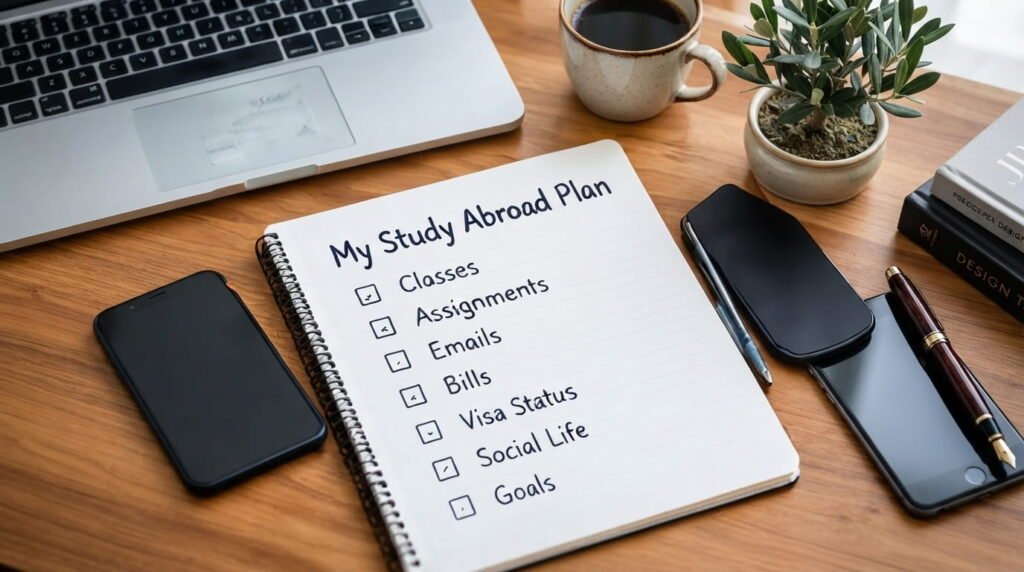
Once you arrive, keep track of your classes, assignments, university emails, bills, visa conditions, and important appointments. Create a weekly routine that gives you enough time for studying, rest, and social activities. If you face academic or personal difficulties, seek help early through your university’s available support services. Most importantly, take time to enjoy the experience and make the most of your international education journey.
Conclusion
Studying abroad successfully requires preparation, organization, and a willingness to adapt. Choosing the right destination, university, and program, managing your finances, preparing your application and visa, and planning your new life can make the transition much easier. Take the process step by step and always verify important information through official sources. Read Hub is here to provide practical education and lifestyle guides that help you make informed decisions.
If you have any questions or concerns regarding this topic, feel free to contact us through our Contact Us page or reach out via the WhatsApp button available on Read Hub. We’re always happy to help!
FAQ
What should I do first when planning to study abroad?
Start by choosing your field of study and researching countries and universities that offer suitable programs. Compare admission requirements, costs, and available funding before applying.
How much does studying abroad cost?
Costs depend on the country, university, city, and lifestyle. Your budget should include tuition, accommodation, food, transportation, insurance, travel, visa expenses, and emergency savings.
When should I start planning to study abroad?
Starting 12 to 18 months before your intended intake is helpful because it gives you time to research universities, prepare documents, take required tests, apply for scholarships, and complete visa procedures.
Can I study abroad with a scholarship?
Yes. Universities, governments, and private organizations offer various scholarships and financial-aid opportunities. Requirements and deadlines differ, so research and apply early.
How can I adjust to life in a new country?
Attend university orientation, meet other students, learn about local customs, participate in activities, and use available student-support services. Give yourself time to become comfortable with your new surroundings.