
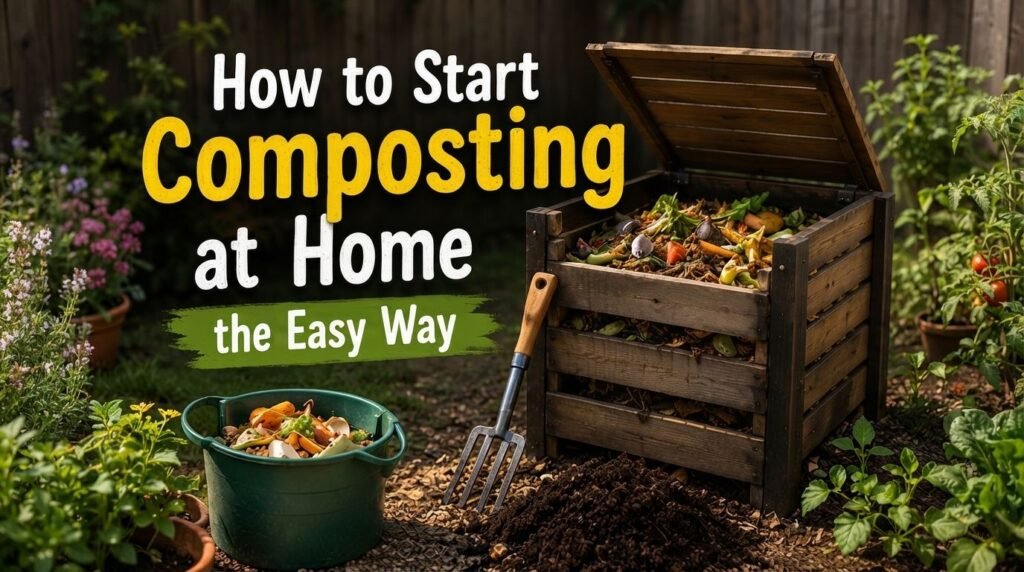
Learning how to start composting at home doesn’t have to be complicated. You don’t need a large garden, expensive equipment, or years of gardening experience. With a suitable container, a few everyday kitchen scraps, and the right balance of materials, you can turn organic waste into useful compost.
Whether you live in a house with a backyard or a smaller home with limited outdoor space, composting can become a simple part of your routine. In this guide, Read Hub explains how home composting works, what you can add, what to avoid, and how to keep your compost healthy without making the process harder than it needs to be.
1. Choose the Right Composting Method
The first step is choosing a composting setup that fits your home and lifestyle.
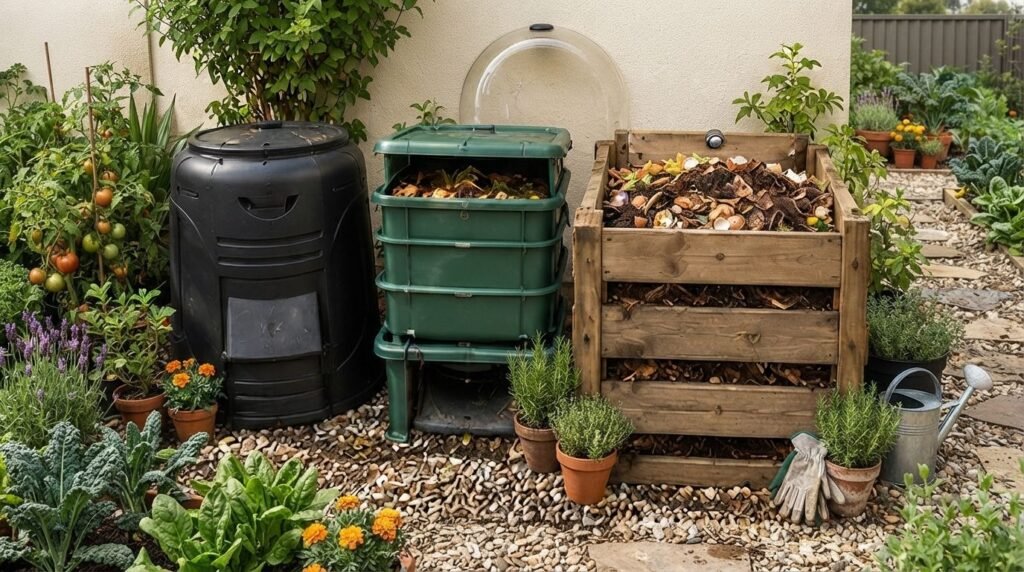
If you have a backyard, a simple compost bin or open pile can work well. A covered bin can help keep the area tidy and make it easier to manage food scraps. For apartments or homes without much outdoor space, a compact indoor composting system or worm bin may be more practical.
You don’t necessarily need a specialized product to begin. A suitable container with good airflow and enough room for organic materials can be enough for a basic setup.
Beginner tip: Start small. A manageable container makes it easier to learn how composting behaves before you commit to a larger system.
2. Build the Right Balance of Materials
Good compost depends largely on having a healthy mix of two types of material: greens and browns.
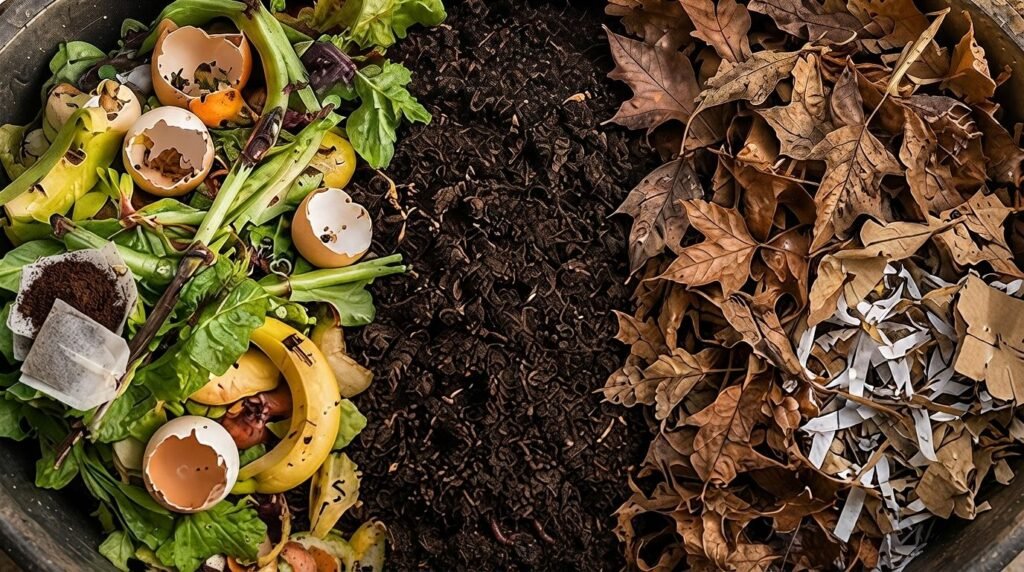
Green materials are generally rich in nitrogen. Common examples include fruit and vegetable scraps, fresh grass clippings, and coffee grounds.
Brown materials provide carbon and include things such as dry leaves, untreated cardboard, paper, and small pieces of dry plant material.
You don’t need to measure every ingredient precisely. Instead, aim for a mixture rather than adding only food scraps.
If your compost becomes wet or develops an unpleasant smell, add more dry brown material. If it looks extremely dry and isn’t breaking down, adding some moist green material can help.
3. Know What to Compost
Knowing what belongs in your compost bin is one of the easiest ways to avoid problems.
Good Compost Materials
- Fruit and vegetable scraps
- Coffee grounds and paper filters
- Tea leaves or suitable tea bags without plastic components
- Dry leaves
- Untreated paper and cardboard
- Grass clippings
- Small amounts of plain plant material
Chopping larger scraps into smaller pieces can also help them break down faster.
What to Avoid
For a basic home composting system, avoid adding meat, fish, dairy products, oils, greasy food, pet waste, and diseased plants unless your specific composting system is designed to handle them.
Weed seeds can also create problems because some composting systems may not become hot enough to destroy them.
When you’re unsure about an item, it’s better to check whether it is suitable for your particular composting method instead of adding it automatically.
4. Keep Your Compost Healthy
Once your compost bin is running, maintenance is surprisingly simple.
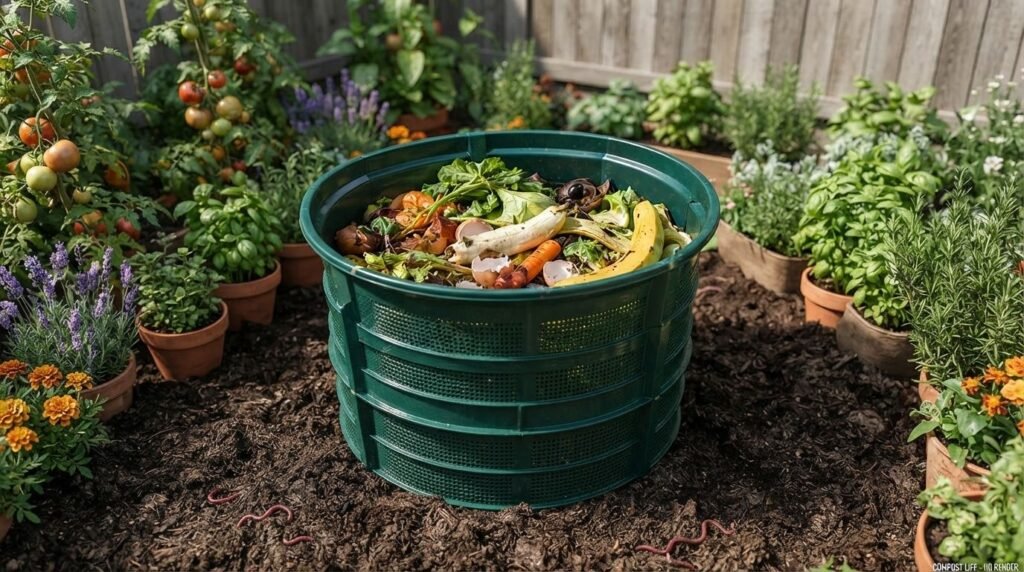
Airflow is important because composting relies on microorganisms that need oxygen. If your pile becomes compacted, gently turning or mixing the materials can introduce more air.
Moisture matters too. Compost should generally feel damp rather than soaking wet. If you notice excess moisture, mix in dry leaves, shredded cardboard, or another suitable brown material.
Smell is another useful indicator. A healthy compost pile should have an earthy or natural smell. A strong rotten odor often means the mixture is too wet, too compacted, or contains too much nitrogen-rich material.
Easy routine: Add kitchen scraps, cover them with a layer of brown material, and occasionally mix the pile. This simple habit can keep your compost moving in the right direction.
5. Know When Your Compost Is Ready
Patience is part of composting. Depending on the materials, conditions, and composting method, the process can take weeks or several months.
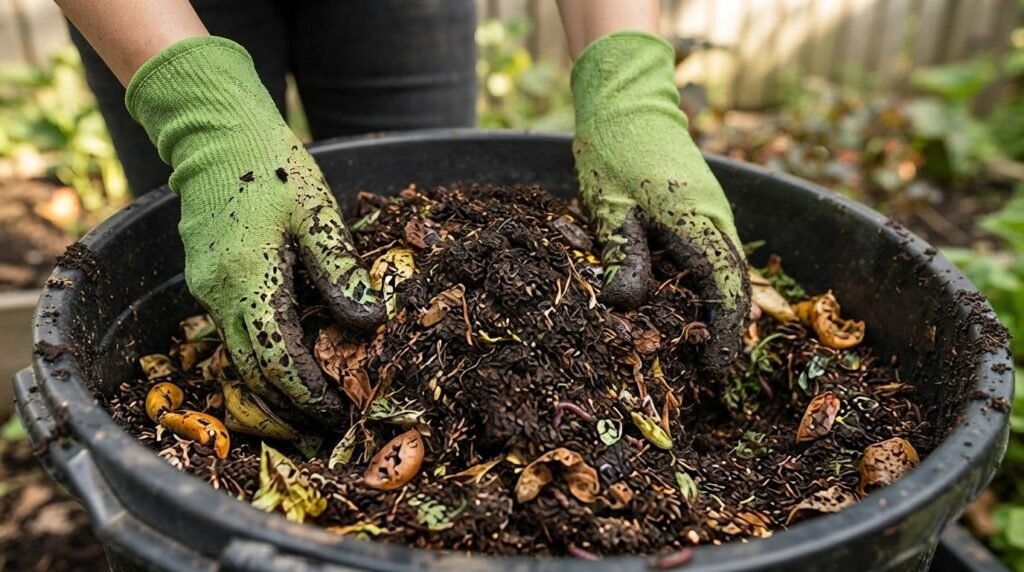
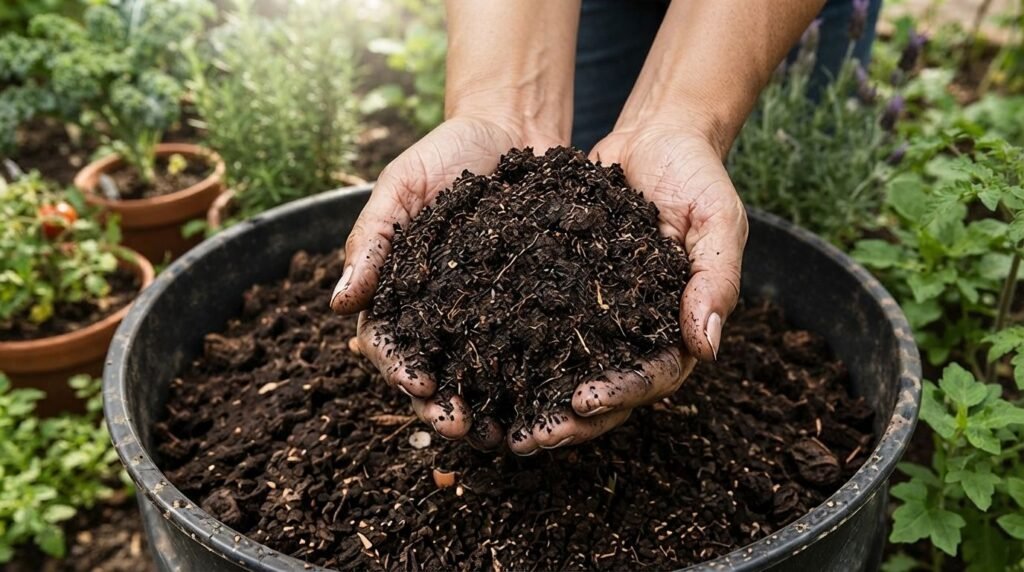
Finished compost usually looks dark, crumbly, and soil-like. Most of the original food scraps and plant materials should no longer be recognizable.
It may also have a pleasant earthy smell rather than the smell of fresh food waste.
Once ready, compost can be added to garden soil, flower beds, containers, or around suitable plants. It adds organic matter and can help improve the overall condition of soil.
If your compost still contains obvious pieces of fresh material, simply give it more time. Composting doesn’t need to be rushed.
Conclusion
Learning how to start composting at home is mostly about creating a simple routine and paying attention to balance, moisture, and airflow. Start with a method that suits your available space, combine green and brown materials, avoid unsuitable waste, and give the process time.
You don’t have to build the perfect compost system on your first attempt. Start with a small amount of organic waste, learn what works in your home, and gradually improve your routine. With these basics, composting can become an easy and practical part of a more sustainable lifestyle.
Read Hub is here to make everyday environmental and home-living topics easier to understand, one practical guide at a time.
If you have any questions or concerns regarding this topic, feel free to contact us through our Contact Us page or reach out via the WhatsApp button available on Read Hub. We’re always happy to help!
FAQ
What is the easiest way to start composting at home?
The easiest approach is to use a suitable compost bin and begin with small amounts of fruit and vegetable scraps mixed with dry materials such as leaves, shredded cardboard, or untreated paper. Keep the mixture reasonably moist and provide airflow.
Can I compost in a small apartment?
Yes. People with limited outdoor space can explore compact indoor composting methods, including worm composting and other systems designed for smaller homes. Choose a method that suits your available space and local conditions.
What kitchen scraps can go into compost?
Common suitable kitchen scraps include fruit and vegetable peels, coffee grounds, and appropriate tea leaves or filters. Avoid meat, fish, dairy, oily foods, and other materials that aren’t recommended for your particular composting system.
How often should I turn my compost?
There is no need to constantly turn your compost. Occasional mixing can improve airflow and help distribute moisture, but the exact frequency depends on the type of composting system you’re using.
Why does my compost smell bad?
A strong unpleasant smell can indicate that the compost is too wet, compacted, or contains too much nitrogen-rich material. Adding dry brown materials and gently mixing the pile can help restore balance.