
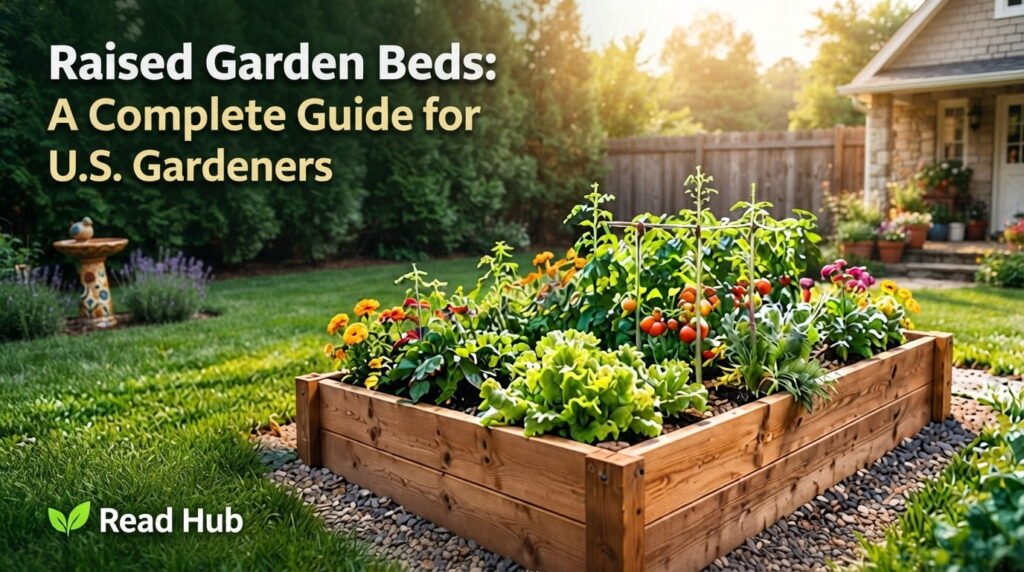
Raised garden beds are a practical way to grow vegetables, herbs, and flowers while having better control over soil, drainage, and garden organization. They are especially useful for U.S. gardeners dealing with poor soil, limited space, or drainage problems. With the right location, materials, soil, and plants, even a small raised bed can become highly productive. In this guide, Read Hub covers the essentials you need to create and maintain a healthy raised-bed garden.
Why Choose Raised Garden Beds?
Raised beds give you more control over the growing environment than traditional in-ground gardening. You can choose the soil, improve drainage, organize different crops, reduce weed problems, and make gardening more comfortable. They are also useful for smaller yards because you can grow a productive garden without creating a large planting area.
Choosing the Right Location
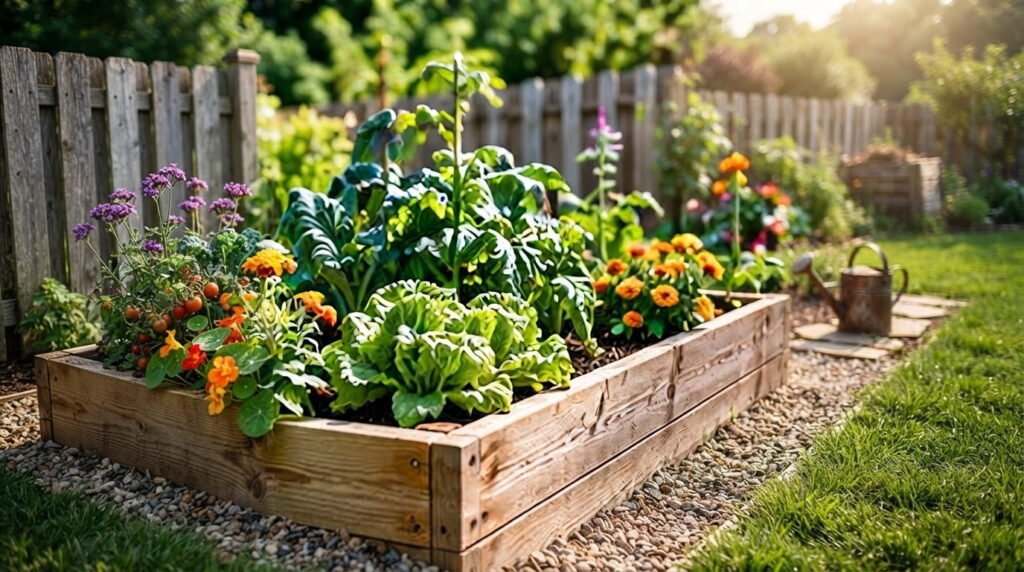
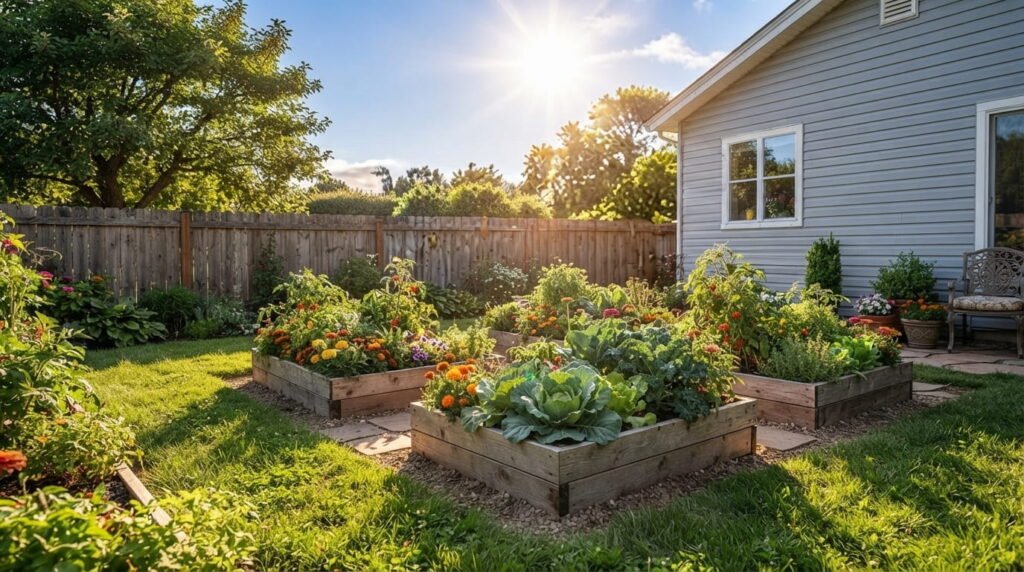
Choose a location that receives around 6–8 hours of direct sunlight for most vegetables. Keep the bed away from areas where buildings, fences, or trees create excessive shade, and choose a spot with good natural drainage. Placing your garden near a convenient water source is also helpful because regular watering becomes much easier.
Selecting Materials and Size
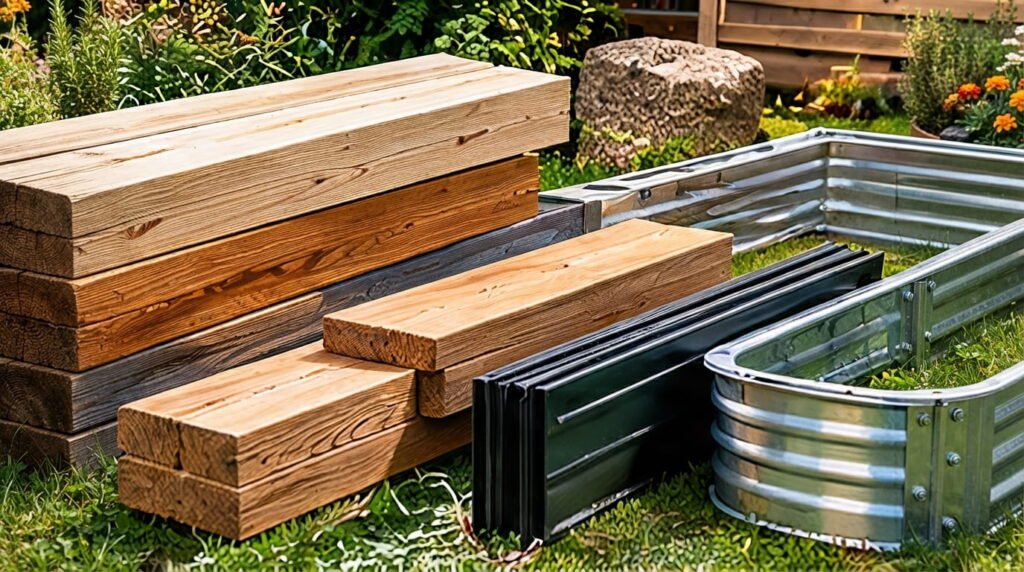
Wood, composite, and metal are common materials for raised beds. Cedar and other naturally rot-resistant woods are popular choices, while composite and metal can provide longer-lasting structures. For accessibility, a bed around 3–4 feet wide is usually easy to reach from both sides, while the height can be adjusted according to your plants and comfort.
Filling the Bed With Quality Soil
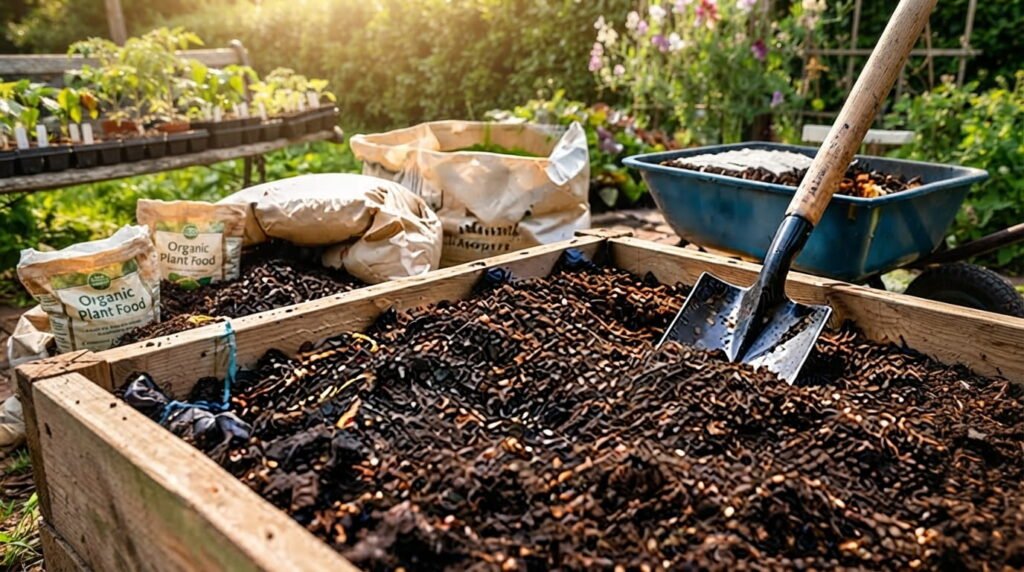
Healthy soil is essential for productive raised garden beds. Instead of using ordinary topsoil alone, choose a quality raised-bed mix containing suitable soil and organic matter such as compost. Good soil provides better drainage, supports root growth, and supplies plants with a healthier growing environment. Avoid walking inside the bed because compacted soil can restrict roots and water movement.
Choosing and Planting Crops
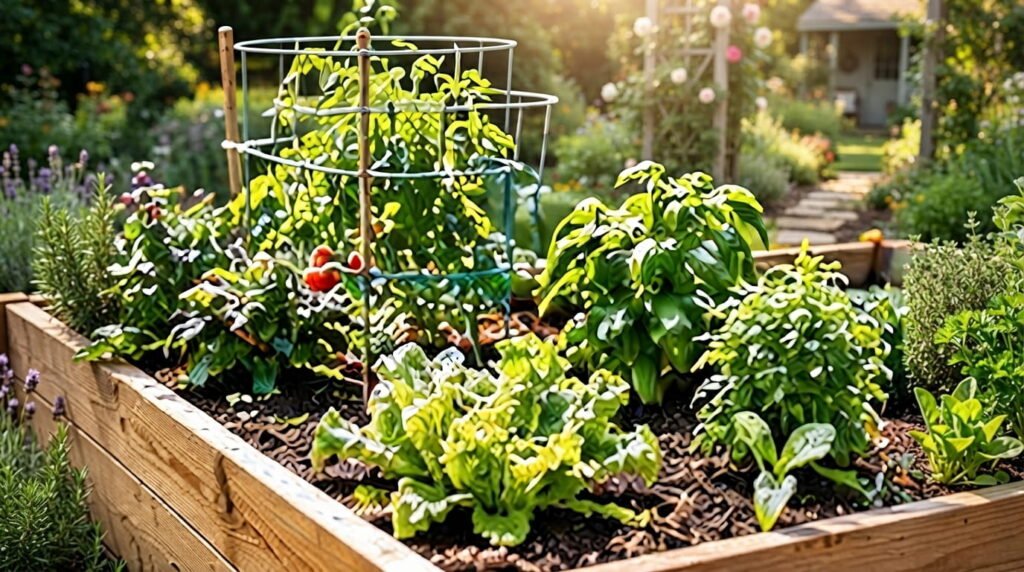
Select plants according to your USDA hardiness zone, sunlight, season, and available space. Vegetables such as tomatoes, peppers, lettuce, carrots, beans, cucumbers, and herbs can work well in raised beds. Avoid overcrowding because mature plants need room for roots and airflow. Trellises are useful for climbing crops because they allow you to grow vertically and save valuable space.
Watering and Fertilizing
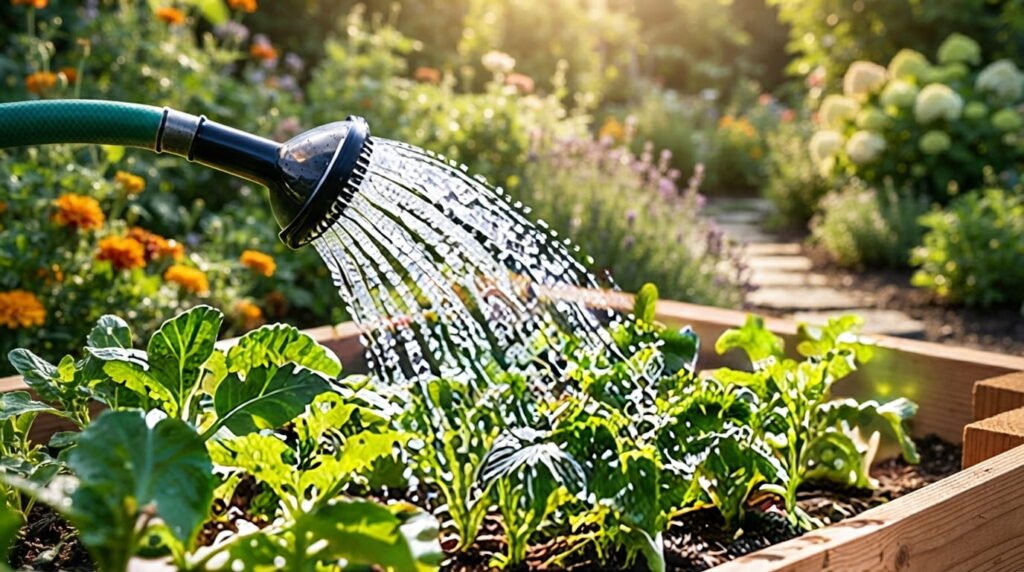
Raised beds can dry out faster than ground-level gardens, especially during hot weather, so check the soil regularly and water when it begins to dry. Deep watering helps reach the root zone, while mulch can reduce evaporation and weed growth. Add compost or suitable organic amendments when needed, but avoid excessive fertilizer because too many nutrients can harm plants and create unnecessary runoff.
Managing Weeds and Pests
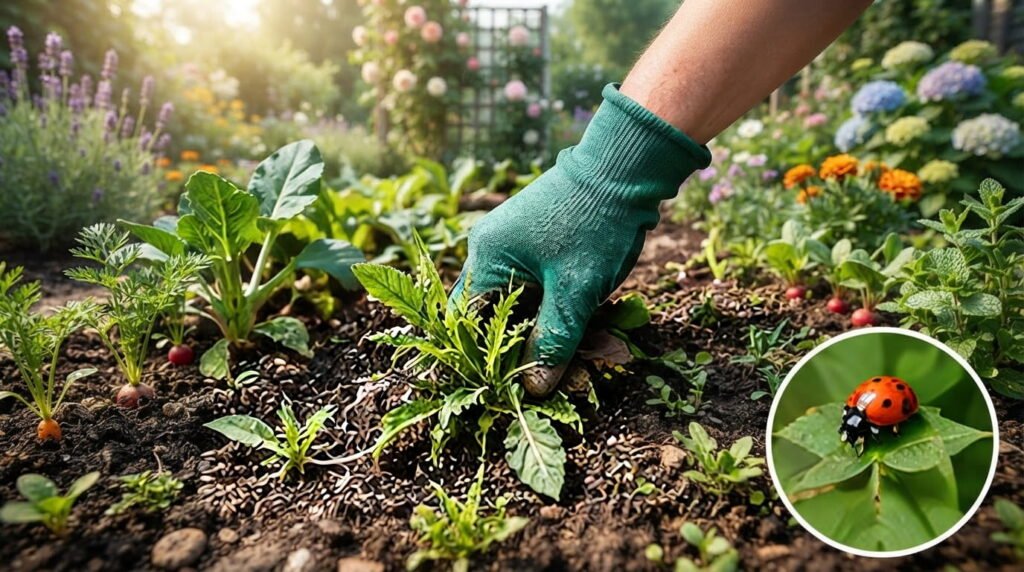
Raised beds can make weeds and pest problems easier to manage, but they do not eliminate them completely. Remove weeds while they are still small and inspect plants regularly for insects, holes, discoloration, or disease. Proper spacing improves airflow, while insect netting and other physical barriers can help protect crops when necessary. Removing diseased plant material quickly can also prevent problems from spreading.
Seasonal Raised-Bed Care
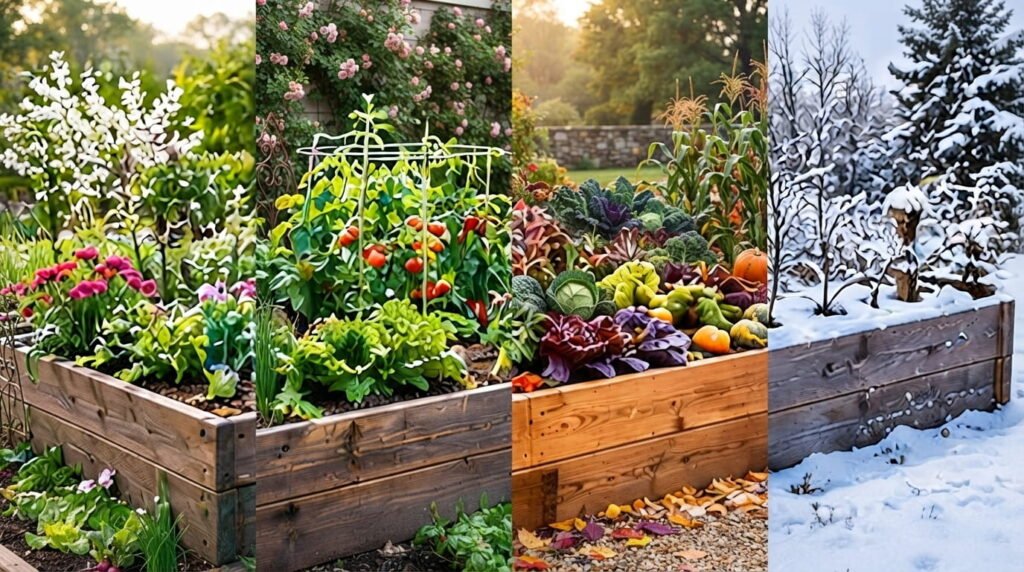
Raised garden beds need slightly different care throughout the year. In spring, prepare the soil and plant crops suited to your local climate; during summer, focus on watering, mulching, harvesting, and pest control. In fall, remove unhealthy plant material and consider cool-season crops, while winter is a good time to protect exposed soil with mulch and prepare the bed for the next growing season.
Conclusion
Raised garden beds make it easier to control soil, drainage, spacing, and plant care while creating an organized growing space. Start with a manageable bed, choose plants suited to your climate, and focus on healthy soil and consistent maintenance. With a little planning, your raised bed can provide fresh vegetables, herbs, or flowers throughout the growing season. Read Hub hopes these practical tips help you build a garden that is productive and easy to enjoy.
If you have any questions or concerns regarding this topic, feel free to contact us through our Contact Us page or reach out via the WhatsApp button available on Read Hub. We’re always happy to help!
FAQ
Are raised garden beds good for beginners?
Yes. Raised beds are beginner-friendly because they provide a defined growing area and allow you to control the soil and planting conditions more easily.
How deep should a raised garden bed be?
A depth of around 6–12 inches can work for many vegetables, while deeper beds provide more room for roots and can be more comfortable to maintain.
What soil is best for raised garden beds?
A quality raised-bed mix containing suitable soil and organic matter such as compost is generally a good choice for healthy plant growth.
How often should raised garden beds be watered?
Check the soil regularly and water when it starts to dry. Hot or windy weather may require more frequent watering than cool or rainy conditions.
Can vegetables and flowers grow together?
Yes. Vegetables and flowers can share a raised bed when their sunlight, water, spacing, and soil requirements are compatible.