

When the economy feels unpredictable, investing can suddenly seem much harder. Markets may rise one day and fall the next, inflation can affect purchasing power, and headlines about recessions or interest rates can make even experienced investors nervous. Knowing how to invest during economic uncertainty isn’t about predicting exactly what will happen next. It’s about building a strategy that can handle different outcomes.
Instead of making emotional decisions based on daily news, focus on diversification, your time horizon, risk tolerance, and financial goals. A thoughtful approach can help you stay prepared without abandoning your long-term investment plan.

Understand Your Financial Position First
Before deciding where to invest, look at your overall financial situation. Investing aggressively while struggling with high-interest debt or lacking emergency savings can create unnecessary pressure.
Ideally, keep money needed for short-term expenses separate from long-term investments. Your emergency fund should be accessible and relatively stable, while investment money should generally be money you won’t need immediately.
This simple separation can make it easier to stay invested when markets become volatile.

Avoid Emotional Investment Decisions
Fear can be one of an investor’s biggest problems during uncertain periods. A sharp market decline may create the urge to sell everything, while a sudden rally can make people feel pressured to buy whatever is currently popular.
Neither reaction is necessarily based on your actual financial plan.
Before making a major decision, ask yourself whether something has genuinely changed in your goals, time horizon, or risk tolerance—or whether you’re simply reacting to the latest headline.
A written investment plan can help you make calmer decisions when emotions are running high.

Diversify Your Portfolio
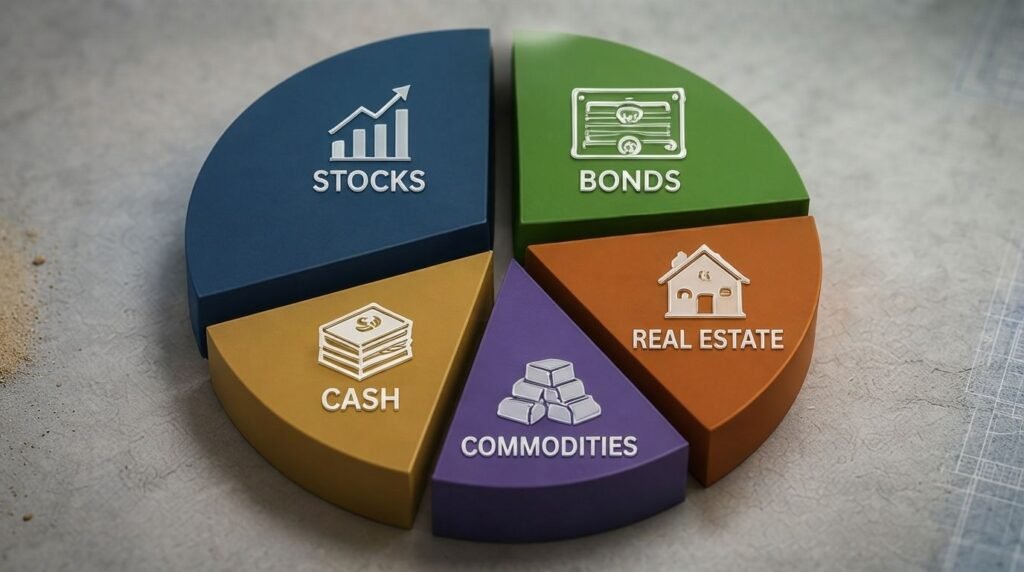
Diversification is one of the most practical ways to manage investment risk. Instead of relying heavily on one company, industry, country, or asset type, spreading investments across different areas can reduce the impact of a single poor-performing investment.
Depending on your circumstances, diversification may involve a combination of stocks, bonds, cash, and other investments.
However, diversification doesn’t eliminate risk. Its purpose is to avoid having too much of your financial future dependent on one particular outcome.
Match Investments With Your Time Horizon
Your investment timeline matters enormously.
If you’re investing money you may need within a year or two, taking substantial market risk may not be appropriate because you could be forced to sell during a downturn.
Long-term money gives you more opportunity to tolerate temporary market declines. Someone investing for retirement decades away may have a very different strategy from someone saving for a purchase next year.
Before choosing an investment, ask: When will I actually need this money?
That question can help determine how much volatility you can reasonably accept.

Keep an Emergency Cash Reserve
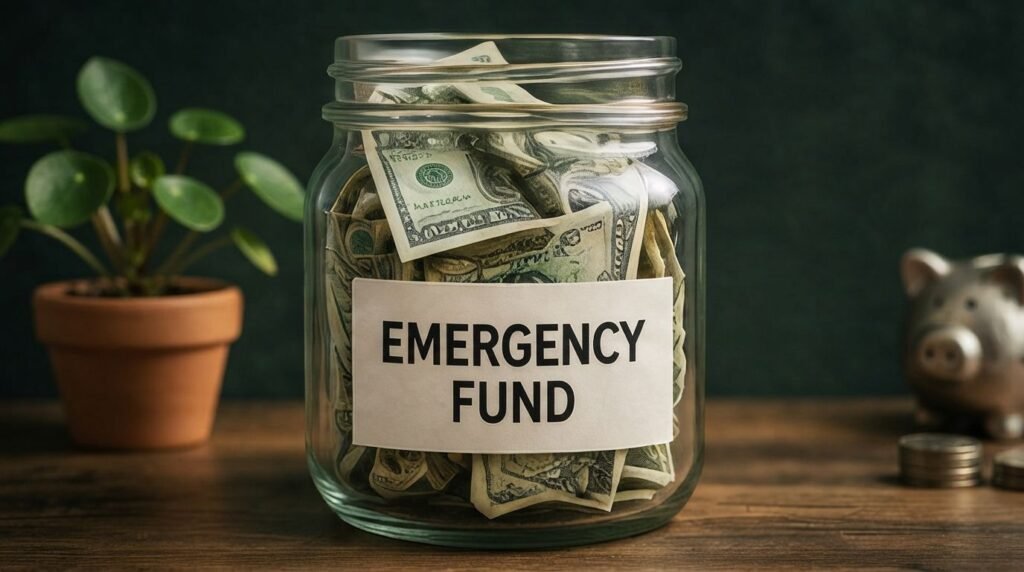
Economic uncertainty becomes much easier to manage when you have money available for unexpected expenses.
An emergency reserve can help cover situations such as job disruption, urgent repairs, or unexpected bills without forcing you to sell investments during an unfavorable market period.
The appropriate amount depends on your income, expenses, job stability, and personal circumstances. The important principle is to keep short-term financial needs separate from money intended for long-term growth.
Consider Regular Investing
Trying to identify the perfect moment to enter the market is extremely difficult. One alternative is investing a consistent amount at regular intervals.
This approach, commonly known as dollar-cost averaging, means buying investments according to a predetermined schedule rather than making decisions based entirely on market movements.
For example, an investor might contribute the same amount every month. When prices are lower, that amount buys more shares; when prices are higher, it buys fewer.
Regular investing doesn’t guarantee profits, but it can reduce the temptation to constantly guess where the market is heading.

Review Your Portfolio Instead of Chasing Trends
Uncertain markets often create new investment stories every day. One week a particular sector may seem unstoppable; the next week another asset may become the focus of attention.
Constantly switching investments based on trends can increase costs, risk, and emotional stress.
Instead, review your portfolio periodically and check whether your asset allocation still matches your goals. If market movements have significantly changed your portfolio’s balance, rebalancing may help bring it back toward your intended allocation.
The goal isn’t to react to every market movement. It’s to make deliberate adjustments when your financial plan calls for them.

Think About Inflation and Purchasing Power
Economic uncertainty isn’t only about falling stock prices. Inflation can also affect the real value of your money.
If prices rise significantly over time, cash that remains unchanged may lose purchasing power. This is one reason long-term investors generally consider investments that have the potential to grow over time rather than keeping all long-term savings in cash.
At the same time, chasing high returns simply because inflation is elevated can expose you to more risk than you can comfortably handle.
A balanced strategy considers both investment growth and capital preservation.

A Simple Approach to Investing During Uncertain Times
There is no universal portfolio that works for everyone. However, a sensible process can look like this:
1. Check your finances: Know your income, expenses, debt, emergency savings, and investment goals.
2. Define your timeline: Separate short-term money from long-term investment capital.
3. Understand your risk tolerance: Decide how much temporary loss you could realistically tolerate without abandoning your plan.
4. Diversify: Avoid concentrating your portfolio around a single investment or market.
5. Invest consistently: Consider a disciplined contribution schedule rather than trying to predict every market movement.
6. Review periodically: Make changes because your circumstances or investment plan changed—not simply because the news became frightening.
For more practical personal finance guidance, Read Hub can help you explore financial topics in a straightforward and accessible way.

Conclusion
Learning how to invest during economic uncertainty is less about finding a perfect investment and more about creating a strategy you can stick with. Diversification, an appropriate emergency reserve, realistic risk management, and a long-term perspective can provide a stronger foundation when markets become unpredictable.
Don’t let short-term headlines completely dictate long-term financial decisions. Understand your goals, invest according to your circumstances, and review your strategy when something meaningful changes.
If you have any questions or concerns regarding this topic, feel free to contact us through our Contact Us page or reach out via the WhatsApp button available on Read Hub. We’re always happy to help!
FAQ
Is it safe to invest during economic uncertainty?
No investment is completely risk-free. However, diversification, appropriate asset allocation, and investing according to your financial goals can help manage risk during uncertain periods.
Should I stop investing when the economy is struggling?
Not necessarily. If your financial situation and investment plan have not changed, continuing a disciplined long-term strategy may be more appropriate than making decisions based solely on fear.
What should I consider before investing during a recession?
Consider your emergency savings, debt, risk tolerance, investment timeline, diversification, and whether you can handle temporary market declines without needing to sell.
Is cash a good investment during economic uncertainty?
Cash can be useful for emergencies and short-term expenses because it is generally accessible and less volatile than many investments. However, holding excessive cash for long periods may expose your purchasing power to inflation.
Can diversification protect my investments completely?
No. Diversification can reduce concentration risk, but it cannot guarantee profits or prevent losses when markets decline.