

Your immune system works around the clock to help protect your body from infections and other health threats. While no single food can prevent illness, eating a balanced diet filled with vitamins, minerals, antioxidants, and protein can support normal immune function. The good news is that many foods to boost your immune system are affordable, easy to find, and simple to add to everyday meals. From colorful fruits and vegetables to yogurt, nuts, seeds, and seafood, small changes to your diet can make healthy eating much easier. Here are some of the best choices to include regularly.
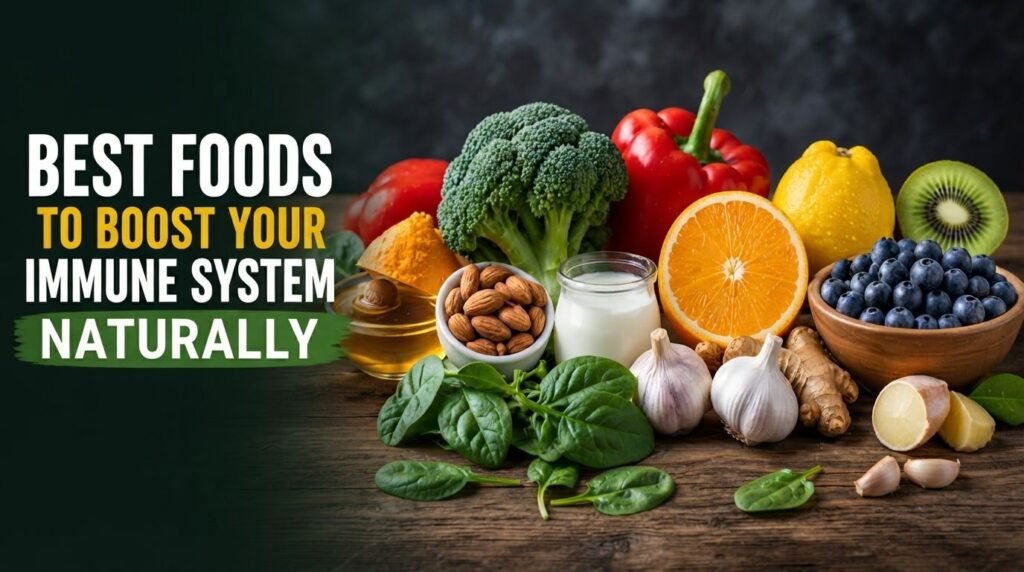
Citrus Fruits
Oranges, lemons, grapefruits, and mandarins are well known for their vitamin C content. Vitamin C supports normal immune function and also acts as an antioxidant.
Try adding fresh citrus to breakfast, salads, or water. Eating the whole fruit is generally more filling than relying on sweetened juices.

Berries
Strawberries, blueberries, raspberries, and blackberries provide vitamin C, fiber, and various antioxidant compounds. Their naturally sweet flavor makes them an easy alternative to highly processed desserts.
Add berries to oatmeal, yogurt, smoothies, or simply enjoy a small bowl as a snack.

Leafy Green Vegetables
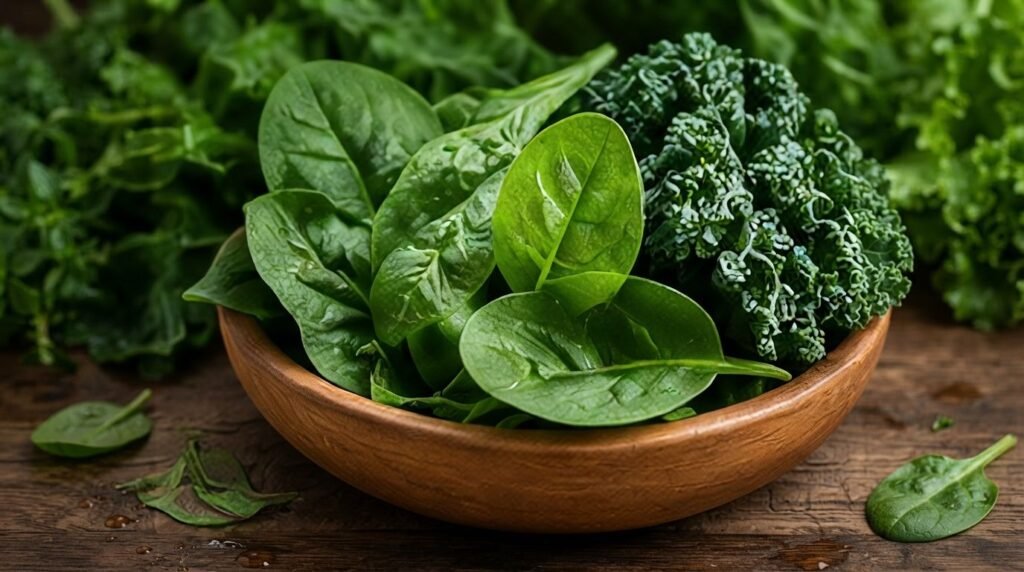
Spinach, kale, and other dark leafy greens contain folate, vitamin C, vitamin K, carotenoids, and other nutrients that contribute to a healthy diet.
For an easy option, add spinach to eggs, soups, sandwiches, or curries. Lightly cooking vegetables can also make them easier to incorporate into regular meals.
Garlic
Garlic contains sulfur-containing compounds that have attracted considerable interest in nutrition research. It also adds plenty of flavor without requiring heavy sauces or excess salt.
Use fresh garlic in soups, vegetables, sauces, stir-fries, and homemade meals. It is a simple way to make nutritious food more enjoyable.

Yogurt and Fermented Foods
Yogurt with live cultures can provide beneficial microorganisms while also supplying protein and calcium. A healthy gut is closely connected with overall immune function.
Choose plain or low-sugar yogurt and pair it with fruit, oats, or nuts. Other fermented foods can also be part of a varied diet.

Nuts and Seeds
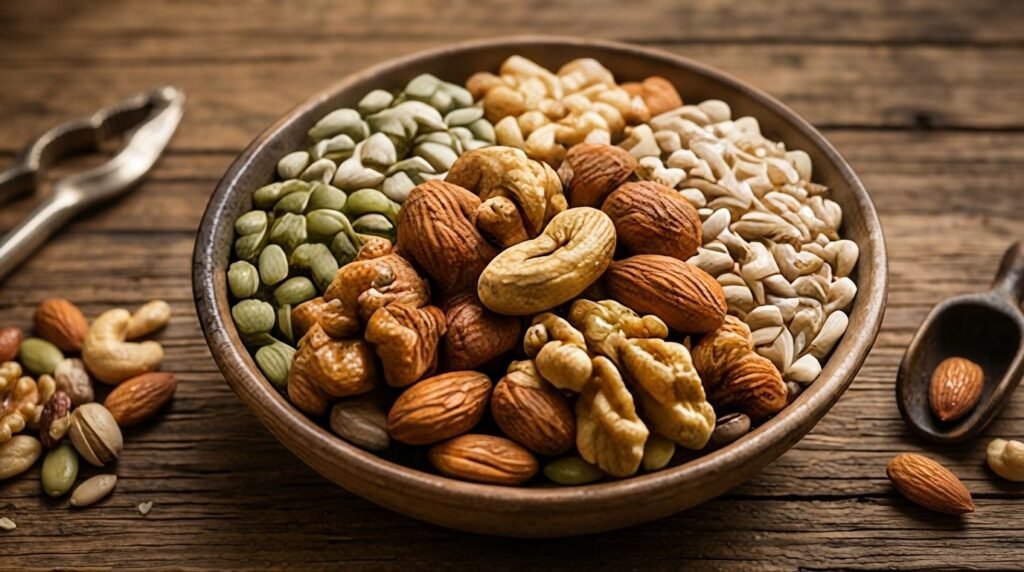
Almonds, sunflower seeds, pumpkin seeds, walnuts, and similar foods provide healthy fats, protein, vitamin E, magnesium, and other nutrients.
Because nuts and seeds are calorie-dense, a small handful can be enough for a snack. Sprinkle them over oatmeal, salads, or yogurt for extra nutrition.
Fatty Fish
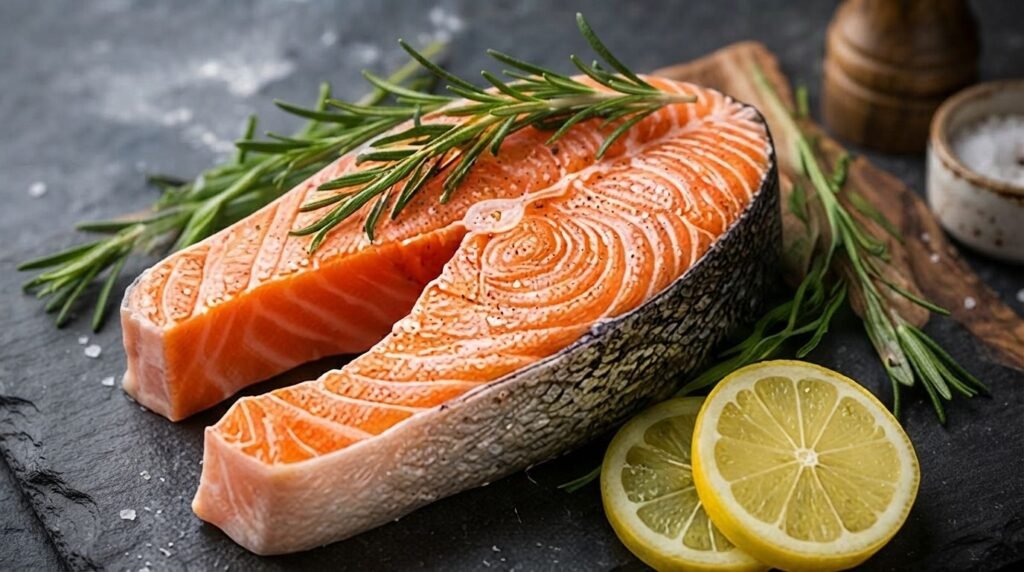
Salmon, sardines, trout, and other oily fish are excellent sources of protein and omega-3 fatty acids. They also provide nutrients such as vitamin D and selenium.
Aim to include seafood regularly if it fits your diet. Baked or grilled fish with vegetables makes a simple, balanced meal.
Eggs
Eggs are an affordable source of high-quality protein and contain several vitamins and minerals. Protein is important for maintaining and repairing body tissues, including components involved in immune function.
Enjoy eggs boiled, scrambled, poached, or added to a vegetable-rich breakfast.

Ginger
Ginger is widely used in traditional cooking and contains naturally occurring plant compounds with antioxidant properties. It can also add warmth and flavor to meals and drinks.
Try fresh ginger in soups, stir-fries, homemade dressings, or unsweetened ginger tea.

Colorful Vegetables
Carrots, bell peppers, tomatoes, sweet potatoes, and broccoli bring different vitamins, minerals, fiber, and antioxidant compounds to your diet. Eating a variety of colors is an easy way to diversify your nutrient intake.
Instead of focusing on one “superfood,” build meals around several vegetables. A colorful plate is often a sign of a more varied diet.

Conclusion
The best foods to boost your immune system are not exotic or complicated. Citrus fruits, berries, leafy greens, garlic, yogurt, nuts, fish, eggs, ginger, and colorful vegetables can all contribute valuable nutrients to a balanced eating pattern. The key is variety and consistency rather than depending on one particular food.
At Read Hub, we believe healthy habits should be practical enough to fit into everyday life. Combine nutritious foods with adequate sleep, regular physical activity, hydration, and good hygiene for a well-rounded approach to wellness.
If you have any questions or concerns regarding this topic, feel free to contact us through our Contact Us page or reach out via the WhatsApp button available on Read Hub. We’re always happy to help!
FAQ
What foods are best for supporting the immune system?
Fruits, vegetables, yogurt, nuts, seeds, eggs, seafood, and other nutrient-rich foods can support normal immune function as part of a balanced diet.
Does vitamin C boost immunity?
Vitamin C is essential for normal immune function. Citrus fruits, berries, peppers, and several vegetables are good dietary sources.
Can yogurt support immune health?
Yogurt containing live cultures can contribute to gut health, while its protein and nutrients make it a useful part of a balanced diet.
Is garlic good for the immune system?
Garlic contains bioactive compounds and can be included as part of a nutritious eating pattern, although it should not be considered a cure or replacement for medical treatment.
Can food prevent infections?
No single food can guarantee protection from infections. A balanced diet supports overall nutrition and normal immune function, while vaccination, hygiene, sleep, and other healthy habits also matter.