

Traveling the world doesn’t have to mean spending a fortune. With smarter planning, flexible dates, affordable accommodation, and careful spending, you can experience more places without constantly worrying about your wallet. In 2026, travelers have plenty of tools for comparing flights, finding budget stays, planning public transportation, and discovering affordable destinations. The key is knowing where your money matters most and avoiding unnecessary expenses. In this guide, Read Hub shares practical ways to travel the world on a budget while still enjoying memorable experiences.

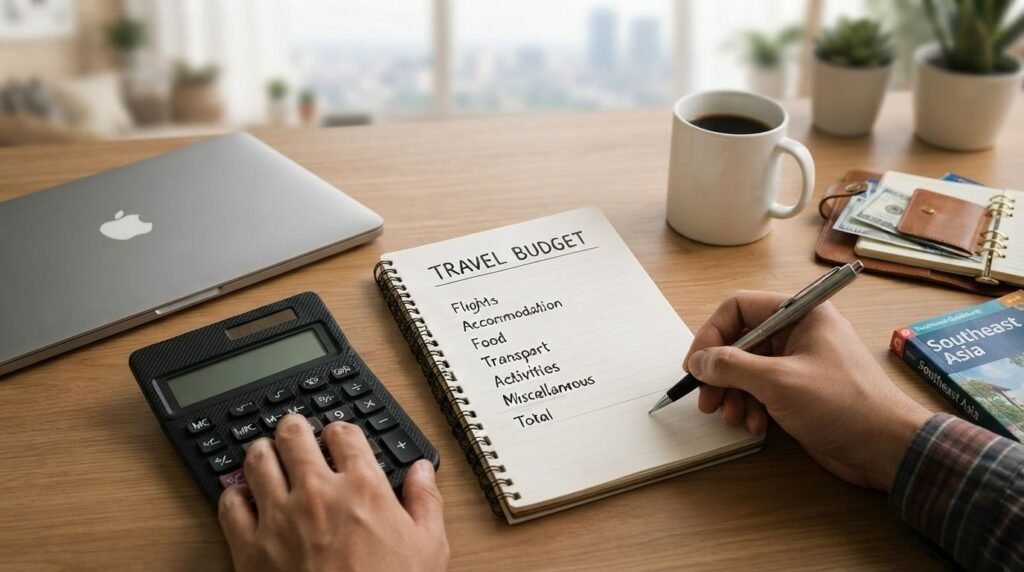
1. Set a Realistic Travel Budget
Before booking anything, decide how much you can comfortably spend on the entire trip and divide that amount into flights, accommodation, food, transportation, activities, and unexpected expenses. Research typical daily costs for each destination and leave some extra room for surprises. A realistic budget gives you more control and helps prevent overspending once you’re on the road.
2. Choose Affordable Destinations
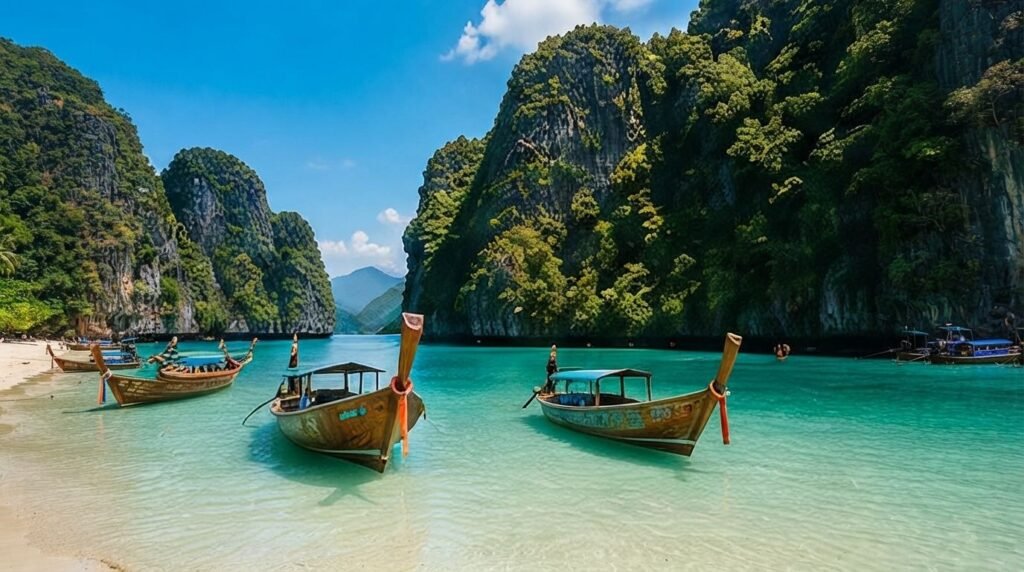
Your destination can make a huge difference to your overall travel cost. Instead of focusing only on famous tourist cities, consider less expensive countries, smaller towns, or destinations where accommodation, food, and transportation cost less. Comparing several destinations before booking can help you find a place that offers a better experience for your available budget.
3. Be Flexible With Flights
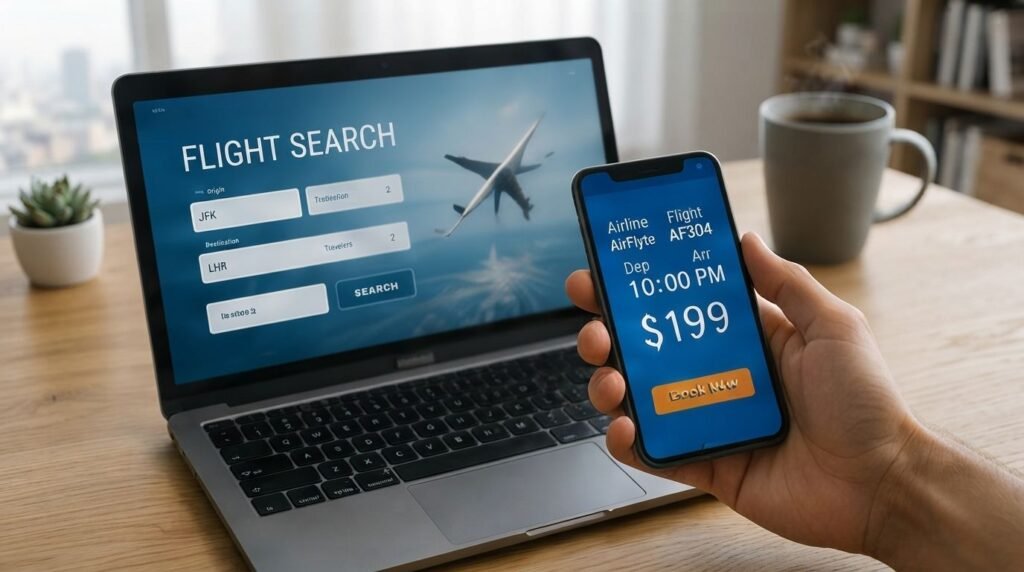
Airfare can be one of the biggest parts of an international travel budget, so flexibility can save you money. Compare different departure dates, nearby airports, and alternative routes instead of immediately booking the first convenient flight. Setting fare alerts and booking after comparing several options can also help you find better prices.
4. Save on Accommodation
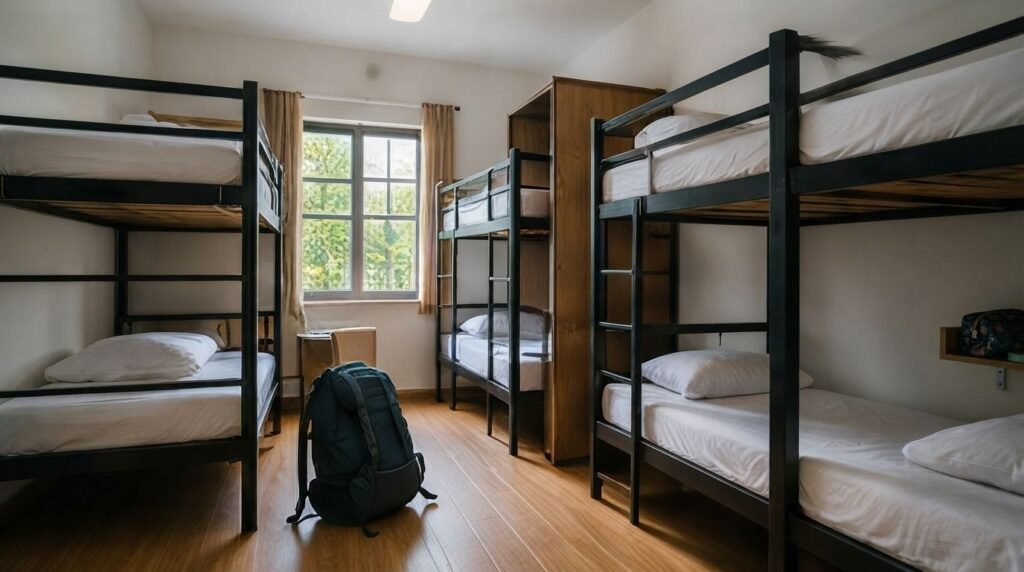
You don’t always need an expensive hotel to have a comfortable trip. Hostels, guesthouses, budget hotels, vacation rentals, and other affordable options can significantly reduce accommodation costs. Compare the total price rather than just the nightly rate, because taxes, cleaning charges, transportation from the property, and other fees can change the final cost.
5. Use Affordable Transportation
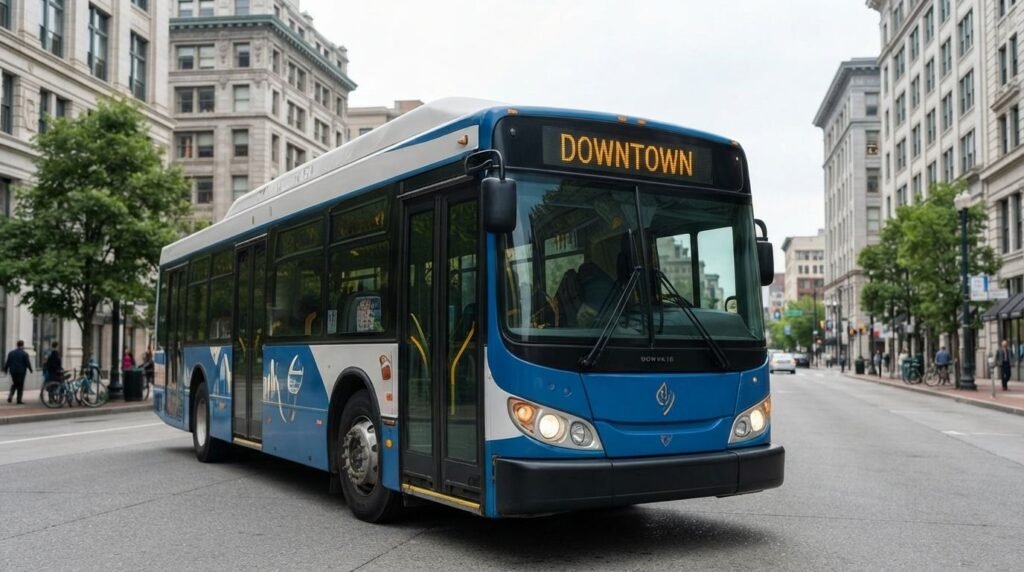
Once you arrive, public transportation is often cheaper than relying on taxis or private transfers for every journey. Buses, trains, metro systems, and walking can help reduce daily expenses while giving you a closer look at local life. For longer trips, compare the cost of buses, trains, and budget flights before choosing how to travel between destinations.
6. Eat Like a Local
Food can quietly become one of the biggest travel expenses, especially when eating at tourist-focused restaurants every day. Try local markets, small restaurants, bakeries, and reasonably priced neighborhood food spots instead. If your accommodation includes a kitchen or breakfast facilities, preparing some simple meals can reduce costs even further.

7. Travel During the Off-Season
Traveling outside the busiest tourist periods can often mean lower prices and fewer crowds. Flights, accommodation, and attractions may be more affordable during shoulder or off-season periods, although weather and local conditions should always be checked before booking. Choosing the right travel dates can sometimes save more money than cutting small expenses during the trip.

8. Plan Activities Carefully
You don’t need to pay for every attraction to enjoy a destination. Research free walking tours, public parks, museums with free-entry periods, local festivals, viewpoints, beaches, and other low-cost experiences. Pick a few paid activities that genuinely interest you instead of filling every day with expensive tours and attractions.
9. Avoid Unnecessary Travel Fees
Small fees can quickly add up when you’re traveling internationally. Check baggage rules before booking flights, understand cancellation policies, compare currency-exchange options, and avoid unnecessary booking charges. Planning these details in advance can help protect your travel budget from expenses that provide little value.
10. Keep an Emergency Fund
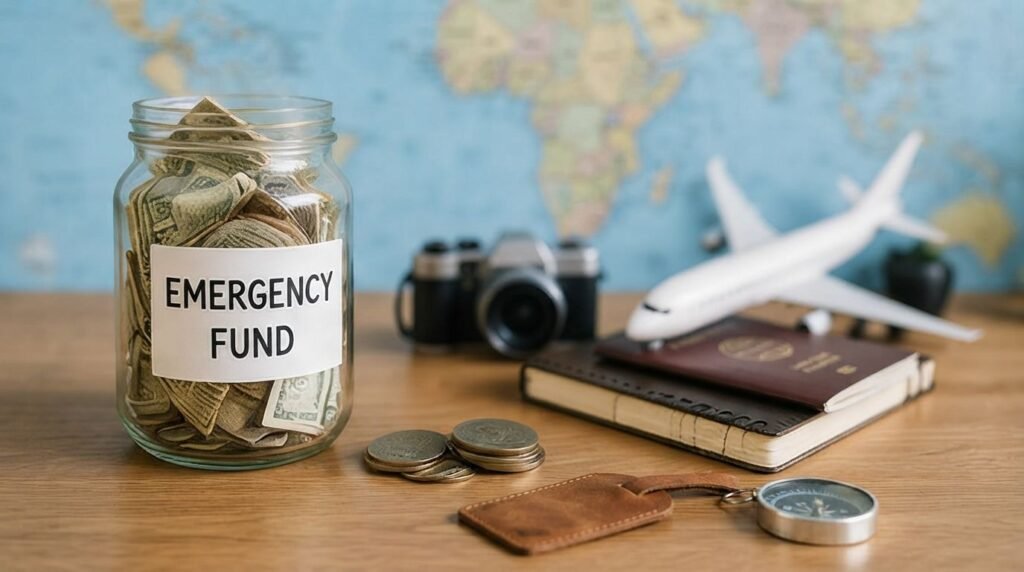
Even the best travel plan can encounter unexpected costs, such as transportation changes, lost belongings, medical needs, or an unplanned extra night. Keep a separate emergency fund that isn’t included in your normal daily spending budget. You don’t need to spend it, but having money available for unexpected situations can make your trip much less stressful.
Conclusion
Learning how to travel the world on a budget is mostly about making smarter choices rather than removing all the fun from your trip. Choose affordable destinations, compare flights, stay somewhere practical, use local transportation, eat locally, and plan your spending before you leave. Most importantly, leave room for unexpected expenses so a small surprise doesn’t derail your entire journey. With thoughtful planning, you can explore more of the world while keeping your finances under control. For more practical travel advice, keep exploring Read Hub.
If you have any questions or concerns regarding this topic, feel free to contact us through our Contact Us page or reach out via the WhatsApp button available on Read Hub. We’re always happy to help!
FAQ
Can you really travel the world on a budget?
Yes. Budget travel is possible when you carefully manage major expenses such as flights, accommodation, transportation, and food. Your destination and travel dates can make a significant difference.
What is the cheapest way to travel internationally?
There isn’t one cheapest option for every trip. Comparing flights, buses, trains, budget accommodation, and alternative destinations can help you find the most affordable combination.
How can I save money on flights?
Compare multiple dates and airports, look for alternative routes, and use fare alerts. Being flexible with your travel schedule can make it easier to find lower fares.
Is it cheaper to stay in hostels?
Hostels can be an affordable choice, particularly for solo travelers, but prices vary by destination and property. Always compare the complete cost with hotels and guesthouses before booking.
How much money should I take for an international trip?
It depends on your destination, trip length, accommodation, activities, and personal spending habits. Create a daily budget and keep additional money separately for emergencies.