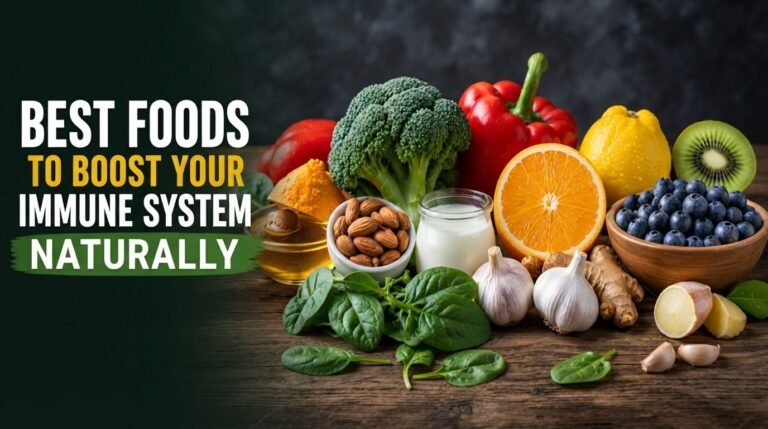

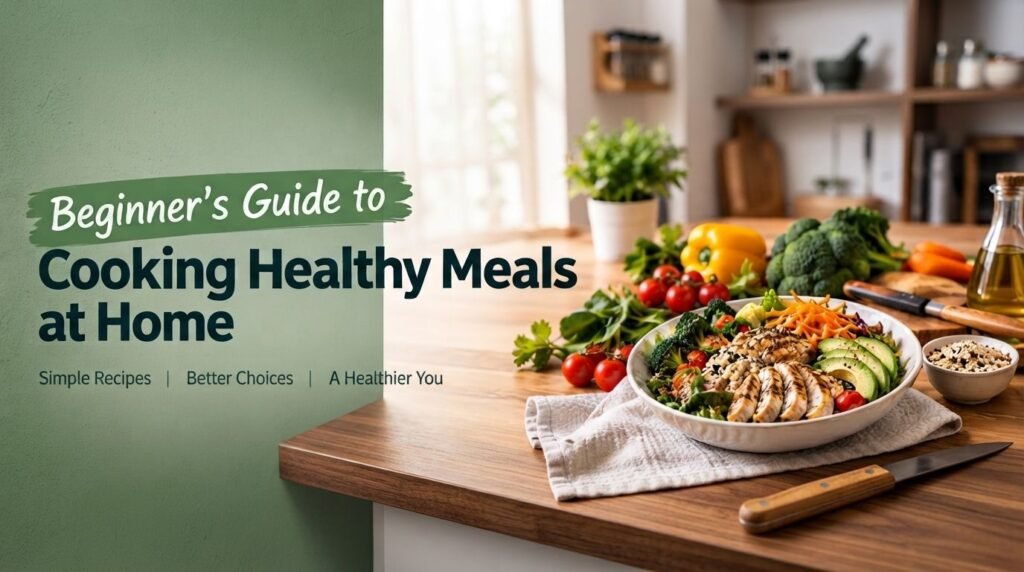
Cooking healthy meals at home doesn’t have to mean following complicated recipes or spending hours in the kitchen. With a few basic ingredients, simple cooking methods, and some planning, beginners can prepare nutritious meals that are both satisfying and easy to manage. Home cooking also gives you more control over the ingredients, portions, and flavors in your food. Whether you’re preparing your first homemade meal or simply want to make your everyday cooking healthier, this guide will help you build practical habits that can make healthy eating at home simpler and more enjoyable.
1. Start With Basic Ingredients
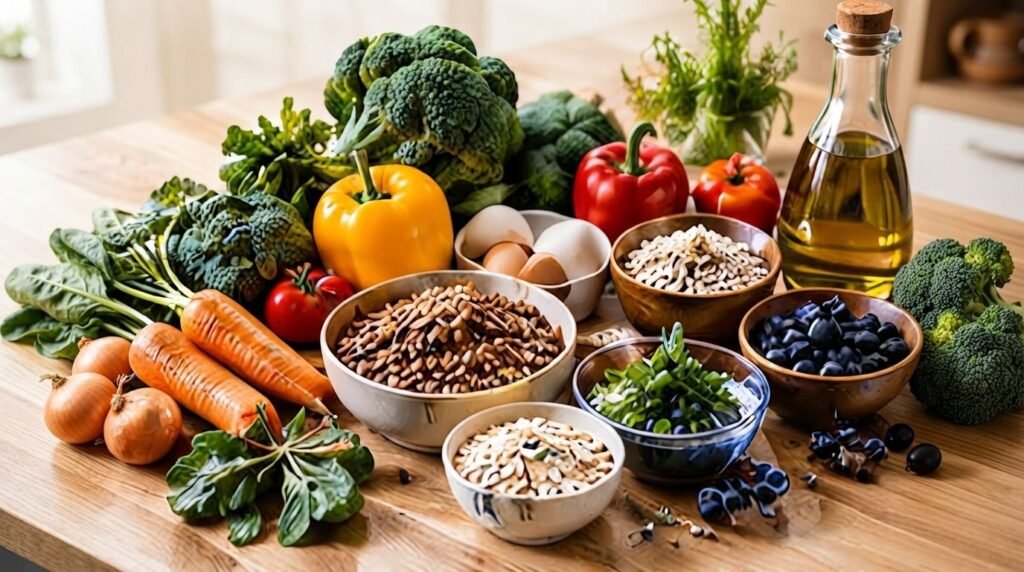
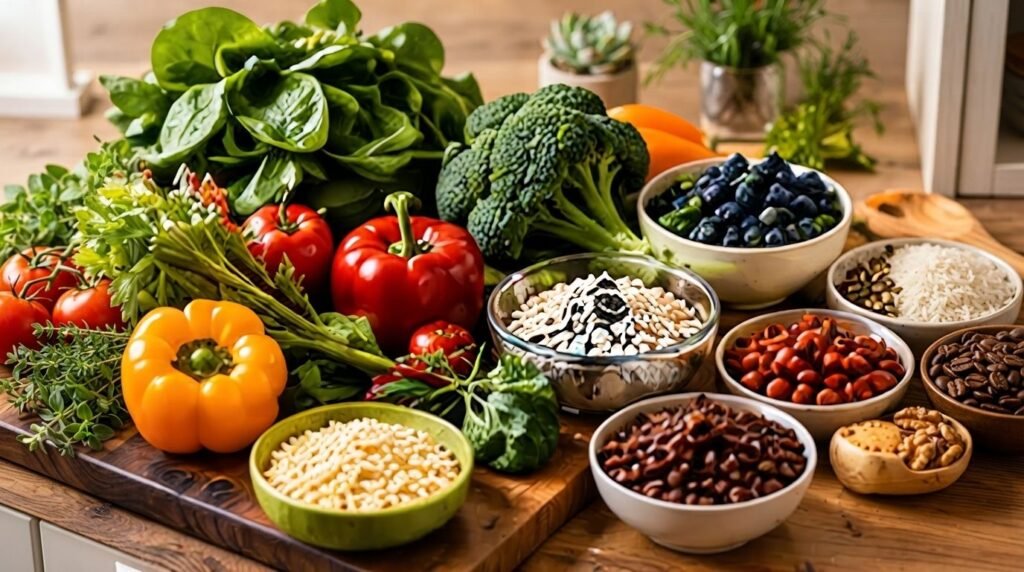
A well-stocked kitchen makes healthy cooking much easier, especially when you’re just starting out. Keep useful ingredients such as vegetables, fruits, whole grains, beans, eggs, lean protein sources, herbs, spices, and healthy cooking oils available. You don’t need to buy everything at once; start with ingredients you already enjoy and learn how to combine them in different meals. Having basic ingredients ready also reduces the temptation to rely on highly processed convenience foods when you’re short on time.
2. Build Balanced Meals
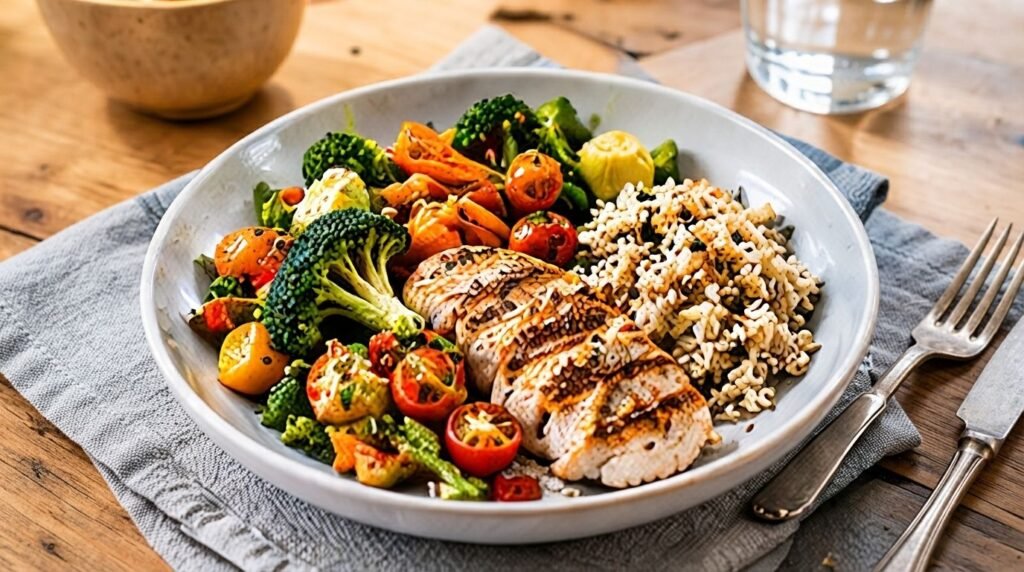
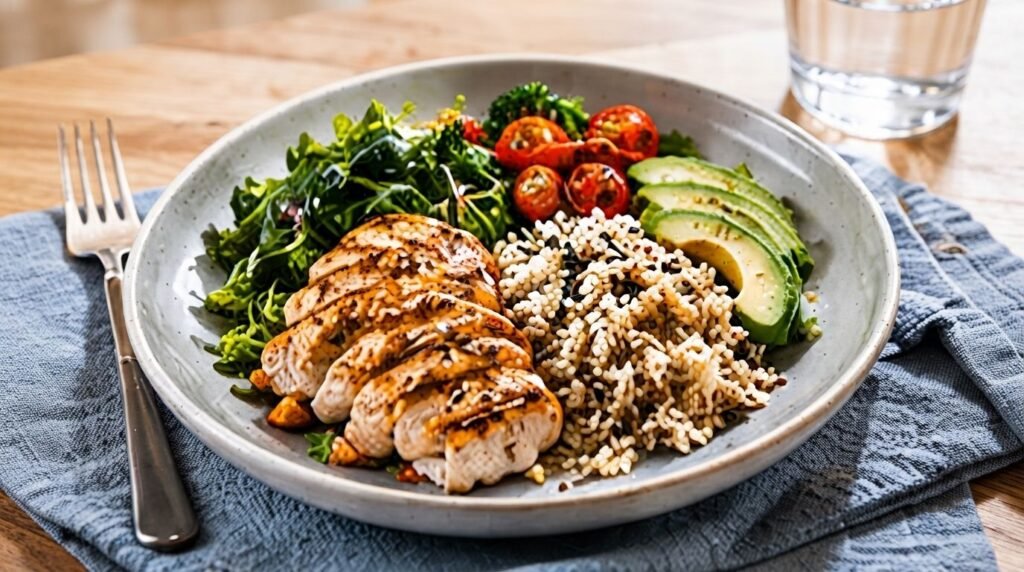
A balanced meal should include a useful combination of protein, carbohydrates, vegetables or fruit, and a source of healthy fats. For example, grilled chicken with brown rice and vegetables can create a simple and filling meal, while beans with whole-grain bread and a vegetable salad provide another easy option. Thinking about balance rather than strict food rules makes healthy eating more practical and sustainable for beginners.
3. Choose Healthier Cooking Methods
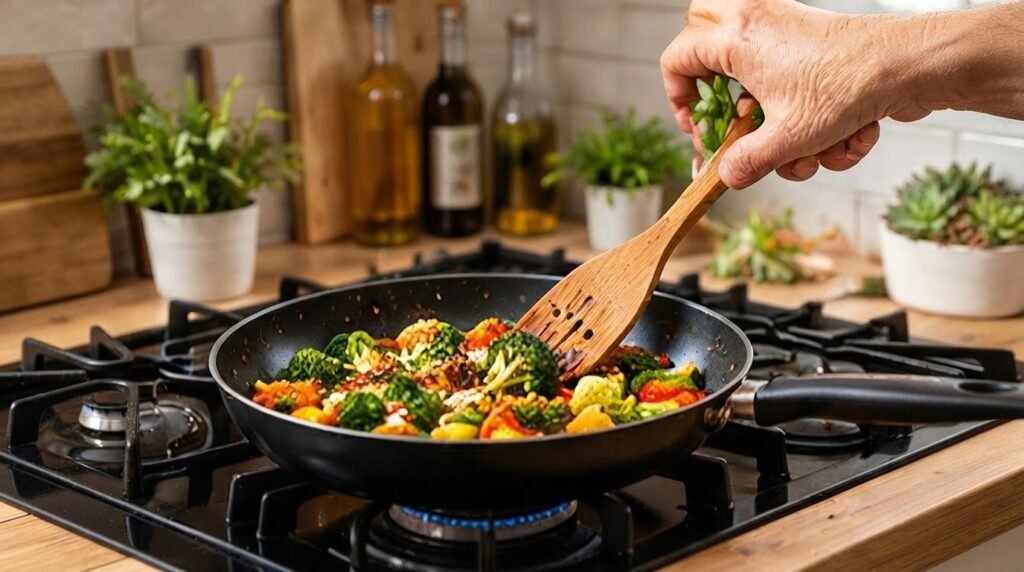
The way you prepare food can influence the overall nutritional quality of a meal. Baking, grilling, steaming, roasting, and sautéing with a reasonable amount of oil are simple alternatives to heavily frying foods. You don’t have to completely change your favorite recipes either; try adjusting the cooking method gradually and use herbs, spices, garlic, lemon, or other naturl flavorings to make meals enjoyable without depending heavily on added salt or rich sauces.
4. Plan Your Meals
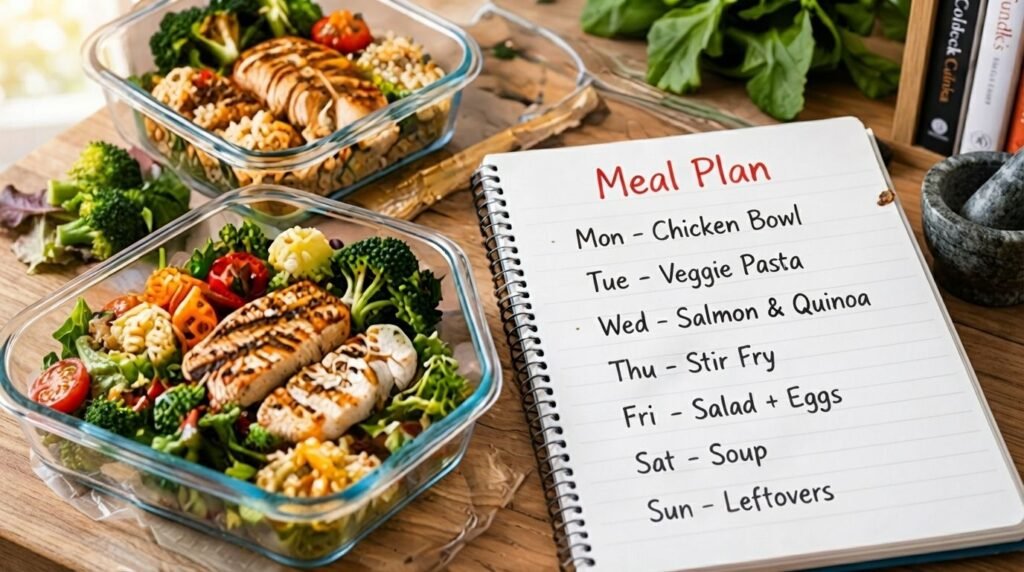
Meal planning can save both time and money while making healthy eating easier to maintain. Before shopping, decide what you would realistically like to cook during the week and make a simple grocery list based on those meals. You can also prepare certain ingredients in advance, such as washing vegetables, cooking grains, or preparing a basic protein source. A little preparation means you’ll have fewer decisions to make when you’re hungry and busy.
5. Control Portions
Healthy ingredients can still contribute to an unbalanced meal when portions become unnecessarily large. Instead of trying to measure every bite, start by paying attention to how much food you normally serve and use a balanced plate as a simple guide. Eating slowly can also help you notice when you’re comfortably satisfied. The goal isn’t to make meals restrictive; it’s to develop a practical understanding of portions that works with your normal routine.
6. Add More Vegetables and Whole Foods
One of the easiest ways to improve homemade meals is to include more vegetables, fruits, whole grains, beans, and other minimally processed foods. Add vegetables to omelets, soups, rice dishes, pasta, wraps, or sandwiches rather than treating them as a separate chore. Whole foods can provide important nutrients and variety while also making everyday meals more colorful and satisfying.
7. Make Healthy Cooking Convenient
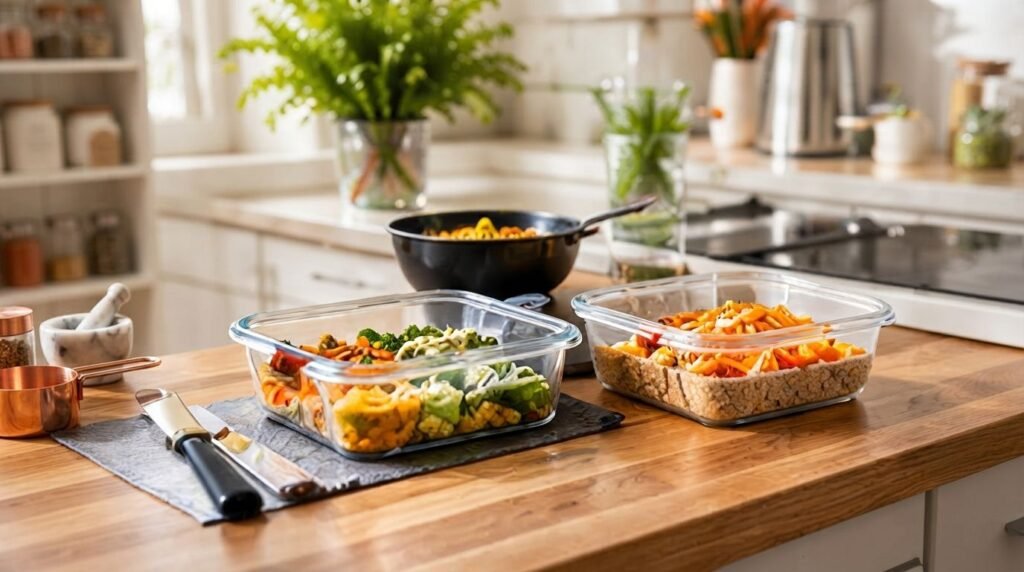
Healthy cooking becomes easier when your kitchen is organized around the way you actually live. Keep frequently used ingredients visible and store prepared foods safely so they’re easy to reach when needed. Simple options such as overnight oats, vegetable sandwiches, homemade soups, rice bowls, and egg-based meals can be prepared without complicated techniques. The more convenient healthy choices become, the easier it is to make them part of your regular routine.
8. Keep Your Recipes Simple
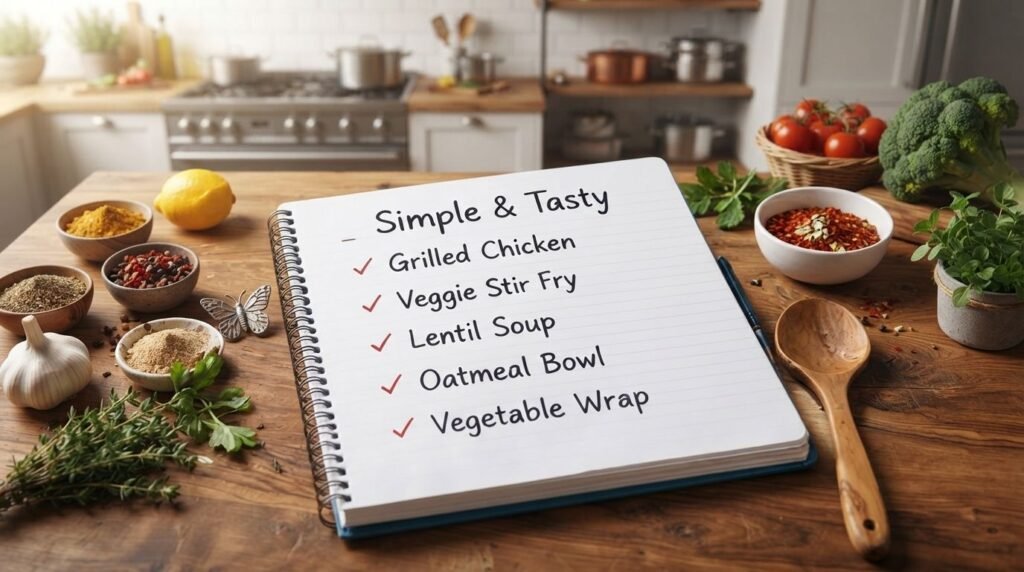
Beginners often make cooking harder than it needs to be by starting with recipes that require too many ingredients or complicated techniques. Choose a few reliable meals and learn how to prepare them well before experimenting with more advanced dishes. Once you’re comfortable with basic cooking skills, you can change seasonings, ingredients, and cooking methods to create variety. At Read Hub, we believe practical habits are often more valuable than complicated routines, especially when you’re building a healthier approach to home cooking.
Conclusion
Learning to prepare healthy meals at home is less about following a perfect diet and more about developing simple, consistent cooking habits. Start with basic ingredients, create balanced meals, use sensible cooking methods, plan ahead, and keep your recipes manageable. As your confidence grows, you can experiment with new ingredients and flavors while continuing to make nutritious choices. With a little preparation and practice, home cooking can become an enjoyable part of your everyday routine.
If you have any questions or concerns regarding this topic, feel free to contact us through our Contact Us page or reach out via the WhatsApp button available on Read Hub. We’re always happy to help!
FAQ
What is the easiest healthy meal to cook for beginners?
Simple meals such as vegetable omelets, grilled chicken with vegetables, rice bowls, soups, and whole-grain sandwiches are good starting points because they require basic ingredients and straightforward cooking methods.
How can beginners start cooking healthier meals?
Begin with familiar ingredients and focus on balanced meals that include vegetables, protein, whole grains, and appropriate sources of healthy fats. Gradually replace heavily processed ingredients with simpler alternatives.
Is cooking at home healthier than eating out?
Cooking at home can make it easier to control ingredients, cooking methods, portions, and added salt or sauces. However, the nutritional quality ultimately depends on the foods and methods you choose.
What cooking methods are best for healthy meals?
Baking, steaming, roasting, grilling, and light sautéing are practical cooking methods that can help you prepare flavorful meals without relying heavily on deep frying.
How can I make healthy cooking easier?
Plan meals ahead, keep basic ingredients available, prepare some ingredients in advance, and maintain a collection of simple recipes that fit your schedule.