
What if retirement didn’t have to wait until your 60s? How to retire early is a question more people are asking as they look for greater control over their time and finances. The FIRE movement—short for Financial Independence, Retire Early—is built around a simple idea: spend intentionally, save aggressively, invest consistently, and reach a point where your investments can support your lifestyle. It isn’t about becoming wealthy overnight or giving up everything you enjoy. Instead, it’s about creating enough financial freedom that work becomes a choice rather than a necessity.

What Is FIRE?
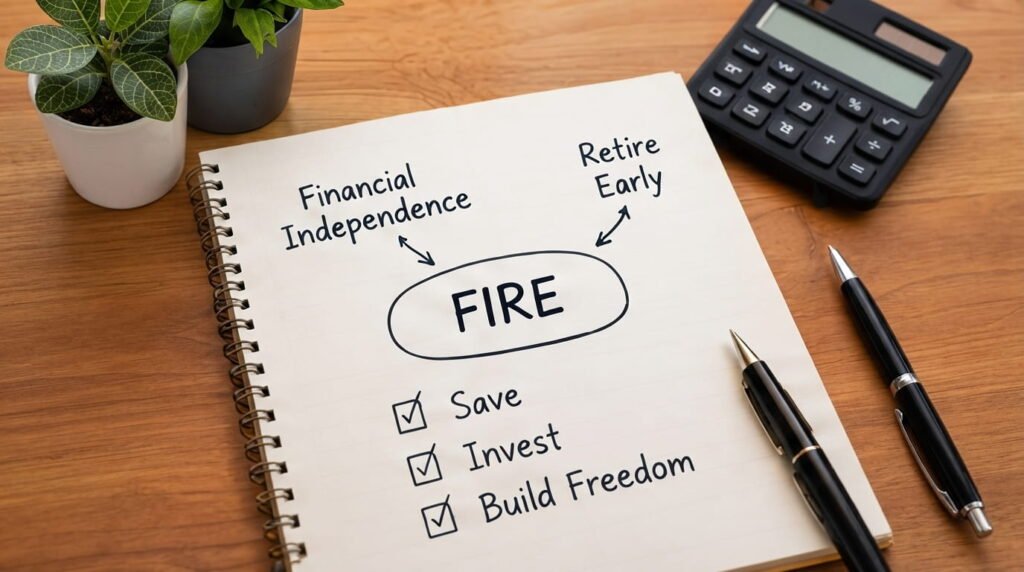
FIRE stands for Financial Independence, Retire Early. The goal is to accumulate enough assets and investments that you no longer need a traditional paycheck to cover your living expenses. FIRE usually combines a high savings rate, controlled spending, long-term investing, and careful financial planning. The important part is that FIRE doesn’t necessarily mean never working again. Some people use financial independence to change careers, work part-time, start a business, or simply have more freedom over how they spend their time.
Calculate Your Financial Independence Number
Before trying to retire early, determine how much money you actually need. Start by calculating your annual living expenses, including housing, food, transportation, insurance, healthcare, entertainment, taxes, and unexpected costs. A commonly discussed starting point is the 4% rule, which suggests withdrawing about 4% of an initial portfolio in the first year and adjusting for inflation afterward. However, early retirees may need their money to last far longer than 30 years, so the 4% rule should be treated as a planning reference rather than a guarantee.
For a simple illustration, if your expected annual expenses are $40,000, multiplying that amount by 25 gives a rough target of $1 million. Your actual target could be higher or lower depending on taxes, inflation, investment returns, healthcare costs, and how flexible your spending can be.

Build a Realistic Budget
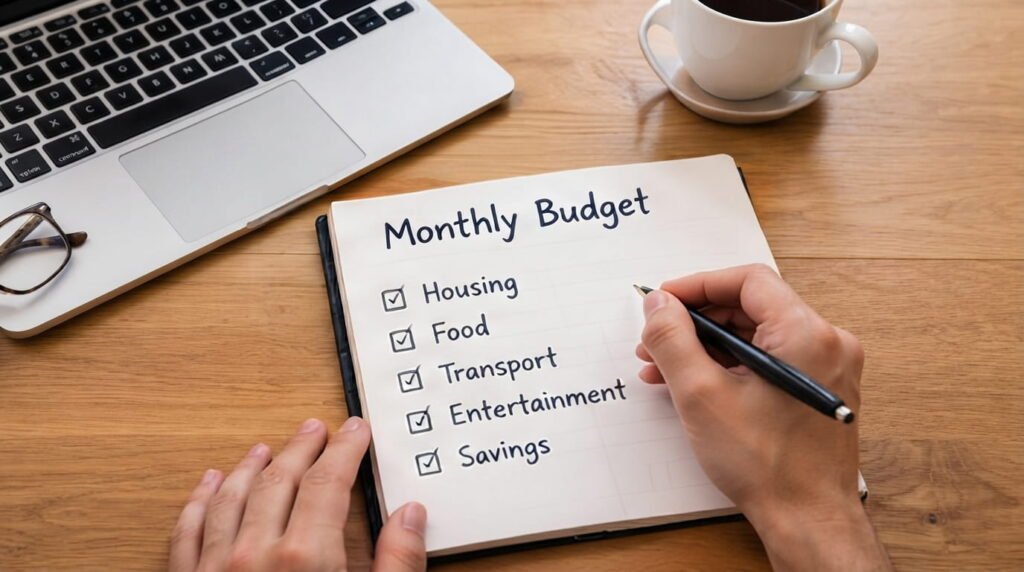
You can’t reach financial independence without knowing where your money goes. Track your income and expenses for at least a few months and separate essential costs from discretionary spending. Look for the expenses that have the biggest impact rather than obsessing over every small purchase. Housing, transportation, debt payments, and recurring subscriptions can make a much larger difference than skipping an occasional coffee. A good FIRE budget should still leave room for enjoyment, because a plan you hate following is unlikely to last.
Increase Your Savings Rate
Your FIRE savings rate is one of the most important numbers to monitor. Instead of automatically increasing your lifestyle whenever your income rises, direct part of each raise, bonus, or additional income toward savings and investments. If you’re currently saving 10%, don’t assume you have to jump immediately to 50%. Increasing the percentage gradually can make the process much more manageable. The earlier you invest, the more time your money has to benefit from compounding.

Eliminate High-Interest Debt
High-interest debt can slow down financial independence because interest keeps working against you. Credit-card balances and other expensive debt deserve particular attention before you aggressively invest for long-term goals. Create a debt payoff plan, avoid adding unnecessary balances, and direct extra cash toward high-interest obligations. Investor.gov also highlights controlling high-interest credit-card debt as an important part of building wealth over time.

Build an Emergency Fund
Early retirement planning shouldn’t mean investing every available dollar. An emergency fund gives you a financial cushion when life doesn’t go according to plan—such as losing a job, facing a major repair, or dealing with an unexpected expense. Keep this money somewhere relatively accessible rather than relying entirely on investments that could be down when you need cash. The appropriate amount depends on your income, expenses, job stability, and personal circumstances.

Invest Consistently for the Long Term
Saving alone may not be enough to reach an ambitious FIRE goal. Long-term investing allows your money to potentially grow through returns and compounding. Your specific investment choices should reflect your time horizon, risk tolerance, and financial circumstances. Diversification can help spread risk across different investments, although it cannot eliminate investment losses.
For beginners, the priority should be understanding what you’re investing in rather than chasing whatever investment is currently trending. Keep fees in mind, diversify appropriately, and avoid investments that promise unusually high returns with little or no risk.

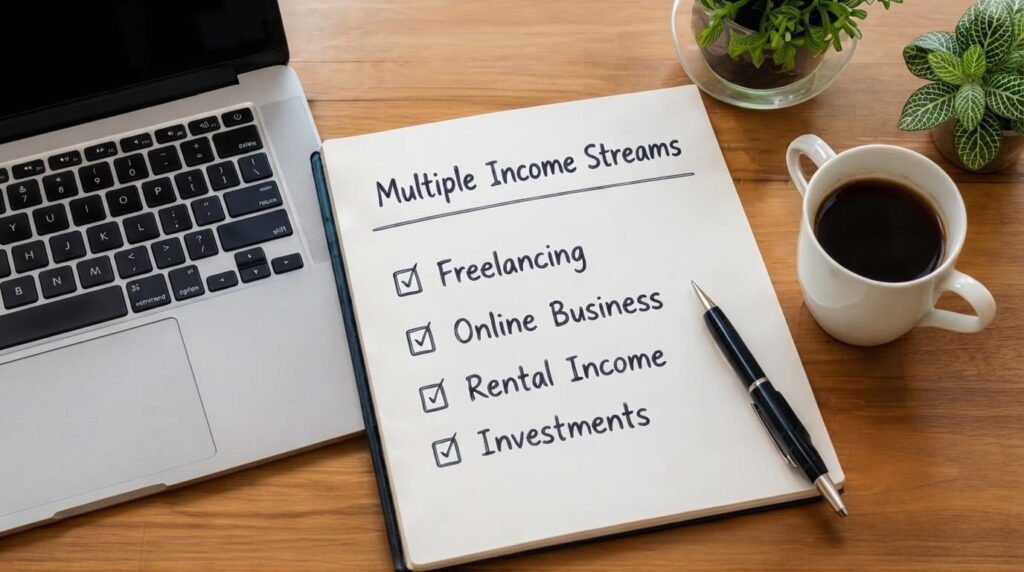
Create More Than One Income Stream
Reducing expenses is only half of the FIRE equation. Increasing income can dramatically improve your ability to save. Consider developing valuable skills, negotiating your salary, freelancing, creating digital products, renting out an asset, or building a small business. You don’t need ten different income streams. Even one reliable additional source of income can give your FIRE plan more breathing room and help you invest more without cutting your lifestyle excessively.
Plan Your Early Retirement Carefully
Reaching your savings target doesn’t automatically mean you’re ready to stop working. Think about what your life will actually look like after leaving your job. Estimate healthcare, housing, travel, family responsibilities, taxes, and other long-term costs. Also consider how you’ll access your investments and manage income during market downturns. For someone retiring decades earlier than traditional retirement age, the plan needs to account for a much longer retirement period.

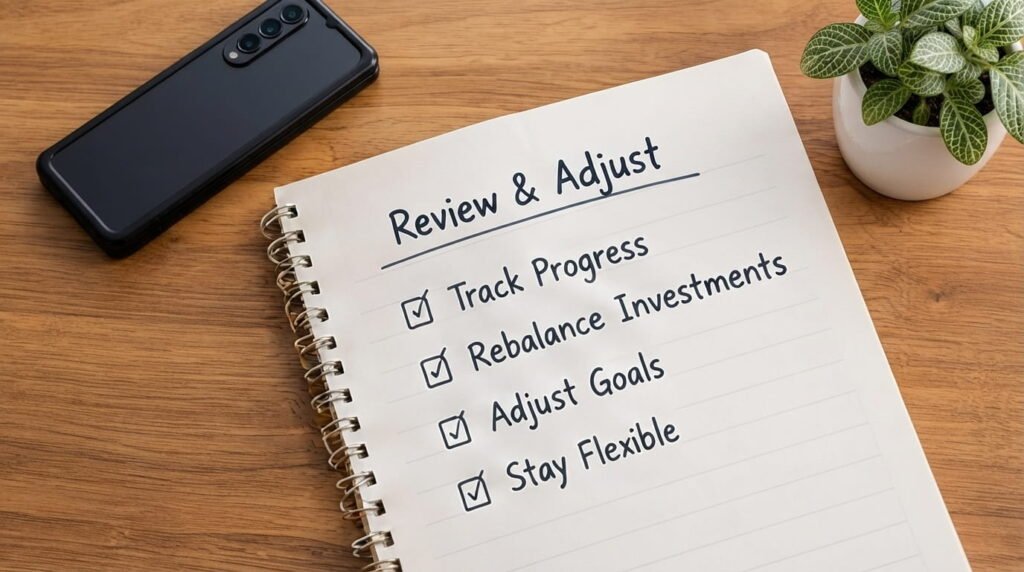
Review and Adjust Your FIRE Plan
FIRE isn’t a one-time calculation. Your income, expenses, investment balance, family situation, and priorities can all change. Review your progress at least once or twice a year and update your assumptions when necessary. If your income increases, consider raising your investment contributions. If expenses rise, revisit your retirement target. Investor.gov provides free tools such as compound-interest and savings-goal calculators that can help you test different scenarios.
Conclusion
Learning how to retire early starts with understanding your numbers and building habits you can maintain for years. FIRE isn’t about following an extreme lifestyle or finding a magical investment. It’s about creating a gap between what you earn and what you spend, investing that difference wisely, and giving compounding time to work.Start small if necessary. Track your expenses, reduce expensive debt, establish an emergency fund, increase your savings rate, and invest consistently. Most importantly, build a financial independence plan that fits your actual life—not someone else’s version of FIRE. At Read Hub, we believe better financial decisions begin with better information. Take your time, keep learning, and adjust your plan as your circumstances change.
If you have any questions or concerns regarding this topic, feel free to contact us through our Contact Us page or reach out via the WhatsApp button available on Read Hub. We’re always happy to help!
FAQ
What does FIRE mean?
FIRE stands for Financial Independence, Retire Early. It is a financial approach focused on saving and investing enough money to gain greater freedom from traditional employment.
How much money do I need to retire early?
There is no universal amount. Your target depends on your annual spending, taxes, healthcare costs, inflation, investment strategy, and expected retirement length. A common starting calculation is annual expenses multiplied by 25, but early retirees should evaluate whether that assumption fits their longer time horizon.
Is early retirement realistic for beginners?
It can be a long-term goal, but the timeline varies greatly. Increasing income, controlling expenses, paying down expensive debt, and investing consistently can improve your progress without requiring an extreme approach.
What is the 4% rule in FIRE?
The 4% rule is a commonly discussed retirement-planning guideline based on withdrawing roughly 4% of an initial portfolio in the first year and adjusting withdrawals for inflation. It is not a guarantee, particularly for very long retirements.
Can I follow FIRE without a high income?
Yes. A higher income can make FIRE easier, but the underlying principles—living within your means, saving consistently, investing appropriately, and increasing income where possible—can be adapted to different financial situations.