
You don’t need to spend thousands of dollars or replace every appliance to turn your house into a smart home. With a few affordable devices and some simple automation, you can make everyday tasks easier, improve home security, and control lights and appliances from your phone. The key is to start with the areas where smart technology will actually make a difference rather than buying gadgets simply because they look impressive. In this guide, Read Hub explains how to build a smart home on a budget, which devices are worth considering first, and how to avoid spending money on features you probably won’t use.
What Makes a Home Smart?
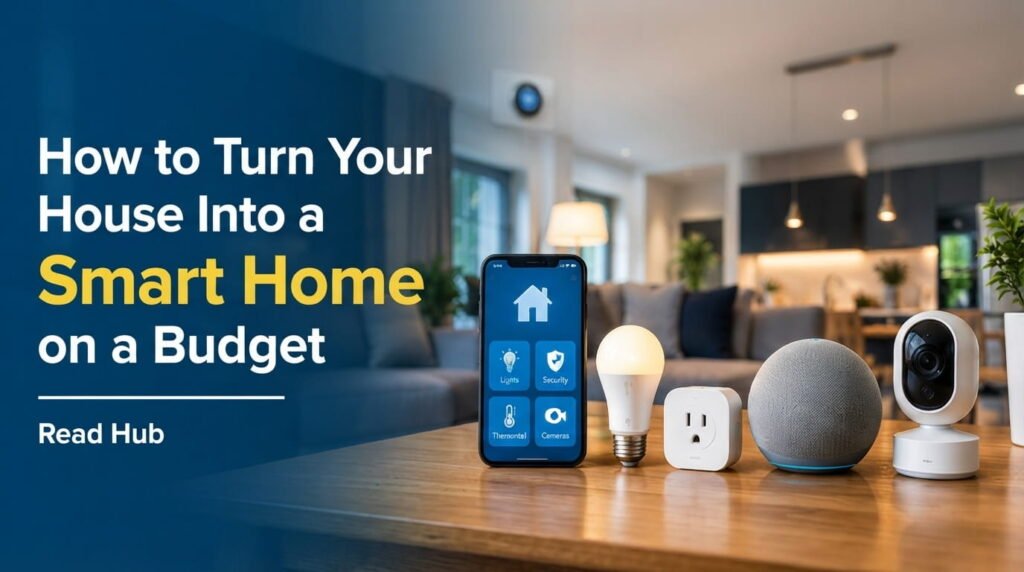
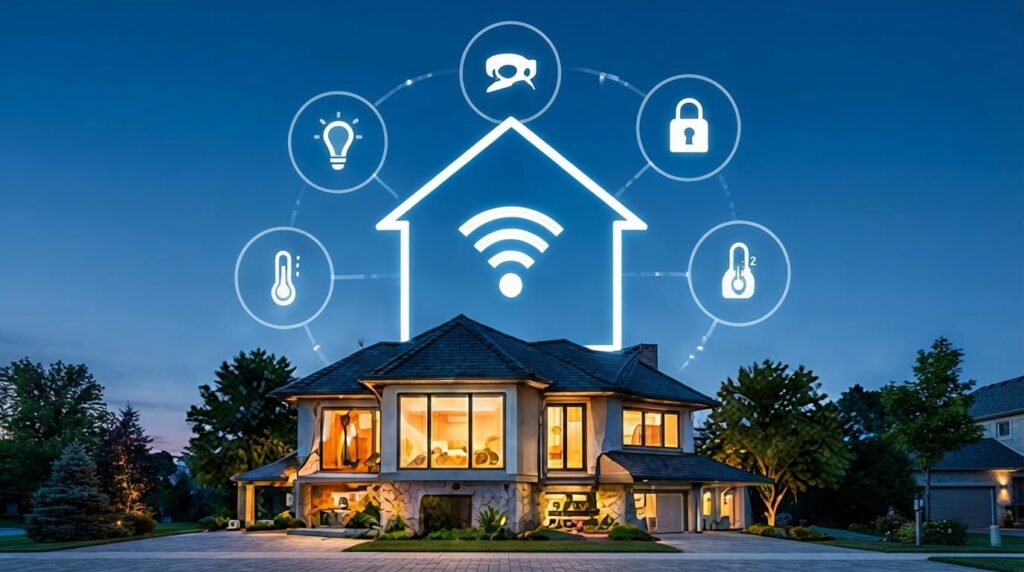
A smart home uses connected devices that can be controlled, monitored, or automated through a smartphone, voice assistant, hub, or compatible platform. You don’t need expensive appliances to get started. A few smart bulbs, plugs, sensors, or other connected devices can already provide useful automation. The goal should be convenience, security, and practical everyday benefits rather than simply owning the latest technology.
Start With Smart Lighting
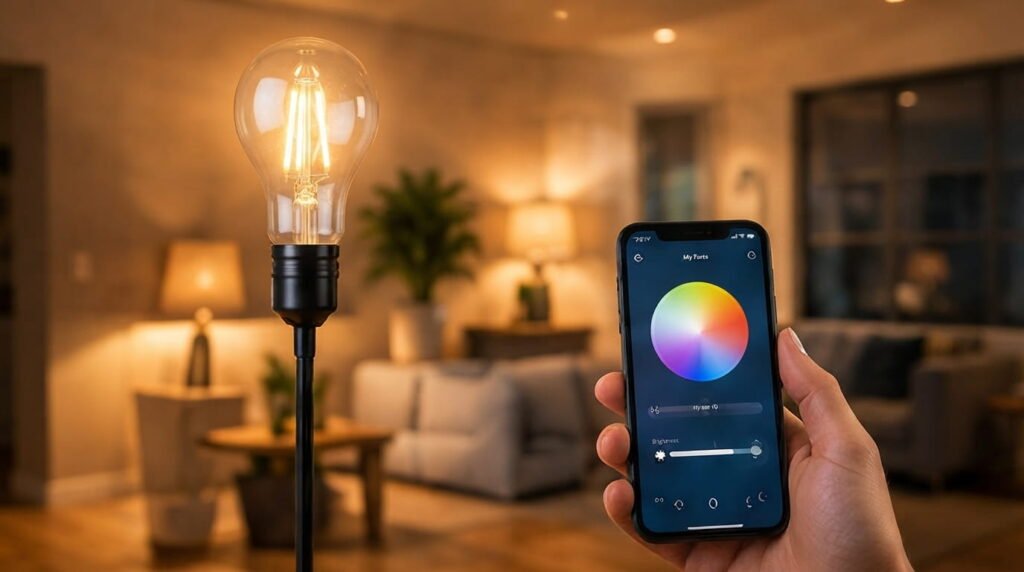
Smart bulbs are one of the easiest and most affordable ways to begin. Instead of replacing every bulb, start with rooms you use frequently, such as the bedroom, living room, or hallway. Depending on the product, you may be able to control brightness, create schedules, or switch lights on and off from your phone. Before buying, check whether the bulbs require a hub or connect directly through a supported wireless technology.
Add Smart Plugs
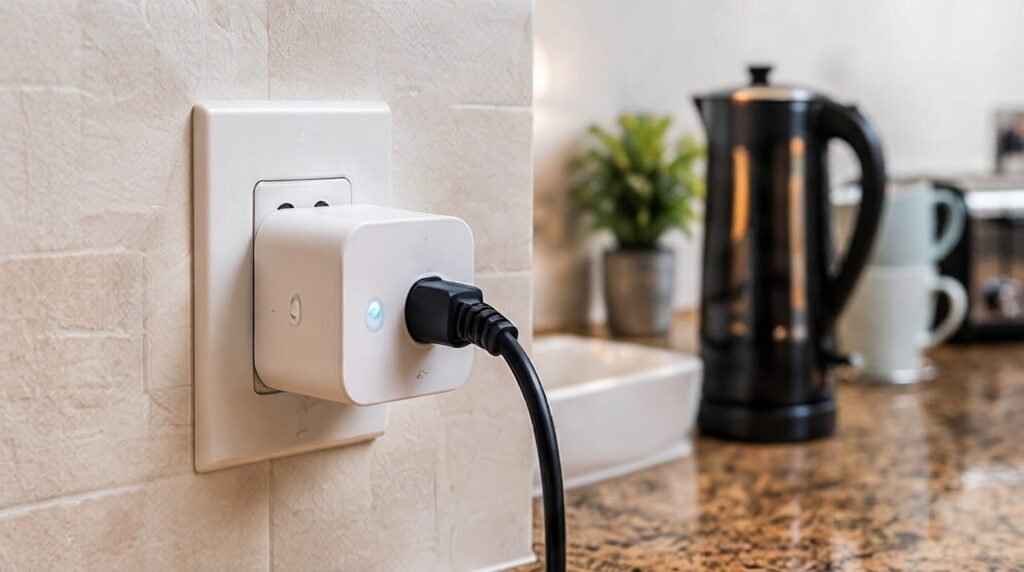
Smart plugs allow you to control certain existing appliances without replacing them with expensive smart versions. They can be useful for lamps, some fans, and other compatible devices that you want to schedule or control remotely. Always check the plug’s electrical rating and the appliance manufacturer’s guidance before using one. Starting with one or two smart plugs can be a simple way to add useful automation while keeping your spending low.
Improve Home Security
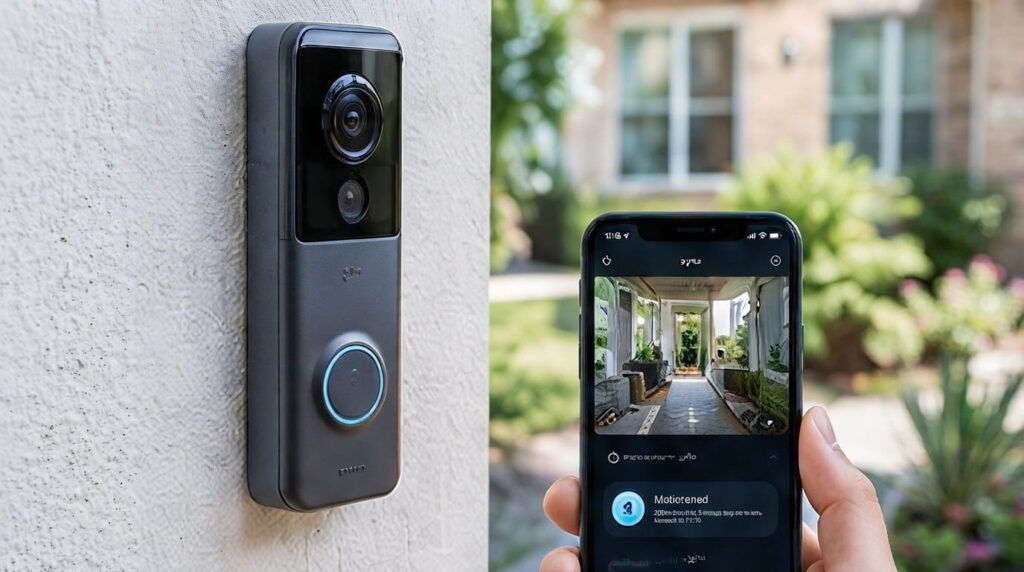
Smart technology can also provide affordable ways to monitor your home. Depending on your needs, options include door sensors, motion sensors, video doorbells, and security cameras. You don’t need to install cameras everywhere; focusing on important entry points may be enough. When choosing security devices, also consider privacy, software updates, strong passwords, and two-factor authentication rather than looking at price alone.
Use Voice Control and Automation
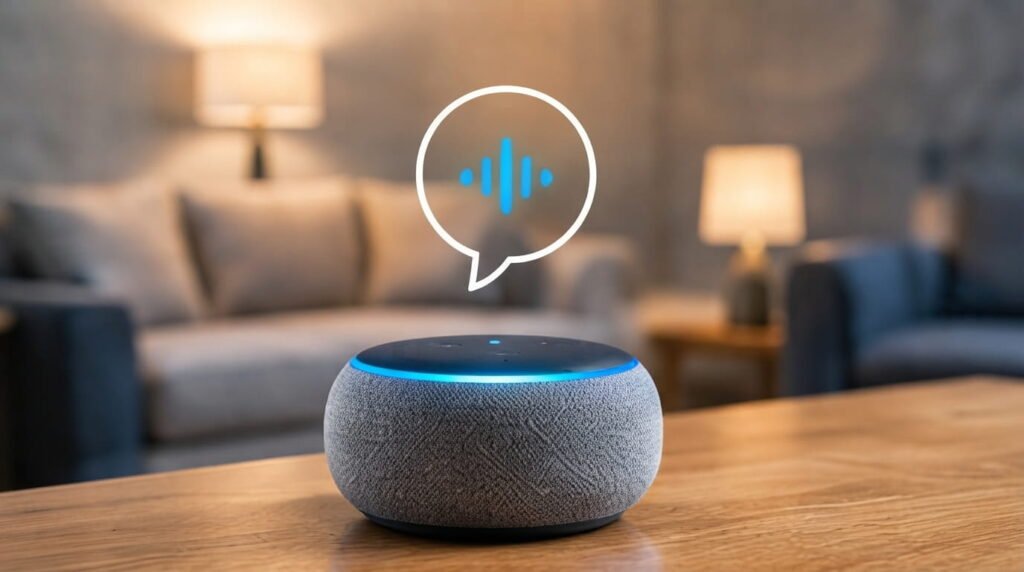
Once you have several compatible devices, automation can make them much more useful. A supported voice assistant can control lights and other devices, while routines can perform several actions together. For example, a bedtime routine could switch off selected lights and perform other compatible actions automatically. Start with simple routines for tasks you already repeat every day rather than trying to automate your entire house at once.
Make Existing Devices Smarter
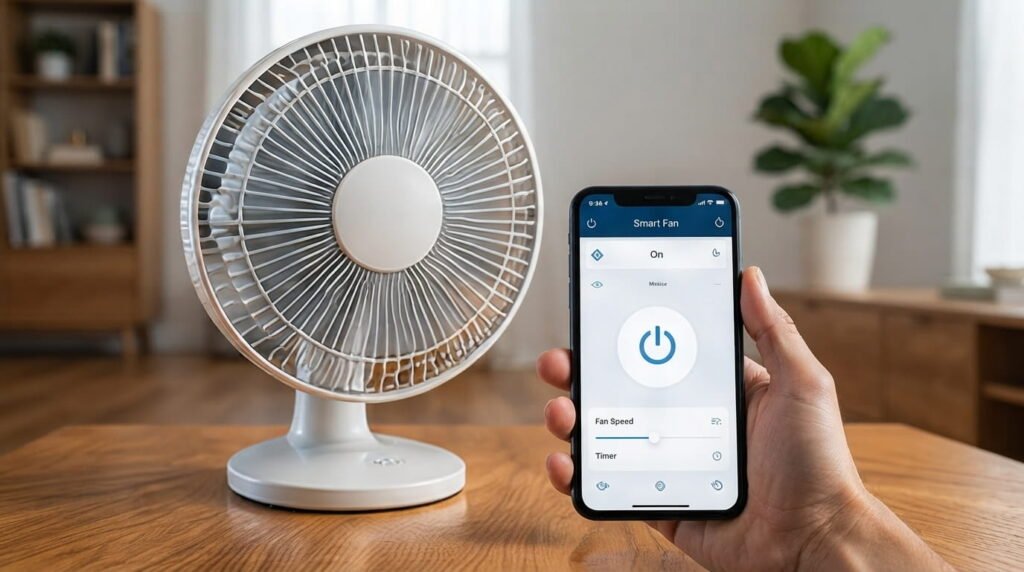
You don’t have to replace your existing appliances to create a smart home. Compatible smart plugs and other accessories can add basic control to some traditional devices. However, check how an appliance behaves after losing power because some devices may require their physical switch to be turned on again. A little compatibility research before buying can prevent you from spending money on a setup that doesn’t work as expected.
Choose Compatible Devices
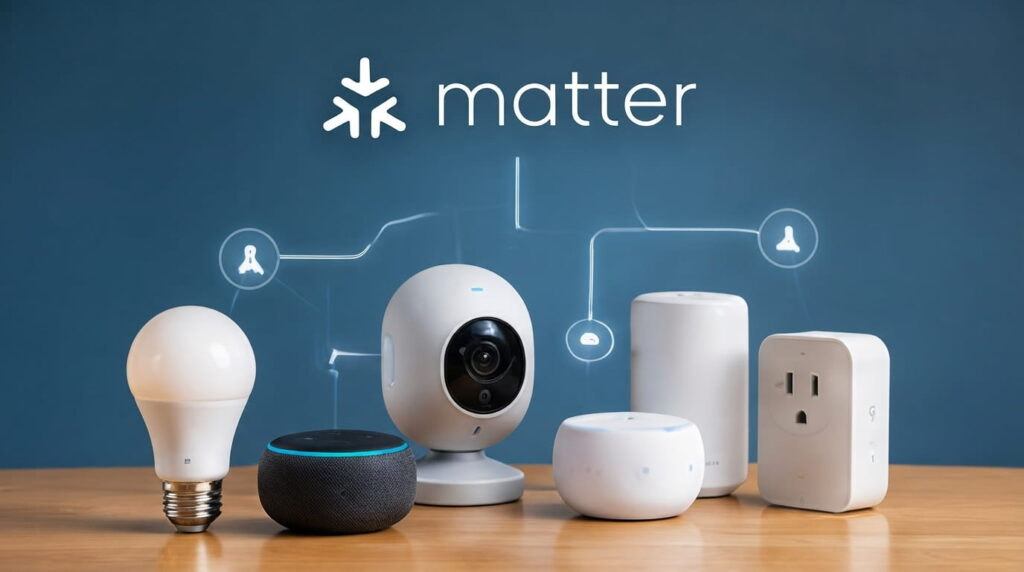
Compatibility becomes more important as your smart-home collection grows. Buying the cheapest device from a different manufacturer every time can leave you managing multiple apps and dealing with compatibility issues. Before purchasing, check which ecosystem or smart-home standards the device supports. Standards such as Matter are designed to improve compatibility between supported smart-home products, although specific features can still vary between devices.
Improve Your Wi-Fi
A reliable network is important for many smart-home setups. If your Wi-Fi signal is weak in certain rooms, smart devices may frequently disconnect or respond slowly. Before buying more gadgets, check your existing coverage and consider improving your router or network setup if necessary. Good device placement and a stable connection can make a bigger difference to your smart-home experience than simply adding more technology.

Avoid Unnecessary Gadgets
One of the easiest ways to destroy your smart-home budget is buying devices just because they look interesting. Before purchasing anything, ask what problem the product solves, how often you will use it, and whether a cheaper solution already exists. Smart technology should save time, add convenience, or provide useful information. If a device doesn’t offer a meaningful benefit, keeping the money in your wallet is often the smarter choice.
Build Your Smart Home Gradually
You don’t need to complete your smart home in one purchase. Start with a few affordable devices, use them for a while, and then decide what would genuinely improve your daily routine. For example, you could begin with two smart bulbs and a smart plug before adding security sensors or more advanced automation. This gradual approach keeps costs under control and helps you build a smart home around your actual needs rather than buying gadgets you rarely use.

Conclusion
Building a smart home on a budget is mainly about choosing the right technology rather than buying the most technology. Smart lighting, plugs, security devices, voice control, and simple automation can make everyday life easier without requiring a major investment. Start small, check compatibility, protect your accounts, and expand your setup only when you have a practical reason to do so. Read Hub aims to make technology easier to understand so you can make smarter choices for your home and budget.
If you have any questions or concerns regarding this topic, feel free to contact us through our Contact Us page or reach out via the WhatsApp button available on Read Hub. We’re always happy to help!
FAQ
What is the cheapest way to make a house a smart home?
Starting with a few smart bulbs or smart plugs is usually a simple way to introduce smart-home features without making a large investment.
How much does a smart home cost?
The cost depends on the number and type of devices you choose. A basic setup can be built gradually with a relatively small number of affordable devices.
Can I make existing appliances smart?
Yes, some compatible appliances can be controlled using smart plugs or other accessories. Always check electrical ratings and compatibility before using them.
Do smart home devices need Wi-Fi?
Not all smart devices use Wi-Fi. Some use other wireless technologies or communicate through a hub, while many common smart-home products connect directly to a Wi-Fi network.
Are cheap smart-home devices safe?
Price isn’t the only factor. Look for reputable manufacturers, software updates, appropriate electrical ratings, strong account security, and clear privacy policies.