
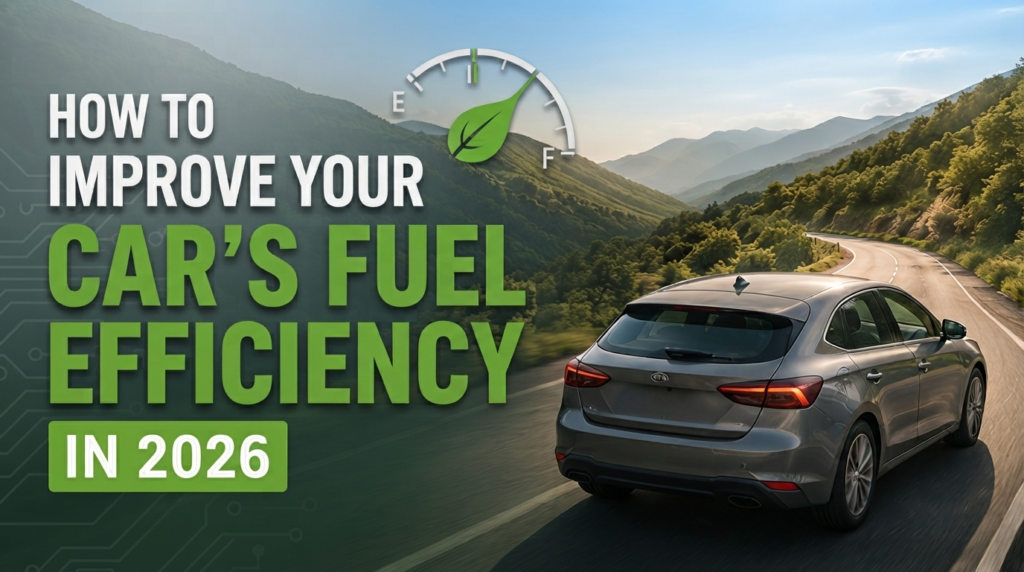
With fuel prices continuing to fluctuate in 2026, improving your car’s fuel efficiency has become more important than ever. Fortunately, you don’t need to buy a brand-new vehicle to save money at the pump. Small changes in your driving habits, routine maintenance, and vehicle care can significantly reduce fuel consumption while extending the life of your car.
Whether you drive every day for work or only take occasional road trips, following the right fuel-saving strategies can make a noticeable difference. In this guide, Read Hub shares practical, expert-backed tips to help you improve your car’s fuel efficiency, lower fuel costs, and enjoy a smoother driving experience.
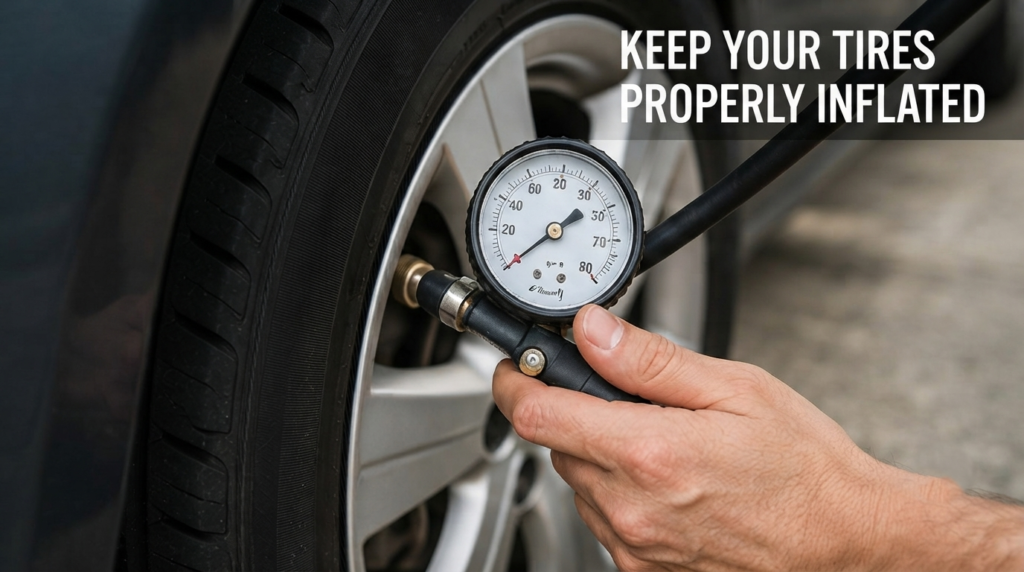
1. Keep Your Tires Properly Inflated
Underinflated tires create more rolling resistance, forcing your engine to work harder and consume more fuel. Checking your tire pressure regularly is one of the easiest ways to improve fuel economy.
Use a reliable tire pressure gauge and inflate your tires according to the manufacturer’s recommended PSI. Properly inflated tires also improve handling, braking performance, and tire lifespan.
Pro Tip: Check tire pressure at least once a month and before long journeys.
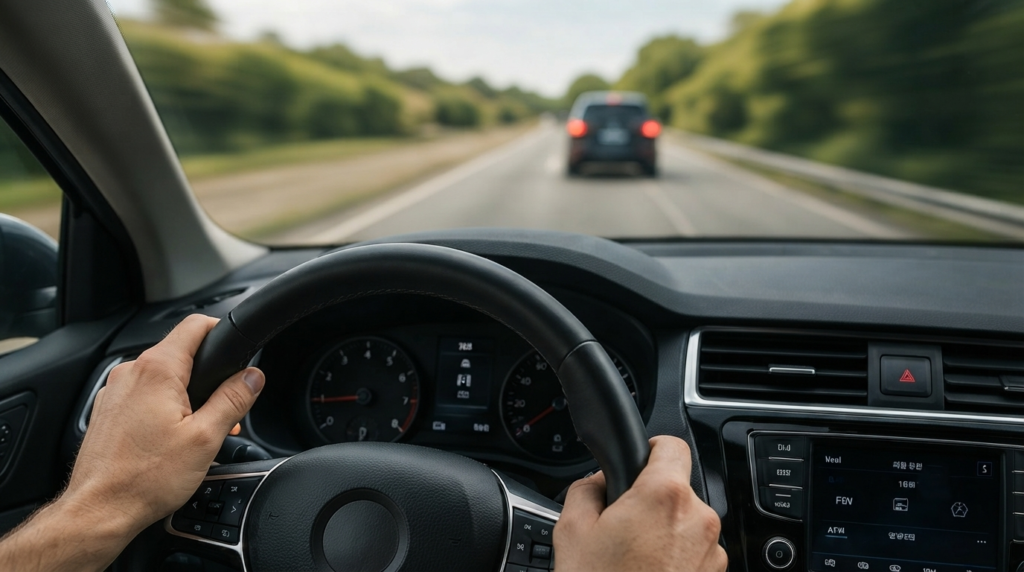
2. Avoid Aggressive Driving
Rapid acceleration, speeding, and hard braking waste a surprising amount of fuel. Smooth driving allows your engine to operate more efficiently and reduces unnecessary fuel consumption.
Instead of racing away from traffic lights or braking at the last moment, accelerate gradually and anticipate traffic conditions ahead.
Gentle driving not only saves fuel but also reduces wear on your brakes and tires.
3. Maintain a Steady Speed
Constantly changing your speed forces your engine to use more fuel. Whenever it’s safe, maintain a consistent speed, especially on highways.
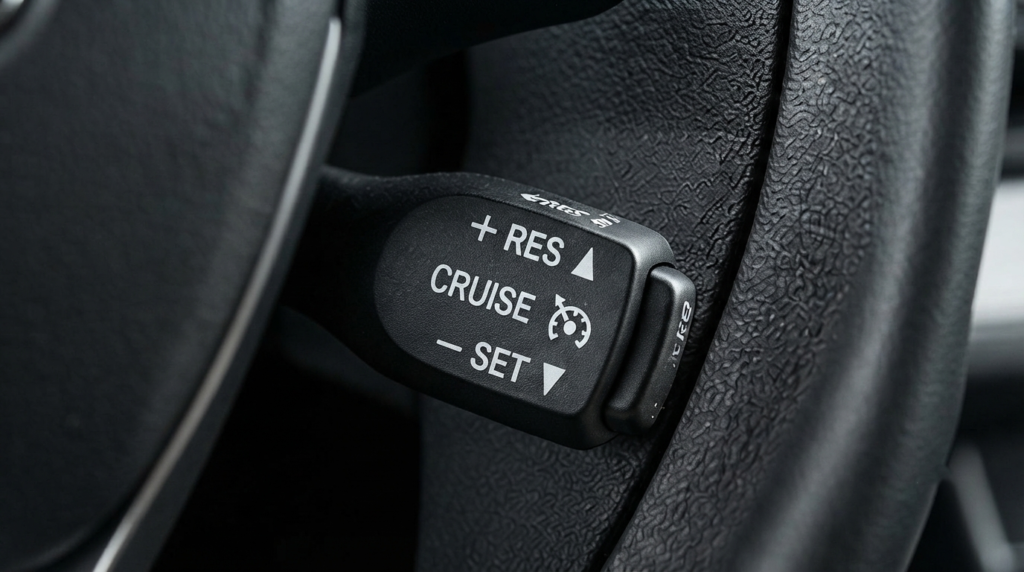
If your vehicle has cruise control, use it during long highway trips to help maintain steady, fuel-efficient driving.
Keeping a constant speed improves fuel economy and provides a more comfortable driving experience.
4. Reduce Excess Weight
Many drivers unknowingly carry unnecessary items in their vehicles. Extra weight increases the amount of energy needed to move the car, reducing fuel efficiency.
Remove heavy tools, sports equipment, or other items that you don’t use regularly. Also, remove roof racks or cargo boxes when they aren’t needed since they increase aerodynamic drag.
A lighter vehicle generally consumes less fuel.

5. Keep Up with Regular Maintenance
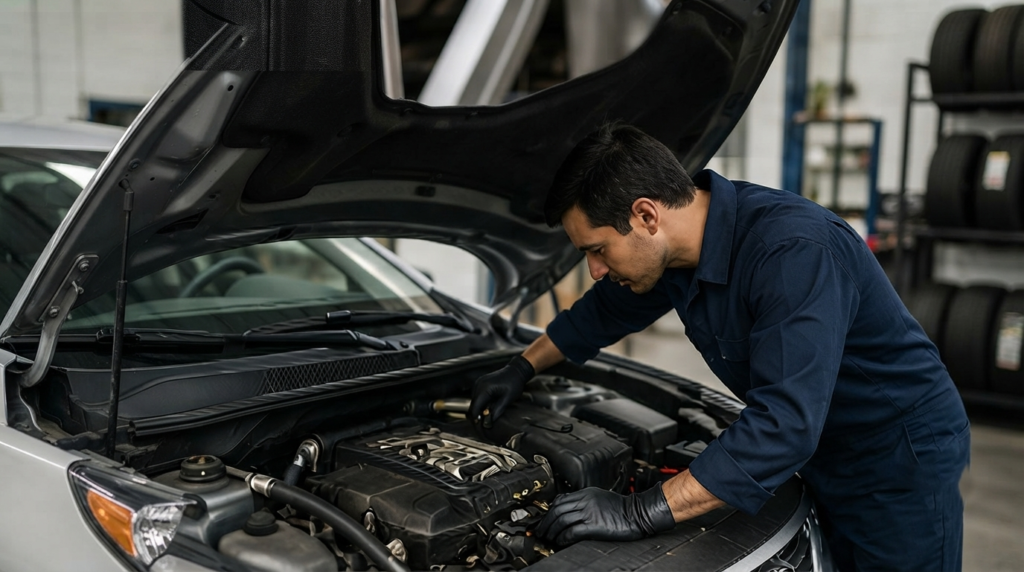
Routine maintenance plays a major role in improving fuel efficiency. A poorly maintained vehicle often burns more fuel because the engine isn’t operating at peak performance.
Important maintenance tasks include:
- Replacing dirty air filters
- Changing engine oil on schedule
- Replacing worn spark plugs
- Checking wheel alignment
- Inspecting oxygen sensors
- Servicing the fuel system
Following your manufacturer’s maintenance schedule helps maximize both fuel economy and engine life.
6. Use the Right Engine Oil
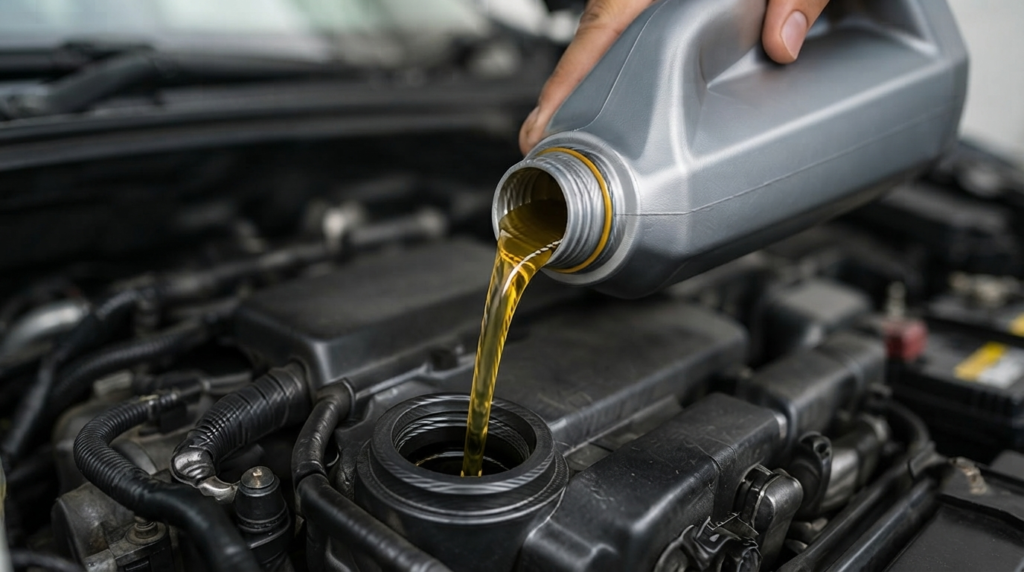
Using the correct engine oil can improve your car’s performance and fuel efficiency. Modern low-viscosity oils reduce friction inside the engine, allowing it to run more smoothly and consume less fuel.
Always use the oil grade recommended in your vehicle’s owner’s manual. Regular oil changes also help keep the engine clean and operating efficiently.
7. Avoid Long Idling
Leaving your engine running while parked wastes fuel without getting you anywhere. Modern vehicles don’t require long warm-up times, even during colder weather.
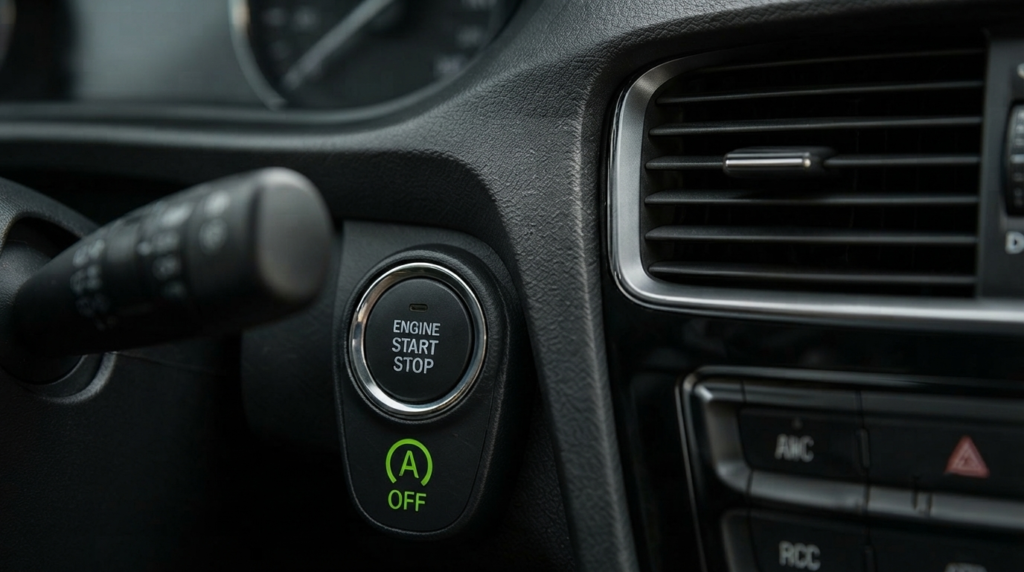
If you’re going to be stopped for more than a minute, it’s usually more fuel-efficient to switch off the engine and restart it when you’re ready to drive.
Reducing unnecessary idling can save fuel and lower emissions.
8. Plan Your Trips Efficiently
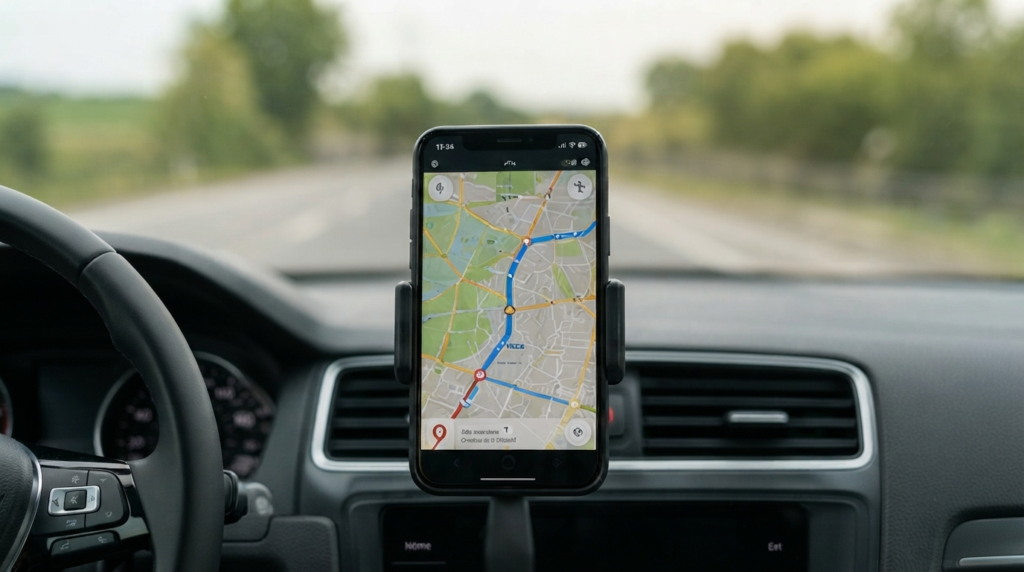
Combining multiple errands into one trip reduces the number of cold starts, which consume more fuel. Planning the shortest and least congested route can also save both time and fuel.
Navigation apps that provide real-time traffic updates can help you avoid delays and unnecessary fuel consumption.
A little planning before you leave can make a noticeable difference over time.
9. Reduce Air Conditioning Usage
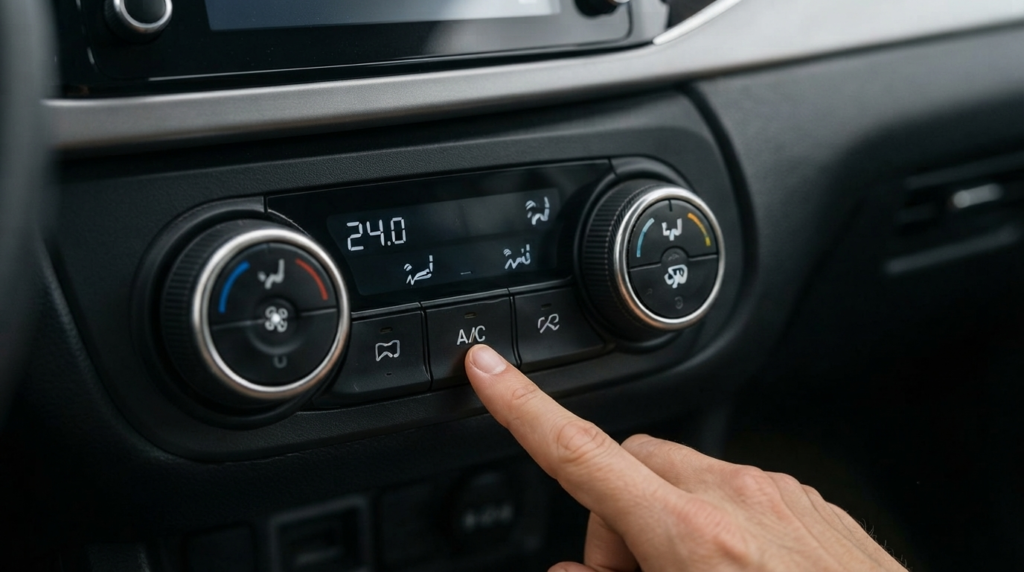
Air conditioning increases the workload on your engine, especially during city driving. While it’s essential in hot weather, using it wisely can improve fuel economy.
Whenever possible, park in shaded areas, use window shades, or ventilate the cabin before turning on the AC. At lower speeds, opening the windows may be a practical alternative, though at highway speeds it’s generally better to keep the windows closed to reduce aerodynamic drag.
10. Consider Fuel-Efficient Upgrades
If you plan to keep your vehicle for several years, investing in fuel-saving upgrades can be worthwhile.
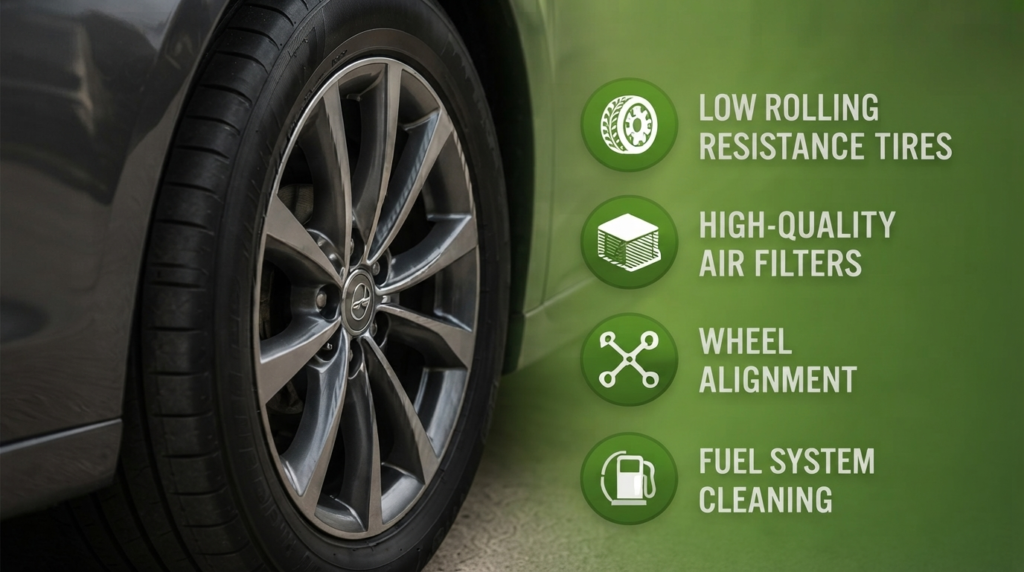
Some helpful upgrades include:
- Low rolling resistance tires
- High-quality air filters
- Lightweight alloy wheels
- Regular wheel alignment
- Fuel system cleaning when recommended
While these upgrades may require an initial investment, they can improve efficiency and reduce fuel costs over the long term.
Conclusion
Knowing how to improve your car’s fuel efficiency in 2026 can help you save money, reduce fuel consumption, and extend the life of your vehicle. Simple habits like maintaining proper tire pressure, driving smoothly, servicing your car regularly, and planning your trips can make a significant difference over time.
At Read Hub, we believe that smart driving and regular vehicle maintenance are the keys to better fuel economy and a more reliable driving experience. By following these practical tips, you can enjoy lower fuel costs while keeping your car running at its best.
If you have any questions or concerns regarding this topic, feel free to contact us through our Contact Us page or reach out via the WhatsApp button available on Read Hub. We’re always happy to help!
FAQ
1. What is the easiest way to improve fuel efficiency?
Keeping your tires properly inflated and avoiding aggressive driving are two of the simplest and most effective ways to improve your car’s fuel efficiency.
2.Does regular car maintenance improve fuel economy?
Yes. Regular maintenance, including oil changes, air filter replacements, and spark plug inspections, helps your engine perform efficiently and reduces unnecessary fuel consumption.
3. Does carrying extra weight reduce fuel efficiency?
Yes. Excess weight forces the engine to work harder, which increases fuel consumption. Removing unnecessary items from your vehicle can improve fuel economy.
4. Is cruise control good for saving fuel?
Yes. On highways, cruise control helps maintain a steady speed, reducing unnecessary acceleration and improving overall fuel efficiency.
5. Can using the wrong engine oil affect fuel consumption?
Yes. Using an engine oil that doesn’t match the manufacturer’s recommendation can increase engine friction and reduce fuel efficiency. Always use the recommended oil grade.