

There is something special about fresh Italian pasta. It is simple, comforting, and surprisingly easy to make once you understand the basics. You do not need expensive equipment or a professional kitchen—just good flour, fresh eggs, a little patience, and the right technique.
If you have always wanted to learn how to make authentic Italian pasta at home, this guide will walk you through the process from mixing the dough to rolling, cutting, cooking, and serving it. Read Hub has put together a straightforward method that helps you get tender, flavorful pasta with that classic homemade texture.

1. Gather the Right Ingredients
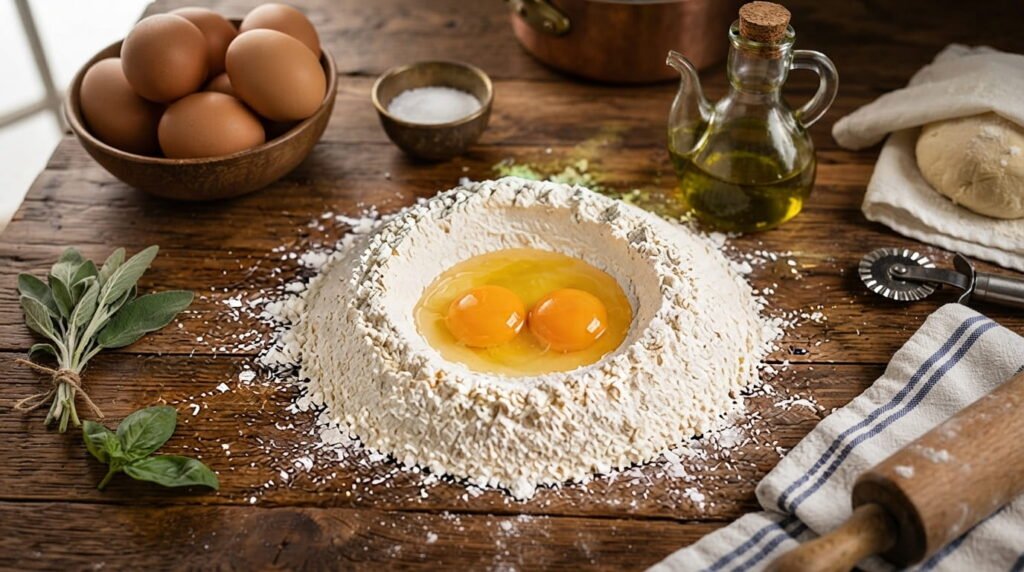
Authentic Italian pasta starts with a short ingredient list. For a basic fresh egg pasta, you will need:
- 200g Italian 00 flour or fine all-purpose flour
- 2 large eggs
- A small pinch of salt
- Extra flour for dusting
The quality of the flour and eggs can make a noticeable difference. Italian 00 flour produces a particularly smooth and delicate dough, although regular all-purpose flour can work well too.
For beginners, keeping the recipe simple is actually an advantage. You can focus on developing the correct texture before experimenting with different ingredients.
2. Make the Pasta Dough
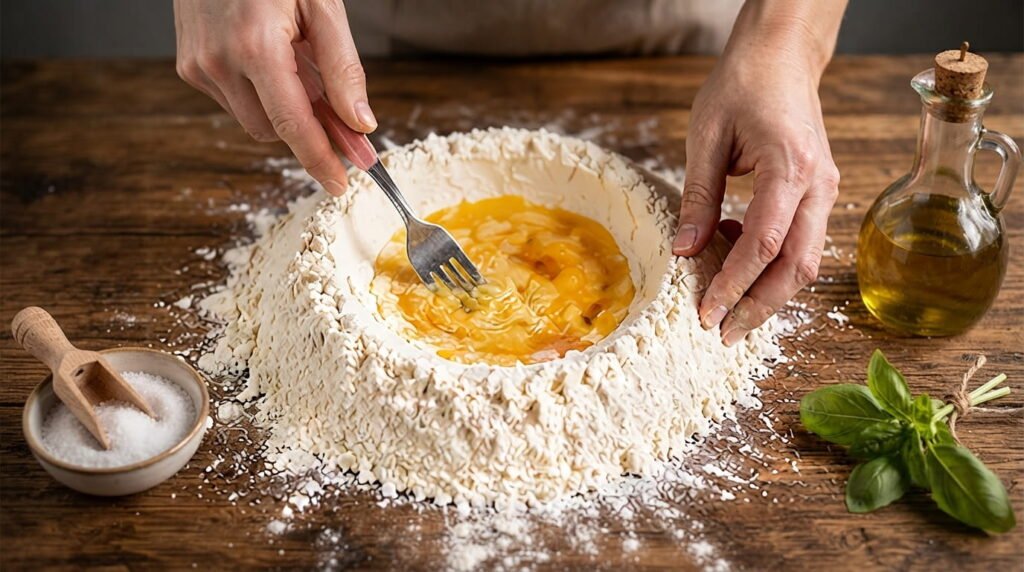
Place the flour on a clean work surface and make a wide well in the center. Crack the eggs into the middle and gently beat them with a fork.
Slowly pull flour from the sides into the eggs until a rough dough begins to form. Once the mixture becomes difficult to stir, use your hands to bring everything together.
If the dough feels extremely dry, add a few drops of water. If it feels very sticky, sprinkle in a little more flour. The finished dough should feel firm but smooth.
3. Knead the Dough Properly
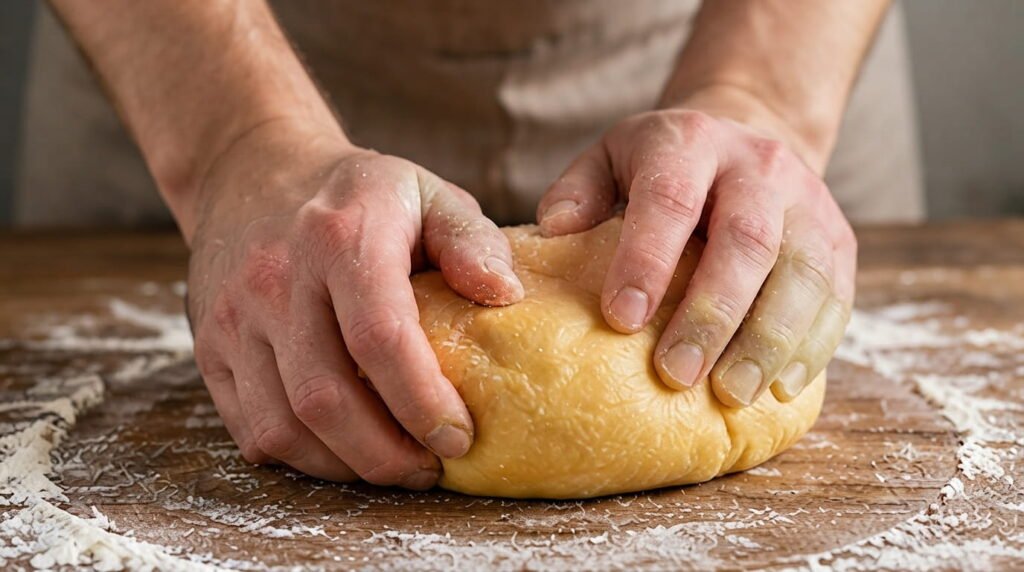
Kneading develops the gluten that gives homemade pasta its structure. Push the dough away from you with the heel of your hand, fold it back, turn it, and repeat.
Continue for around 8–10 minutes. At first, the dough may seem rough, but it should gradually become smoother and more elastic.
Do not rush this stage. Proper kneading is one of the simplest ways to improve the texture of fresh pasta.
4. Rest the Dough
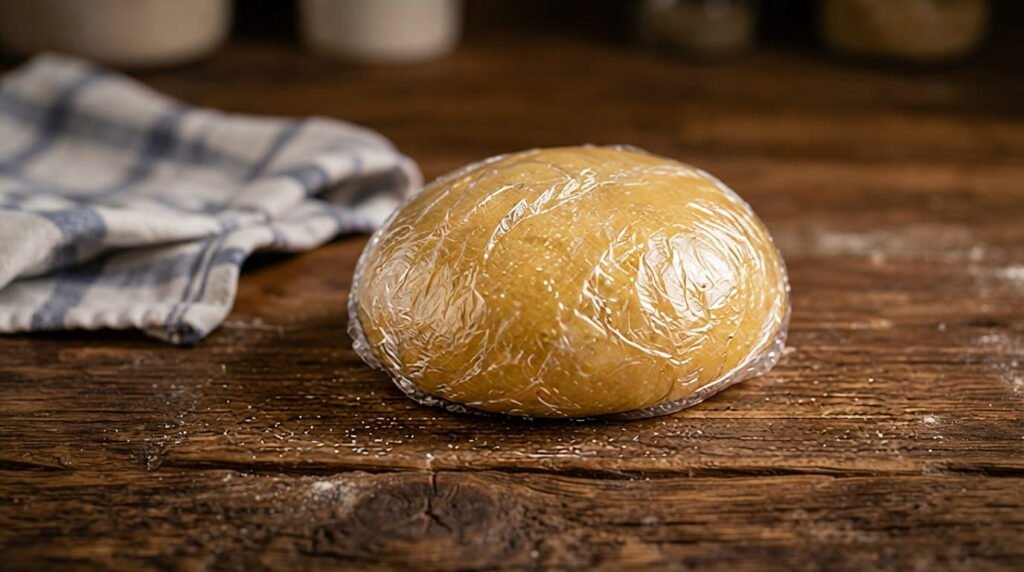
Once the dough is smooth, shape it into a ball and wrap it tightly in plastic wrap or place it in an airtight container.
Let it rest at room temperature for about 30 minutes. Resting allows the gluten to relax, making the dough much easier to roll.
If you are not cooking immediately, you can refrigerate the dough and bring it back toward room temperature before rolling.
5. Roll and Cut the Pasta
Divide the rested dough into smaller portions. Flatten one piece with your hands and begin rolling it with a pasta machine or rolling pin.
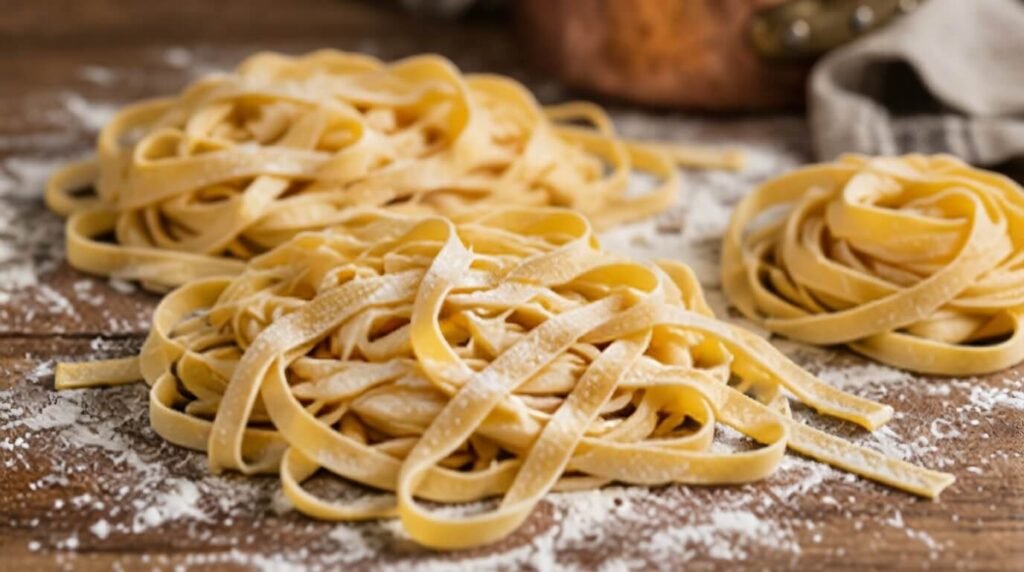
Gradually make the sheet thinner until it is smooth and flexible. For tagliatelle or fettuccine, dust the sheet lightly with flour, fold it loosely, and cut it into even strips.
Keep the pasta lightly dusted so the pieces do not stick together. You can also hang the strands over a clean rack or spread them on a floured surface while preparing the rest.
6. Cook Fresh Pasta
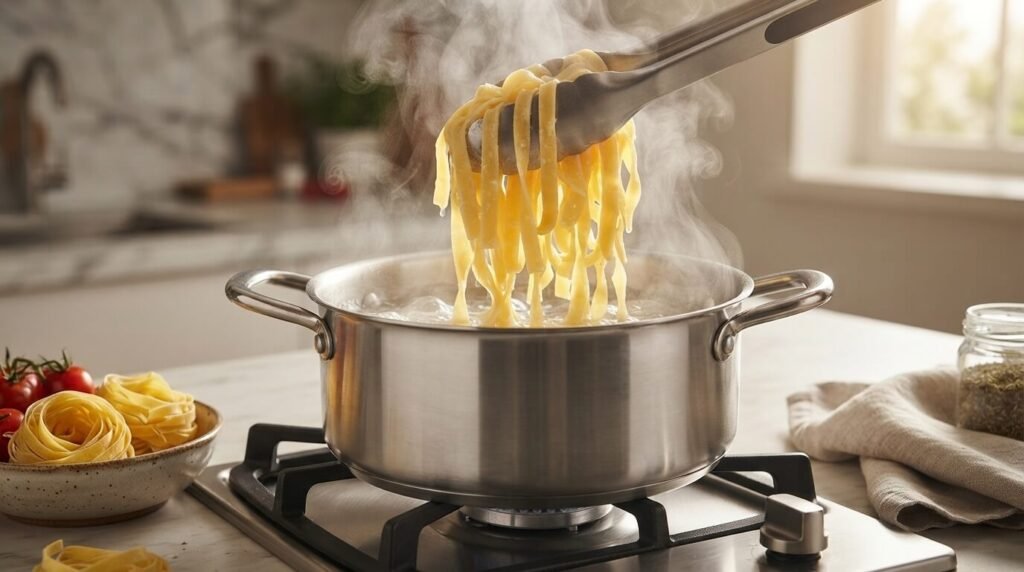
Fresh pasta cooks much faster than dried pasta. Bring a large pot of water to a strong boil and add enough salt to season the water.
Add the pasta and cook for approximately 2–4 minutes, depending on its thickness. Start tasting early because fresh pasta can go from perfectly tender to overcooked quickly.
Reserve a little pasta water before draining. The starchy water can help loosen your sauce and make it cling beautifully to the pasta.
7. Serve It the Italian Way
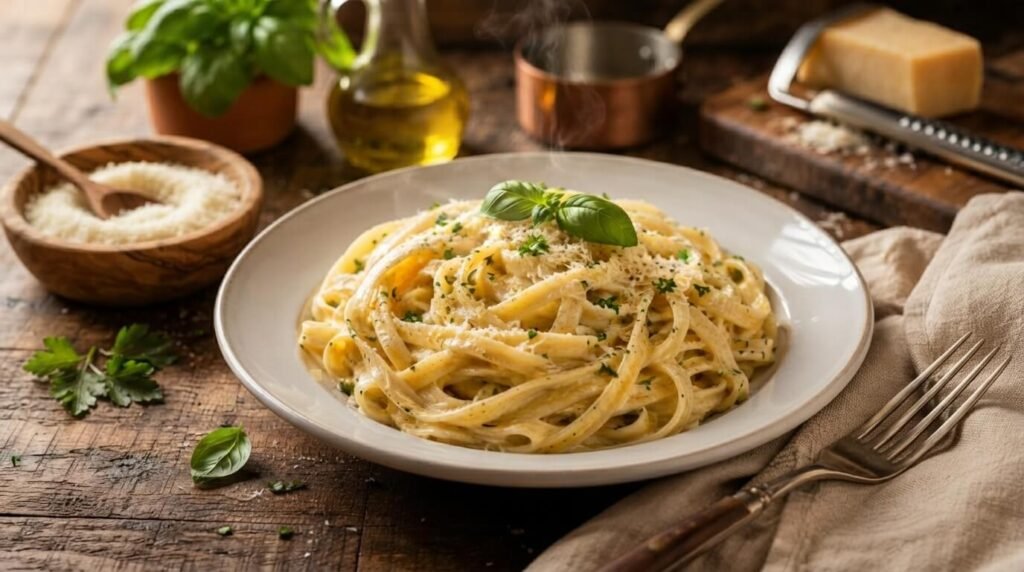
Fresh pasta does not need a complicated sauce. A simple combination of olive oil, garlic, tomato sauce, butter, Parmesan, or fresh herbs can highlight the pasta’s texture.
Add the cooked pasta directly to the warm sauce and toss it gently. If the sauce seems too thick, add a small splash of reserved pasta water.
Serve immediately while it is hot. A little freshly grated Parmesan, basil, or extra virgin olive oil can finish the dish beautifully.
Common Mistakes to Avoid
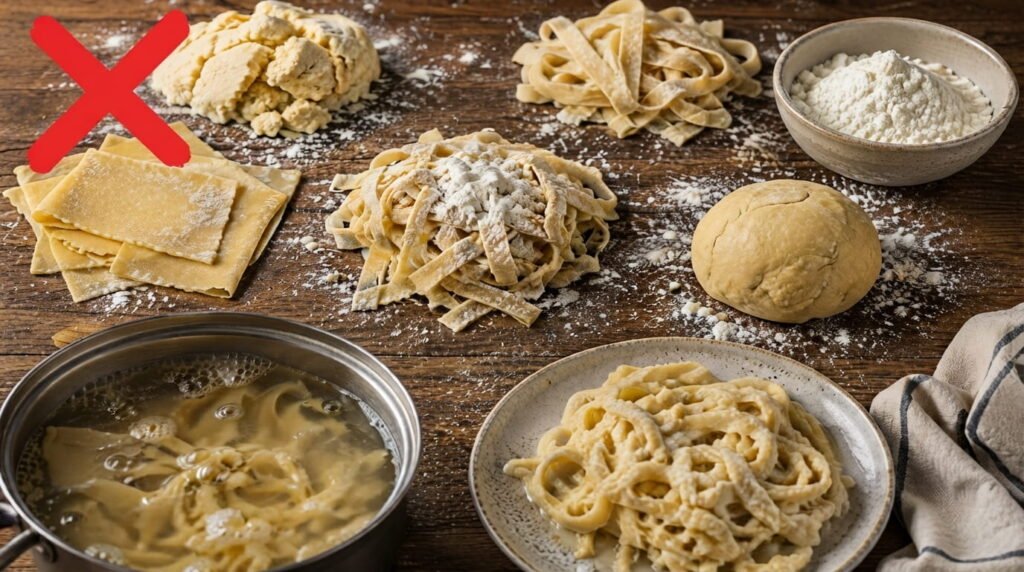
Making pasta is straightforward, but a few mistakes can affect the final result.
Using too much flour: Excess flour can make the pasta heavy and dry.
Skipping the resting stage: Resting makes the dough easier to roll and shape.
Rolling unevenly: Different thicknesses can cause some pieces to cook faster than others.
Overcooking fresh pasta: Fresh pasta needs only a few minutes in boiling water.
Adding too much sauce: Italian pasta is generally served with enough sauce to coat the noodles rather than completely bury them.
Conclusion
Learning how to make authentic Italian pasta at home is easier than it first appears. With quality ingredients, careful kneading, enough resting time, and quick cooking, you can create fresh pasta with a wonderful homemade texture.
Start with a simple recipe such as tagliatelle, then experiment with ravioli, lasagna sheets, or different sauces as your confidence grows. For more practical recipes and cooking inspiration, keep exploring Read Hub.
If you have any questions or concerns regarding this topic, feel free to contact us through our Contact Us page or reach out via the WhatsApp button available on Read Hub. We’re always happy to help!
FAQ
What flour is best for homemade Italian pasta?
Italian 00 flour is an excellent choice because it creates a smooth, delicate dough. All-purpose flour can also produce good results for beginners.
How long should fresh pasta dough rest?
Fresh pasta dough should generally rest for about 30 minutes before rolling. This allows the gluten to relax and makes the dough easier to work with.
How long does fresh pasta take to cook?
Most fresh pasta cooks in around 2–4 minutes, depending on its thickness. Always taste a piece before draining to check the texture.
Can I make Italian pasta without a pasta machine?
Yes. A rolling pin works perfectly well. It simply takes more time and effort to achieve an evenly thin pasta sheet.
Can homemade pasta be stored?
Yes. Fresh pasta can be refrigerated for a short period or frozen for longer storage. Make sure the pasta is lightly floured and protected from moisture before storing.