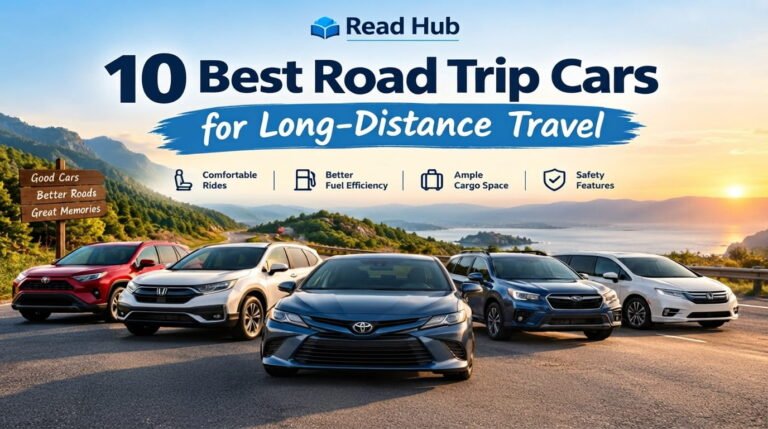

Buying a new car is exciting, but choosing between an SUV and a sedan can quickly become overwhelming. Both offer unique advantages, and the right choice depends on your daily routine, budget, family size, driving habits, and personal preferences. While SUVs have become increasingly popular thanks to their spacious interiors and higher driving position, sedans continue to attract drivers who value fuel efficiency, smoother handling, and affordability.
If you’re unsure which vehicle suits your needs, this guide from Read Hub will help you compare the key differences between an SUV and a sedan so you can make a confident decision.

What Is an SUV?
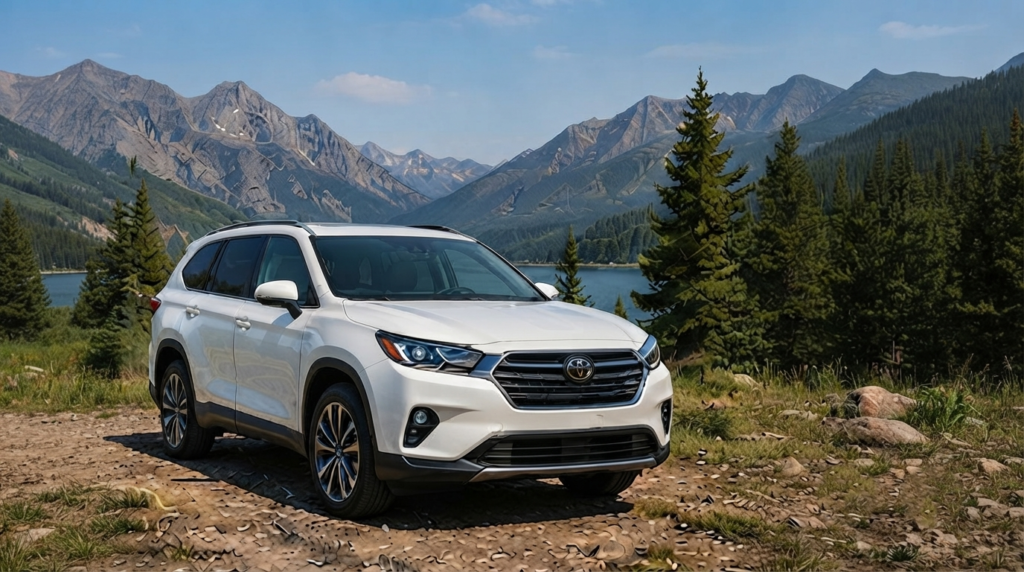
A Sport Utility Vehicle (SUV) combines passenger comfort with extra cargo space, higher ground clearance, and a commanding driving position. Modern SUVs range from compact crossovers to full-size family vehicles, making them suitable for city driving, road trips, and light off-road adventures.
Many SUVs also offer optional all-wheel drive (AWD), making them a practical choice in areas with rough roads or challenging weather conditions.
Benefits of an SUV
- Higher seating position for better road visibility
- Larger cargo capacity
- More passenger room
- Better performance on rough roads
- Ideal for families and outdoor activities
What Is a Sedan?
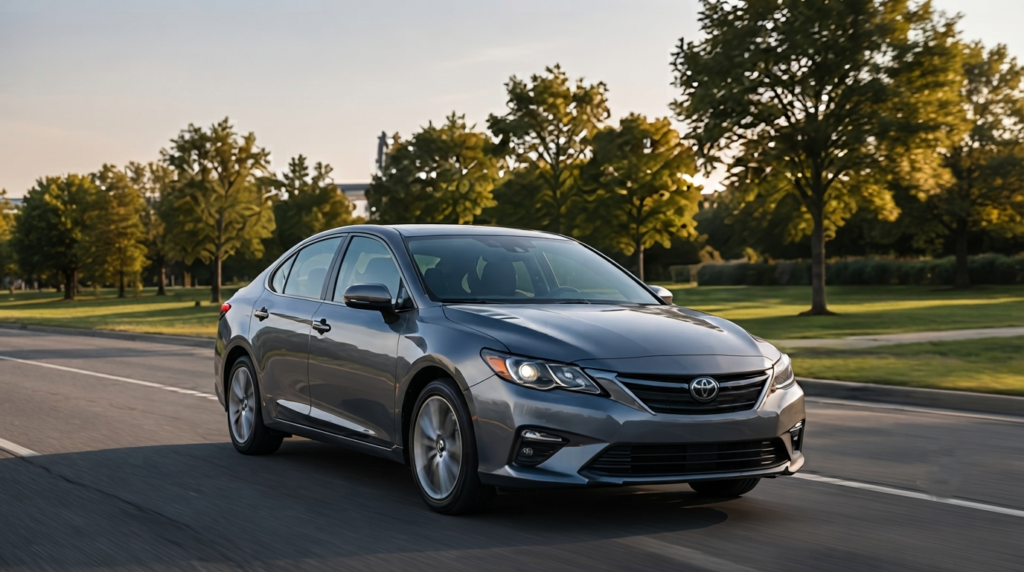
A sedan is a traditional passenger car designed primarily for paved-road driving. It usually features four doors, a separate trunk, and a lower center of gravity, resulting in smoother handling and better fuel economy.
Sedans remain a popular option for commuters, professionals, and anyone looking for a comfortable and cost-effective daily driver.
Benefits of a Sedan
- Better fuel efficiency
- Lower purchase price
- Easier parking
- Comfortable ride quality
- Lower maintenance costs
SUV vs Sedan: Key Differences
1. Driving Position
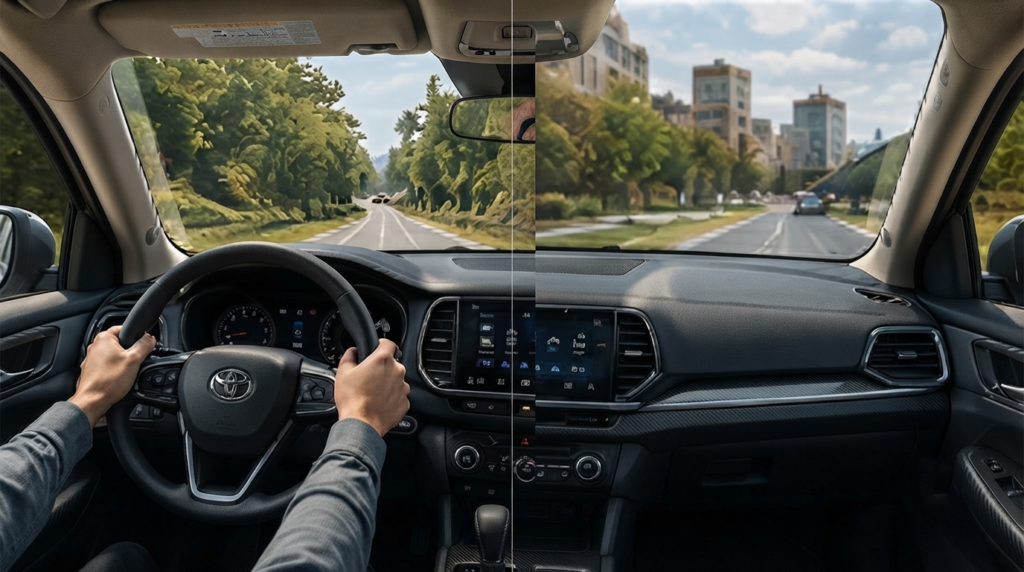
One of the biggest differences is seating height.
SUV drivers enjoy a higher viewpoint, allowing better visibility in traffic. Sedans, on the other hand, provide a lower seating position that often feels sportier and more connected to the road.
If visibility is your priority, an SUV has the advantage.
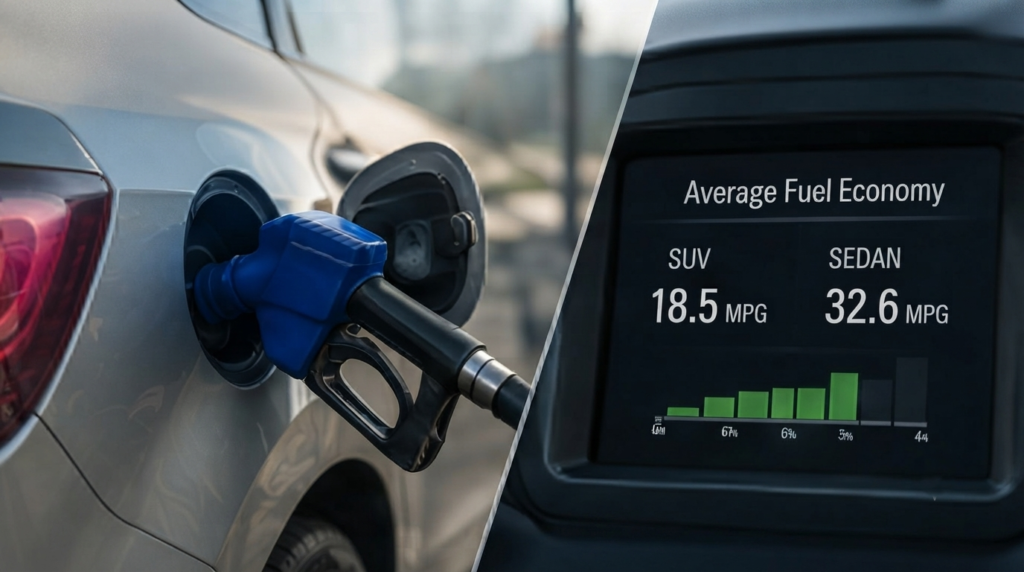
2. Fuel Efficiency
Fuel economy is one of the main reasons many buyers choose sedans.
Because sedans are lighter and more aerodynamic, they typically consume less fuel than SUVs. This translates into lower running costs, especially for people who drive long distances every day.
If saving money on fuel matters most, a sedan is usually the smarter choice.
3. Interior Space
SUVs clearly outperform sedans when it comes to space.
Whether you’re transporting luggage, sports equipment, groceries, or pets, SUVs offer significantly more cargo room. Many models also feature fold-flat rear seats for added flexibility.
Sedans provide enough room for most daily needs but can feel limited during family vacations or large shopping trips.
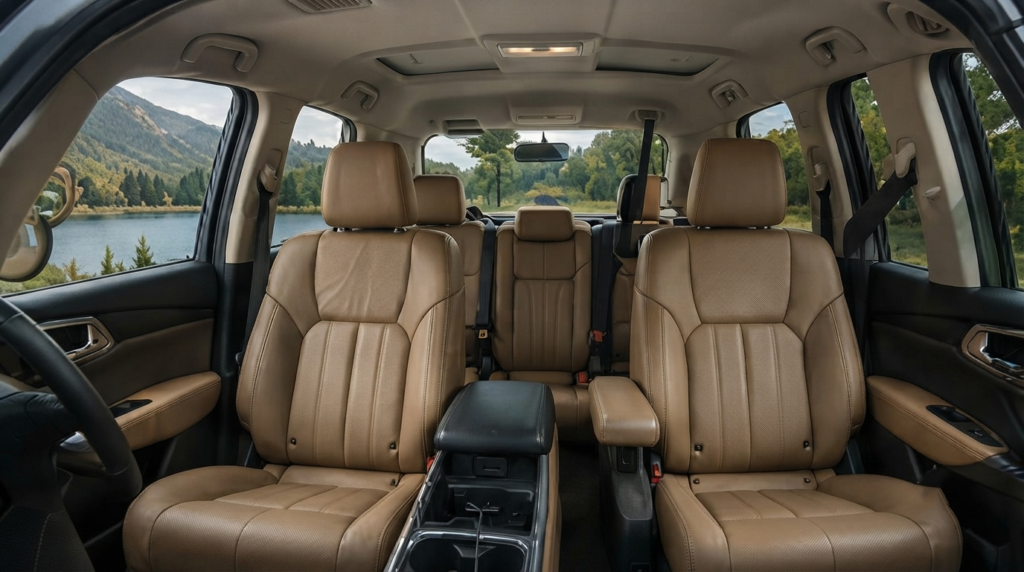
4. Comfort for Families
Families often prefer SUVs because they provide:
- More rear-seat legroom
- Easier child-seat installation
- Better cargo space for strollers
- Additional seating in larger models
Couples, singles, and commuters may find a sedan offers all the comfort they need without paying for unused space.

5. Performance and Handling
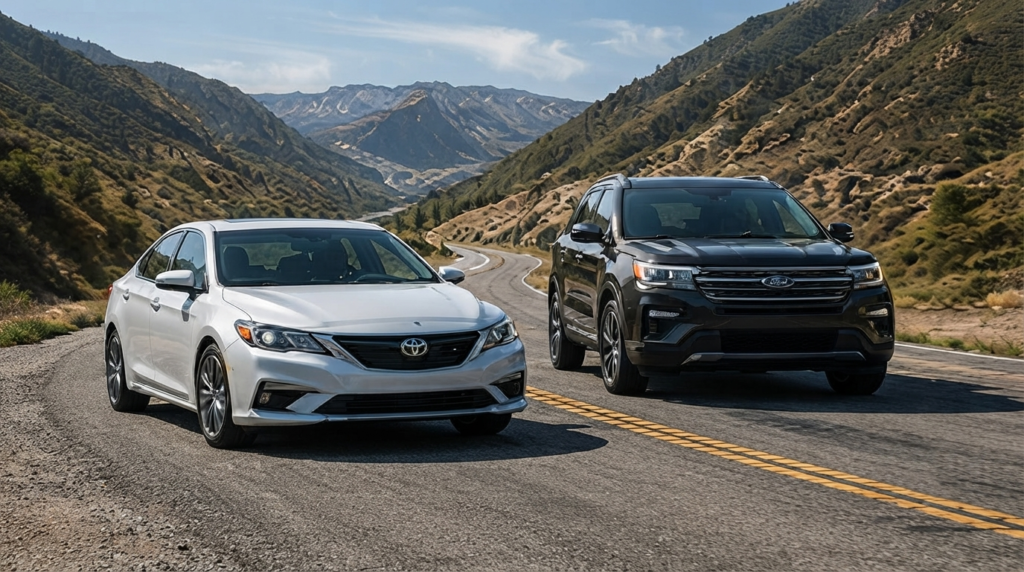
Sedans generally deliver sharper steering and better cornering because they sit closer to the ground.
SUVs focus more on comfort and stability rather than sporty driving.
If you enjoy responsive handling, a sedan is likely to be more satisfying.
6. Safety
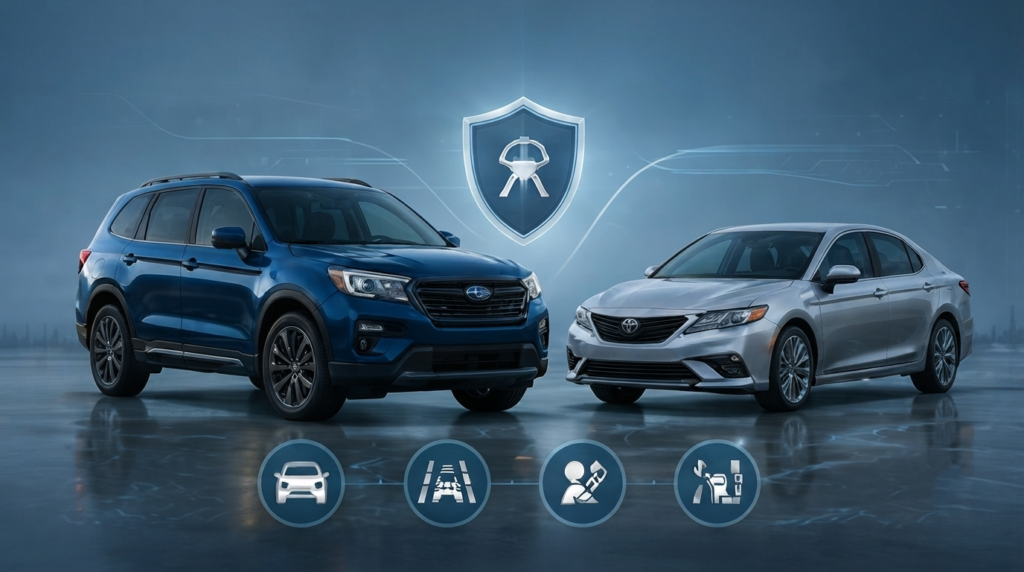
Modern SUVs and sedans both include advanced safety technologies such as:
- Automatic emergency braking
- Lane departure warning
- Blind spot monitoring
- Adaptive cruise control
- Rear cross-traffic alert
SUVs provide better visibility and often perform well in multi-vehicle crashes due to their larger size.
Sedans may offer better accident avoidance thanks to their lower center of gravity and improved handling.
Ultimately, safety depends more on the vehicle’s crash-test ratings and driver assistance systems than on body style alone.
7. Maintenance Costs
Ownership costs vary depending on the model, but generally:
SUV
- Higher tire replacement costs
- More expensive insurance
- Slightly higher maintenance expenses
- Higher fuel costs
Sedan
- Lower insurance premiums
- Less expensive tires
- Better fuel economy
- Lower routine maintenance costs
Budget-conscious buyers often find sedans more economical over the long term.

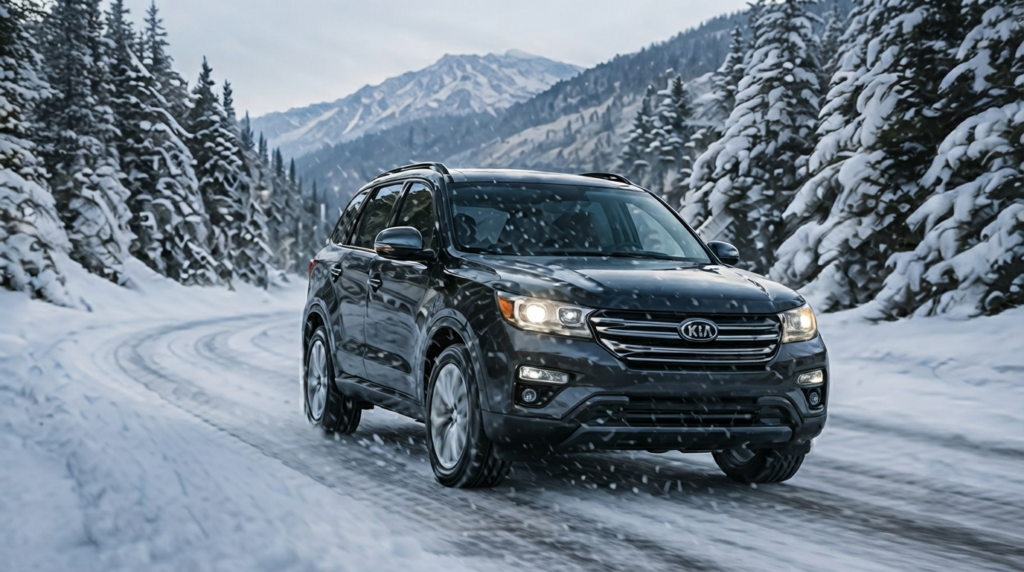
8. Weather and Road Conditions
If you regularly encounter:
- Snow
- Mud
- Gravel roads
- Flooded streets
- Rural areas
An SUV with AWD or 4WD provides greater confidence.
For drivers who mostly travel on highways and city streets, a sedan handles everyday conditions perfectly well.
Which Vehicle Fits Your Lifestyle?
Choose an SUV if you:
- Have a growing family
- Travel frequently
- Carry lots of luggage
- Enjoy camping or outdoor adventures
- Need higher ground clearance
- Drive on rough roads regularly
Choose a Sedan if you:
- Commute daily
- Want excellent fuel economy
- Prefer lower ownership costs
- Mostly drive in urban areas
- Value smooth handling
- Have limited parking space

SUV vs Sedan: Pros and Cons
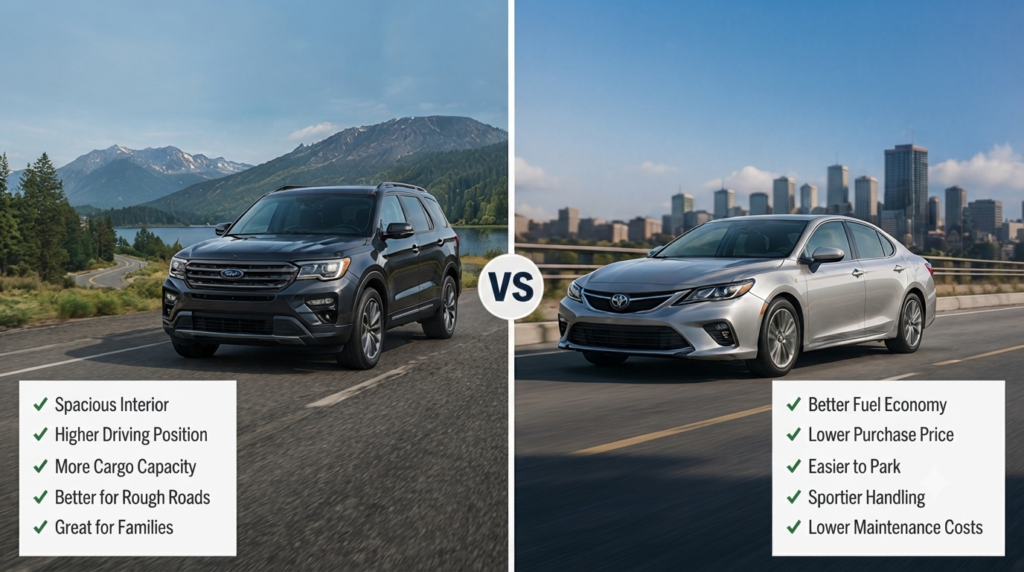
| SUV | Sedan |
|---|---|
| Spacious interior | Better fuel economy |
| Higher driving position | Lower purchase price |
| More cargo capacity | Easier to park |
| Better for rough roads | Sportier handling |
| Great for families | Lower maintenance costs |
| Higher running costs | Less cargo space |
Conclusion
There isn’t a universal winner in the SUV vs Sedan debate because every driver has different priorities.
If practicality, family space, and versatility are your main concerns, an SUV is an excellent investment. However, if affordability, fuel efficiency, and enjoyable daily driving matter most, a sedan remains one of the smartest vehicle choices.
Before making your decision, consider your lifestyle rather than simply following current trends. Think about where you drive, how many passengers you carry, and your long-term ownership costs.
At Read Hub, we believe the best car is the one that fits your everyday life—not just your wishlist.
If you have any questions or concerns regarding this topic, feel free to contact us through our Contact Us page or reach out via the WhatsApp button available on Read Hub. We’re always happy to help!
FAQ
Which is better for daily commuting: an SUV or a sedan?
For most daily commuters, a sedan is the better option because it offers superior fuel efficiency, lower maintenance costs, and easier maneuverability in busy city traffic. However, if your commute involves rough roads or you regularly carry passengers and cargo, an SUV may be more practical.
Is an SUV safer than a sedan?
Both SUVs and sedans can be extremely safe when equipped with modern driver-assistance features and strong crash-test ratings. SUVs offer a higher seating position and larger size, while sedans typically provide better handling and stability. It’s important to compare individual safety ratings rather than relying solely on vehicle type.
Are SUVs more expensive to maintain?
In most cases, yes. SUVs generally have higher fuel consumption, larger tires, and slightly more expensive insurance premiums. Maintenance costs can also be higher depending on the model and drivetrain. Sedans usually cost less to own over the long term.
Which vehicle has better fuel economy?
Sedans almost always achieve better fuel efficiency because they are lighter and more aerodynamic. Drivers who cover long distances each year often save a significant amount on fuel by choosing a sedan instead of an SUV.
Should I buy an SUV or a sedan for my family?
If you have young children, frequently travel with passengers, or need extra cargo space for strollers, luggage, or sports equipment, an SUV is typically the better choice. Smaller families or couples may find a sedan provides all the comfort and practicality they need while keeping ownership costs lower.