
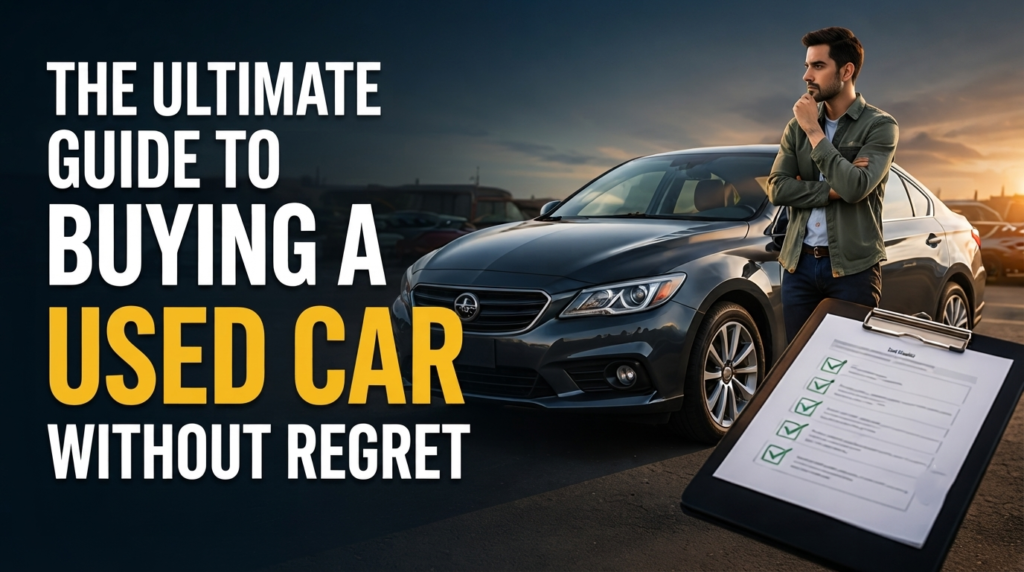
Buying a used car can save you thousands of dollars, but it can also become an expensive mistake if you rush the process. Whether you’re purchasing your first vehicle or replacing an older one, making informed decisions is the key to avoiding buyer’s remorse. At Read Hub, we believe that a little preparation goes a long way toward helping you find a reliable vehicle at the right price.
This guide walks you through every important step—from setting your budget to signing the paperwork—so you can drive away with confidence instead of regret.
Why Buy a Used Car?
A used car offers excellent value because depreciation has already taken its biggest toll. You can often afford a higher-quality model with more features than you could if buying new. Lower insurance premiums and registration costs can also make ownership more affordable.
However, those savings only matter if you purchase a dependable vehicle that’s been properly maintained.
Set a Realistic Budget
Before browsing listings, determine exactly how much you can comfortably spend.
Remember to include:
- Taxes and registration fees
- Insurance costs
- Routine maintenance
- Unexpected repairs
- Fuel expenses
If you’re financing the purchase, calculate the total loan cost instead of focusing only on the monthly payment.

Research Reliable Models
Not every used vehicle ages the same way. Spend time researching models known for reliability, affordable maintenance, and good resale value.
Pay attention to:
- Owner reviews
- Reliability ratings
- Safety scores
- Fuel economy
- Common mechanical problems
A little research today can prevent costly repairs tomorrow.

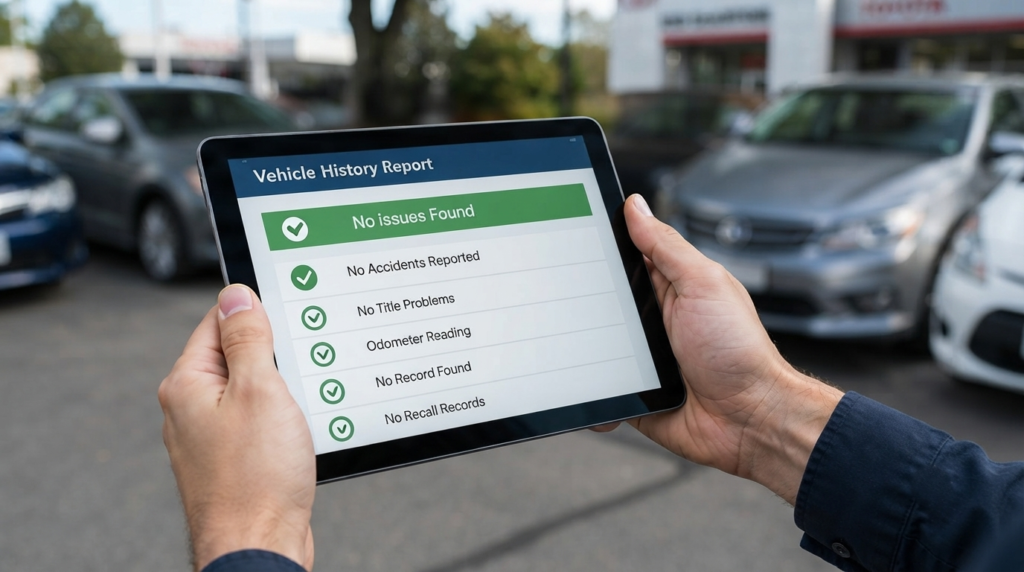
Check the Vehicle History
Never purchase a used vehicle without reviewing its history.
Look for:
- Accident records
- Flood or fire damage
- Odometer inconsistencies
- Service history
- Number of previous owners
- Title status
A clean history report provides valuable insight into how the vehicle has been treated over the years.
Inspect the Car Carefully
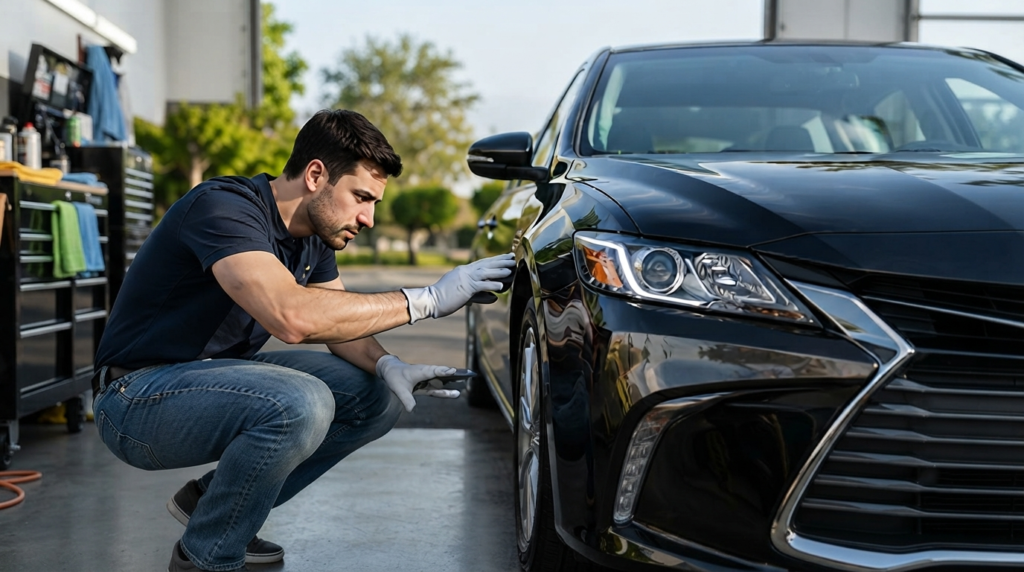
Even if the vehicle looks perfect in photos, inspect it thoroughly in person.
Check:
- Tire wear
- Paint consistency
- Rust
- Windshield damage
- Interior condition
- Dashboard warning lights
- Engine leaks
- Battery condition
Uneven tire wear or mismatched paint can indicate hidden problems or previous accidents.
Take a Proper Test Drive
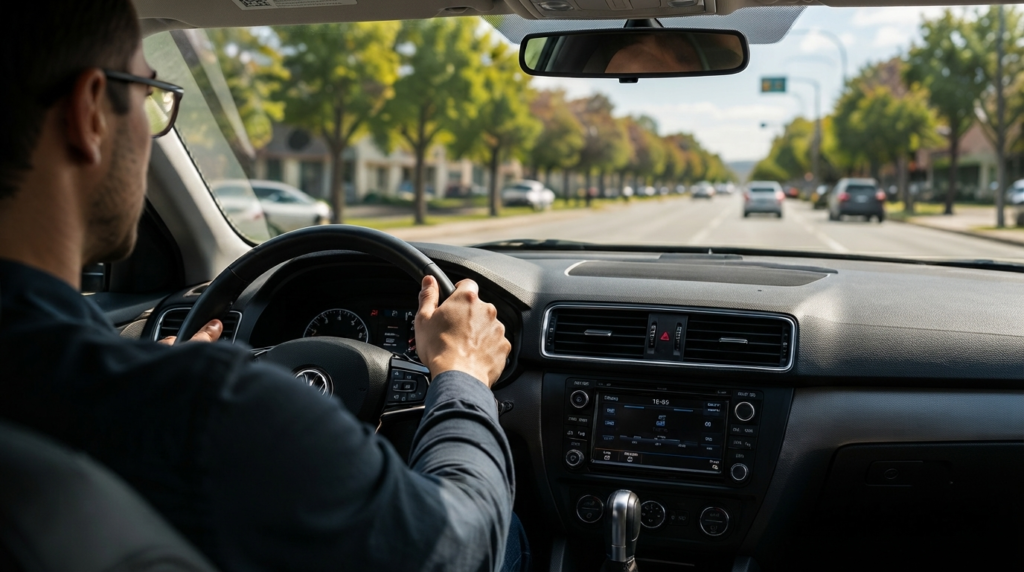
A short drive around the block isn’t enough.
Drive on:
- City streets
- Highways
- Uneven roads
- Parking lots
Pay attention to braking performance, steering response, suspension comfort, transmission shifts, engine noise, and unusual vibrations.
Turn off the radio so you can hear any suspicious sounds.
Get a Professional Inspection
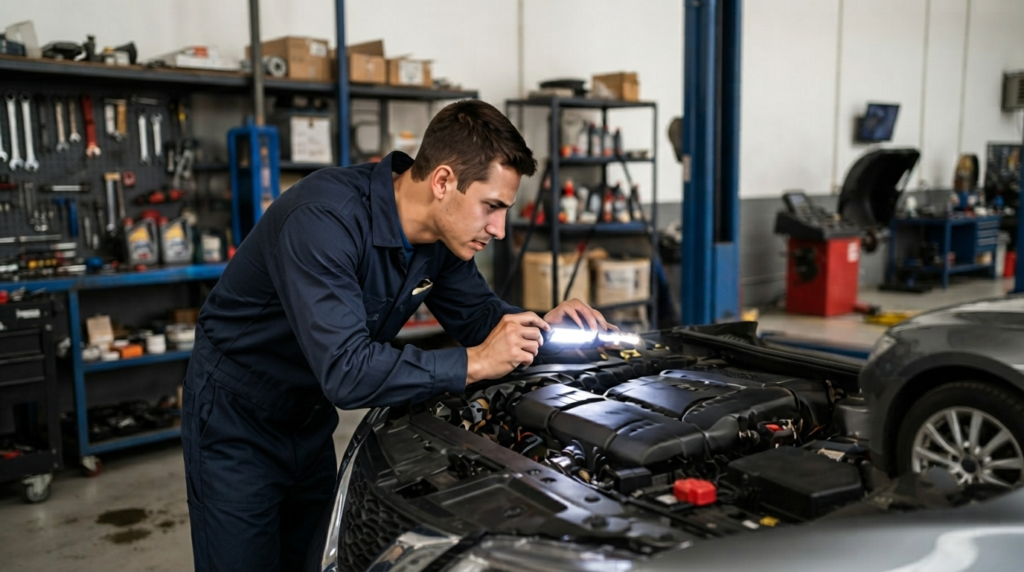
One of the smartest investments you can make is paying an independent mechanic for a pre-purchase inspection.
A qualified technician may identify hidden issues such as:
- Suspension damage
- Engine wear
- Transmission problems
- Brake issues
- Frame damage
- Fluid leaks
The inspection fee is minimal compared to the cost of major repairs.
Compare Prices
Don’t buy the first vehicle you see.
Compare multiple listings with similar:
- Mileage
- Trim level
- Year
- Features
- Overall condition
Knowing the market value gives you confidence during negotiations and helps you avoid overpaying.
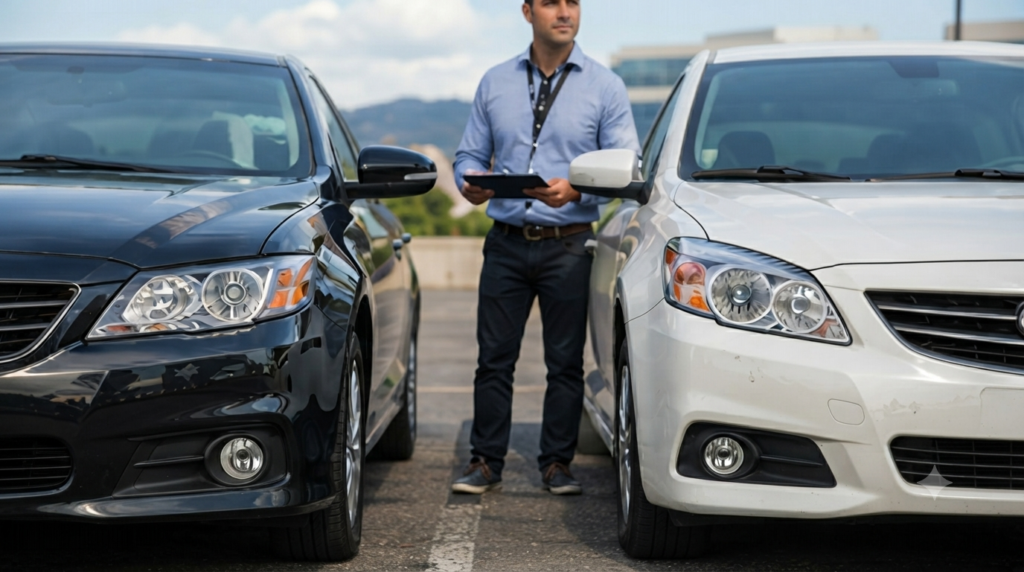
Negotiate Smartly
Negotiation doesn’t have to be uncomfortable.
Use facts to support your offer, including:
- Vehicle condition
- Comparable listings
- Needed repairs
- Service history
- Market pricing
Be respectful, remain patient, and don’t hesitate to walk away if the deal doesn’t feel right. Another opportunity will come along.

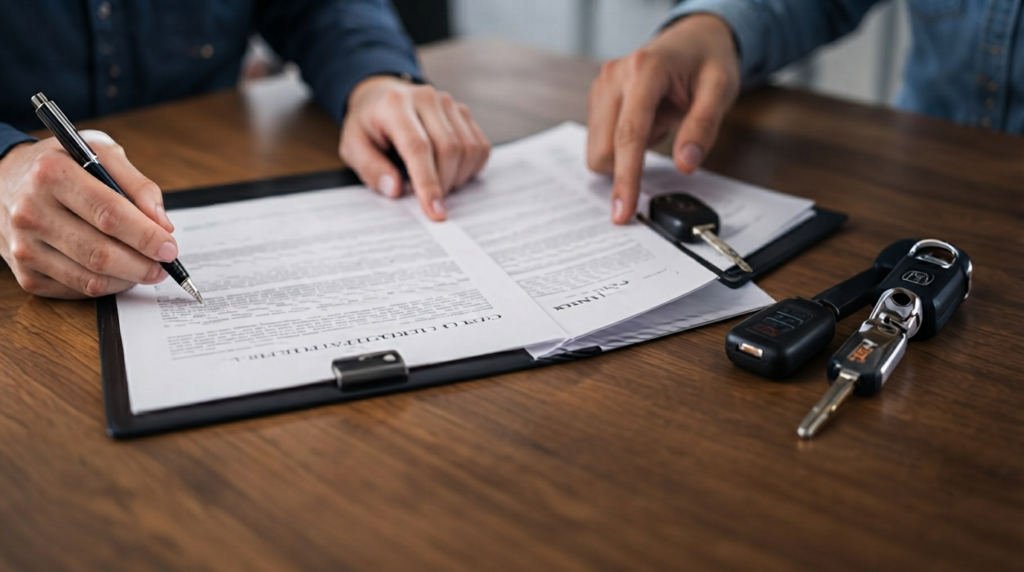
Review the Paperwork
Before completing the purchase, carefully review every document.
Verify:
- VIN matches the vehicle
- Title is clean
- Seller information is correct
- Bill of sale is complete
- Financing terms are accurate
- Warranty information (if applicable)
Never sign documents you don’t fully understand.
Conclusion
Buying a used car without regret isn’t about luck—it’s about preparation. By researching reliable models, checking the vehicle’s history, inspecting it carefully, comparing prices, and having it professionally evaluated, you’ll greatly reduce the risk of expensive surprises.
At Read Hub, our goal is to help you make smarter purchasing decisions with practical, trustworthy advice. Following this guide will help you choose a vehicle that fits both your needs and your budget while giving you peace of mind for years to come.
If you have any questions or concerns regarding this topic, feel free to contact us through our Contact Us page or reach out via the WhatsApp button available on Read Hub. We’re always happy to help!
FAQ
Is buying a used car better than buying new?
For many buyers, yes. Used cars typically cost less, depreciate more slowly, and often have lower insurance premiums.
What mileage is considered good for a used car?
Mileage should be considered alongside maintenance history. A well-maintained car with higher mileage can be a better choice than a neglected low-mileage vehicle.
Should I always get a pre-purchase inspection?
Absolutely. A professional inspection can reveal costly problems that aren’t visible during a basic inspection or test drive.
How can I avoid buying a car with hidden problems?
Review the vehicle history, inspect the car thoroughly, take an extended test drive, and have an independent mechanic perform a pre-purchase inspection.
Is negotiating the price expected?
Yes. Most private sellers and many dealerships expect some negotiation, especially if you have evidence supporting your offer.