
Cars are changing faster than ever, and technology is becoming a major part of the driving experience. In 2026, artificial intelligence, advanced safety systems, electric vehicles, connected features, and smarter software are helping make vehicles safer, more efficient, and more convenient. These automotive technology trends are not just futuristic ideas anymore; many are already appearing in everyday vehicles. Here are the key developments every driver should know about.

1. Artificial Intelligence in Cars
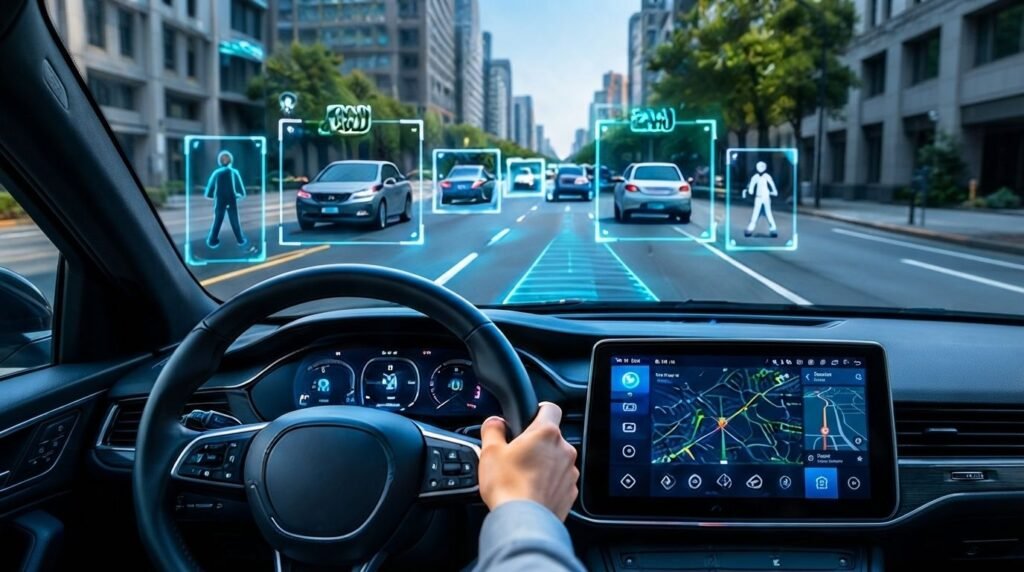
Artificial intelligence is becoming an important part of modern vehicles. AI can help cars recognize road signs, lanes, pedestrians, and other vehicles while supporting navigation, driver assistance, and energy management. As computing power improves, manufacturers are also using AI to create more personalized driving experiences and improve vehicle efficiency. However, drivers should remember that AI-powered features are designed to assist rather than replace responsible driving.
2. Smarter Driver Assistance
Advanced Driver Assistance Systems (ADAS) are becoming more capable and common in new vehicles. Features such as adaptive cruise control, lane-keeping assistance, blind-spot monitoring, and automatic emergency braking can reduce driver workload and improve safety. In 2026, these systems are becoming more sophisticated, but they still have limitations and generally require the driver to remain attentive and ready to take control.
3. Software-Defined Vehicles
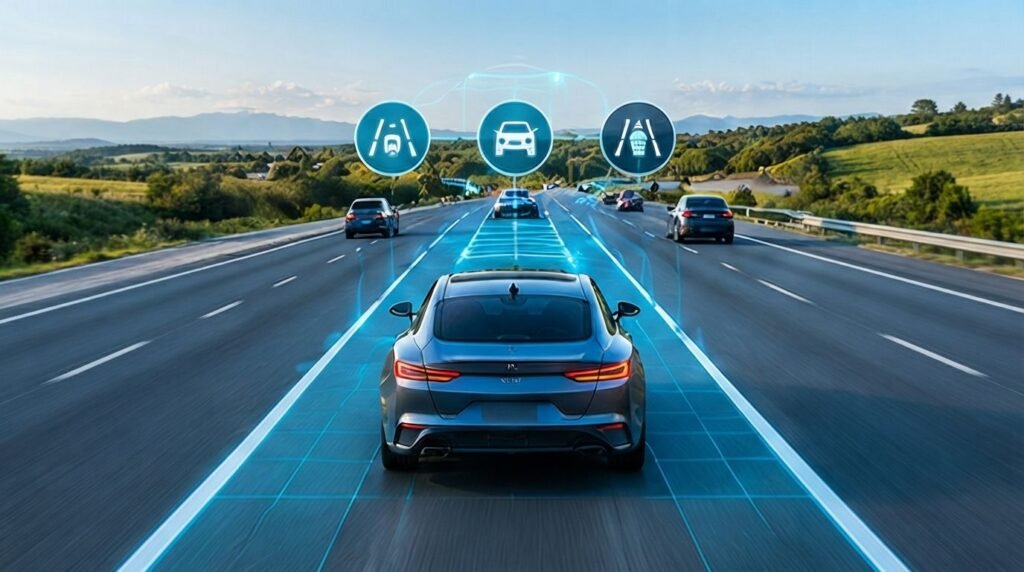
Software-defined vehicles are changing the traditional idea of car ownership. Instead of relying entirely on hardware installed at the factory, modern vehicles can use software to control many functions and receive improvements through over-the-air updates. This means manufacturers can potentially improve navigation, infotainment, driver assistance, and other features without requiring a workshop visit. For buyers, software support and update policies are becoming just as important as traditional specifications.
4. Faster EV Charging
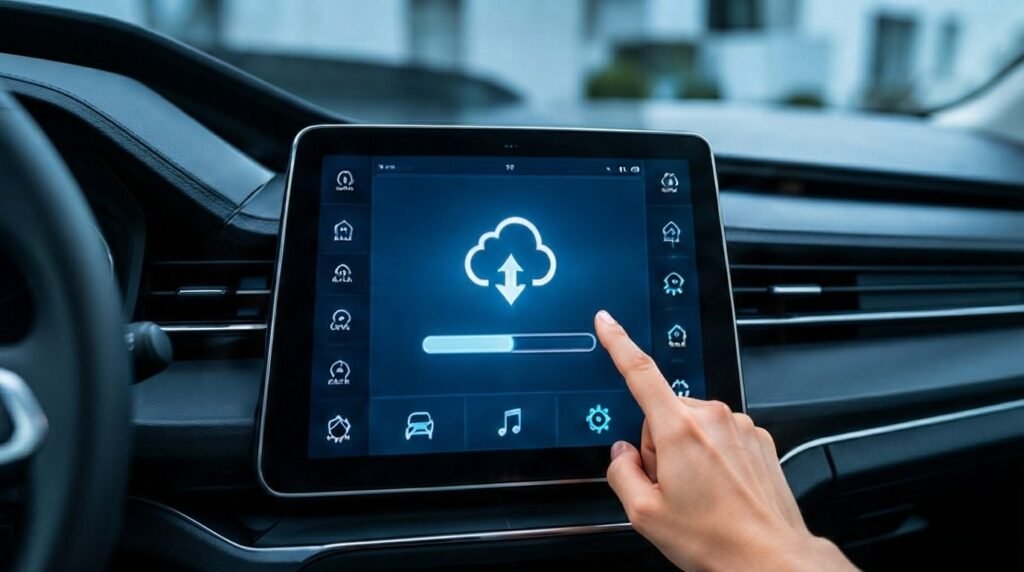
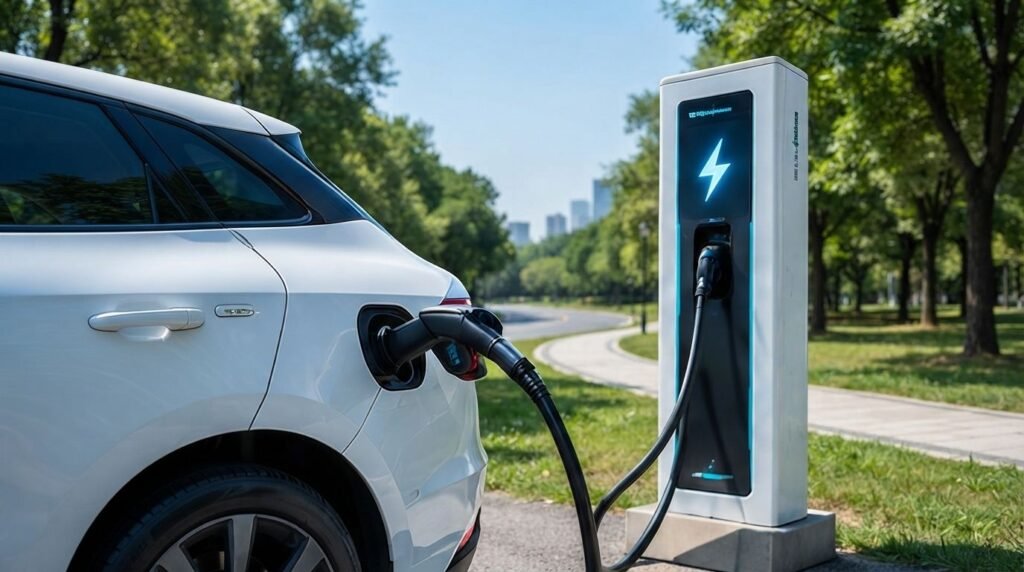
Electric vehicle technology continues to improve, particularly in charging speed. Newer EVs and charging networks are supporting higher charging power, allowing compatible vehicles to add significant range in much less time. Charging performance still depends on the vehicle, battery temperature, charger, and battery level, so buyers should look beyond advertised range and check the vehicle’s real charging capabilities before making a decision.
5. Connected Cars
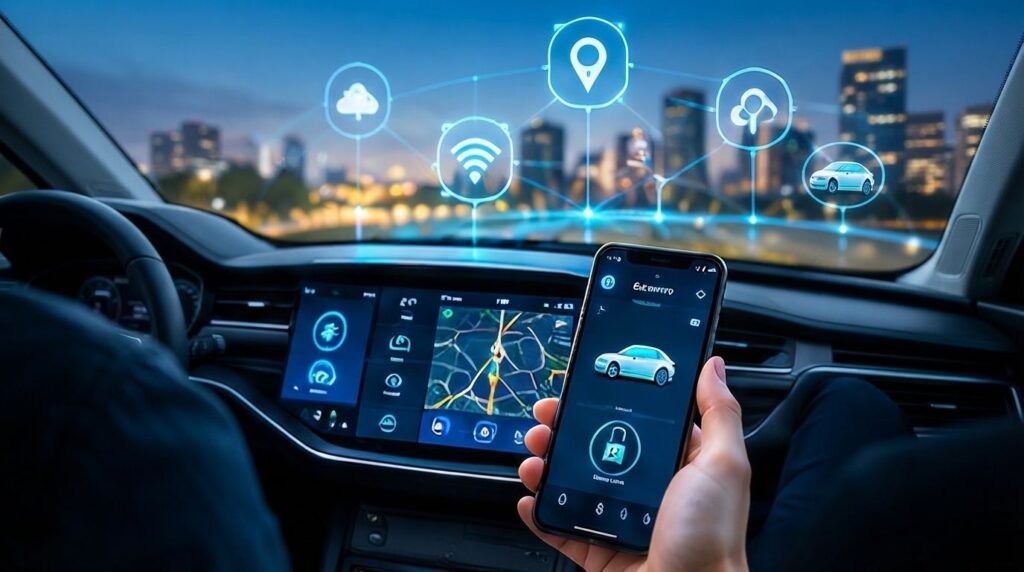
Connected cars are increasingly becoming digital platforms on wheels. Drivers can use smartphones and cloud services to check vehicle status, locate their car, monitor charging, plan routes, and receive software updates. Modern dashboards are also adding larger displays, voice controls, smartphone integration, and connected navigation. While these features are convenient, drivers should also pay attention to privacy settings and understand what vehicle data may be collected.
6. Autonomous Driving
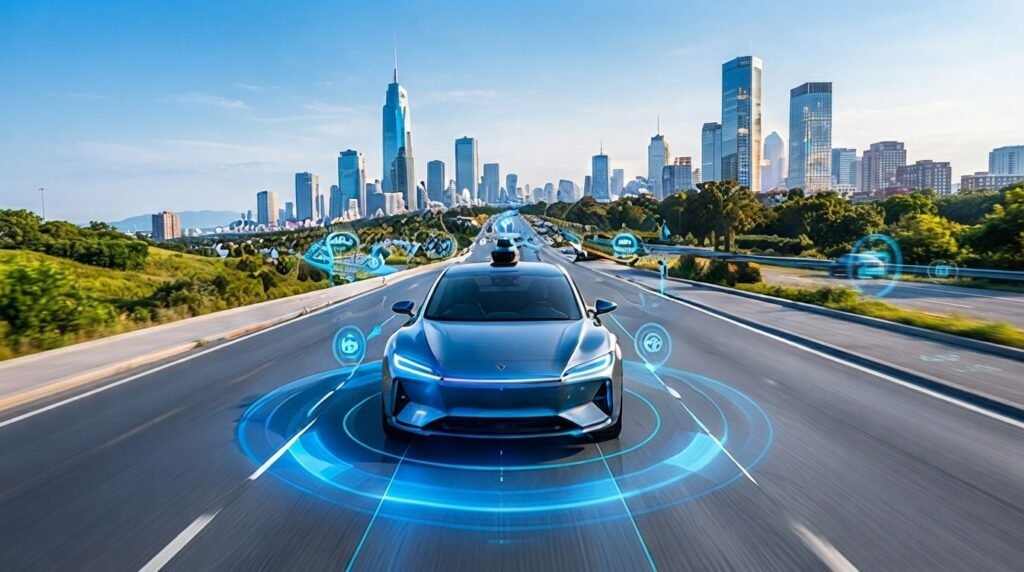
Autonomous driving technology continues to develop, although completely driverless personal cars are not yet common. Many modern vehicles already offer different levels of driving assistance, while more advanced Level 4 autonomous services are operating in limited areas. Cameras, radar, LiDAR, artificial intelligence, and powerful computers work together to understand the road environment. For everyday drivers, the biggest near-term change is likely to be increasingly capable assistance rather than completely hands-free driving everywhere.
7. Advanced Battery Technology
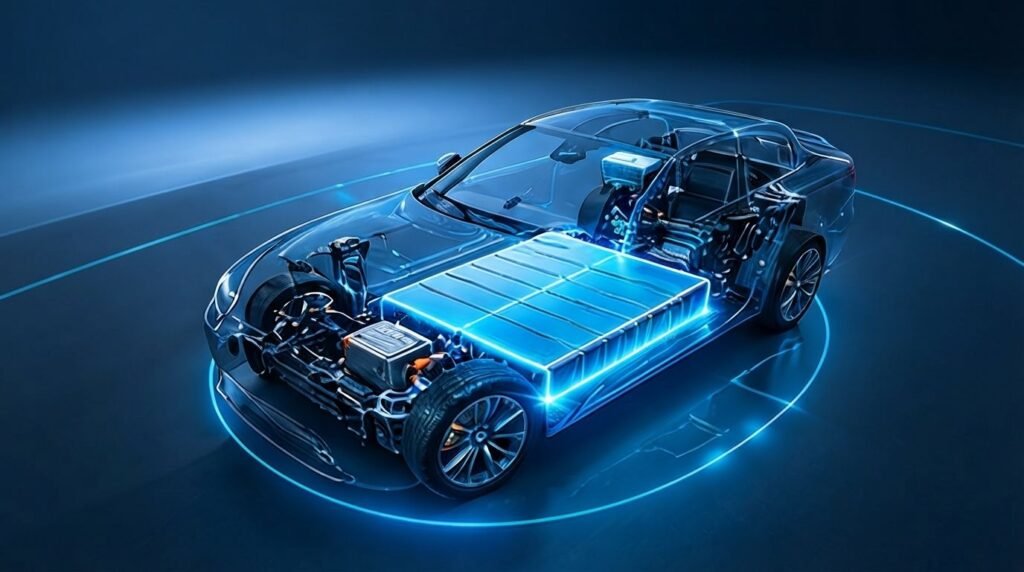
Battery development is helping electric vehicles become more practical by improving range, charging speed, durability, and efficiency. Manufacturers are also working on better thermal management and smarter energy systems that can optimize how electricity is used during a journey. Technologies such as bidirectional charging are also gaining attention because compatible EVs may be able to send electricity back to homes or the power grid. These improvements could make EVs more useful beyond simply replacing petrol-powered cars.
8. Automotive Cybersecurity
As vehicles become more connected and software-dependent, cybersecurity is becoming essential. Modern cars can contain numerous computers, wireless connections, sensors, cloud services, and digital accounts, creating more opportunities for cyber threats. Manufacturers are therefore working to protect vehicle systems, software updates, and customer data. Drivers can also improve security by keeping vehicle software updated, using strong account passwords, and carefully managing connected-car permissions.
Conclusion
The major automotive technology trends in 2026 are making vehicles smarter, safer, more connected, and more efficient. AI, ADAS, software-defined vehicles, faster EV charging, advanced batteries, autonomous driving, and cybersecurity are all playing important roles in the industry’s future. As these technologies continue to develop, understanding what they actually offer can help drivers make smarter decisions when choosing their next vehicle. Read Hub will continue covering the technology trends shaping everyday life and transportation.
If you have any questions or concerns regarding this topic, feel free to contact us through our Contact Us page or reach out via the WhatsApp button available on Read Hub. We’re always happy to help!
FAQ
What are the biggest automotive technology trends in 2026?
AI, ADAS, software-defined vehicles, faster EV charging, connected cars, autonomous driving, battery improvements, and cybersecurity are among the biggest trends.
How is AI being used in cars?
AI is used for driver assistance, road and object recognition, navigation, energy management, and increasingly personalized vehicle functions.
What is a software-defined vehicle?
It is a vehicle where software controls many functions and can receive improvements or new features through over-the-air updates.
Are cars fully autonomous in 2026?
No. Fully autonomous personal vehicles are not yet widely available, although advanced autonomous services operate in limited locations.
Is EV charging getting faster?
Yes. New charging systems and vehicle technologies are allowing compatible EVs to charge significantly faster than many earlier models.