

Rescue pet adoption can be a rewarding experience, but bringing an animal home is a long-term responsibility. Every rescue pet has a different personality, background, and set of needs, so taking time to prepare can make the transition much easier. Whether you’re considering adopting a dog, cat, or another companion animal, understanding the adoption process and knowing what to expect will help you make a confident decision. This guide from Read Hub covers the most important things to consider before and after bringing your new pet home.

1. Decide If Adoption Is Right for You
Before adopting, consider whether you have enough time, space, patience, and financial resources to care for a pet throughout its life. Think about your daily schedule, living arrangements, family members, and existing pets, as these factors can affect which type of animal is suitable for you. Adoption should be viewed as a long-term commitment rather than a temporary decision.

2. Find a Reputable Rescue
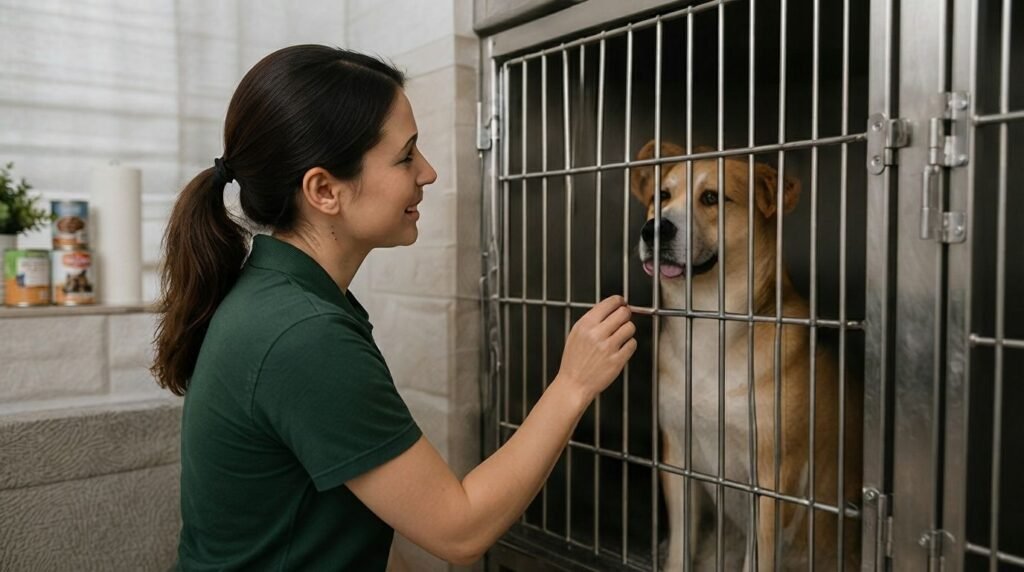
Look for a trustworthy animal shelter or rescue organization that is transparent about its adoption process and the animals in its care. Ask about available medical records, vaccinations, behavior, and any known health or behavioral concerns. You can also visit multiple organizations to compare their approach and find a rescue that prioritizes the welfare of its animals.
3. Choose the Right Pet
Don’t choose a pet based only on appearance or emotion. Consider its age, energy level, temperament, size, and care requirements, and think about how these characteristics fit your lifestyle. If you have children or other pets, ask the rescue about the animal’s experience and behavior around them before making your decision.

4. Prepare Your Home
Prepare your home before bringing your new companion back. Depending on the animal, you may need food, bowls, bedding, toys, grooming supplies, identification, and a carrier or litter setup. Remove potential hazards and create a quiet, comfortable area where your pet can rest and retreat when they need some space.

5. Ask Important Questions
Before completing the adoption, ask the rescue about the pet’s health, personality, eating habits, activity level, previous living situation, and known fears or behavioral challenges. Also ask whether the animal has received veterinary treatment and whether there are medical records available. Having accurate information beforehand helps you understand what your new pet may need.

6. Complete the Adoption Process
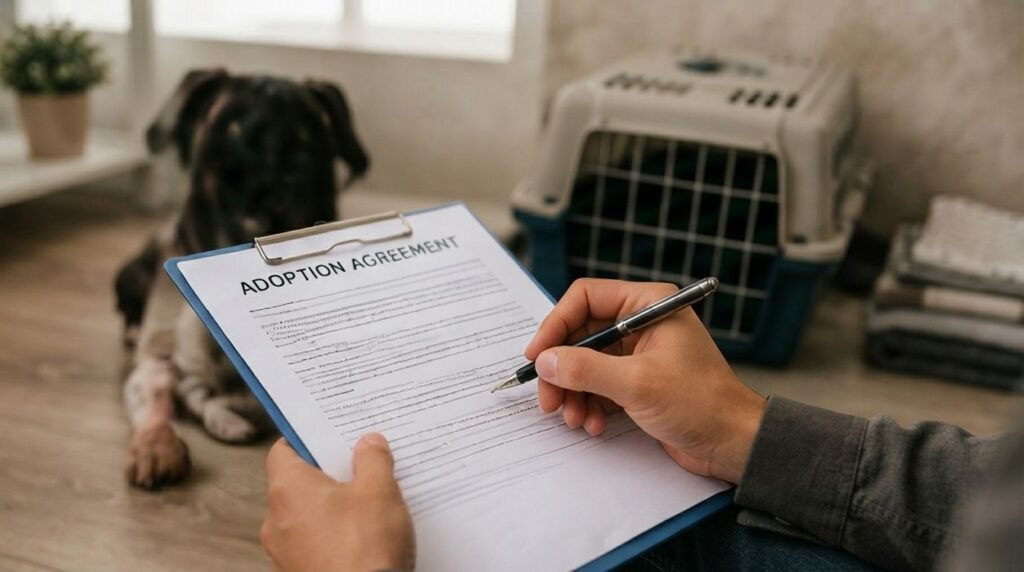
Adoption procedures vary between shelters and rescue organizations, but you may need to complete an application, have an interview, provide information about your home, and sign an adoption agreement. Read the paperwork carefully and make sure you understand the responsibilities involved. Keep copies of important adoption and medical records for future reference.
7. Help Your Pet Adjust
A newly adopted pet may need time to feel comfortable in its new surroundings. Some animals settle in quickly, while others may initially hide, seem nervous, or behave differently than they did at the shelter. Keep the environment calm, avoid overwhelming your pet with visitors, and establish a predictable routine while allowing them to adjust at their own pace.

8. Arrange Veterinary Care
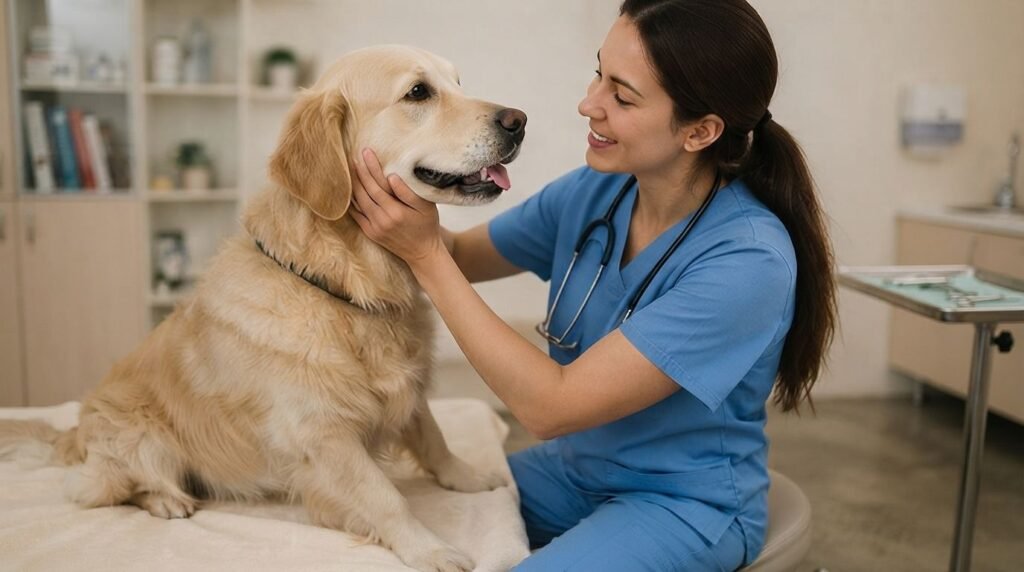
A veterinary checkup is an important part of responsible pet ownership after adoption. Take any available medical records with you and discuss vaccinations, parasite prevention, nutrition, identification, and other appropriate care with the veterinarian. If your pet develops concerning symptoms or major behavior changes, seek professional veterinary advice.
9. Establish a Routine
A consistent daily routine can help your rescue pet understand what to expect and feel more secure. Keep feeding, exercise, bathroom breaks, playtime, and rest reasonably predictable, and introduce training gradually using patience and positive reinforcement. Give your pet time to learn household rules rather than expecting everything to happen immediately.

10. Build a Lasting Bond
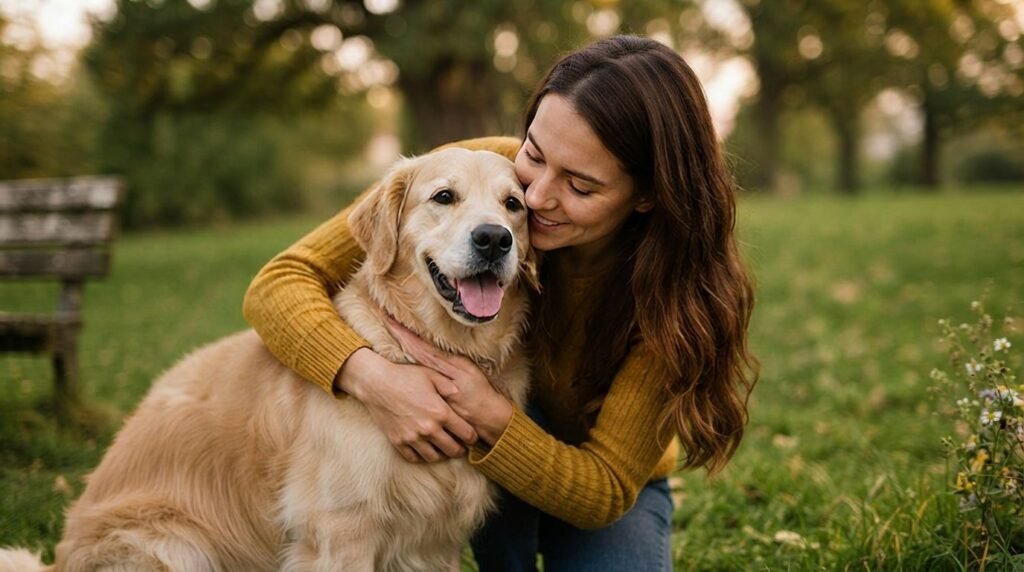
Building trust takes time, especially when an animal has experienced major changes. Spend time together through play, walks, grooming, training, or simply relaxing nearby, and learn to understand your pet’s individual personality and communication. With patience, consistency, and proper care, the relationship can develop into a strong lifelong bond.
Conclusion
Rescue pet adoption is a meaningful way to give an animal a safe and caring home while gaining a loyal companion. The key is to prepare properly, choose a pet that fits your lifestyle, ask questions, provide appropriate care, and give your new friend enough time to adjust. With responsible planning and plenty of patience, you can create a comfortable home where your rescue pet can thrive. For more practical pet and lifestyle advice, keep exploring Read Hub.
If you have any questions or concerns regarding this topic, feel free to contact us through our Contact Us page or reach out via the WhatsApp button available on Read Hub. We’re always happy to help!
FAQ
Is rescue pet adoption a good idea?
Yes, adopting a rescue pet can be very rewarding when you’re prepared for the time, care, patience, and financial responsibility involved.
How long does a rescue pet take to adjust?
Every pet is different. Some adjust quickly, while others may need more time. A calm environment, routine, and patience can make the transition easier.
What should I ask before adopting a rescue pet?
Ask about the pet’s health, age, temperament, behavior, previous living situation, medical history, and compatibility with children or other animals.
What should I prepare before bringing a rescue pet home?
Prepare appropriate food, water and food bowls, bedding, toys, identification, grooming supplies, and a safe, quiet space for your new pet.
Should a newly adopted pet see a veterinarian?
Yes. A veterinary visit can help assess your pet’s health and establish an appropriate plan for vaccinations, preventive care, nutrition, and other needs.